|

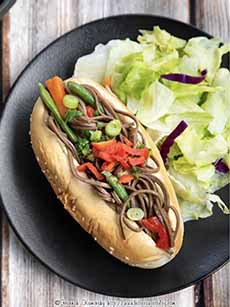
[1] It’s not difficult to make yakisoba-pan at home. The recipe is below (photos #2 and #7 © Hannah Kaminsky | Bittersweet Blog).
[2] Check out the innovative variations on the basic recipe (photo © Flavor & The Menu).
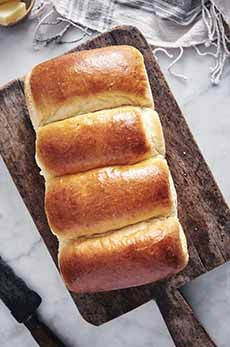
[3] Japanese milk bread. Here’s a recipe from heirloom grain grower Anson Mills (photo © Anson Mills).
[4] Japanese milk bread rolls, called koppe-pan†. Here’s the recipe (photo © King Arthur Baking).
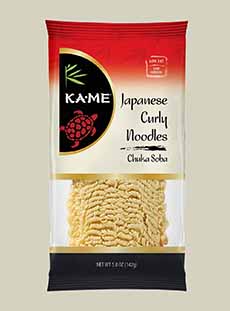
[5] If you can’t find them locally, you certainly can find them online (photo © Ka-Me Asian Foods | Panos Brands).
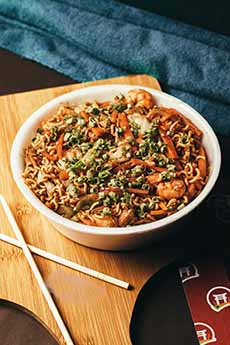
[6] A dish of yakisoba (photo © Kawe Rodrigues | Unsplash).
[7] Mixing the yakisoba-pan recipe.
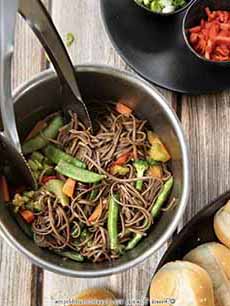
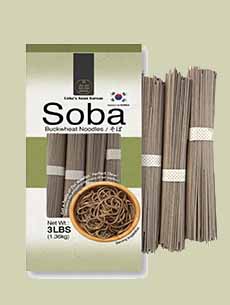
[8] If you prefer earthy-tasting, gluten-free buckwheat soba and can’t find the noodles locally, check online (photo © Unha | Amazon).
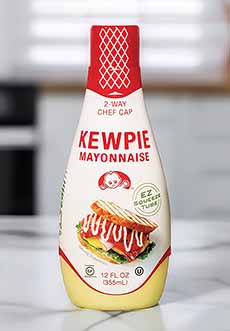
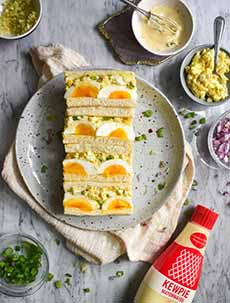
[9] Japan’s favorite mayonnaise, Kewpie. See how it’s different from American mayo in the footnote†† below (photos #9 and #10 © Kewpie Corporation).
[10] Egg salad is one of the most popular sandwiches in Japan. We couldn’t resist showing this double egg salad sandwich, called Konbi’s Egg Salad Sandwich‡‡.
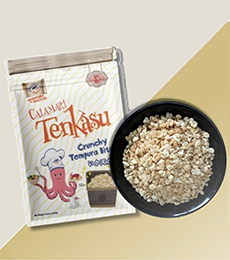
[11] We’re very fond of tenkasu, tempura flakes. Crispy bits of tempura batter are a great garnish for yakisoba-pan. You can shake them over other noodle and grain dishes, soups, on salads, sushi rolls and hand rolls, Greek yogurt, anywhere you’d like a bit of crunch. Head to an Asian grocer or online (photo © Swashbuckle Snacks).
|
|
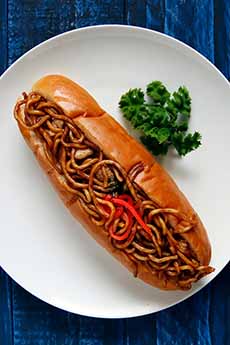
Looking for something different for Super Bowl fare? Check out yakisoba-pan, a Japanese street food innovation that’s tasty food fun: a fried noodle sandwich (photos #1 and #2).
It starts with yakisoba, a fried noodle dish that has long been a popular street food and convenience store take-out lunch and snack (it’s also served in restaurants). While its adaption to a sandwich happened more than seven decades ago, the idea is new to most of us in the U.S.
We have personally ordered an enjoyable mac and cheese sandwich on toast at a restaurant downtown. The same menu also offered a macaroni salad sandwich on a roll.
For some reason they didn’t catch on. Perhaps because of demographics: The restaurant catered to garment trade executives and not the Insta-Tok crowd.
We are told that a spaghetti sandwich is common in Italy: cold spaghetti between slices of ciabatta or rustic country rolls.
But we digress.
YAKISOBA-PAN, THE FRIED NOODLE SANDWICH
While yakisoba is eaten from a dish with chopsticks, a clever person, perhaps inspired by the American hot dog, turned a dish of noodles into a hand-held food by using it to fill a hot dog-shape soft roll.
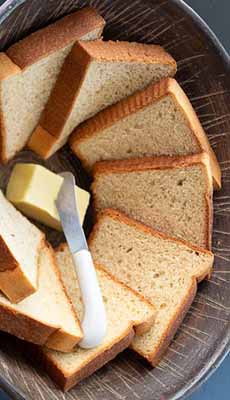
The roll, called koppe-pan† in Japanese, is made of Japanese milk bread*. (Pan is the Japanese word for bread.)
The name of the sandwich, yakisoba-pan, essentially means “yakisoba sandwich.” Yes folks: It’s a fried noodle sandwich.
Our colleague Hannah Kaminsky of Bittersweet Blog, “Don’t let anyone tell you that you can’t put noodles on bread. They might protest vehemently, but they’d be wrong.” Fun on a bun, she calls it.
“Yakisoba-pan has been a konbini [a Japanese convenience store] staple since the 1950s, keeping hungry salarymen full and fed ever since.”
Perhaps convenience stores in the U.S. should embrace the pasta sandwich, she concludes. (Imagine spaghetti and meatballs on a soft hoagie or hot dog roll spread with garlic butter: portable garlic bread and pasta.)
Below you’ll find:
> Hannah’s recipe for yakisoba-pan.
> The history of yakisoba.
> The history of milk bread.
Elsewhere in The Nibble:
> The difference between a bun and a roll.
> The history of bread and the different types of bread: a photo glossary.
But first:
WHAT IS YAKISOBA?
Yakisoba (the name translates to “fried noodles” is a Japanese dish of stir-fried noodles (chuka soba), vegetables (bean sprouts, cabbage, carrots, onions, mushrooms), and a protein (beef, chicken, pork, shrimp, tofu strips).
The noodles, vegetables, and protein are stir-fried in a pan with sesame or other oil, then tossed in a sauce and sautéed.
The sauce can be just about anything, from soy sauce or tamari to Worcestershire sauce, to vegetarian oyster sauce. Some cooks (but not us) like to add sweetness, in the form of sugar or ketchup.
Garnishes often include dried seaweed flakes, bonito flakes, and pickled ginger.
The noodles are Japanese curly noodles called chuka soba, made from wheat flour. The name translates to “thin Chinese noodles.” They can also be used in ramen, stir-fry, and cold noodle dishes.
Thin and wavy with a springy texture and golden hue, chuka soba noodles are folded into a curly pattern before drying (photo #8).
Why thin curly noodles?
Thinner noodles are easier to slurp in a bowl of soup, while thicker noodles are easier to pick up with chopsticks.
Curly noodles have more surface area, so sauce clings to them more easily.
Yakisoba Vs. Soba
Fans of Japanese food will recognize the word “soba,” buckwheat noodles. But yakisoba is not made with buckwheat noodles, despite the “soba” in its name. (Yaki means grilled or fried.)
Instead, yakisoba uses Chinese-style wheat flour noodles. The Japanese name for the noodles, “chukka soba,” means Chinese-style soba.
That being said, the recipe below does use buckwheat soba noodles because, Hannah notes, 100% buckwheat soba noodles are gluten free. You can choose what you prefer.
AN INTRODUCTION TO YAKISOBA-PAN
“Yakisoba-pan is carb-on-carb heaven; it’s portable, inexpensive, and open to endless variations,” says Hannah Kaminsky of Bittersweet Blog, whose recipe is below.
“Yakisoba-pan is the ultimate grab-and-go meal for noodle lovers! Quick, easy, and always satisfying, it’s a staple for anyone craving comfort on a budget.
“Wrap these sandwiches up for work or school lunch, travel snacks, late night munchies; you name it. They’re every bit as comforting at any temperature or time of day.
“Even if you splurge on the highest quality ingredients—which you should, given how much each component counts—you’ll still be able to feed an army on a budget.”
Recipe: Yakisoba-Pan
Hannah tweaked the classic Japanese recipe a bit, first using buckwheat noodles, as mentioned above. In addition, she notes:
“The soft hoagie roll pairs easily with the earthy buckwheat noodles, seasoned simply with soy sauce and sesame oil.”
“Typically, there’s little more than a bit of pickled ginger for garnish on top, but I prefer to add chopped scallions for more texture and flavor.”
“Add whatever you want and leave out what you don’t.”
Hannah is also vegan, so if you’d prefer animal protein, select whatever you like: beef, chicken, shrimp, anything.
As a vegan recipe, two cups of vegetables are used instead of a protein.
You can substitute two cups of protein, or use a portion of protein and a portion of vegetable that add to two cups.
We also included suggestions for making a fuller meal of yakisoba-pan. See the footnote‡ below.
Finally, we’re —regular hoagie bread just won’t do. While we weren’t about to bake our own milk bread rolls (see photo #__), we did have access to “better” hot dog rolls: brioche (soft, buttery, slightly sweet, similar to fine milk bread), King’s Hawaiian Hot Dog Buns, and Martin’s Long Potato Rolls.
Ingredients
6-7 ounces buckwheat soba noodles (photo #8) or chuka curly yakisoba noodles (photo #5)
1 teaspoon toasted sesame oil
2 cups frozen stir-fry vegetables, thawed -or-
Protein of choice, thinly sliced to cook quickly
2 tablespoons soy sauce
6 hoagie rolls (we used brioche hot dog rolls from a local bakery)
3 tablespoons mayonnaise†† (ideally Kewpie, photo #9) or vegan mayonnaise
Garnish: 3 scallions, thinly sliced
Garnish: 3 tablespoons pickled ginger (ideally pickled red ginger, beni shoga)
Optional garnishes: fresh snipped chives, parsley, basil, or other herb
Optional garnishes: dried seaweed flakes (aonori), bonito flakes (katsuobushi), crispy tempura flakes (tenkasu—photo #11)
Preparation
1. COOK the soba noodles just shy of al dente, drain, and rinse under cold water to immediately stop the cooking. Drain again, thoroughly.
2. HEAT the sesame oil in a medium saucepan over medium heat. Add the vegetables/protein and noodles, cooking for 2 minutes (or until protein is cooked through).
3. DRIZZLE with soy sauce and cook for 1-2 minutes further, until the filling is hot all the way through and the sauce has been absorbed.
4. SPLIT the hoagie rolls and spread the insides with mayonnaise. Pack the noodles into the rolls and top each with scallions and pickled ginger. Enjoy hot, warm, at room temperature, or even cold.
5. ADVANCE PREPARATION: If you want to make these sandwiches in advance of serving, let the noodles cool completely before filling the rolls. To keep for 2-3 days, wrap the sandwiches individually in plastic and keep refrigerated.
THE HISTORY OF YAKISOBA & YAKISOBA-PAN
Yakisoba originated in the early 20th century as Japanese street food, adapting Chinese chow mein noodles to seasonings and sauces. It gained wide traction during Japan’s post-World War II economic growth, particularly at food stalls and festivals.
While the creator of yakisoba-pan can’t be pinpointed, it is widely presumed to have been created by food vendors or bakeries looking for a convenient way to serve yakisoba.
It is not definitively recorded, but a leading theory suggests that it originated in Nozawaya, a bakery in Tokyo’s Nerima Ward, in the 1950s (that bakery is gone, but there’s a milk bread bakery of the same name in Jakarta, Indonesia).
Nozawaya was known for selling bread to students, and one day, someone there decided to put yakisoba inside a roll to create a more filling and portable meal.
As an inexpensive and filling snack, the sandwich‡ became a hit, especially among students and workers. It gradually spread to other bakeries and convenience stores across Japan, as well as school cafeterias (and subsequently, across Southeast Asia.
THE HISTORY OF MILK BREAD
Bread was introduced to Japan in the 16th century by Portuguese traders, although it did not gain widespread popularity at the time.
Different types of bread were made over the centuries, but the first sandwich in Japan appeared in 1899. It joined the ekiben (which translates to “train station lunchbox,” eki for station and ben for box), a bento box specifically sold at train stations as take-out for train trips.
The sandwich joined the ekiben at Japanese train station fare in the early 1900s during the Meiji period’s rapid modernization, as Japan modernized and adopted more Western foods‡‡‡ during the Meiji period (1868-1912).
It was sold at Ofuna Station in Kamakura, Kanagawa, Japan, a former political capital of Japan less than an hour south of Tokyo.
The sandwich was the brainchild of entrepreneur Tomioka Shuzo, with inspiration from a close friend, Kuroda Kiyotaka.
Kuroda (who would later become the second Prime Minister of Japan) encouraged Shuzo to sell sandwiches at the train station after experiencing sandwiches during his travels abroad. Here’s more about it [source].
So we have the sandwich, but what about the milk bread?
It wasn’t until the 1920s that Kobe-based bakeries began producing soft bread inspired by Western-style white bread loaves.
The bread is called shokupan in Japanese, which translates to “eating bread” because it is a simple white bread that can be eaten anytime.
After World War II, the U.S. provided wheat flour to Japan through food aid programs, which encouraged the mass production of bread. School lunches began to include bread as a staple.
Japanese bakeries refined the recipe. A leap forward was to use Hokkaido milk and butter to develop the modern signature milk bread with its slightly sweet taste.
Hokkaido, Japan’s northernmost island, had become famous for its high-quality milk and butter. As Hokkaido’s dairy farming industry expanded significantly in the 1960s and 1970s, bakers incorporated the rich milk into bread recipes.
Japanese milk bread is soft and airy thanks to a simple technique involving a roux “starter” called tangzhong in Japanese. The loaves can be baked in open loaf pans to create a golden-brown crust or baked in Pullman loaf pans for a rectangular shape that’s perfect for sandwiches.
Bread flour, which has a higher protein content for more gluten development, is imperative for baking milk bread. All-purpose flour won’t work.
|
Milk Bread As A Luxury Item & Gift
In recent years, high-end shokupan specialty shops have emerged, charging $4-$8 per loaf with some truly luxurious versions at to $15 per loaf.
The high-end bakeries focus solely on milk bread, offering limited daily batches. Customers often need to pre-order or line up early.
Premium shokupan is often sold in elegant packaging, making it a popular gift item in Japan. Some bakeries offer custom branding, wooden boxes, or beautiful fabric wrapping (furoshiki).
As with artisan breads everywhere, bakers emphasize premium ingredients, artisanal methods, luxurious textures, and same-day freshness—no additives or preservatives.
Superior ingredients include:
Milk: Full-fat (or even raw, or from the top single-origin farms) Hokkaido milk and butter for creamy richness.
Japanese flours, known for their fine, airy texture, such as Kitahonami or Yumechikara from Hokkaido.
Natural sweeteners instead of refined white sugar: condensed milk, honey, or wasanbon sugar, a fine Japanese sugar.
The result is a loaf that’s incredibly soft, airy, and flavorful. The texture is so silky, moist the crumb (the interior, what’s underneath the crust) melts in the mouth.
And that Hokkaido butter produces a rich, buttery fragrance. In sum: This is a bread that’s delicious plain, no spread or other topping required.
One can now find premium milk bread at Japanese-style bakeries in major cities like London, Los Angeles, New York, Singapore, Sydney, and closer to home, in Hong Kong [source: Chat GPT, 2025-01-23].
If you want to try it, do a local search (you may well find supermarket-style loaves at Asian specialty markets).
________________
*Japanese milk bread, also known as shokupan or Hokkaido milk bread, is a soft, slightly sweet, fluffy white bread that’s popular in Asia. It’s made with an enriched dough that includes eggs, milk, butter, and sugar. We think it’s an elevated version of Wonder Bread. It is often served toasted or in sandwiches, especially fruit sandwiches.
†If the Japanese pan, their word for bread, seems similar to the word in Latin and the Romance languages, that’s because it comes from the Portuguese word pão, bread. Portuguese traders brought bread to Japan in the 1500s, and pan is one of the earliest words borrowed from a Western language into Japanese.
Koppe refers to a type of bread roll which is similar to a hot dog bun and called koppepan. Like a hot dog roll, it’s sliced open and filled with various ingredients. The word koppe may be derived from the French word “coupé,” meaning cut.
‡Japanese sandwiches have evolved over the decades, incorporating different Japanese ingredients. Popular sandwiches include the katsu sando, a breaded pork cutlet sandwich; the fruit sando, a sandwich filled with fruit and whipped cream; and onigirazu, a cross between a sandwich and a rice ball. Teriyaki chicken and chicken cutlet are also available.
The most popular sandwich in Japan today is the good old Western egg salad on milk bread (white bread). Convenience stores across the country have expanded the offering egg-based sandwiches fillings to hard-boiled eggs and scrambled eggs, and tamagoyaki, the sliced egg custard used in sushi and sashimi) among other options. How about the combination of egg salad and hard-boiled egg in photo #10?
The BLT is another favorite, followed closely by ham and cheese. Tuna and ham and eggs also rank highly, as do vegetable-based options. Here’s more about Japanese sandwiches.
††The Japanese mayonnaise of preference is Kewpie brand. There are two major differences between Japanese Kewpie mayonnaise and American mayonnaise. (1) Kewpie is made only with egg yolks, resulting in a richer, creamier texture and a more pronounced egg flavor. Most American mayonnaise brands use whole eggs, which create a lighter consistency. (2) Kewpie often incorporates a blend of vinegars like rice vinegar for a slightly sweeter taste compared to the sharper distilled white vinegar used in American mayonnaise. Both versions contain vegetable oil.
‡Dishes to pair with yakisoba-pan:
> Side dishes: miso soup, Japanese pickles (tsukemono), edamame, shredded cabbage salad, seaweed salad. If you want another course, Japanese fried chicken (karaage).
> Desserts: matcha ice cream, ice cream mochi, citrus sorbet (ideally yuzu, but lemon, lime or grapefruit also).
> Beverages: iced green tea, hot green tea or barley tea, lager or Pilsner beer, citrus soda pop (7Up, Sprite, craft brands).
>‡‡Konbi’s Egg Salad Sandwich was created at a now-closed popular café in Los Angeles. Konbi was known for its Japanese-style sandwiches, especially their famous egg salad sandwich. The sandwich was particularly acclaimed for its creamy yet balanced texture, fluffy milk bread, and interesting presentation.
Konbi’s sandwiches were in the style of those sold at konbini, Japanese convenience stores. (Konbini gave the L.A. café its name—they also serve as sandwich shops in addition to their other offerings). Konbi’s recipes and influence continue to be referenced by chefs and home cooks alike.
Fun fact: The 7-Eleven chain began in Japan.
>‡‡‡The Meiji Restoration beginning in 1868, was a political revolution that ended Japan’s feudal Tokugawa shogunate and restored power to the Emperor Meiji (1852-1912), Japan’s 122nd emperor who ruled from 1867 to 1912. The new government actively pursued modernization through the “bunmei kaika” (civilization and enlightenment) policy. This included adopting Western technologies, education systems, military practices, fashions, and foods.
CHECK OUT WHAT’S HAPPENING ON OUR HOME PAGE, THENIBBLE.COM.
|