|

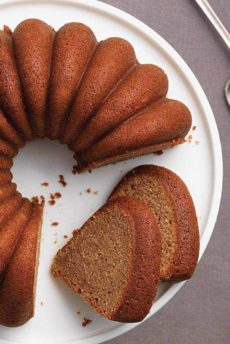
[1] Chai Bundt cake is just perfect for fall nibbling. The recipe is below (photos #1, #2, and #4 © King Arthur Baking).
[2] There are so many different Bundt cake pan designs, from simple as in photos #1 and #2, to very elaborate. Here are 24 of them.
[3] Chai spices can be measured and ground individually, or blended from ground spices you already have (photo © Stash Tea).
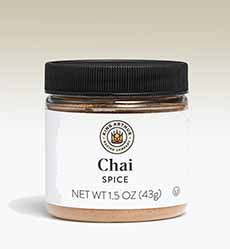
[4] Or, you can buy pre-ground chai blends, like this one from from King Arthur Baking
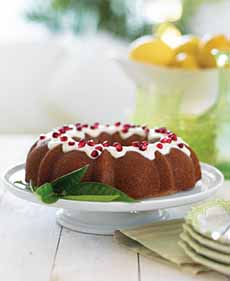
[5] The cake can be served plain, with ice cream or whipped cream, or with a vanilla glaze (photo © Pom Wonderful).
[6] It’s easy to whip up this vanilla glaze (photo © Taste Of Home).
|
|
Yesterday we suggested some chai-spiced foods to celebrate the holiday of Diwali, India’s most important holiday. The most important day of the five-day festival is the third day, which is celebrated with a feast and fireworks.
Today we’re adding something for dessert: a chai-spiced pound cake bundt recipe.
Developed by Charlotte Rutledge of King Arthur Baking, thiss fusion food blends the spices of India with the classic English pound cake.
It’s delicious, and there’s also a gluten-free version of the recipe.
“This perfectly tender cake mimics the flavors in a steaming cup of chai,” says King Arthur Baking. “Just lightly sweetened with both brown sugar and honey, it’s an ideal treat for a cold autumn afternoon.”
While this cake will probably disappear in a day, you can freeze leftovers. And we at THE NIBBLE love a piece of cake right from the freezer. Try it!
> The history of the Bundt cake.
> The history of the pound cake.
> See more chai-spiced recipes, sweet and savory.
RECIPE #1: CHAI-SPICED POUND CAKE BUNDT
Prep time is 20 minutes, and bake time is 50 to 55 minutes.
You can serve the cake plain, or with ice cream or whipped cream. Or, you can drizzle a topping: quick vanilla glaze (recipe below) or caramel sauce.
Ingredients
16 tablespoons (227g) unsalted butter, at room temperature, at least 65°F
1 cup (213g) light brown sugar, packed
1/4 cup (85g) honey
2 large eggs, at room temperature
1 teaspoon baking powder
1/4 teaspoon baking soda
1 teaspoon salt
3 tablespoons (21g) King Arthur Chai Spice, or blend your own with:
– 1 tablespoon cinnamon
– 2 teaspoons ginger
– 2 teaspoons cardamom
– 1-1/2 teaspoons allspice
– 1/2 teaspoon black pepper
2 cups (240g) unbleached all-purpose flour
1 cup (227g) sour cream or yogurt, full-fat preferred, at room temperature
2 teaspoons pure vanilla extract
Preparation
If you like, here are the same step-by-step instructions with photos.
1. PREHEAT the oven to 350°F. Beat together the butter, brown sugar, and honey in a large bowl until smooth and somewhat lightened in color. This will take about 2 minutes at medium speed of an electric hand or stand mixer.
2. ADD the eggs one at a time, beating for a minute or two and scraping the sides and bottom of the bowl between additions.
3. STIR in the baking powder, baking soda, salt, and chai spice blend (or individual spices).
4. MEASURE the flour by gently spooning it into a cup, then sweeping off any excess. Gently but thoroughly stir half the flour into the butter/egg mixture. Add the sour cream (or yogurt) and vanilla, stirring to combine. Finally, stir in the remaining flour. Scrape the sides and bottom of the bowl and beat briefly, to incorporate any sticky residue.
5. THOROUGHLY GREASE a 9- or 10-cup Bundt pan. Scoop the batter into the prepared pan, and bake for 50 to 55 minutes, until a cake tester, bamboo skewer, or long toothpick inserted in the center comes out clean.
6. REMOVE the cake from the oven, and cool it in the pan for 15 minutes before turning it out onto a rack to finish cooling.
7. COOL completely before slicing. Store any leftovers, tightly wrapped in plastic, at room temperature for several days; freeze for longer storage.
RECIPE #2: VANILLA GLAZE
This recipe comes together in minutes. You can use it on cakes, cupcakes, donuts, and pastries.
Mix in enough confectioners’ sugar so that the icing easily drips off a spoon, but is also opaque and thick enough that it won’t soak into the cake.
You can color the glaze, but it’s best to use a gel or paste rather than a liquid food coloring. The latter adds some liquid to the icing and may need more confectioners’ sugar to compensate (see Step 2 below).
With gel vs. paste: Gel food coloring produces a very vibrant, concentrated color in a glaze.
> The difference between frosting, icing, and glaze.
Ingredients
1 cup confectioners’ sugar
2 tablespoons 2% milk
1/4 teaspoon vanilla extract
Preparation
1. COMBINE the ingredients in a small bowl. Stir until smooth. If desired, let stand for 5 minutes to thicken.
2. ADJUST as needed. For a thicker glaze, whisk in more confectioners’ sugar, a tablespoon at a time, until the desired consistency is reached. For a thinner glaze, gradually stir in a little more milk.
3. GLAZE when ready. If you would like some of the glaze to soak into the cake and create a bit of a glossy coating, glaze while the cake is still warm. If you would like the glaze to coat or sit on top of the cake, let it cool to room temperature before glazing.
If you have colored the icing, you should use it when the cake is at room temperature.
|