THE NIBBLE BLOG: Products, Recipes & Trends In Specialty Foods


Also visit our main website, TheNibble.com.

Caviar Parfait & More Caviar Recipes For National Caviar Day

How about a Caviar Parfait for July 18th, National Caviar Day?

Here’s a recipe from California Caviar Company, which sells every type of caviar that makes our heart flutter.

> The different types of caviar: a glossary.

> Affordable caviar.

> See more caviar recipes below.
 
 
RECIPE: CAVIAR PARFAIT

California Caviar made this parfait with three different caviars/roes*: paddlefish sturgeon caviar, trout roe, and saffron-infused whitefish roe.

But you can use any type. We made it twice: once with salmon caviar (ikura) and once with flying fish roe (tobiko).

Prep time is 30 minutes.
 
Ingredients For 4 Servings

  • 2 whole eggs
  • ½ cup crème fraîche
  • 1 teaspoon lemon zest
  • 2 tablespoons chives, finely chopped
  • 3 tablespoon butter
  • 5 brioche slices, ½” thick
  • Kosher salt
  • Black pepper
  • 1 ounces trout roe
  • 1 ounces saffron-infused whitefish roe
  • 1 ounces paddlefish roe
  •  
    Preparation

    1. HARD-BOIL the eggs. Place them in a pot covered with cold water. Bring to a boil and cook for 5 minutes. Remove from the heat and let them sit in hot water for 10 minutes.

    2. TRANSFER the eggs to an ice bath to chill. Once cool, peel the eggs and press them through a sieve with a wooden spatula.

    3. MIX 1/4 cup of the crème fraîche with lemon zest and season with salt and pepper.

    4. TRIM the crusts from the brioche slices and cut them into four pieces to make the soldiers. In a skillet, melt butter over medium heat and toast brioche sticks until all sides are golden brown.

    5. DIVIDE the ingredients evenly among four small parfait cups or aperitif glasses. Layer them starting with trout roe, then crème fraiche, chives, saffron-infused whitefish roe, egg, another teaspoon of crème fraiche, and finally topping with paddlefish. Serve with toasted brioche sticks, a.k.a. toast fingers, or toast soldiers.
     
     
    MORE CAVIAR RECIPES

  • Baby Potato Bites With Salmon Caviar
  • Bacon-Infused Caviar
  • Beggar’s Purses
  • Caviar & Smoked Salmon Sandwich
  • Caviar Cigar
  • Caviar Cocktail Garnish
  • Caviar Ice Cream Cone
  • Chocolate Caviar Tartlet
  • Christmas Sushi & Sashimi With Caviar
  • Cocktail Omelets With Trout Roe
  • Corn Pancakes With Smoked Salmon & Caviar
  • Deluxe Deviled Eggs
  • Empty Crab Legs With Caviar
  • Lobster Roll With Caviar
  • Lobster-Topped Guacamole With Caviar
  • Oysters & Pearls
  • Raw Scallops & Caviar
  • Red Caviar Hearts
  • Salmon Caviar Bagel
  • Scallops, Beets & Caviar
  • 7-Layer Bites With Caviar & Smoked Salmon
  • Soft-Boiled Eggs With Caviar
  • Steak & “Eggs”
  • Tobiko Caviar Garnish
  • Quail Egg & Caviar Croustades
  •  

    Caviar Parfait As A First Course
    [1] Caviar parfait, an elegant first course (photos #1 and #2 © California Caviar Company).

    Six Different Colors Of Caviar (Infused Roes)
    [2] Different colored caviars can make an attractive presentation. From top left, clockwise: smoked trout roe, paddlefish roe, wasabi-infused whitefish roe, flying fish roe, salmon roe, whitefish roe.

    Toast Fingers or Toast Soldiers, Dipping Into A Soft-Boiled Egg
    [3] Toast soldiers can be enhanced with ham, cheese, smoked salmon, and other ingredients. See how here (photo © 30 Seconds).

    Salmon Caviar Creme Fraiche  Hors D'Oeuvre
    [4] An easy hors d’oeuvre: baby potato bites, bite-size boiled red jacket potatoes topped with crème fraîche and salmon caviar (photo © Fotolia).

     
    ________________

    *Caviar vs. roe: Roe are the eggs of a fish. They are also called berries, pearls, and grains. In addition to sturgeon roe, roe from several different species of fish are enjoyed by consumers: keta roe from the keta salmon; masago from the smelt, tobiko from the Icelandic flying fish, avruga from the Spanish herring, plus American roes from the bowfin, lumpfish, paddlefish, trout, and whitefish. In the caviar trade, once the roe has been removed from the fish and salted, it becomes caviar.

    †“Toast soldiers” is a British term that refers to strips of toast cut from a slice of toasted bread. In the U.S., we call them toast fingers or toast strips. The term “soldiers” arose because the strips are reminiscent of the formation of soldiers on parade. The toast is sliced in this manner so that it can be dipped into the opening of a soft-boiled egg that has had the top of its shell removed (see photo #3). However, it has found many other uses (see these snazzy toast soldiers). The first-known mention of the French term for toast soldiers, mouillettes (moo-YET, dip in English), is in an 1868 novel. The British term, “eggs with soldiers,” appears to date only from the 1960s, first appearing in a novel where it is used to eat soup. In 2005, The Daily Telegraph reported the invention of a device for cutting bread into soldiers. Shaped cutters that turn toast into human-like soldiers are also available [source].


    CHECK OUT WHAT’S HAPPENING ON OUR HOME PAGE, THENIBBLE.COM.


    Comments off

    Peach Frosé Ice Pops Recipe For National Peach Ice Cream Day

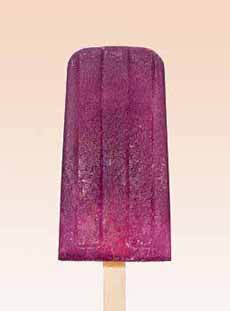
    Peach Frose Ice Pop
    [1] Strictly for grown-ups: Peach Frosé Ice Pops (photos #1 and #2 © Discover California Wines).

    Peach Frose Ice Pop Cocktail
    [2] Enjoy the pop straight or make a winetail (wine cocktail) by melting it into a glass of sparkling wine.

    Bowl Of Fresh Peaches
    [3] A summer bounty of fresh pieces (photo © Lum3M | Pexels).

    Bowl Of Sliced Peaches
    [4] While you’re slicing peaches for this recipe, slice a few more for fruit salad or an ice cream topping (photo © California Olive Ranch).

    Bowl Of Fresh Basil
    [5] Two leaves of fresh basil make an aromatic garnish for the cocktail (photo CO Public Domain).


    Peachy keen: July 17th is National Peach Ice Cream Day. It’s one of our favorite flavors, unfortunately, available only in summer months during peach season.

    But we’ve got recipes that can be made with fresh or year-round with frozen peaches:

  • Classic Peach Ice Cream
  • David Venable’s Peach Ice Cream With Sweetened Condensed Milk
  • Peach Ice Cream With Honey
  •  
    Today, we have a “relative of peach ice cream”: Peach Frosé Ice Pops.

    Frosé ice pops are great by themselves or as a fun addition to a glass of sparkling wine from California. As the ice pops melt, the flavors mix and mingle with the sparkling wine, creating a delightful cocktail experience.
     
     
    > The history of Frosé.

    > The history of ice cream.

    > The different types of ice cream and frozen desserts.

    > THe history of peaches.
     
     
    RECIPE: PEACH FROSÉ ICE POP & COCKTAIL

    These Peach Frosé Ice Pops use peaches (you can substitute canned cling peaches), peach nectar, and rosé wine, frozen in ice pop molds.

  • You’ll need 10 (2.5-ounce) freezer ice-pop molds and sticks, plus a blender.
  • Ice pops can be made 3 months ahead. Freeze until solid, then transfer to an airtight container and keep frozen.
  • If you can’t get fresh peaches, you can use frozen peach slices or 1 (24-ounce, 796 ml) jar of sliced cling peaches, drained, and divided.

    Thanks to Discover California Wines for the recipe. Check out all of their delicious recipes.
     
    Prep time is 15 minutes plus 8 hours of freezing (or overnight).
     
    Ingredients For 10 Ice Pops

  • 2 heaping cups (336 g) peeled and sliced ripe peaches, divided
  • 1-2/3 cups (425 ml) California dry rosé
  • 1/2 cup (150 ml) freshly squeezed orange juice
  • Optional: 2 tablespoons (30 g) granulated sugar
  •  
    For A Cocktail

  • Sparkling wine (we like sparkling rosé)
  • Garnish: slices of fresh peach or orange wheel
  • Garnish: 1-2 fresh basil leaves per cocktail
  •  
    Preparation

    1. PURÉE half of the sliced peaches, rosé, orange juice, and sugar on high speed in a blender until smooth. Strain through a fine-mesh sieve into a large measuring cup; discard any solids.

    2. DIVIDE the peach mixture among ice pop molds, leaving about 1″ space at the top. Freeze until slightly slushy, about 1 hour. Meanwhile…

    3. DICE the remaining peach slices into very small pieces. Stir the semi-frozen mixture with an ice pop stick or chopstick, then divide the remaining diced fresh peaches among the molds, stirring to incorporate well with the ice pop stick.

    4. COVER the molds, insert the sticks, and freeze until the ice pops are solid, at least 8 hours.

    To serve as a cocktail:

    1. PLACE the ice pop upside down into a wine glass. Pour 4 ounces (118 ml) of sparkling wine into the glass.

    2. GARNISH with fresh peach slices and/or an orange wheel.

    3. PLACE 1-2 basil leaves in the palm of your hand and slap your hands together to release the aroma of the basil. Drop the leaves into the glass and serve immediately.
     
     
    MORE FROSÉ COCKTAIL RECIPES (WINETAILS)

    A winetail is a wine cocktail, using wine instead of spirits. Of course, if you also want to add a splash of spirits to your winetail, we won’t tell.

  • Blueberry Frosé Cocktail
  • Classic Frosé Cocktail
  • Drinkable Frosé Sundae
  • Frosé Granita
  • Raspberry Frosé Cocktail
  •  


    CHECK OUT WHAT’S HAPPENING ON OUR HOME PAGE, THENIBBLE.COM.


    Comments off

    Cherry Chocolate Chip Ice Cream Recipe For National Cherry Day

    July 16th is both National Ice Cream Day and National Cherry Day. Combine the two and you get this delicious Cherry Chocolate Chip Ice Cream recipe.

    (July is National Ice Cream Month. National Chocolate Chip Day is May 15th.)

    Thanks to Gelson’s for the recipe. See more delicious Gelson’s recipes here.

    > The history of ice cream.

    > The different types of ice cream: a glossary.
     
     
    RECIPE: CHERRY CHOCOLATE CHIP ICE CREAM

    You can make this recipe up to three days in advance. You can create a depth of flavor in this sauce with the addition of bourbon (or substitute rum or cherry liqueur).
     
    Ingredients For The Cherry Sauce

  • 2 cups pitted, halved black cherries
  • ½ cup sugar
  • ¼ cup bourbon or water
  • 1 tablespoon lemon juice
  • Pinch salt
  •  
    Ingredients For The Ice Cream

  • 2 cups heavy cream
  • ¾ cup whole milk
  • ¾ teaspoon vanilla extract
  • 5 large egg yolks
  • ½ cup sugar
  • ¼ teaspoon salt
  • 2 ounces bittersweet chocolate, chopped
  • 1 teaspoon coconut oil (substitute olive oil)
     
    Preparation

    1. MAKE the cherry sauce: In a medium saucepan, combine all of the ingredients over medium heat and bring to a simmer for 20 minutes. Mash the cherries with a potato masher and simmer for another 10 minutes.

    2. ALLOW the sauce to cool for 10 minutes; then transfer it to a blender and purée. Transfer the sauce to an airtight container and refrigerate for 2 hours, or up to 3 days.

    3. MAKE the ice cream custard base: In a medium saucepan, combine the heavy cream, whole milk, and vanilla over medium heat. Bring the mixture to a simmer, whisking intermittently.

    Note: This can take up to 20 minutes. Try not to rush this process, or you’ll overheat the cream. While the cream is heating…

    4. COMBINE the egg yolks, sugar, and salt in a medium bowl and whisk vigorously until they have about doubled in size or become a little frothy and pale.

    5. REMOVE the simmering cream from the heat and allow it to cool for about 10 minutes. Pour the cream into the egg yolks in a slow, steady stream, whisking continuously, until they’re fully incorporated.

    6. TRANSFER the custard mixture back to the saucepan and warm it over medium-low heat, stirring gently, until the mixture thickens slightly and coats the back of a spoon.

    7. TRANSFER the custard to a clean bowl to cool. Once it has cooled to room temperature, cover the bowl with plastic wrap and put it in the refrigerator to cool for 1 hour, or up to 3 days.

    8. MAKE the ice cream: Combine the chopped chocolate and coconut oil in a double boiler over simmering water. Stir intermittently until the chocolate is melted. Set aside to cool.

    9. POUR the cold custard mixture into an ice cream machine and churn until it begins to thicken, 10 to 12 minutes.

    10. DRIZZLE in the melted chocolate and churn for an additional 2 minutes, or until the chocolate hardens. Drizzle in the cherry sauce and churn just until the sauce is swirled through the ice cream, but not fully combined.

    11. SERVE directly from the ice cream machine for soft serve, or put it in the freezer to firm up for about 6 hours.

  •  

    A Bowl Of Cherry Chocolate Chip Ice Cream
    [1] There is nothing better than homemade Cherry Chocolate Chip Ice Cream (photo © Gelson’s).

    Bowl Of Bing Cherries
    [2] This is the month to gather ye cherries while ye may (photo © Gaelle Marcel | Unsplash).

    Chopped Dark Chocolate Bar
    [3] Instead of chocolate chips or chunks, you can chop up a bar of fine dark chocolate (photo © Tetiana Bykovets | Unsplash).

    Heavy Cream Cartons
    [4] Heavy (whipping) cream does the trick. Do you know the different types of cream (photo © Wisconsin Dairy)?


    CHECK OUT WHAT’S HAPPENING ON OUR HOME PAGE, THENIBBLE.COM.


    Comments off

    Lobster Mac & Cheese Recipe For National Macaroni & Cheese Day

    A Dish Of Lobster Mac & Cheese
    [1] The recipe for this luxurious Mac & Cheese recipe is below photo © Cambria Style).

    A Pan Of Lobster Mac & Cheese
    [2] Don’t want to cook? Buy a good frozen mac & cheese (photo © Blake’s All Natural Foods).

    A Can Of Phillips Lobster Claws
    [3] When we can’t get shelled lobster meat from our fishmonger, we use Phillips, a high-quality canned product used by some restaurants. See more about it below (photo: The Nibble).

    Lobster Mac & Cheese Recipe
    [4] A full-bodied white wine like Chardonnay pairs well with mac & cheese. See all of the wine pairings below (photo © Tillamook Dairy Co-Op).


    [5] Buy ramekins or small gratin dishes for individual presentations of mac & cheese (photo © DeLallo).


    Updated July 2026

    July 7th is National Macaroni Day and July 14th is National Macaroni & Cheese Day. We don’t have to be reminded twice!

    We love mac & cheese, and have published 19 recipes, including two for luxurious Lobster Mac & Cheese:

  • Lobster Mac & Cheese With Gnocchi (#1)
  • Lobster Mac & Cheese With Elbows & Havarti (#2)
  •  
    So why publish a third Lobster Mac & Cheese recipe?

    Because we love it! And each recipe varies: by the cheeses, seasonings, and macaroni shapes used.

    Below:

    > Recipe: Lobster Mac & Cheese.

    > Have a mac & cheese party.

    > Mac & cheese wine pairings.

    > Using canned lobster meat.

    Elsewhere on The Nibble:

    > More creative mac & cheese recipes.

    > The history of macaroni and cheese.

    > Yankee Doodle and macaroni.

    > The different types of pasta: a photo glossary.

    > The history of pasta.

    > The difference between pasta and noodles.

    > The year’s 20+ pasta holidays.

    > The year’s 60+ fish and seafood holidays.
     
     
    RECIPE: LOBSTER MAC & CHEESE (#3)

    This recipe is from Cambria Style, a luxury lifestyle magazine from Cambria, the nation’s leading producer of elegant, American-made quartz surfaces.

    It differs from most mac & cheese recipes with the addition of fresh herbs. The Dijon mustard is also a flavorful touch.

    Serve this mac with a crisp Chardonnay or the numerous options below.

    If you’re on a budget, you can use shrimp instead of the lobster (we use the frozen red shrimp from Trader Joe’s).

    Or, for a creative “surf and turf,” add crispy chopped bacon on top.

    > Here are more modern surf and turf recipes.
     
    Ingredients

  • 3 tablespoons unsalted butter
  • 2 small or 1 medium shallot, minced
  • 3 tablespoons flour
  • 2 cups whole milk
  • ½ cup heavy cream
  • 2 tablespoons Dijon mustard
  • 2 cups white Cheddar
  • 1 cup Gruyère
  • 2 cups sharp Cheddar
  • Salt and freshly ground pepper, to taste
  • 1 teaspoon freshly ground nutmeg
  • 1 pound pasta, such as cavatappi or ziti, cooked according to package instructions
  • 1½ pounds lobster meat, cooked
  • 1 cup bread crumbs, homemade or store-bought, tossed in 2 Tbsp. melted butter
  • Fresh chives, snipped
  • Fresh Italian (flat) parsley leaves, shredded
  • Fresh dill, snipped
  •  
    Preparation

    1. PREHEAT the oven to 375°F. In a Dutch oven or a large pot, melt the butter, add shallots, and cook until translucent, 1–2 minutes. Add the flour and whisk until the shallots are coated, 1 minute.

    2. ADD the milk, whisking constantly, and bring it to a slight boil. Whisk until thickened and smooth. Add the heavy cream and Dijon mustard.

    3. TURN OFF the heat and add the cheeses, salt and pepper, and nutmeg; stir until melted. Add the cooked pasta and lobster.

    4. PLACE the mixture in one large or multiple individual oven-safe gratins. Top with buttered bread crumbs.

    5. BAKE for 30 minutes. Turn the oven to broil, and cook until the mac and cheese is bubbling and the topping is nicely browned, 4 minutes.

    6. TOP with freshly chopped chives, Italian parsley, and dill.
     
    Variation: Mix in some smoked Gouda for some of the Cheddar. It will add extra depth of flavor.

     
    IS IT TIME FOR A MAC & CHEESE PARTY?

    Yes! You can make it a potluck with four or five different recipes.

    Make one yourself and delegate the rest.

    Add a big salad with vinaigrette and different white wines to pair (see wine pairings below).

    After all that rich mac and cheese, serve a light dessert: fruit salad or sorbet. Or fruit salad topped with a scoop of sorbet, with a side of biscotti.


    Lobster Mac & Cheese With Wine
    [6] Wine pairing follow, for both lobster & and cheese and other macs & cheese (photo: The Nibble).
     
     
    MAC & CHEESE WINE PAIRINGS

    For Lobster Mac & Cheese

    For a rich lobster macaroni and cheese—creamy, buttery, and elegant—you want a wine with enough acidity to cut through the richness while complementing the sweetness of the lobster. These recommendations also apply to other shellfish (crab, scallops, shrimp).

  • Chablis. With a lighter cheese sauce that emphasizes Gruyère or white Cheddar rather than heavy cream, the crisp acidity and mineral character of Chablis will highlight the lobster.
  • Chardonnay. Choose a cool-climate, lightly oaked wine from Russian River Valley, Sonoma Coast, or Willamette Valley. Avoid heavily buttery styles, since the dish already has plenty of richness.
  • Champagne. A Brut or Extra Brut Champagne is an excellent choice for a special occasion. The bubbles cleanse the palate while the brioche notes echo the baked, cheesy flavors. For bubbles without the price tag, here are other fine sparkling wines.
  • Dry Chenin Blanc. Savennières and Vouvray offer vibrant acidity with honeyed and apple notes that complement lobster without overwhelming it.
  • Viognier. Viognier is a good option if the dish includes herbs like tarragon or thyme. Plus, the floral aromas and stone fruit notes work well with shellfish.
  • White Burgundy. The Chardonnays of Burgundy, France are among the world’s most coveted white wines, and a classic pairing with lobster. Look for a village-level Meursault, Puligny-Montrachet, or Saint-Aubin. The subtle oak, minerality, and bright acidity pair beautifully with lobster and creamy cheese sauces.
  •  
    Red Wine

  • Pinot Noir. Choose a lighter-bodied style with bright acidity and minimal oak from Burgundy, Oregon, or Sonoma Coast). It won’t overpower the lobster and works surprisingly well with Gruyère and aged Cheddar.
  •  
    Wines To Avoid

  • Cabernet Sauvignon, Syrah, or Malbec. They’ll overwhelm the delicate lobster.
  • Highly oaked, buttery Chardonnay. It will make the pairing feel overly rich.
  • Sweet wines. Avoid them unless the recipe has significant spice, e.g. nutmeg. See the *footnote for pairings with spices.
  •  
    WINE PAIRINGS FOR OTHER MAC & CHEESE RECIPES

  • Champagne or other traditional-method sparkling wine is one of the classic pairings. The bubbles and acidity cut through the richness while adding a festive touch.
  • Chardonnay (unoaked or lightly oaked) is a versatile choice for creamy mac and cheese, especially if it’s made with Cheddar, Gruyère, or Gouda.
  • Chenin Blanc’s crisp acidity and notes of orchard fruits complement creamy sauces.
  • Dry Riesling is excellent if the toppings include spicy sausage, jalapeños, or caramelized onions. The acidity refreshes the palate without adding sweetness.
  • Sauvignon Blanc is best for mac and cheese with fresh herbs, vegetables, or a lighter cheese sauce.
  •  
    Red Wine

  • Barbera: High acidity makes it especially good with baked mac and cheese that has a browned crust or tomato-based additions.
  • Gamay (Beaujolais): Fruity, fresh, and low in tannins, making it a great match for cheese without overpowering it.
  • Pinot Noir: The top red choice. Its bright acidity and light tannins pair well with most baked mac and cheese recipes.
  •  
    Topping-Specific Suggestions

  • Bacon or pancetta: Pinot Noir, Barbera, or sparkling wine.
  • BBQ brisket or pulled pork: Zinfandel or Barbera.
  • Buffalo chicken: Dry Riesling or Sauvignon Blanc.
  • Caramelized onions: Chenin Blanc or Pinot Noir.
  • Chicken, poached or roasted: Chardonnay or Viognier.
  • Jalapeños or hatch chiles: Dry Riesling or sparkling wine.
  • Roasted vegetables: Sauvignon Blanc or Pinot Noir.
  • Truffle: White Burgundy, Chardonnay, or an aged Champagne.
  • Wild mushrooms: Pinot Noir or Chardonnay.
  •  
    Lobster Mac & Cheese
    [7] Some restaurants serve portions in cast-iron pans, sizzling from the oven (photo © Barilla).
     
    USING CANNED LOBSTER MEAT

    Canned lobster claws are convenient, but because they are preserved in brine, they can sometimes have a muted flavor compared to fresh meat. Here are a few ways to enhance their flavor, but first, three tips:

  • Watch the salt. Lobster is canned in brine, which includes salt. Taste the lobster before adding salt to the cheese sauce. You will likely want to under-salt the sauce slightly to account for the saltiness in the canned meat.
  • Make “essence of lobster.” If there is any liquid in the can, and it smells clean and sweet, simmer it down by half. Whisk a tablespoon into the cheese sauce to infuse the whole dish with a deeper seafood essence.
  • Luxury presentation. Save a few whole claws to place right atop of the finished dish before serving, as in the photo above. It creates instant visual excitement.
  •  
    Now, how to treat canned lobster.

    Sauté In Butter

    A quick sauté in butter is the most effective technique. The fat carries flavor much better than the brine the lobster was packed in. Gently sauté the lobster with a generous amount of unsalted butter over low heat. Add a smashed clove of garlic or a sprig of fresh thyme to the butter while it’s melting for an extra layer of aroma.

    Citrus and Herbs

    These brighten the flavor of the meat, and as a bonus the lemon helps cut through the richness of the cheese sauce. Simply squeeze a few drops of fresh lemon juice over the lobster immediately after draining it. Add finely chopped fresh chives or tarragon, which are traditional lobster seasonings. They’ll provide a lift to this classically heavy dish.

    Deglaze With Dry White Wine

    If you’re making the cheese sauce starting with a roux, deglaze the pan with a splash of dry white wine before adding the milk or cream. The acidity in the wine highlights the sweetness of the lobster meat.

    ________________
     
    *Sweet or off-dry wines can work very well with mac and cheese when the seasonings introduce heat or aromatic spices. The sweetness helps balance spice and creates a harmonious pairing. Examples:
    >Cayenne pepper: A classic pairing with off-dry Riesling or Gewürztraminer, as the wine softens the heat.
    >Chipotle powder: Smoky heat pairs well with off-dry Riesling or a demi-sec sparkling wine.
    >Cinnamon: In small amounts, particularly in fall-inspired mac and cheese with squash or sweet potatoes, it can pair with sweeter wines.
    >Curry powder: Especially blends with turmeric, coriander, and cumin. An off-dry Gewürztraminer is a natural match.
    >Five-spice powder: The sweet spice profile can work with Gewürztraminer or a lightly sweet Riesling.
    >Garam masala: Warm baking spices pair beautifully with aromatic wines that have a touch of sweetness.
    >Ginger: Fresh or ground ginger adds brightness and spice that complements wines with stone fruit or citrus notes.
    >Jalapeño or serrano chile peppers: The combination of spice and creamy cheese is excellent with slightly sweet whites.>
    >Nutmeg: A traditional ingredient in béchamel sauces. While it doesn’t require a sweet wine, it pairs nicely with wines that have subtle sweetness and spice.
    >Smoked paprika: Adds warmth and smokiness that complements fruit-forward wines.


    CHECK OUT WHAT’S HAPPENING ON OUR HOME PAGE, THENIBBLE.COM.


    Comments off

    Baked French Fries Recipe, a.k.a. Oven Fries (It’s National French Fry Day!)

    What’s for dinner on July 13th, National French Fry Day? How about baked French fries—no need to deep-fat fry (which is our least favorite kitchen task).

    Fried potatoes have been around for thousands of years, since the ancestors of today’s Peruvians cooked wild potatoes over fire in oil.

    But what Americans call French fries began when Thomas Jefferson returned as the American Minister to France in 1789. He is credited with bringing French fries to America, but the truth is…not exactly.

    See the history of French fries below.

    Now for dinner: We don’t like to deep-fat fry at home, so we bake our fries (“baked fries” is an oxymoron, but it is what it is). We prefer to oven-bake over air-frying, but it’s a matter of individual taste.

    Here are tips from the Idaho Potato Commission to bake French fries that even Thomas Jefferson would enjoy.

    While this recipe is a basic one, the website has loads and loads of delicious potato recipes.

    > The history of French fries is below.

    > The different types of fries: More than 30!

    > The different types of potatoes.

    > The history of potatoes.

    > The year’s 30 potato holidays.
     
     
    RECIPE: BAKED FRENCH FRIES

    Regardless of your preparation method (deep-fry, air fry, baked), russet potatoes yield the best results. They are the variety of choice due to their low moisture content and smooth interior.

    Given that they also make the best baked potatoes, it’s no surprise that russets are the most popular variety of potatoes in the U.S.

    Ingredients For 4 Servings

  • 3 large russet Idaho® potatoes
  • 2-3 tablespoons olive oil
  • Salt
  • Optional seasonings: cayenne, chili powder, chives, garlic salt, paprika, and/or parsley
  • Optional dips: blue cheese, harissa, honey mustard, ketchup, mayonnaise, ranch,
  •  
    Preparation

    1. PLACE the sheet on the lowest rack of the oven. The heat at the bottom of the oven will provide a deeper roast on the fries, creating a crispier product. Preheat the oven to 400°F.

    If you have large rectangular baking dishes, you can use them to bake the fries for a potentially better result. Metal baking sheets can overheat quickly and provide an uneven, unpredictable baking experience for fresh-cut (as opposed to frozen) fries.

    2. SLICE the potatoes lengthwise and then cut them into fry-shaped pieces, either julienne or baton. Make them the same size as much as possible for even cooking.

    3. PLACE the potatoes in a bowl of cold water and let them soak for at least 20 minutes to some of the starch for maximum crispness. Drain and pat them dry thoroughly. Empty the bowl of water.

    4. RETURN the potatoes to the bowl and toss with the oil until evenly coated. Season with salt.

    5. SPREAD the potatoes on a baking sheet in a single layer. You might need two sheets so that the potatoes don’t touch. Line the baking sheet(s) with parchment paper for easier cleanup.

    6. BAKE for 25-30 minutes, turning the fries after 15 minutes. Adjust the seasoning and serve hot with your dip of choice.
     
     
    DIPS FOR FRIES

    According to Technomic, a consulting firm for the foodservice industry, the favorite dipping sauces for fries and onion rings are:

  • Ketchup 65%
  • Cheese sauce 27%
  • Ranch dressing 26%
  • Honey Mustard 15%
  • Barbeque sauce 14%
  • Blue Cheese Dressing 12%
  • Mustard 10%
  • Sour Cream 9%
  • Red Salsa 8%
  • Balsamic Vinegar 7%
  •  
    There are other options, such as mayonnaise and Russian/Thousand Island dressing. You may also have heard of fry sauce.

    The difference between Russian dressing and Thousand Island dressing is that the latter contains pickle relish, the little squares representing the Thousand Islands of upstate New York. Here’s the recipe.

    Fry sauce is essentially Russian dressing, a combination of ketchup and mayonnaise. Fry sauce is sometimes spiked with Tabasco or dried chili powder.
     
     
    THE HISTORY OF FRENCH FRIES

    Among his many stints in government service†, Thomas Jefferson sailed to Europe in 1784, to join John Adams and Benjamin Franklin in negotiating commercial treaties with European powers. He then succeeded Benjamin Franklin as American Minister to the Court of Versailles, serving from 1785 to 1789 (and later, as vice president and president of the United States).


    Baked Fries With Russian Dressing
    [1] Baked fries with harissa and parsley and Thousand Island dressing (photos #1, #3 __ © Idaho Potato Commission).

    Loaded Fries With Blue Cheese Dip
    [2] Loaded fries with .

    Carne Asada Fries
    [3] Carne Asada fries. Here’s the recipe.

    Baked Fries With Parmesan Cheese
    [4] A bit of fresh parsley or chives perks up the flavor (photo © Fernanda Martinez | Unsplash).

    Bag Of Russet Potatoes
    [5] Russet potatoes have the best moisture and texture for making fries as well as baked potatoes (photo © Good Eggs).

     
    It’s not surprising that in five years he developed a taste for French food, and was exposed to other European cuisines, such as pasta during travels to Italy.

    While in France he had his slave James Hemmings trained in French cooking, and when they returned to the U.S., he is credited with serving French fries at Monticello.

    However, these potatoes weren’t called French fries. That term did not appear in print until 1856 in England when the expression “french fried potatoes” first appears in “Cookery for Maids of All Work” by Mrs. Eliza Warren, a British author of books for the housewife.

    (She writes: “French Fried Potatoes. Cut new potatoes in thin slices, put them in boiling fat, and a little salt; fry both sides of a light golden brown colour; drain.”)

    But decades earlier, across the pond, Jefferson returned to America from France with a recipe for “pommes de terre frites à cru en petites tranches,” which essentially translates to “deep-fried potatoes in small cuttings.”

    The recipe appears in his own handwriting. we know that an 1802 dinner in Jefferson’s White House (1801-1809) included “potatoes served in the French manner.”

    Read this article on The Thomas Jefferson Foundation website to see what other now-American food mainstays he brought back.

    This recipe for “pommes de terre frites à cru en petites tranches,” written in Jefferson’s own hand, referred to thin, shallow-fried slices of potato, not deep-fat fried as we know today’s French fries.

    The term was used in the U.S. as early as 1899, although it is not clear whether the reference is to conventional round potato slices or to julienne/baton shapes. The source material is an item in Good Housekeeping magazine which references “Kitchen Economy in France”: “The perfection of French fries is due chiefly to the fact that plenty of fat is used” [source].

    It is not clear where or when the now-familiar deep-fried julienne slices and batons (fingers)* first appeared. By the early 20th century, the term “French fried” was being used in the sense of “deep-fried” for foods like onion rings or chicken [source].

    But no matter where that date lies that brought forth crispy fingers of fries, today now more than 4.5 billion pounds of French fries are consumed in America each year. That’s roughly 13.5 pounds per person.
     
    About Those Untrue “Origin” Stories

    You may have read that the name “French fries” was bestowed during World War I by the American Expeditionary Forces. Arriving in Belgium, they assumed that “frites” (fries), as they were called in French, were a French dish because French was spoken in the Belgian Army.

    But the term did not take hold for for decades after the end of the war in 1918.

    Another story is told by the Belgian journalist Jo Gérard, who claimed that a 1781 family manuscript recounts that potatoes were deep-fried prior to 1680 in Belgium’s Meuse Valley. He claims that frites were invented a substitute for frying fish when the rivers were frozen.

    Gérard never produced a manuscript to support this claim, and furthermore, the potato did not arrive in the region until around 1735. In any case, says Belgian food historian Pierre Leclerc, given 18th-century economic conditions, “it is absolutely unthinkable that a peasant could have dedicated large quantities of fat for [deep-frying] potatoes. At most they were sautéed in a pan.”

    Leclercq, who has traced the history of the french fry and asserts that “it is clear that fries are of French origin” (read the full story here).

    He recounts that frites became an emblematic Parisian dish in the 19th century. Frédéric Krieger, a Bavarian musician, learned to cook frites at a roaster on rue Montmartre in Paris in 1842. He brought the recipe to Belgium in 1844, where he would create a business, Fritz, to sell “la pomme de terre frite à l’instar de Paris,” or Paris-style fried potatoes.

    So was our modern style of fries born in Paris in the 1840s? Were Eliza Warren’s fries of 1856 these fries?

    Among other questions, the French and Belgians have an ongoing dispute about where fries were invented. Let the battle continue, as long as we get our fries!
     
     
    ________________

    *Julienne strips resemble small matchsticks, typically 1/16-1/18 inch wide and 1 to 2 inches long. To cut julienne strips, first cut the vegetable into 1/16 or 1/8-inch-thick slices, then stack the slices and cut them into 1/16 or 1/8-inch-wide strips that are of the desired length. Batons (sometimes called batonnets) are larger matchsticks, typically 1/4 x 1/4 x 2 to 2 1/2 inches long. Use the same method as with julienne strips.

    Jefferson’s posts: Member of the Virginia House of Burgeses 1769-1775; member of the Continental Congress, 1775-1776 and 1783-1784; member of the Virginia House of Delegates, 1776-1779; governor of Virginia, 1779-1781; Minister to France, 1785-1789; secretary of state to George Washington 1790-1793; vice president of the United States, 1797-1801; president of the United States, 1801-1809.


    CHECK OUT WHAT’S HAPPENING ON OUR HOME PAGE, THENIBBLE.COM.


    Comments off

    The Nibble Webzine Of Food Adventures


    © Copyright 2005-2026 Lifestyle Direct, Inc. All rights reserved. All images are copyrighted to their respective owners.