THE NIBBLE BLOG: Products, Recipes & Trends In Specialty Foods


Also visit our main website, TheNibble.com.

FOOD 101: Butter Cookies, Sugar Cookies, Shortbread ~ The Difference

July 9th is National Sugar Cookie Day.

Don’t all cookies have sugar? Yes.

They’re all are made with sugar (or a sugar substitute), plus fat (butter, margarine, oil) and flour. Yet, there are distinct differences.

It’s the ratio of ingredients and the preparation instructions that determine the cookie’s texture (chewy, crunchy, etc.) and butteriness—and whether it’s a butter cookie, shortbread, or a sugar cookie.

We’ll take a look at these types, but first:
 
> The different types of cookies, a photo glossary.

> The 10 basic cookie types.

> The history of cookies.

> The year’s 44 cookie holidays.
 
 
BUTTER COOKIES, SHORTBREAD COOKIES, SUGAR COOKIES: THE DIFFERENCE

  • Shortbread cookies have the highest ratio of butter to flour. They are baked at a lower temperature, for a longer time; the amount of butter makes them the most crumbly cookie.
  • Fine shortbread should be tender, not crunchy, with less sugar than other types of cookies. Sablés (sah-BLAY) are the French word for shortbread-type cookies. The word means “sand,” to denote the crumbly texture.
  • Butter cookies have the next highest amount of butter, but the proportion of flour is increased. This makes the dough hold its shape, for rolling and slicing or cutting with a cookie cutter. .
  • Sugar cookies have the highest ratio of flour to fat. The more flour, the sturdier the dough.
  • This category, which has more sugar than the other two, is not surprisingly the sweetest. Since it has the least amount of butter, it is also the hardest.
  • Sugar cookies are popularly used for cutting into fancy shapes, decorated with hard icing.
  •  
    The easiest way to tell them apart is to bite into them, of course. For example, although chewy chocolate chip cookies are typically butter cookies, the harder, crunchy variety may be sugar cookies.

    But there are also chocolate chip shortbread cookies! With a bit of focus, you can learn to tell the difference upon sight.

    Note that many published recipes get the names wrong, calling butter cookies sugar cookies, and vice versa. But who cares, if you’re enjoying the cookie recipe.
     
     
    NOW TO COMPLICATE THE ISSUE…

    Here are the 10 basic types of cookies:

    Bar, drop, filled, fried, molded, no-bake, pressed, refrigerated, rolled, and sandwich.

    Take a bite!

      Funfetti Sugar Cookies
    [1] Sugar cookies. Here’s the recipe from Sweet Sugar Belle.

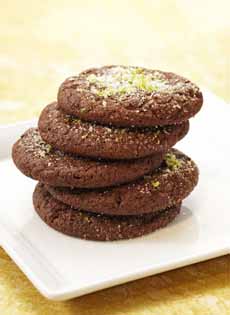
    Cocoa Ancho Butter Cookies
    [2] Butter cookies can be flavored in many ways. Check out these Coco-Ancho Chile Butter Cookies. Here’s the recipe from Cook’s Recipes.

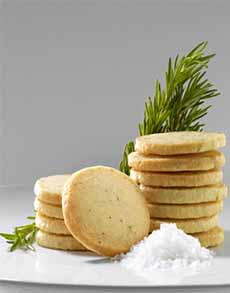
    Two Stacks Of Shortbread Cookies
    [3] The most buttery cookie is shortbread (photo © Lark Fine Foods).


    CHECK OUT WHAT’S HAPPENING ON OUR HOME PAGE, THENIBBLE.COM.


    Comments off

    RECIPE: Ceviche & Ceviche Lettuce Cups

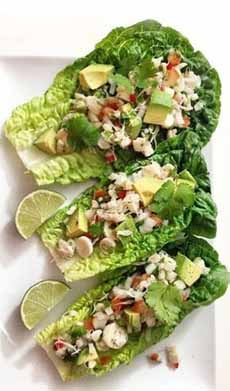
    Ceviche Wraps
    [1] Ceviche in lettuce cups (photo © The Chalk Board Magazine).

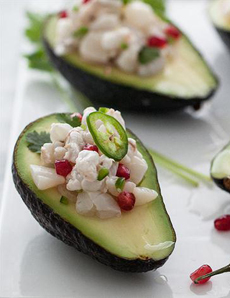
    Ceviche Stuffed Avocado
    [2] Want something more substantial? Fill an avocado half: Here’s the recipe (photo © Avocados From Mexico).

    Ceviche MartinI Glass
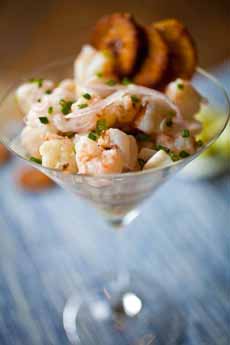
    [3] Want something more elegant? Get out your Martini glasses (photo © Elegant Affairs Caterers).

    Ceviche Grilled Lime
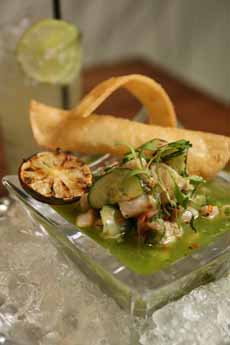
    [4] Ceviche with a fried plantain garnish from Chef Todd English (photo © MXDC Cocina Restaurant | D.C.).

      A light lunch or first course on a hot summer day…high in protein, low in calories and carbs…a fusion of a popular seafood dish and lettuce “cups…” It’s ceviche lettuce cups (photo #1).

    Originally made as a “vegan ceviche” recipe from The Chalkboard Magazine, we adapted the concept to a mix of fresh fish and shellfish (the mix is up to you).

  • Freshwater or saltwater fish
  • Crustaceans: crab, lobster, shrimp
  • Mollusks: clams, mussels, octopus, oysters, scallops, squid
  •  
    > The recipe for ceviche lettuce cups is below.

    > Ceviche vs. tiradito.

    > Why ceviche is good for you.

    > What to drink with ceviche.

    > More ceviche recipes.
     
     
    WHAT IS CEVICHE?

    Ceviche (pronounced say-VEE-chay, also spelled cebiche, seviche, and sebiche based on region—the Spanish pronounced a “v” as “b”) is a dish of fish and/or shellfish cured by acidic citrus juice—typically lime juice. It includes onions and other vegetables.

    It has been popular in Latin America for many centuries: It’s one of the national dishes of Peru, and its roots go back for millennia.

    In the early 1500s, the Spanish conquistadors wrote of an Inca dish of raw fish marinated in chicha, a fermented maize beer. That recipe dates back some 2,000 years.

    Other curing methods used tumbo (Passiflora tarminina, a relative of passionfruit), or salt and fermented corn.

    The concept evolved into ceviche: raw fish or shellfish cured with citrus juice. Over time, fruits were incorporated; most popularly, tomatoes (native to Peru) and mango.

    A chemical process occurs when the fish/shellfish is marinated in the highly acidic citrus juice, which denatures the protein. The result is similar to what happens when the fish is cooked with heat. Instead of “cooking,” however, the fish is cured in the marinade, which adds its own delicious flavors.

    Both Ecuador and Peru claim to have originated ceviche; both were part of the Incan Empire. But why quibble: Today, ceviche—or seviche or sebiche—is so popular that there are cevicherias, restaurants that specialize in ceviche.

    The Spanish brought to Peru the limes, onions, and bell peppers that are integral to modern ceviche. In fact, the term “ceviche” is thought to come from the Spanish escabeche, meaning marinade. Others argue that the word comes from the Quechua (Incan) word siwichi [source].

    Ceviche is found in almost all restaurants on the coast of Peru, typically served with camote (sweet potato, which originated in Peru). It has been called “the flagship dish of coastal cuisine,” and is one of the most popular dishes in Peru [source].

    June 28th is National Ceviche Day.
     
     
    TYPES OF RAW FISH DISHES

    Ceviche is part of a group of refreshing raw or cured fish dishes, including:

  • Crudo, thinly-sliced raw fish, typically drizzled with olive oil (Italy). It is served at room temperature or slightly chilled. Carpaccio refers to raw fillet of beef, not fish.
  • Escabeche is not raw, but seared fish (or meat) that is then marinated. As with ceviche, it is always an acidic marinade, with herbs and spices. It is served chilled or at room temperature, like ceviche.
  • Poke, a raw fish salad, typically with cubed fish and raw vegetables (Hawaii). It is served at room temperature.
  • Sashimi, thicker than crudo, rectangular cuts of raw fish, typically served with soy sauce, wasabi and pickled ginger (Japan). It is served at room temperature.
  • Tartare, an adaptation of steak tartare, chopped and seasoned fish (France). It is served at room temperature.
  • Tataki is a fillet of fish that is lightly seared. Just the surface is cooked, with the interior of the fillet eaten in its raw state (Japan).
  • Tiradito, raw fish cut in a shape similar to crudo, in a spicy sauce (Peru—it reflects the influence of Japanese immigrants on Peruvian cuisine). It is served at room temperature or slightly chilled
  •  
    Mix & Match

    As with the other dishes, ceviche welcomes almost every type of fish and shellfish. You can also vary the:

  • Marinade
  • Garnishes
  • Presentation (photos #2 and #3)
  •  
    > Here’s the master template for how to create your ideal ceviche recipe.

    > Here are more ways to present ceviche.


    RECIPE: CEVICHE LETTUCE CUPS

    Bibb and butter lettuces turn into natural “cups,” while baby romaine leaves are sturdy and can be picked up to eat by hand (the different types of lettuce).

    Ingredients

  • Shrimp ceviche recipe or recipe of choice
  • Baby romaine bibb lettuce, separated into leaves
  •  
    Garnishes

  • Cilantro, minced
  • Avocado, small dice (substitute mango)
  • Lime wedges
  • Optional: pomegranate arils
  • Cracked black pepper
  • Salt (while salt will be in the marinade, a pinch of pink Himalayan sea salt or other flavored salt is an attractive garnish)
     
    Accompaniments

    You don’t need anything more with the ceviche, but popular accompaniments include:

  • Chinese fried noodles
  • Inka corn (cancha), popular in Peru
  • Plantain chips (photo #3) or yucca chips
  • Popcorn (served with Ecuadorian ceviche)
  • Saltines (served with hot sauce in Panamanian ceviche)
  • Tortilla chips
  • Vegetable chips
  •  
    Preparation

    1. PREPARE the ceviche and keep it in the fridge. You can do this a day in advance. When ready to serve…

    2. PREPARE the lettuce leaves: wash and pat dry. Fill each leaf with a scoop of ceviche.

    3. GARNISH as desired.


    CHECK OUT WHAT’S HAPPENING ON OUR HOME PAGE, THENIBBLE.COM.


    Comments off

    Food Fun, Food Beauty: Decorated Goat Cheese Logs

    Updated August 2026

    August is National Goat Cheese Month.

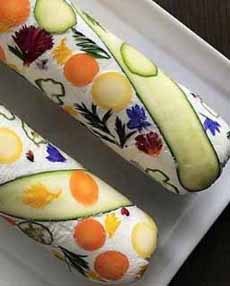
    All you need is a sharp knife and a peeler or mandoline to decorate goat cheese logs the way John Karangis does.

    Karangis is the executive chef at Union Square Events, and his job is to present dazzling foods.

    Yet, this particular dazzler does not require culinary school.

    Below:

    > Make this beautiful goat cheese log.

    > Seasonal decorations.

    > Garnishing with dill and other “feathery” herbs.

    Elsewhere on The Nibble:

    > The history of cheese.

    > The different types of cheese: a photo glossary.

    > 10 different ways to use goat cheese.

    > A goat cheese crottin for dessert.

    > Recipe: goat cheese ice cream. It’s delicious.

    > The year’s 30 goat cheese holidays.

    > The history of edible flowers and the different types you can eat.
     
     
    RECIPE: DECORATED GOAT CHEESE LOGS

    Ingredients

  • Goat cheese log(s)
  • Baby carrots (ideally the tricolor assortment)
  • Baby zucchini, summer squash or cucumber
  • Edible flowers (two different types, or a mixed selection)
  • Fresh dill or other feathery herb
  • Fresh cilantro, parsley or thyme
  • Gherkin-size cucumbers
  •  
    If your crowd likes hot and spicy, add narrow red chiles like birds-eye or cayenne; or sprinkle some red pepper flakes.

    For the holidays, you can create a seasonal look with strips of pimento or minced peppadew, rosemary leaves, golden raisins (sultanas) and pink and green peppercorns.

    See the seasonal variations below.
     
    Preparation

    1. SLICE the vegetables as thinly as possible, ideally using a mandoline. The zucchini or summer squash should be sliced into vertical ribbons; leave the peel on. Slice everything else in circles, horizontally.

    2. SNIP the herbs as shown in the photo. Pull the petals off the flowers.

    3. CREATE your own piece of edible art. To adhere the vegetables on top of the ribbons, use water to moisten.


    Decorated Goat Cheese Log
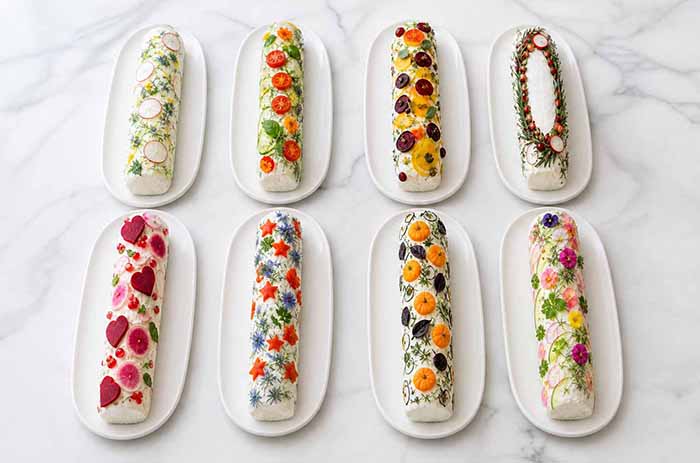
    [1] Decorated goat cheese logs (photos © Chef John Karangis).

    Goat Cheese With White Wine
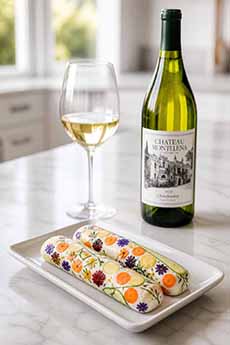
    [2] We like to serve them with a great California Chardonnay (photo © The Nibble).

    A Plate Of Edible Flowers
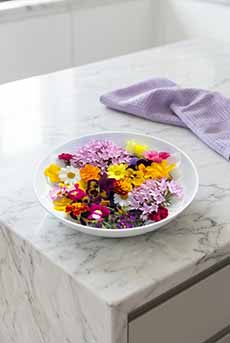
    [3] Edible flowers aren’t particularly flavorful, but they certainly add beauty to a plate (photo © The Nibble).

     
    Decorated Goat Cheese Logs
    [4] Decorations for every season (photo © The Nibble).
     
    SEASONAL DECORATIONS

    A goat cheese log is an especially good canvas for seasonal decoration. Use very thin slices of vegetables, tender herb leaves, edible flowers, and finely grated citrus zest; gently press them into the softened cheese before chilling. It’s that simple!

    Spring/Easter

  • Veggies and herbs: Use a pastel palette—pale green, yellow, lavender, and pink. Examples: asparagus tip slivers, carrot ribbons or multicolored carrot coins, chervil, dill, lemon zest, pea shoots, radish rounds or half-moons, small mint leaves.
  • Edible flowers: Calendula petals, tiny pansy blossoms, yellow violas.
  •  
    Summer

  • Veggies and herbs: Cucumber or zucchini ribbons; herbs—basil, dill, chervil, or fennel fronds; lemon and orange zest for bright citrus color; shaved raw summer squash; slices of yellow and red cherry tomato
  • Edible flowers: Borage, cornflowers, nasturtiums, or violas.
  •  
    Autumn/Thanksgiving

  • Veggies, herbs, and fruits: Use warm, earthy, harvest colors—dried cranberries, sliced in half; beets (very thin coins or half-moons of candy-stripe beet, golden beet, and red beet; orange zest; pomegranate arils; shaved carrot and delicata squash ribbons; tiny leaves of sage and thyme; toasted pumpkin seeds.
  • Edible flowers: Marigolds (deep copper, burnt orange, and golden-yellow hues) followed by chrysanthemum petals. For Halloween: nasturtiums in dark mahogany or deep orange with violas in deep purple/black.
  •  
    Christmas/Winter Holidays

    You could create a wreath effect by clustering rosemary, thyme, and sage along the edges, with pomegranate “berries” scattered throughout. Whatever you choose, make it a classic red, green, and white combination.

  • Veggies, herbs, and fruits: Herb leaves (flat-leaf parsley leaves, rosemary tips, thyme, sage leaves or chiffonade), pomegranate arils, radish slices; roasted red pepper, finely diced.
  • Edible flowers: A few small edible white flowers.
  •  
    Hannukkah

    For a palette of blue, white, gold, and green:

  • Veggies, herbs, and fruits: Blue/purple potato slices, very thinly shaved and blanched; dill and parsley; lemon zest; white radish, thinly sliced; yellow beet or carrot coins.
  • Edible flowers: Blue cornflowers or borage flowers.
  •  
    Fresh Dill & Other Feathery Herbs
    [5] Garnishes for every season! To make the pumpkins, see the †footnote (photo © The Nibble).
     
    GARNISHING WITH DILL

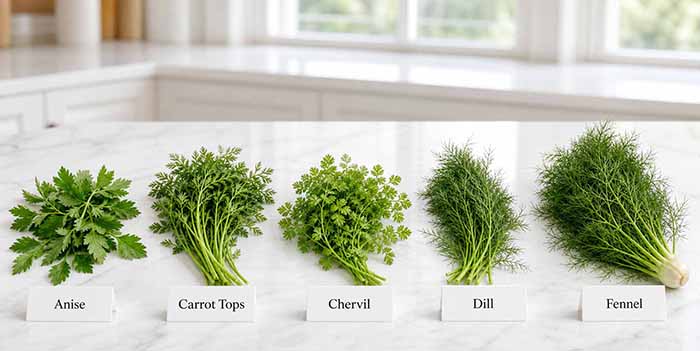
    “Feathery” dill is a popular herb for decorating. Here are some others:

    Fennel. The most feathery herb after dill is fennel. Fennel fronds look nearly identical to dill: fine, delicate, and bright green. They flavor is distinctly anise or licorice, rather than the tangy, grassy profile of dill. TIP: If you’re using the fennel bulb in a recipe, save the fronds to decorate anything else at the meal—or tomorrow’s meal.

    While fennel is the first-choice substitute, the second runner-up is something that most people throw away:

    Carrot tops: While technically a vegetable byproduct, the leafy tops of carrots are very feathery and edible. They have a flavor profile that sits somewhere between parsley and celery. Check out these 10 delicious uses for carrot tops.

    Other feathery or lacy herbs to consider:

    Anise: The leaves of the anise plant are quite feathery and pinnate, though the plant is more famous for its seeds.

    Chervil: Often described as a more delicate cousin of parsley, it has lacy, fern-like leaves. It’s a staple in French cuisine (one of the fines herbes*, along with chives, Italian [flat] parsley, and tarragon) and has a faint taste of anise and parsley.

    Yes, there’s always parsley, but as a garnish, it’s been done to death.

    ________________
     
    *Fines herbes are very delicate, unlike bouquet garni, which usually contains heartier, woody herbs like bay leaf, rosemary, meant for long simmering. Fines herbes are almost always chopped together very finely and added at the very end of cooking—or used as a fresh garnish—to prevent their volatile oils and bright colors from being lost to high heat. Their most famous use in the classic Omelette aux Fines Herbes, but they are also the standard seasoning for light butter sauces, poached fish, and spring vegetables.

    †To create the tiny “pumpkins”: Round the edges of a 1″ or thinner carrot coin with a paring knife and hand-carve little notches into the top to give it a pumpkin silhouette. For the stem use a tiny snippet of a fresh parsley stem or a snippet of chive.
     

    CHECK OUT WHAT’S HAPPENING ON OUR HOME PAGE, THENIBBLE.COM.


    Comments off


    © Copyright 2005-2026 Lifestyle Direct, Inc. All rights reserved. All images are copyrighted to their respective owners.