THE NIBBLE BLOG: Products, Recipes & Trends In Specialty Foods


Also visit our main website, TheNibble.com.

TIP OF THE DAY: Red Licorice For Chocolate-Covered Anything Day

Christmas Twizzlers

Chocolate Covered Licorice

Christmas Candy Cake
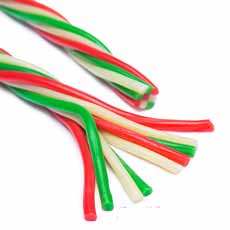
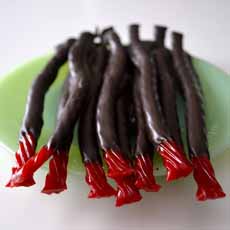
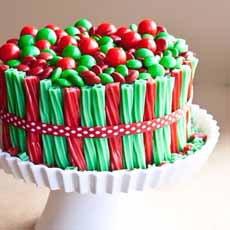
[1] These Christmas Twizzlers are available at Target and elsewhere (photo courtesy Candy Warehouse). [2] You can buy the artisan version from confectioners. These are sold on Etsy by Nicole’s Treats. [3] Wowsa: a kid’s fantasy Christmas Cake from Cake Whiz. Underneath: a chocolate cake with buttercream frosting.

  December 16th is Chocolate-Covered Anything Day.

We love chocolate-covered apples-on-a-stick, bacon strips, berries, citrus peel, cookies, dried fruit (apricots and figs are our favorites [sorry, raisins]), graham crackers, gummies, ice cream pops, maraschino cherries, marshmallows, nuts, orange segments, popcorn, pretzels and potato chips. You can buy them or make them.

What we haven’t tried:

Chocolate-covered baby octopus, calamari, carrots, insects, Cheetos, corn dogs, edamame, garlic, jalapeños, jerky, kimchi and seaweed (from Korea), mashed potatoes (a Paula Deen recipe), onions, pickles, roses (real roses on their stems!), Slim Jims and wasabi peas.

One source even recommended dipping these latter items in chocolate fondue!

So today’s proposal, chocolate-covered licorice, should not sound far out. For licorice lovers, it’s quite a tasty variation.

While it’s the week before Christmas and we propose a red-and-green theme, you can use this easy recipe for any holiday where the licorice stick colors work (black, brown, green, orange, purple, red, yellow-green, etc. (Check out the colors at Candy Warehouse.)
 
CHOCOLATE-COVERED CHRISTMAS LICORICE

Twizzlers makes red, green and white twist (photo #1), which you can find at Target, Candy Warehouse and elsewhere.
 
RECIPE: CHOCOLATE COVERED LICORICE
(OR OTHER CONFECTION)

Ingredients

  • Red licorice sticks (soft, not stale)
  • White chocolate chips or chopped white chocolate bar
  • Green food color
  • Optional: red and green sprinkles, confetti or other decorations (we had gold and white dragées at hand)
  •  
    Preparation

    1. CUT the licorice sticks in half. You can skip this step, but the half-sticks are easier to eat, and more size-appropriate when covered in chocolate.

    2. MELT the white chocolate in the microwave. We used a pie plate, which makes it easy to dip the licorice.

    3. TINT the white chocolate green. If you like, you can keep some of the batch white for drizzling over the green chocolate.

    4. DIP the licorice and set on wax paper to dry.

     
    TIP #1: We used sugar tongs. Ours have a serrated gripping edge.

    TIP #2: If you plan to store the licorice for a few days or longer, cut the wax paper in sizes that fit into the container. Then, just lift the wax paper and pop the sheet(s) into the storage container.

    5. DRIZZLE the optional white chocolate or add the sprinkles promptly, before the chocolate sets. If not using the same day…

    6. STORE in an airtight containe. We used our Le Creuset red rectangular baking dish, which makes a beautiful presentation; but you can use any baking pan and plastic wrap. Store at room temperature.
     
    WHY IS LICORICE PRONOUNCED LICORISH?

    The Scots pronounce it “licoriss,” from the Old French “licoresse.” In England and the U.S., it is “licorish.” Here are two theories as to why:

  • The phoneme may have shifted from /s/ to /sh/, as happened with the words “pressure” and “sugar.”
  • A 1685 spelling of “licorish” in England leads to speculation is that this pronunciation originated in a regional dialect of English, which changed many final “s” sounds to “sh.”
  •  
    The history of licorice.


    Comments off

    TIP OF THE DAY: Christmas Salads

    As we close in on Christmas, we like to “Christmas-ize” our food, adding red and green garnishes to everything from scrambled eggs (green and red bell peppers or jalapeños) to desserts (mint leaves and raspberries).

    We have fun looking for a different red and green combination at every meal.

  • For sandwiches, we add a plate garnish of lettuce, baby spinach or baby arugula and cherry tomatoes*, which can easily be moved onto the sandwich.
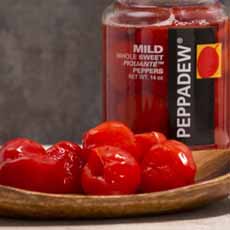
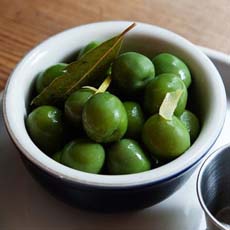
  • For an olive garnish, we use the bright green Castelvetrano olives and bright red peppadews.
  •  
    Last year’s red and green food recipes include:

  • Christmas tartare: salmon or tuna
  • Christmas scallop crudo
  • Christmas sushi
  • Goat cheese rolled in dried cranberries and pistachio nuts
  • Pinwheel sandwiches
  • With cocktails,red and green pinwheel sandwiches
  •  
    Today, we suggest a red and green “Christmas salad.”

    The popular Caprese Salad is certainly red and green enough, but in the winter, when conventional tomatoes are out of season, you need to substitute: cherry or grape tomatoes, marinated sundried tomatoes, peppadews, pimientos (jarred red peppers), red bell peppers, etc.

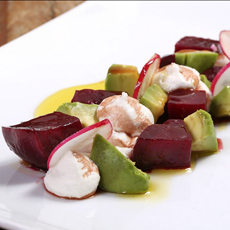
    You can serve something as simple as a beet and avocado salad. No prep is required, beyond slicing the avocado. The peeled, cooked ready-to-eat beets from Love Beets and other brands are terrific.

    Then, just assemble the first three ingredients and drizzle the dressing (or place the dressing on the plate first).

  • Beets
  • Avocado
  • Mozzarella balls (ciliegine, perilii or other size
  • Balsamic vinegar and good olive oil (you can blend them into a vinaigrette)
  • Optional garnish: microgreens
  •  
    Or, make a green salad from:

  • Cherry or grape tomatoes, whole or cut in hale
  • Radicchio or red endive
  • Radishes
  • Red bell pepper, sliced horizontally (we also use the mini bell peppers, bagged in mixed colors)
  • Red chile slices:
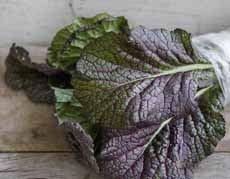
  • Red lettuce, chard, mustard greens
  • Red chile slices, from mild to hot
  •  
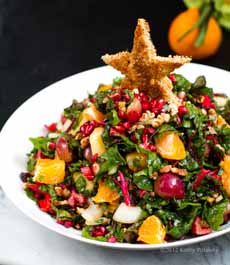
    Whatever salad you choose, take this tip from KBlog: cut slices of toast into star shapes with a cookie cutter, and top your salad with a big star. Starfruit (carambola) also works.
     
    SALAD HISTORY: WHY IS IT CALLED “SALAD” IF THERE ARE NO SALAD GREENS?

    The original meaning of salad in European cuisine referred to a cold dish consisting of vegetables—lettuce, tomatoes, and cucumbers—topped with a dressing. Sometimes it containing seafood, meat, or eggs (think egg salad, tuna salad, etc.).

    The modern word, which entered Middle English around 1350-1400, derives from the French salade, which dates back to the Latin salata, salty. Since Roman times, vegetables were seasoned with brine or salty oil-and-vinegar dressings.

    The ancient Greeks and Romans alike ate mixed greens with dressing. Salads, both layered and dressed, were made popular in Europe by Roman imperial expansion (27 B.C.E. to 284 C.E.)

    In the 1699 book, Acetaria: A Discourse on Sallets, John Evelyn attempted with little success to encourage his fellow Britons to eat fresh salad greens. (You can still find reprints in hardcover and digital versions.

       
    Beet Salad
    beets-avocado-ricotta-radish-marsalareduction-bar-eolo-230sq

    Star Crouton On Salad
    Christmas Salad
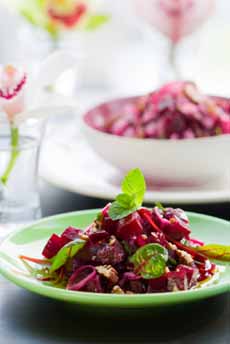
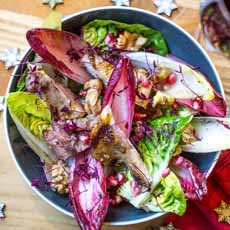
    [1] Beet salad with red pickled onions and green accents (photo Sarsmis | IST). [2] Another beet salad, green with avocado and a balsamic reduction (photo courtesy Bar Eolo | NYC). [3] Kathy Patalsky of KBlog.LunchboxBunch.com tops her Christmas Tree Salad with a star-shaped toast crouton. Here’s her recipe. [4] Red endive and leafy lettuce with candied walnuts, from Gordon Ramsay.


    MODERN SALADS

    In the U.S. and Europe, salads of mixed greens salads (“green salads”) became popular in the late 19th century, and the concept expanded to Asia and other regions of the world.

    The term “salad bar,” referring to a buffet laid out with salad-making ingredients so customers could make their own, seems to date to the 1960s. Restaurants in different parts of the country lay claim to its invention, including New York City’s Steak & Ale and Hawaii’s Chuck’’s Steak House. The attraction was the ability to customize one’s salad—and eat as much as you wanted (more history).

    In truth, for centuries inns and boarding houses placed the food on a buffet for guests to help themselves (the “board” from “room and board”).

    ________________
    *When tomatoes are out of season, cherry and grape tomatoes, raised in hothouses, have the best flavor. You can Substitute marinated sundried tomatoes, pimiento, red bell pepper, etc.

    †The phrase is found in Shakespeare’s Antony and Cleopatra at the end of Act 1, when Cleopatra regrets her youthful dalliances with Julius Caesar: “…My salad days, / When I was green in judgment, cold in blood…”.


    Red Mustard Greens

    Peppadews

    Castelvetrano Olives
    [5] Look for specialty salad greens like red mustard greens and chard (photo courtesy Good Eggs | SF). [6] Peppadews (photo courtesy Murray’s Cheese). [7] Castelvetrano olives (photo courtesy The Maiden Lane | NYC).


    Mary, Queen of Scots (1542-1587) enjoyed salads of boiled celery root over greens. covered with creamy mustard dressing, truffles, chervil, and slices of hard-boiled eggs.

    The phrase “salad days,” meaning a “time of youthful inexperience,” i.e. a young person who is “green,” was coined by Shakespeare†, in 1606.

    Today, salads range far beyond the green salads (garden salads) of the 20th century—a concept so prevalent that in the U.S., the word salad unmodified (i.e., corn salad) refers to a green salad with torn, bite-size lettuce and other ingredients cut into small pieces.

    But there other options that are rightfully called “salad”:

  • Various dishes made with beans and legumes, bread, cheese, eggs, fruit, meat, pasta, seafood, vegetables and starches (green beans, potatoes, grains) and more; in any combination; tossed, topped or “bottomed‡” with a dressing and served cold.
  • Ingredients cut in different shapes: sliced, diced, chopped, shredded, etc.
  • Dressings range from vinaigrettes and creamy dressings, seasoned with everything from mustard to sriracha.
  •  
    Most salads are served cold, although warm vegetable salads are not uncommon, and classics such as German potato salad have always been served warm.
     
    Salads can be served at any point during a meal:

  • Appetizer salads: Light salads that stimulate the appetite serve as the first course of the meal.
  • Side salads: These can accompany the main course as a side dish, or be served after it as the “salad course.”
  • Main course salads: Served for lunch or a light dinner, these containing a protein: cheese, hard-boiled egg, sliced beef, chicken breast, ham, or a combination, like Chef’s Salad or Cobb Salad.
  • Palate cleansing salads: Refreshing ingredients lime citrus segments, herbs or a combination can be used to “settle the stomach” after a heavy main course. Sorbet is another effective palate cleanser.
  • Dessert salads: Mixed fruits, gelatin with fruit, whipped cream or mascarpone and other ingredients can be garnished with cacao nibs, fruit coulis (a light purée), pomegranate arils, sweet dressing (e.g. honey-based, lemon poppyseed), sweet herbs (basil, lavender, mint, rosemary, star anise), toasted coconut, etc.).
  •  
    MORE CHRISTMAS SALAD IDEAS

    Salad Snack Tree

    Christmas Stuffed Avocado

     
    ________________
    ‡Instead of topping the salad with dressing, it’s trendy to cover the plate with dressing and place the salad on top of it.


    Comments off

    TIP OF THE DAY: Make Cookie Spread, a.k.a. Cookie Butter

    Biscoff Spread Jar

    Speculoos Spread

    Cookie Butter

    Tumbador Cookie Butter
    Nuts & More Cookie Butter
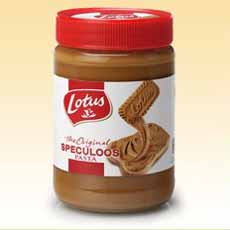
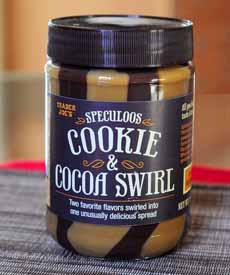
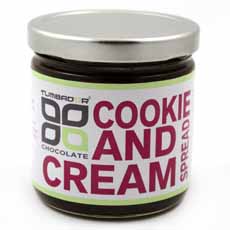
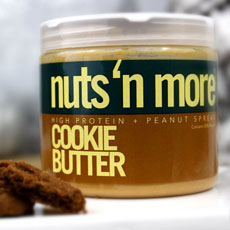
    [1] The original Biscoff Spread, used for filling cookie sandwiches at Picky Palate. [2] The European name for Biscoff Spread is Speculoos (photo courtesy Dutch Shop). [3] Trader Joe’s three private label versions include original, crunchy and cocoa swirl (photo courtesy Baking Bites). [4] A favorite flavor, from Tumbador Chocolate. [5] Even health food stores sell cookie butter—as a protein boost (photo courtesy Nuts & More).


    Where did the cookie butter craze originate? In Belgium!

    THE HISTORY OF SPECULOOS SPREAD (CALLED BISCOFF SPREAD IN THE U.S.)

    Cookie spread or cookie butter began as an entry in a contest sponsored by Belgium-based Lotus Bakeries.

    Lotus is the maker of Speculoos (spice) brand cookies, known the world over (and called Biscoff in some countries). Els Scheppers, a contestant on the reality show The Inventors (De Bedenker), pulverized the cookies and mixed them into “the original speculoos pasta*.”

    It wasn’t that far-fetched an idea, but it was a great one. Belgian parents (including Scheppers) were already making sandwichs of buttered bread, the butter topped with crushed Biscoff cookies.

    She didn’t win the contest, but Lotus Bakeries approached her to obtain the exclusive rights to sell the Biscoff spread.

    They are actually called speculoos (spice) cookies in Europe, but the name was deemed too hard for Americans to pronounce. Because the biscuits were so popular with coffee, the cookies were rebranded as Biscoff for the U.S. market. (It may look like peanut butter, but it’s nut-free.)

    After its arrival on these shores, companies large and small jumped on the bandwagon. Home cooked created Biscoff cupcakes with Biscoff frosting (here’s the recipe).

    Hershey’s and other large companies made cookie spreads. They were made in conventional cookie flavors, plus Chocolate Macaroon and Pumpkin Spice.

    Even health-oriented stores sell it, manufactured from Nuts & More, a company that got Shark Tank funding. Their “High Protein + Peanut Spreads” include Toffee Crunch and White Chocolate, among other flavors.
    ________________
    *Pasta is derived from the Latin word for paste. In Europe it is used to describe foods from spaghetti (a paste of flour and water) to meat loaf (a paste of ground meat and fat to the fruit squares (pâte de fruit) that we call fruit gels.

     
    COOKIE SPREAD/BUTTER VERSUS NUT BUTTER

    Before we go further, let us emphasize that cookie butter is not a substitute for peanut [or other nut/seed] butter.

    They may be touted as alternatives to nut butters, but that’s only in spreadability, not in nutrition. They are better compared to chocolate spreads. To avoid confusing consumers, all of the cookie-based spreads should be called cookie spreads, not cookie butters.

  • Natural nut butters are simply ground nuts and a bit of salt. Supermarket brands often add caloric sweetener, vegetable oils and stabilizers (mono and diglicerides
  • Nut butters have protein and fiber. Cookie butters do not—unless they so specify.
  • Large brands of nut butters have been headed in the direction of cookie butter (actually, it’s vice versa), with chocolate swirl and other flavors.
  • Nutella, a hazelnut and chocolate spread, is not much more nutritious than cookie butter. It has some protein fiber from the hazelnuts but lots of sugar. On their website, sugar is listed as the first ingredient, followed by palm oil. The two “good” ingredients, hazelnuts and cocoa powder, are third and fourth.
  •  
    MAKE YOUR OWN COOKIE SPREAD

    You can use any cookie that can be ground into a powder. This leaves out oatmeal raisin (but plain oatmeal is OK), chocolate chip, anything with nuts or a filling. Don’t despair if this eliminates your favorite: You can add these “textured” ingredients as mix-ins after the butter/spread is blended.

    Some options:

  • Biscoff or other spice cookies
  • Famous Chocolate Wafers or bake your own
  • Ginger snaps
  • Graham crackers
  • Oatmeal cookies
  • Peanut butter cookies
  • Sugar cookies, snickerdoodles
  • Swedish thin cookies (Annas Swedish Thins, Cookie Thins, Moravian Cookies, etc.)
  • Vanilla wafers
  •  
    You can add in anything else that can be smoothly blended or ground:

  • Cocoa powder
  • Flavored extracts
  • Nuts (chopped is better)
  • Purées (e.g. pumpkin for the holidays)
  • Small candies and baking products, e.g. mini chips, mini M&Ms
  • Spices
  •  

    RECIPE: COOKIE SPREAD OR COOKIE BUTTER

    You can keep the spread in the fridge for 14 days, maybe more. If you’re giving it as a gift, note the expiration date on the label.

    If you want to make a homemade version of Biscoff Spread, here’s a recipe.
     
    Ingredients Per 14-Ounce Batch
     
    For The Spread

  • 2 cups (8 ounces) cookie crumbs
  • 2 tablespoons white granulated or light brown sugar
  • 1/3 cup heavy cream, plus more if desired
  • 1 tablespoon unsalted butter, melted
  • Optional: 1/2 teaspoon pure vanilla or other extract
  •  
    For The Mix-Ins

  • 1/2 to 1 cup of whatever you like
  •  
    For Serving

  • Assorted cookies, biscuits, toasts, whatever
  •  
    You can serve just one type of cookie; but a selection is more fun.
     
    For Gift-Giving

  • Mason jar or other tightly-lidded container
  •  
    Preparation

    1. GRIND the cookies in a food processor until very fine. Measure out 2 cups.

    2. ADD the crumbs back into the food processor along with the cream, butter and sugar; process until well combined. If the dip is too thick for you, add cream a bit at a time to thin it.

      Oreo Cookie Butter

    Biscoff Cupcake & Frosting
    [6] Make cookie spread gifts and party favors (photo courtesy The Cottage Market). [7] Consider double-cookie-spread cupcakes. Sweet As A Cookie went all the way and created this recipe with Biscoff spread in both.

     
    3. BLEND in your choice of mix-ins. Put in a jar in the fridge. To serve, bring to room temperature spreadability.

    We couldn’t sign off without showing you this Biscoff Cheesecake.
      

    Comments off

    GIFT OF THE DAY: White Chocolate Polar Bears

    White Chocolate Bears

    White Chocolate Polar Bears

    Mom, dad and the kids are adorable…but not too adorable to eat! Photos courtesy Woodhouse Chocolate.


    They may be too old for Teddy bears and Winnie The Pooh, but no one is too old for these chocolate polar bears from Woodhouse Chocolate of Napa Valley, one of our favorite chocolate artisans.

    Give just one bar or the whole family—all with your choice of red or blue snowflake medallions around their necks:

  • Five-inch tall chocolate bear, $12.00
  • Ten-inch tall chocolate bear, $32.00
  •  
    To get a bear, point your mouse to WoodhouseChocolate.com

    John Anderson of Woodhouse Chocolate was a vintner for 20 years before he became a chocolatier. So next up:

    WINES TO SERVE WITH WHITE CHOCOLATE

    From California

  • Fruity Chardonnay
  • Muscat
  •  
    From Europe

  • Gewürtztraminer: (Alsatian and German varieties have more sweetness than American versions
  • Liqueurs: cream liqueurs, creme de cacao, or fruit liquer
  • Mas Amiel: Vintage Blanc, from southwestern France
  • Muscat: (French) or Moscato from Italy
  • Riesling:: Alsatian (late harvest) or German Riesling: Spätlese, Auslese, Beerenauslese, Eiswein (ice wine)
  • Sherry: Amontillado, Brown, Cream or Pale Cream, East India, Moscatel, Oloroso, Pedro Ximénez (PX)
  •  
    DON’T FORGET THE SWEETER BUBBLIES

  • Asti Spumante, a sweeter sparkler from the Piedmont region of northwest Italy
  • Brachetto d’Acqui, an Italian sparkling rosé from the Piedmont region Italy
  • Champagne labeled sec, demi-sec or doux
  • Prosecco and Valdobbiadene from the Treviso area of northeast Italy
  • Other Italian sparkling wines labeled dolce or amabile
  •  
    If you need assistance in the wine department, don’t hesitate to ask one of the staff. That’s what they’re there for.
     
    CHECK OUT OUR ARTICLE ON PAIRING WINE WITH CHOCOLATE.
      

    Comments off

    RECIPE: Jewish Chicken & Matzoh Ball Soup Soup


    In the 1970s, one of the most beloved subway advertising campaigns in New York City was, “You don’t have to be Jewish to love Levy’s real Jewish rye.”

    Each poster or print ad in the campaign featured African-Americans, Asians, choir boys Irish cops, Italian grandmothers and WASPs, enjoying a slice of the rye bread (see photo #4 below).

    The pitch was successful in getting non-Jews to buy—and become fans of—the style of rye bread loved by the Jewish community: a light rye bread with caraway seeds.*

    It was so popular, that some 45 years later, it is referenced by advertising professionals, professors, journalists and consumers. You can purchase full-size posters of your favorites from AllPosters.com).

    We’d like to adapt the rye bread campaign to chicken soup.

    While Campbell’s chicken noodle soup is the #1 canned soup in the U.S., often tied with Maruchan chicken ramen noodle soup, in our humble opinion there’s nothing like Jewish chicken soup.

    The latter is not easily found in cans, except for Manischewitz Matzo[h] Balls in Chicken Broth, which we assure you, can’t hold a candle to the recipe below.

    So our tip of the day is: Step beyond your usual chicken soup and go for the gold.
     
     
    RECIPE #1: CHICKEN SOUP WITH MATZOH BALLS

    Make the soup a day in advance so the flavors can meld. We increase the amount of vegetables to enjoy larger portions of them in our soup.

    Ingredients For 4-6 Servings

  • 3-1/2 to 4 quarts water
  • 1 large onion, sliced (or chopped if you prefer)
  • 5 large carrots, in 1/2-inch coins
  • 4-5 large celery ribs, chopped (we prefer chunky)
  • Optional: 3 turnips, in 1/2-inch coins
  • 4 garlic cloves, peeled
  • 3 tablespoons minced fresh dill‡
  • 3 tablespoons minced fresh parsley‡
  • 1 4-5 pound chicken, quartered or cut into 8-10 pieces, skin removed†
  • 1 teaspoon whole peppercorns
  • 1 tablespoon salt
  •  
    ________________

    *Food trivia: Dark, unseeded rye bread is called pumpernickel. It is made from coarse rye flour and has a very long baking period, which gives the bread its characteristic dark color.

    †Removing the skin cuts down on much of the fat, which most people have to skim off later. Also, boiled chicken skin is not a particular treat.

    ‡We often tie a half bunch of dill and a half bunch of parsley with kitchen string and add them to the pot. We pull them out when the soup is done, and then use the rest of the dill and parsley to snip onto the bowls of soup as a garnish.
    ________________
     
    Preparation

    1. ADD the water to a 6-quart pot, filled by the other ingredients. Bring to a boil, skim any foam, reduce heat and simmer, covered, for 3 hours. Taste and adjust seasonings.

    2. REMOVE the cooked chicken from the pot and cut off the bone. You can shred it or slice it, as you prefer. Refrigerate.

    3. MAKE the matzoh balls per the recipe below (you can also do this a day in advance).
     
     
    RECIPE #2: MATZOH BALLS

    We were brought up with light-as-a-feather, soft matzoh balls. Our mother referred to firm matzoh balls as rocks.

    But it’s a matter of preference.

    If you only have one large pot, make the matzoh balls first. You can store them in another container in the fridge, and the pot will be free to make the soup.
     
    Ingredients For Soft Matzoh Balls

  • 4 large eggs
  • 1 teaspoon kosher salt
  •  

    Jewish Chicken Soup
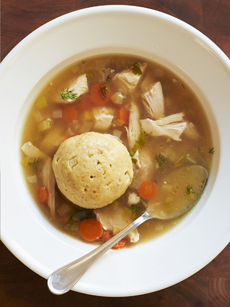
    [1] The way we like it: lots of vegetables, lots of chicken and matzoh balls (photo © Food Network, from an Andrew Zimmern recipe).

    Matzoh Ball Soup
    [2] Some gourmets add wild mushrooms and truffles instead of carrots and celery and serve crostini with pâté de foie gras, but we’re happy with these chopped liver crostini (photo © David Burke | Fabrick | NYC; here’s the recipe).

    Italian Matzoh Ball Soup
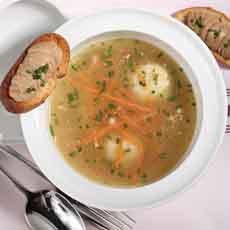
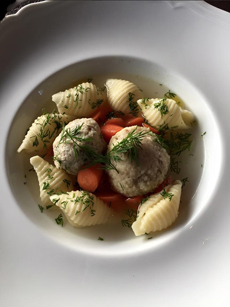
    [3] From a Jewish Italian grandmother: pasta, of course. Our grandmother (not Italian) and others often added fine egg noodles (photo © Lincoln Ristorante | NYC).

    You Don't Have To Be Jewish To Love Levi's Real Rye Bread

    [4] One of several beloved posters of a 1970s ad campaign for Jewish rye bread (photo © AllPosters.com).

  • 4 tablespoons melted schmaltz (chicken fat; substitute canola oil)
  • 1 cup matzoh meal (unsalted)
  • 1/4 cup seltzer water
  • 1 teaspoon kosher salt
  • 3 tablespoons minced chives or scallions
  • 3 tablespoons minced fresh dill‡
  • 3 tablespoons minced fresh parsley‡
  • Optional spices‡‡: 1 teaspoon each of dill or parsley, dry or fresh; 1/2 teaspoon fresh-ground pepper
  • Optional: chicken broth of stock for reheating (we use Swanson’s
  • ________________

    ‡‡Some cooks add onion salt or garlic salt. We don’t like them in our matzoh balls, although we’ve personally added ground chipotle (although most guests opted for the fresh-herbs-only version).
    ________________
     

    Chicken In The Pot
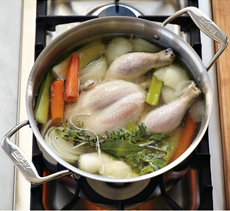
    [5] Chicken in the pot refers to an entire chicken cooked with the same ingredients as chicken soup (photo of AllClad stock pot © Williams-Sonoma).

    Chicken Soup With Chickpeas
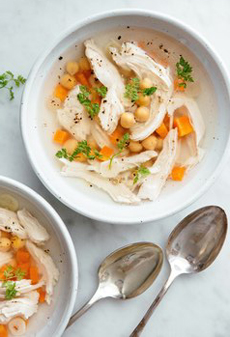
    [6] Want variety? Check out the list of variations at the right (photo © Good Eggs |SF).

    Grandma's Chicken Soup
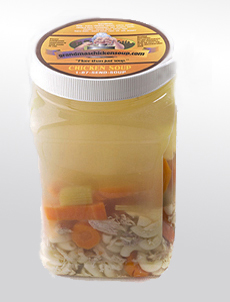
    [7] You can even send a chicken soup gift by mail, from Grandma’s Chicken Soup.


    Ingredients For Firm Matzoh Balls

    Use the above ingredients and:

  • Add 4 tablespoons water or broth.
  • Omit the baking powder.
  •  
    Preparation

    1. LIGHTLY BEAT the eggs and add the remaining ingredients until well blended. Do not over-mix or you’ll get tough matzoh balls. Cover and chill for 45 minutes to 1 hour to set. Meanwhile…

    2. BRING a 6-quart pot of salted water (1 tablespoon salt per 4 quarts water) to a boil. Scoop rounded tablespoons of the matzoh ball dough into 1-1/2-inch balls—larger as desired, but two smaller matzoh balls are easier to slice and eat in the soup. (We use a cookie dough scoop; Mom formed hers by hand.) Add to the water, one at a time, with a slotted spoon. When all the matzoh balls are floating on the top…

    3. LOWER the heat to a rolling simmer for 40 minutes. AVOID the temptation to stir! Remove with a slotted spoon and place in a serving dish.

    3. STORE in the fridge. An hour or two before serving, bring them to room temperature and warm them in the pot of soup.
     
     
    CHICKEN SOUP ADDITIONS

    While we love classic Jewish chicken soup and eat it often, we also like to have fun by varying or adding ingredients. For example:

  • Asian greens: bok chtoy, Chinese/napa cabbage, Chinese broccoli/gai lan, snow peas/shoots/leaves, water spinach.
  • Beans or lentils.
  • Challah or pumpernickel croutons.
  • Chicken cracklings/gribenes, recipe below.
  • Chicken gizzards (Mom had to buy extra because the kids fought over them).
  • Chicken sausage (cooked with the soup and then sliced, or pan-fried and sliced as a garnish.
  • Eggs: beaten eggs for Jewish egg drop soup or stracciatella; egg yolks and lemon for Greek-style avgolemono soup; poached egg or sliced hard-boiled egg for novelty.
  • Fine egg noodles or fideo.
  • Green vegetables: garden peas/pea tendrils, snap peas, spinach and the Asian vegetables above.
  • Garnish: chicken sausage, mini chicken or turkey meatballs, parmesan ribbons, thin-sliced jalapeños,
  • Kreplach or other dumpling.
  • Mushrooms: wild or other
  • Other herbs, e.g. basil, cilantro, ginger root, thyme.
  • Pillow pasta: ravioli, tortellini, wontons
  • Rice or other grain (we really like wild rice).
  • Soup pasta: ditalini, orzo, pastina
  •  
    Any other suggestions? Let us know!


    RECIPE #3: GRIBENES

    The by-product of rendering chicken skin for fat (schmaltz) are cracklings: crispy pieces of chicken skin. They’re a prized treat to eat on potatoes or anything else.

    In Yiddish they’re called gribenes (GRIH-beh-ness) or grieven (GREE-vin), which means “scraps” in Hebrew.

    When a whole chicken is being used for soup and the skin isn’t needed (it just adds fat that needs to be skimmed off later), it can be cut into strips for gribenes. Cooked with sliced onions, the result is memorable.

    Ready to render?

    Ingredients For 1/2 Cup

  • 8 ounces chicken fat and/or raw skin, cut into small pieces
  • 1/4 teaspoon dried thyme (or 1/2 teaspoon fresh thyme leaves)
  • 1 clove garlic, minced
  • 2 tablespoons cold water
  •  
    Preparation

    1. COMBINE the chicken fat and any skin in a small saucepan, along with the thyme, garlic and water. Bring the mixture to a simmer over medium-low heat.

    2. COOK until the fat has rendered (liquefied) and the skin pieces are crispy, about 35 to 45 minutes. As liquid fat fills the pan, drain it into a measuring cup or other vessel; the gribenes will take longer to get crisp.

    3. EAT the gribenes as soon as possible after they come out of the pan. Don’t refrigerate; they’ll go limp. These delicious cracklings can be eaten with potatoes, garnish a salad or chicken/turkey sandwich, grits or polenta, etc. Both Nana and Mom ate them straight from the pan.

    4. COOL the chicken fat slightly, then strain it into a lidded jar. It will keep for up to one week, maybe longer.


    CHECK OUT WHAT’S HAPPENING ON OUR HOME PAGE, THENIBBLE.COM.


    Comments off

    The Nibble Webzine Of Food Adventures


    © Copyright 2005-2026 Lifestyle Direct, Inc. All rights reserved. All images are copyrighted to their respective owners.