THE NIBBLE BLOG: Products, Recipes & Trends In Specialty Foods
Also visit our main website, TheNibble.com.
|
March 10, 2011 at 7:05 am
· Filed under Cookies-Cake-Pastry, Tip Of The Day
|
|
Originally made in fluted molds, bundt cakes have, joyously, evolved beyond the simple “turban” design. There are dozens of fanciful shapes: a flower, a Christmas tree, a football stadium, a beehive and even a sand castle.
Given the ornate designs, the last thing you want is for cake to stick to the pan.
Instead of an oil spray to prevent sticking, try this technique, which uses bread crumbs to create a barrier between the cake and the pan:
Brush the pan with butter, then dust with fine dried bread crumbs instead of flour.
If your bread crumbs aren’t fine enough, pulse them in the food processor.
Briskly tap the pan several times with the palms of your hands to distribute the bread crumbs evenly; then turn the pan upside down over the sink to remove excess crumbs.
If you want to use flour, Wondra brand works the best to help define the details of the mold.
More bundt cake baking tips.
A year of holiday bundt cakes.
Where it all began: Bundt cake history.
|
|

Create a buzz with this beehive Bundt.
Photo courtesy Nordicware. |
|
|
|
|
Permalink
|
|
March 9, 2011 at 7:54 am
· Filed under Beverages, Tip Of The Day
|
|
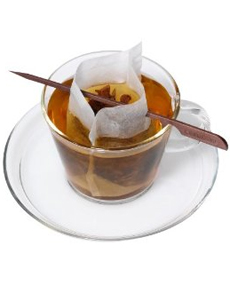
If you don’t have any other way to brew
loose tea, usa a coffee filter.
Tea filter bags from Finum.
|
|
The best tea in the world is not in a conventional tea bag. It’s loose tea.
Those who love fine tea have a variety of ways to brew loose tea. Our favorite is the luxurious Breville One-Touch Teamaker, which brews about a quart.
Our second favorite is the one (large) serving Aladdin Tea Infuser Mug, which has a nifty basket for tea (or tea bags). The basket flips down from the lid to infuse the tea. After the infusion is complete, it flips back up so the tea doesn’t continue to brew.
We also make frequent use of our Ingenuitea Teapot (we got ours from Adagio Tea, but other tea companies have their own versions), which brews 12 ounces of tea.
Both the Aladdin and the Adagio can go right into the microwave. No tea kettle or boiling water spout is needed: Just add the tea and tap water, and microwave for three minutes or so.
And there’s always a mesh tea ball or other metal infuser.
|
But what if you’ve been given loose tea and have none of these?
You can purchase tea filters—also called tea sachets or tea sacs. These are empty tea bags, waiting to be filled.
But you have to plan ahead and buy them. A solution is probably in your kitchen already: a coffee filter.
Although much thicker than tea bags, coffee filters do the job. Put loose tea in a coffee filter—one rounded teaspoon per eight-ounce cup—and tie it off with kitchen string or drape the filter over the top rim of the mug.
Another tip: “eight-ounce cup” refers to the total volume that a cup can hold. But you can’t fill a cup to the top of the rim without spilling when you try to drink it. So consider that an eight-ounce cup gives you six ounces of tea; more if you don’t add milk.
|
|
|
Permalink
|
|
March 9, 2011 at 6:37 am
· Filed under Recipes, Vegetables-Salads-Herbs
|
|
The latest wave in potato salads is baked potato salad, made with baked instead of boiled potatoes (it’s a great repurposing of leftover baked potatoes).
At the recent 2011 South Beach Wine & Food Festival, Baked Idaho Potato Salad took top honors in the Idaho Potato Side Dish Challenge.
The recipe was created by Chef Carlos Barillas of the Burger & Beer Joint in Miami Beach.
Chef Barillas was one of 12 chefs who battled it out on the beach for a good cause: education. The Idaho Potato Commission made a $5,000 donation to Florida International University’s School of Hospitality and Tourism Management in Barillas’ name.
Potatoes, sour cream, scallions and bacon: How could it not be good? Get the recipe.
More potato salad recipes.
If you have favorite potato salad tips, let us know.
|
|
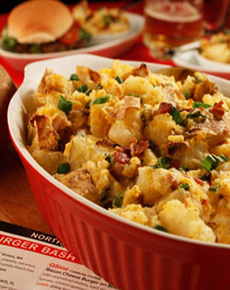
Make a potato salad from baked potatoes
instead of boiled potatoes. Photo courtesy
Mr.Food.com. |
|
|
|
|
Permalink
|
|
March 8, 2011 at 7:58 am
· Filed under Pasta-Pizza, Tip Of The Day
|
|
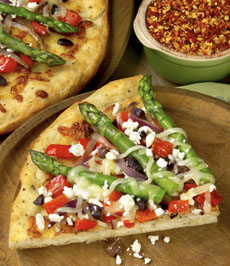
Cook veggies before adding to pizza. Photo
courtesy California Asparagus Commission.
|
|
You don’t have to wait for a lukewarm pizza delivery. Keep a ready-made pizza crust and a few other ingredients (sauce, cheese) at home and your pizza will be ready in as little as 20 minutes.
If your homemade pizza crust is not as crisp as you’d like, try these tips:
Before adding the sauce and toppings, put the pizza crust on the top rack of the oven for 3-4 minutes, until slightly browned and slightly crisp (a quarter of the way baked).
Then sprinkle the crust with grated Parmesan cheese, which helps as a barrier to the moistness of the sauce.
If you’re adding vegetables—bell peppers, broccoli, onions, mushrooms, zucchini, etc.—cook them first (a quick sauté in olive oil). Raw vegetables give off moisture when cooking.
|
|
Another tip: Line the bottom of the oven or cover the bottom rack with aluminum foil. This makes it easy to clean up the drippings.
|
|
|
Permalink
|
|
March 8, 2011 at 7:32 am
· Filed under Coffee & Tea, Top Pick Of The Week
|
|
Save the rainforest, save the world.
This adaptation of a catchphrase from the first season of “Heroes” floated through our head as we enjoyed cup after cup of delicious and refreshing guayusa.
What is guayusa (why-YOU-suh)?
It’s a perkier cousin of yerba maté, a tea brewed from South American holly leaves. Maté and guayusa come from different species of the holly bush. They have similar benefits—including caffeine alertness without the jitters. But the taste is as different as black tea and green tea.*
*Conventional tea, made from the Camellia sinensis plant, is totally unrelated to holly-based teas.
So how does this save the world?
Guayusa is farmed on the ancestral lands of the indigenous Kichwa people in the Amazon rainforest of Ecuador. Your purchase provides an economic incentive for farmers to keep the rainforest intact.
|
|
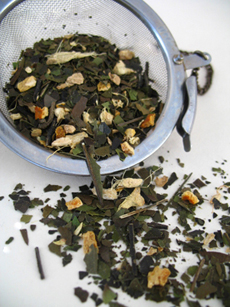
Guayusa tea: crisp, refreshing, healthy,
caffeined and no jitters. Photo by
Leah Hansen | THE NIBBLE. |
So save the rainforest, save the world and energize with a terrific cup of tea in the process.
Guayusa is certified organic, Fair Trade Certified and certified kosher.
Read the full review.
Explore the world of fine tea.
|
|
|
Permalink
|
The Nibble Webzine Of Food Adventures
© Copyright 2005-2026 Lifestyle Direct, Inc. All rights reserved. All images are copyrighted to their respective owners.



