THE NIBBLE BLOG: Products, Recipes & Trends In Specialty Foods


Also visit our main website, TheNibble.com.

EASTER: Jelly Bean Chocolate Bar

Why make a decision when you can have both, our favorite thinking goes.

Edward Marc Chocolatier is obviously of the same mind, with this jelly bean chocolate bar. It’s $3.50 for a 2.5-ounce bar at EdwardMarc.com.

If you want to create your own jelly bean bar, head to Chocomize.com. For $4.75, you can make a 3.5-ounce jelly bean bar in dark, milk or white chocolate.

You can add scores of other ingredients, too, including dried fruits, herbs, nuts, seeds, spices and specialty Easter decorations.

Peter Cottontail would approve.

 
An Easter chocolate bar. Photo courtesy Edward Marc Chocolatier.


Comments off

TIP OF THE DAY: Celebrate Spring Vegetables


[1] Puréed cauliflower and peas topped with a bouquet of colorful, lightly-steamed vegetables (photo © Maison Kayser).
Fiddlehead Ferns
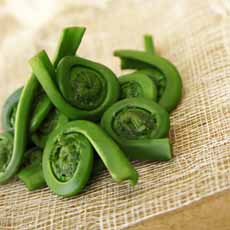
[2] Fiddlehead ferns (photo by Katharine Pollak | © THE NIBBLE).

  June 17th is National Eat All Your Veggies Day. No matter what the weather is like in your neck of the woods, spring began this morning at 7:02. So, today’s tip is: Cook something that celebrates springtime.

We vote for something colorful. Doesn’t this dish just burst with springtime? You can make it with the ingredients in your fridge! The concept is by Chef Taleb Daher of Maison Kayser, Paris: Puréed cauliflower and peas (you can use any vegetable) topped with a bouquet of color: beets, broccoli florets, carrots, chives, and baby radishes.

Or, prepare a recipe with spring vegetables: low in calories, and high in nutrients. Most of this delectable group are fleeting, available only for a few months a year; so enjoy them while you can. One of the most memorable dishes in our lifetime of fancy eating was a simple spring sauté of asparagus, garlic scapes, morels and nettles.

Artichokes: Spring artichokes are larger, delivering more flesh on each leaf. It couldn’t be easier to steam them and dip the luscious leaves in a vinaigrette or melted butter; we actually enjoy them plain. Check out the different types of artichokes.

Asparagus: Domestic asparagus begins to appear in March; the season runs through June. We can’t get enough of the delicious spears. Here are 12 easy asparagus recipes.

Cardoons: This specialty item, also called artichoke thistle, is part of the same species as the globe artichoke. Not surprisingly, it tastes a lot like artichoke, and was popular among the ancient Greeks, Persians, and Romans. Try braising them in verjus as a side to grilled salmon.

Fava Beans: Fava beans, also known as broad beans and horse beans, are another sign of spring. They originated in ancient Egypt and were the only bean known to Europeans until the discovery of America. Unshelled, they look like lima beans, but have a more buttery texture and slightly bitter, appealingly nutty flavor. Enjoy them as a side, in soups, or in stews. As you may recall, Hannibal Lechter enjoyed his with liver and a nice Chianti.

Fiddleheads: Also called fiddlehead ferns, these young wild ferns are not cultivated but foraged (photo #2). The top unfurls as the fern matures, but when young it resembles the curled ornamentation (scroll) at the top of a violin or other stringed instrument. Fiddleheads have been popular in Northern France since the Middle Ages, and are found in Asian and Native American cuisines. They have an asparagus-like texture and flavor with a hint of nuttiness.


Garlic Scapes: Garlic scapes, also known as green garlic, are the curling tops of immature garlic plants; they look similar to the tops of scallions (green onions). They were usually cut off of the plant and discarded, since leaving them on only limits the growth of the garlic bulb. But some garlic farmers have been convinced to bring the scapes to market. With a delicate garlic flavor, they are a must-try spring treat.


Morels: Morels have not yet been cultivated successfully, so they are foraged in the wild in the spring. While they can be a chore to clean, the flavor is intense and exciting. Here’s everything you need to know about morel mushrooms.

Nettles: Nettles, or stinging nettles, may not sound like culinary delight. They grow as garden weeds. But they are delicious, high in protein and lose their sting after 30 seconds of cooking. Sauté them as a side or add them to soups, stews, and pasta dishes. Look for them at farmers’ markets, or ask where you can forage for them in your area.

Pea Greens: Pea greens are sold in big bunches of bright green vines with leaves, but don’t worry: That big bunch cooks down to about 10% of its raw volume. Look for pea greens in farmers’ markets or Asian markets. They wilt very quickly and need to be cooked within a day or two: simply sautéed in olive oil. Add some browned garlic or shallots and finish with a splash of lemon juice. Add raw pea greens to soups or stir-fries.


Spring Ramps
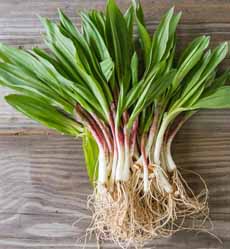
[3] Ramps (photo © Good Eggs | San Francisco).

 
Peas: As much as frozen peas are a good stand-in year round, there’s nothing like fresh spring peas, also known as garden peas and English peas. Steam them lightly for a real treat or purée them into a heavenly soup.

Ramps: Ramps, also called wild leeks, are a wild onion native to North America (photo #3). The bulb resembles that of a scallion, but the plant has beautiful broad leaves with burgundy color at the base. The flavor and aroma of are a combination of onions and garlic. As such, they have an almost universal utility: in casseroles, potato dishes (delicious with fried potatoes), rice dishes, scrambled eggs, and soups. They can be used raw or cooked in any recipe calling for scallions or leeks.

Rhubarb: Rhubarb is often thought of as a fruit since it’s made in sweet preparations. But the giveaway is that it looks like celery. Make a rhubarb or strawberry rhubarb pie, rhubarb ice cream, a rhubarb sauce for fish, pudding with rhubarb topping or our grandmother’s favorite, stewed rhubarb.

Sweet Onions: Sweet onion varieties are plentiful in the spring and beckon to onion lovers to enjoy them raw: in salads, on sandwiches, as a general garnish. What about spring onions? Spring onions are simply regular onions that farmers pull from the field in spring to thin the rows.

All of these lovely spring vegetables will add spark to your table from now until the end of spring. Be sure to enjoy them while you can.


CHECK OUT WHAT’S HAPPENING ON OUR HOME PAGE, THENIBBLE.COM.


Comments off

PASSOVER: Matzaroni & Cheese, A Passover-Friendly Mac & Cheese Recipe


[1] The Passover mac and cheese alternative (photo © Passover Made Easy).


[2] Buy the book for yourself or as a gift.

  A couple of weeks ago we published a modern Passover recipe, Eggplant Wrapped Chicken, from the new cookbook, Passover Made Easy.

Passover begins at sunset on Monday, March 25th and continues for seven days. Here’s a kid-friendly recipe that puts a new spin on mac and cheese.

RECIPE: MATZARONI & CHEESE

Wheat products can’t be consumed for passover—no bagels, no pizza, no pasta. But for kids whose favorite meal is mac and cheese, the authors have created a substitute.

“This is an easy dinner that will get all the troops running to the table when the hot, cheesy, and bubbling dish emerges from the oven.” they say.

Ingredients For 6-8 Servings

  • 5 matzahs, broken into small pieces
  • 5 eggs
  • 1 container (16 ounces) sour cream
  • 1 container (16 ounces) cottage cheese
  • 3 tablespoon butter, melted
  • 1 teaspoon salt
  • 2 cups shredded mozzarella or muenster cheese, divided
  •  
    Preparation

    1. PREHEAT oven to 350°F. In an 8 x 8-inch baking dish, arrange 1/3 of the broken matzah pieces.

    2. BEAT eggs in a medium bowl. Add sour cream, cottage cheese, butter, salt, and 1 cup shredded cheese. Pour 1/3 of the cheese mixture over the matzah. Repeat with two additional layers of matzah and cheese.

    3. TOP with remaining 1 cup shredded cheese. Bake for 40 minutes. The cheese on top should be brown and bubbling. Serve immediately.


    Comments off

    RECIPE: Brie Or Goat Cheese Wontons

    If you want to whip up something special to serve with wine or cocktails, consider this French-Asian fusion treat: wontons filled with Brie or goat cheese. Crisp, crunchy wrappers filled with hot, creamy cheese, they can also be served as an appetizer.

    The recipe is from cheese importer Ile de France, which has plenty of cheese recipes on its website.
    RECIPE: CHEESE-FILLED WONTONS

    Ingredients

  • Wonton wrappers
  • Fresh goat cheese or Brie, cut into slices 1″ wide
  • Optional fillings (see below)
  • Dipping sauce (see below)
  •  


    Brie or goat cheese wontons. Photo courtesy Ile de France.

     
    Preparation

    1. PLACE squares of cheese in the middle of each wonton wrapper. Close the square wrapper diagonally, then seal the edges with a bit of moisture, pressing hard so it won’t come apart.

    2. FRY: Heat about two inches of oil in a medium sized pot. Use some sesame oil to give it an authentic, Asian flare that won’t interfere with the cheese’s natural flavors. Sesame oil is strong, so we used 1/3 sesame oil, 2/3 vegetable oil.

    3. PLACE the wontons in the heated oil for about 30 seconds or until they reach the desired crispiness.

    4. BAKE by arranging the wontons on a greased cookie sheet. Bake at 400°F until they become crisp and golden brown, about 8-10 minutes.

    5. SERVE with your favorite dipping sauce. Ile de France uses warmed sour cream flavored with a little Parmesan cheese, salt and pepper.
    TIPS TO ADD MORE FLAVORS

    You can add extra ingredients, but be sure to use less cheese so the wonton wrappers don’t burst.

  • Add any of the following on top of the cheese before wrapping: caramelized onions, chives, chutney or scallions (green onions), drained chopped spinach. Or, if using goat cheese, you can mix them together.
  • For a sweet touch, drizzle some honey on the cheese before wrapping.
  • Serve with a dip on the side: soy sauce/ginger/scallion, sweet and sour sauce or a soy/honey mustard sauce.
  •   

    Comments off

    TIP OF THE DAY: S’mores In A Cup Or A Mason Jar


    A delicious treat and gift idea for the sweet
    tooth: Oh My Goodness Marshmallow’s
    S’mores In A Jar.
      We received these S’mores in a Jar from Oh My Goodness S’mores, an artisan marshmallow confectioner in Gearhart, Oregon.

    Sold in sets of 2, short Mason-type jars are layered with homemade graham crackers, Callebaut Belgian bittersweet chocolate chips and the company’s vanilla bean marshmallows. It’s a great gift for special occasions. A set of 2 jars is $13; two sets are $25.00 at OhMyMarshmallows.com. The jars are reusable.

    The company also makes fun flavors of marshmallow: Bubble Gum, Chai Tea, Cinnamon Hots, Cotton Candy, Peppermint Swirl and Valrhona Chocolate.

    When ready to eat, the jar of s’mores is baked in a 350°F oven for 10 minutes (remove lid and ring and place on baking sheet); then placed under the broiler for 2 minutes to toast the marshmallow.

    We were inspired by this preparation to create our own “S’mores In A Cup.” Look for the best ingredients you can find. We used artisan marshmallows, Guittard chocolate chips and our favorite graham crackers from Trader Joe’s.
     
    NATIONAL S’MORES DAY IS AUGUST 10TH.


    S’MORES IN A CUP (MASON JAR)mo RECIPE

    Ingredients

  • 1-1/2 cups graham crackers, coarsely crushed
  • 1-1/2 cups semisweet chocolate chips or chopped chocolate bar
  • 1 1/2 cups cut-up marshmallows, mini marshmallows or Marshmallow Fluff
  • Optional: Mini marshmallows for garnish
  •  
    Preparation

    1. SELECT vessels in which to layer the s’mores: custard cups, glasses, ramekins, teacups or other containers. They need to be microwavable or ovenproof. And since this dessert is very rich, they should be as small as possible: Ideally, just one layer of the ingredients in Step 2 (the wide-mouth Kerr brand Mason jar used by Oh My Goodness Marshmallows is approximately 2-1/2″ high by 3-1/2″). You can also use a small baking dish or casserole if you want to make a family-size recipe. While it’s nice to be able to see the layers through glass, a glass receptacle isn’t essential.

    2. LAYER the ingredients: graham crackers, chocolate, graham crackers and marshmallows. This part can be done in advance and stored, covered, in the refrigerator, for up to 2 days.

    3. MICROWAVE or BAKE when ready to serve. We reused the jars from Oh My Goodness Marshmallows and microwaved them for 30 seconds, enough to melt the marshmallow and soften the chocolate chips; microwave strengths vary. You can then brown the marshmallow under a broiler or use a culinary torch; but we served ours as is. You can also put the optional marshmallows on a baking sheet and set it under the broiler for 15 seconds or until they brown; then spoon atop each cup.

    4. SERVE immediately. We enjoyed a large glass of milk with our S’mores In A Cup.
    VARIATIONS

  • Use chocolate pudding instead of chocolate.
  • Add layers of your favorite flavors: peanut butter, fresh berries, sliced bananas, etc.
  •   

    Comments off

    The Nibble Webzine Of Food Adventures
    RSS
    Follow by Email


    © Copyright 2005-2026 Lifestyle Direct, Inc. All rights reserved. All images are copyrighted to their respective owners.