THE NIBBLE BLOG: Products, Recipes & Trends In Specialty Foods


Also visit our main website, TheNibble.com.

TIP OF THE DAY: Is Sambal Oelek The Next Sriracha?

The taste buds of the nation have changed since the 1960s, when immigration laws were relaxed and more Asians moved to the U.S., bringing their culinary traditions with them. Their bolder flavors began to attract Americans who had only known a blander European-based diet.

There were American hot sauces, but they were popular largely in the South and Southwest. Hot sauce manufacturing in the U.S. began in Louisiana with Tabasco brand pepper sauce in 1868. While it was distributed in other regions, most people didn’t know about it. Much later, in 1947, Dave Pace combined tomatoes, jalapeños and onions into “picante sauce,” refining the recipe over the next decade.

With the national expansion of Tex-Mex restaurants beginning in the 1960s, more people were introduced to hot sauce, and the demand began to expand. Around the same time, the expanding popularity of the Bloody Mary meant that a bottle of Tabasco could be found in many households.

The most recent hot sauce to take hold in the category is Sriracha, a recipe from Thai port of Sri Racha that is produced in California by the Huy Fong company. “Rooster bottles” of the hot chili pureé (the logo is a red rooster), with its ketchup-like sweetness and notes of garlic and spice, have found their way into restaurants and homes alike.

   
/home/content/p3pnexwpnas01_data02/07/2891007/html/wp content/uploads/sambal oelek spoon ryanspilken 230r

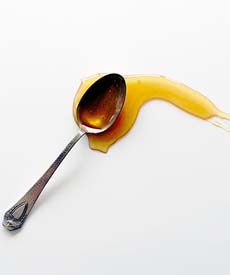
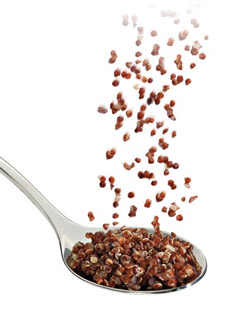
A spoonful of sambal olek, an Indonesian chile paste. Photo courtesy Ryan Spilken.

 
Sriracha has gone from an Asian condiment few people had heard of, to the go-to hot sauce for millennials. Sriracha sauce has found its way onto burgers, breakfast eggs, fries, noodles, salads, sandwiches, stir-frys and wings. Chefs have added it to everything from rémoulade sauce to brownies, ice cream and other desserts.

There are even Sriracha-specific cookbooks, including:

  • The Sriracha Cookbook: 50 “Rooster Sauce” Recipes that Pack a Punch (including Peach-Sriracha Sorbet) and its companion book…
  • The Veggie-Lover’s Sriracha Cookbook: 50 Vegan “Rooster Sauce” Recipes that Pack a Punch (including Maple-Sriracha Doughnuts and Watermelon Sriracha Sangria)
  • Sriracha Sauce Cookbook: Top 50 Easy Sriracha Recipes to Satisfy Your Spicy Food Addiction! (including Baked Sriracha Spaghetti Squash and Strawberry Sriracha Margaritas)
  •  
    Here’s the history of Sriracha sauce and the popular Huy Fong Sriracha Hot Chili Sauce that gave the product its nickname, “rooster sauce.”

    O.K., we know that Sriracha is mainstream, appearing in everything from hummus to potato chips. But in the words of fickle foodies and millennials everywhere, what’s next?

    It could be sambal oelek!


    /home/content/p3pnexwpnas01_data02/07/2891007/html/wp content/uploads/sambal oekek huyfong 230
    A thick paste, sambal oelik has vinegar tartness and fruity sweetness (like ketchup). Top photo courtesy RyanSpilken.com, bottom photo courtesy Huy Fong.


    WHAT’S SAMBAL OELEK?

    Vinegar-based sambal oelek is a staple in Indonesian, Malaysian and Thai cooking. The first packaged brand was Indonesian; and the name, Javanese in origin, means “ground by stone mortar.”

    Sambal is sauce typically made from a hot chiles and other ingredients, which can include fish sauce or shrimp paste, garlic, ginger, lime juice, rice vinegar or other vinegar, scallion, shallot and sugar.

    Tart and vinegary, with fruity notes, it is a paste rather than a thin liquid. And it’s definitel for heat lovers: The vinegar makes the heat even more intense.

    The folks at Huy Fong are at the ready, with jars of sambal oelek also bearing their familiar rooster logo.

    You can find it at Asian markets or online.

    And here’s a trick from Paul McMillan, executive chef at Wyoming Seminary, a prep school where the students love Sriracha:

  • Spread Sriracha over parchment or wax paper on a sheet pan and dry it in the oven at 180 degrees for at least an hour.
  • Remove from the oven, cool, and then break it up into crunchy crumbles that you can sprinkle on soups, salads, baked potatoes, rice and…anything.
  •  

    Industry experts predict that next on the hot sauce horizon is gochujang sauce (pronounced ko-choo-CHONG), a pungent, hot red chili paste from Korea. It’s made from fermented soybeans, glutinous rice, red chiles, garlic, honey and salt.

    The gochujang chili paste is also is made in a sauce version, for easy sprinkling.

    But for the rest of the details: That’s another story.


    Comments off

    RECIPE: Fried Eggs On Rice

    Who needs toast? Serve this brunch idea from Gardenia restaurant in New York City.

    A fried or poached egg is served atop a bed of rice with roasted vegetables. It’s a yummy way to use up leftovers.

  • Use brown rice or other whole grain for more nutrition.
  • You can also use polenta or mashed potatoes for the bed.
  • If you don’t have any roasted vegetables—Gardenia used a mélange of beets, butternut squash, carrots and onions—do a quick microwave cook to soften, then sauté, what you do have.
  • A garnish of microgreens finishes the dish at Gardenia, but you can use chives, basil…or perhaps a crumbled bacon garnish?
  •   /home/content/p3pnexwpnas01_data02/07/2891007/html/wp content/uploads/fried egg on rice gardeniaNYC 230
    A new way to enjoy fried eggs! Photo courtesy Gardenia Restaurant | NYC.


    Comments off

    TIP: Eat More Peaches ~ The Season Ends Soon!

    grilled-tomatoes-peaches-wmmb-230
    fontina_kronenost_rothkase-230
    Skillet photo courtesy Wisconsin Milk Marketing Board. Photo of Wisconsin Fontina courtesy Emmi Roth USA.
      Soon, juicy peaches will be gone from the shelf. Even if you’ve had a few, as hand fruit or in recipes, seek them out in the next few weeks and enjoy peaches while you still can.

    Our personal favorite is peach ice cream, the favorite flavor of our childhood that has fallen out of favor. While some artisan ice cream producers make it, we haven’t seen a pint in our area in decades: We have to make it. And it’s worth it: Here’s a peach ice cream recipe.

    But first up, in our featured peach recipes, is a delicious appetizer, side dish or snack with wine from Eat Wisconsin Cheese.

    RECIPE: GRILLED TOMATOES & PEACHES WITH FONTINA

    You might not think to combine tomatoes with peaches, but they are very complementary—especially when grilled and topped with melted Fontina cheese, as in this recipe.
     
    Ingredients For 4-6 Servings

  • 1 baguette, sliced
  • Olive oil
  • 1 cup grape tomatoes, halved
  • 1/2 medium peach, cut into 1/2-inch pieces
  • 2 cups (8 ounces) Fontina cheese, shredded (substitute
    Emmenthal, Gruyère or Provolone)
  • 1/2 cup (about 2 ounces) Parmesan cheese, grated (substitute
    Asiago, Grana Padano or Pecorino Romano)
  • 1 tablespoon fresh rosemary, chopped
  • Black pepper, freshly ground
  •  

    Preparation

    1. HEAT a gas grill to medium, or prepare a charcoal grill for indirect heat.

    2. DRIZZLE the baguette slices with olive oil and grill, until toasted, turning once.

    3. DRIZZLE the tomatoes and peaches with olive oil; toss. Place in well-seasoned cast iron skillet. Cook on grill 10 to 12 minutes, stirring occasionally (but do not over-stir).

    4. ADD the Fontina and Parmesan and cook for 2 to 3 minutes, until the cheese is melted. Remove from the grill and sprinkle with rosemary and black pepper. Serve immediately with baguette slices and spreading knives.
     
    WHAT IS FONTINA?

    Fontina is a semisoft cow’s milk cheese which has been made since the Middle Ages in Valle d’Aosta, in the Western Alps of northwest Italy. It has PDO status (protected domain of origin), which means that cheese called Fontina can only be made in this area.

    The Italian cheese is mild when young and pungent when aged, when the rind turns an orange-brown color. The texture of PDO Fontina is semi-soft, rich and creamy with eyes (holes). It belongs on a cheese plate, and is an excellent melting cheese.

    In the U.S., the cheese called Fontina is typically sold on the younger side, when it has a buttery, nutty taste. Danish Fontina is pale yellow with a mild, slightly sweet flavor; it is often used as a sandwich cheese. These differences illustrate the importance of authenticity labels like PDO and AOC (Appellation d’Origine Contrôlée) is the French version of PDO) if you’re looking for the original experience.


    RECIPE: PEACH SHORTCAKES WITH ICE CREAM OR
    WHIPPED CREAM

    You’ve likely had strawberry shortcake, but what about peach shortcake?

    In this recipe is from Annalise of Completely Delicious for Go Bold With Butter, the conventional whipped cream that tops the fruit is replaced with ice cream. Annalise specifies vanilla, but we used peach ice cream.

    Prep time is 15 minutes, cook time is 25 minutes.
     
    Ingredients For 6 Servings

    For The Biscuits

  • 2 cups all-purpose flour
  • 1 tablespoon baking powder
  • 1/2 teaspoon baking soda
  • 1/2 teaspoon salt
  • 1/4 cup granulated sugar
  • 6 tablespoons unsalted butter, cold and cut into cubes
  • 2/3 cup buttermilk, cold
  • 1 large egg + 1 teaspoon water (the egg wash)
  •  
    For The Topping

  • 4 peaches, ripe but firm
  • 2 tablespoons butter, melted
  • 2 tablespoons maple syrup
  • 6 scoops vanilla ice cream
  •   /home/content/p3pnexwpnas01_data02/07/2891007/html/wp content/uploads/ice cream shortcake goboldwbutter 2301
    In this peach shortcake recipe, ice cream replaces the traditional whipped cream. Photo courtesy Go Bold With Butter.
     
    Preparation

    1. PREHEAT the oven to 400°F. Line a sheet pan with parchment paper or butter well.

    2. MAKE the biscuits: Combine the flour, baking powder, baking soda, salt and sugar in medium bowl. Add the cold cubed butter and cut it into the dry ingredients with a pastry blender or two forks, until butter is size of small peas. Add the buttermilk and mix until the dough begins to come together. Place it on a clean surface and knead a few times to incorporate all of the dry bits. Do not over-handle (it toughens the dough).

    3. PAT the dough to about 1 inch thick. Use a 3- or 4-inch round cookie cutter to cut the dough. Place the rounds on the prepared sheet pan. Brush them with the egg wash and bake until golden, about 15-20 minutes.

    4. PREHEAT a grill to medium low heat. Halve the peaches and remove the pits. Brush with melted butter and place them cut side-down on the grill. Grill 3-4 minutes until the peaches have grill marks and have softened somewhat. Transfer them to a plate and drizzle with maple syrup.

    5. ASSEMBLE: Slice the biscuits in half. Top with ice cream and grilled peaches. Serve immediately.

     
    KNOW YOUR PEACHES

    Check out these peach facts: the history of peaches, types of peaches and more.


    Comments off

    FOOD FUN: Pool Party Punch

    /home/content/p3pnexwpnas01_data02/07/2891007/html/wp content/uploads/pool party punch pinnacle recipe 230
    Match your cocktail to the pool (the miniature
    beach balls
    are plastic, made for doll houses).
    Photo courtesy Pinnacle Vodka.

      For your next pool party, make this Pool Party Punch, an tasty and fun idea from Pinnacle Vodka.

    Pinnacle made it with their Original Vodka; you can make it your own with a flavored vodka. If you prefer, you can substitute gin or tequila.
     
    RECIPE: POOL PARTY PUNCH

    Ingredients Per Drink

  • 1 part vodka
  • 2 parts lemonade
  • Splash of Blue Curaçao (we used DeKuyper)
  • Garnish: fruit of choice (we used blueberries on cocktail picks)
  •  
    Preparation

    1. MIX ingredients and serve over ice. It’s that simple! Here’s a video with the full punch bowl recipe.

    MOCKTAIL VERSION

    Make a mocktail by exchanging the vodka for 7 UP, Sprite or white cranberry juice. Use blue food coloring instead of Blue Curaçao.

    And for garnish, perhaps a red Swedish Fish?

    Here’s the mocktail recipe.


    WHAT IS BLUE CURAÇAO

    Curaçao is an orange liqueur made from the dried peels of the laraha (LA-ra-ha) citrus fruit, grown on the island of Curaçao in the Netherlands Antilles (southeast of the Virgin Islands in the Caribbean).

    The laraha is a de-evolved descendant of the Valencia orange, which was brought over from Spain in 1527. It did not thrive in the Southern Caribbean climate. The oranges that the trees produced were small, fibrous, bitter and inedible. The trees were abandoned, and the citrus fruit they produced evolved from a bright orange color into the green laraha.

    When life gives you bitter fruit, distill it! It turned out that while the flesh of the laraha was inedible, the dried peel remained as aromatic and pleasing as its cultivated forebear. Experimentation led to the distillation of Curaçao liqueur from the peel.

    The distilled liqueur is clear. Some brands are colored blue or bright orange to create color in cocktails. The color adds no flavor.


    /home/content/p3pnexwpnas01_data02/07/2891007/html/wp content/uploads/blue curacao dekuyper 230
    Blue Curaçao. The clear orange liqueur is colored blue. It is also made in an orange-colored version.

     
    THE DIFFERENT TYPES OF ORANGE LIQUEUR

    Here’s how the different types of orange liqueur differ; including Curaçao and triple sec, which are generic terms, plus brands like Cointreau, Grand Marnier and Gran Gala.
      

    Comments off

    TIP OF THE DAY: Make Fresh Lemonade Or Limeade

    /home/content/p3pnexwpnas01_data02/07/2891007/html/wp content/uploads/lemongrass ginger cooler melissas 230
    It’s easy add a hit of extra flavor to lemon-
    ade, from lavender to jalapeño. Photo
    courtesy The Great Pepper Cookbook by
    Melissa’s Produce.

      August 20th is National Lemonade Day. If the only lemonade you drink comes from a bottle, you’ve never experienced real lemonade.

    Bottled drinks are not only pasteurized, but typically use reconstituted lemon juice. If you’ve ever tasted bottled lemon juice, you know that the flavor is simply not bright and lemony like fresh-squeezed lemon juice.

    Lemonade “made from concentrate” and sold in cartons like orange juice is the far better choice (as are cans of frozen lemonade concentrate).

    But the best choice of all is to squeeze fresh lemons. It takes just five minutes to make a single glass, and you can adjust the sweetening to your own taste.

    You can follow the same recipe to make limeade.

    Leave a pitcher of lemonade unsweetened to accommodate every family member or guest. For a party, set up a bar where guests can add their own sweeteners—agave*, honey, noncaloric, superfine sugar or simple syrup. You can buy or easily make the latter two, which, unlike granulated sugar, dissolve easily in cold drinks.

    For adults bottles of gin, tequila or vodka expand the options.

     
    You can also use this recipe to make fresh limeade. We have more lemonade (or limeade) tips below.
     
     
    LEMONADE OR LIMEADE RECIPE

    You don’t want ice cubes to dilute your lemonade. Ideally, freeze lemonade or a complementary fruit juice (we especially like blueberry and watermelon) in ice cube trays so regular ice cubes won’t dilute the flavor. And keep the lemonade as chilled as possible to use fewer cubes.

    Ingredients For 15 Glasses

  • 1.5 cups fresh-squeezed lemon juice (6 large lemons)
  • 6 cups cold water
  • 1 cup of table sugar or equivalent sweetener
  • Ice
  • Optional garnish: berries, cherries, lemon wheel, mint leaves, sprig of herbs, watermelon cubes
  • Optional: straws
  •  
    Ingredients For 1 Glass Of Lemonade

  • 2 tablespoons sugar or equivalent sweetener
  • 1/4 cup hot water
  • 3 tablespoons fresh-squeezed lemon juice
  • 3/4 cup cold water
  • Ice
  •  
    ____________________
    *Agave tends to be twice as sweet as the equivalent amount of other sweeteners, so use half as much.


    Preparation

    1. MAKE the optional lemonade ice cubes a half day in advance or the night before. For the ice cubes, we save time by reconstituting frozen lemonade concentrate instead of making lemonade from scratch. When ready to make the lemonade…

    2. ROLL room temperature lemons on the counter top before squeezing. This maximizes the juice output.

    3. PREPARE the superfine sugar if you’re using granulated sugar. If you don’t have a box of superfine sugar, simply pulse regular table sugar to a superfine consistency in a food processor. The time you spend to do this is more than offset by the time it will take to get table sugar to dissolve. Another technique for dissolving table sugar is to boil the water several hours in advance, stir in the sugar to dissolve, and chill.

    4. COMBINE the water, lemon juice and three-quarters of the sweetener in a pitcher; mix thoroughly. Taste and adjust the sweetness bit by bit. Your goal is to keep the fresh lemon flavor first and foremost, and not make sugar the first thing you taste. It’s better to under-sweeten than over-sweeten: People can always add more sweetener to suit their individual tastes.


    /home/content/p3pnexwpnas01_data02/07/2891007/html/wp content/uploads/lavender lemonade 230
    It’s easy to add a nuance of flavor to lemonade. Our favorites are ginger, lavender and lemongrass. Photo © Edith Frincu | Dreamstime.


    5. ADD ice to the glasses, fill with lemonade and garnish. Ideally, chill the lemonade prior to serving so it will be cold and require less ice.

    6. ADD the garnish: Slice extra lemons or contrasting limes into wheels, and cut notches so they sit on rim of glasses. You can also notch watermelon cubes or strawberries, place blueberries or raspberries on a cocktail pick, add a sprig of lavender or rosemary, etc.
     
    TO MAKE ONE GLASS AT A TIME

    1. COMBINE the sugar and hot water in a 16-ounce glass (we use a Pilsner glass) and stir until the sugar dissolves.

    2. ADD the the lemon juice and cold water. Fill the glass to the top with ice and serve.
     

    LEMONADE RECIPE TIPS

  • For a zero-calorie drink, use non-caloric sweetener.
  • For a low-glycemic drink, use agave nectar.
  • Varying the garnishes makes the recipe “new” each time.
  • A shot of gin, tequila or vodka turns lemonade into a splendid cocktail. Use citrus-flavored versions if you have them.
  • Infuse a second flavor by adding it to the pitcher of lemonade or infusing it in the simple syrup: fruit juice (blueberry, raspberry, strawberry), lychees, sliced chiles or ginger, organic lavender, etc.
  • If you don’t want to squeeze lemons every time you feel like lemonade, you can do a “bulk squeeze” and freeze the lemon juice in ice cube trays. Or, do what our busy mom did and use frozen lemonade concentrate.
  •   

    Comments off

    The Nibble Webzine Of Food Adventures
    RSS
    Follow by Email


    © Copyright 2005-2025 Lifestyle Direct, Inc. All rights reserved. All images are copyrighted to their respective owners.