THE NIBBLE BLOG: Products, Recipes & Trends In Specialty Foods


Also visit our main website, TheNibble.com.

RECIPE: Bacon Bourbon Cider

Bacon Cocktail Garnish

Cinnamon Sticks
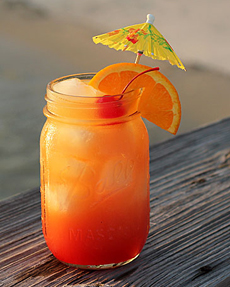
[1] Another way to enjoy fall’s apple cider: with bourbon and bacon (photo courtesy Davio’s | Manhattan). [2] Make your own cinnamon simple syrup with cinnamon, sugar and water (photo by Ben Fink, Indian Home Cooking by Suvir Saran).


As restaurants and lounges switch to their autumn menus, we’re getting lots of fall cocktail recipes. We test cocktail recipes each weekend, typically inviting friends to stop by between their errands.

This week’s cocktail recipe: Bacon Bourbon Cider from Davio’s Manhattan, one of New York’s fine steakhouses with a Northern Italian-accented menu.

Two fall favorites—apple cider and maple-candied bacon—will make this a favorite fall cocktail. It’s so easy that it may well end up on your favorite home cocktail list.

Davio’s uses Bulleit Bourbon for the cocktail. We used another top brand/
 
Ingredients Per Drink

  • 2 ounces Bulleit Bourbon
  • 1 ounce cinnamon infused* simple syrup
  • 3 ounces apple cider
  •  
    Preparation

    1. COMBINE the ingredients in a cocktail shaker; shake and pour into a Collins glass.

    2. GARNISH with a slice of candied bacon.
     
    ________________
    *You can add ground cinnamon to plain simple syrup or use the recipe below.
     
    RECIPE: CANDIED BACON

    This recipe is for 8 pieces, but trust us: You’ll want to candy the entire pound package.
     
    Ingredients

  • 8 pieces thinly sliced bacon
  • 1/4 cup plus two tablespoons maple syru
  •  
    Preparation

    1. PREHEAT the oven to 300°F. Place the bacon strips flat on a cooling rack screen placed over a baking sheet. Bake the bacon for approximately 10 to 12 minutes, or until thoroughly brown and crisp.

    2. COOL the bacon; then brush both sides of the strips with maple syrup, using a pastry brush. (We long ago replaced our bristle pastry and basting brush with a silicon pastry brush—so much easier to use and clean).

    3. PLACE the bacon back on the rack in the oven and bake for an additional 3-4 minutes.

    4. RESTRAIN yourself from eating all the candied bacon.

     
    RECIPE: CINNAMON SIMPLE SYRUP

    You can make simple syrup up to a month in advance and keep it in the fridge, tightly capped. It can keep even longer, but why take up spice with an item you don’t use?

    Instead, use the cinnamon syrup to sweeten tea or coffee, or to drizzle over desserts: baked goods, fruits, puddings, etc. You can also give it as gifts in a Mason jar tied with a ribbon.

    Ingredients

  • 1 cup granulated sugar
  • 1 cup water
  • 3 cinnamon sticks
  •  
    Preparation

    1. BREAK the cinnamon sticks into pieces (1 inch or longer), using a rolling pin or other implement (or break them by hand). Place them in a small sauce pan with the sugar and water.

    2. BRING to a boil over medium-high heat, stirring until all the sugar is dissolved. Reduce the heat to low and simmer for 10 minutes. Remove from the heat and let it cool.

    3. STRAIN out and discard the cinnamon stick pieces, and refrigerate, tightly covered.
     
    SUBSTITUTING GROUND CINNAMON FOR CINNAMON STICKS

  • For each 2-inch cinnamon stick piece a recipe requires, substitute 1/4 teaspoon of ground cinnamon.
  • Taste to see if you want more cinnamon flavor, and proceed 1/4 teaspoon at a time. Ground cinnamon has a stronger flavor than cinnamon sticks.
  • However, the flavor of ground cinnamon dissipates after 6 months or so (the minute a spice is ground and has much more exposure to air, the flavor begins to fade). If you don’t use cinnamon often, buy cinnamon sticks instead: They keep their flavor for up to 2 years. Grind them in a spice grinder or coffee grinder as needed.
  •  
    THE DIFFERENCE BETWEEN CINNAMON AND CASSIA

    Who knew that most of our ground “cinnamon” is actually cassia—not true cinnamon?

    Check out the different types of cinnamon.


    Comments off

    TIP OF THE DAY: Cooking & Baking With Crème Fraîche

    It would be fair to say that most home bakers in the U.S. have never worked with crème fraîche. It isn’t carried everywhere, it’s pricier than heavy cream and sour cream, which can be used instead of it in most recipes.

    Today’s tip is: Find some and work with it.
     
     
    WHAT IS CRÈME FRAÎCHE?

    Crème fraîche (pronounced crem fresh, French for “fresh cream”) is a thickened cream—not as thick as sour cream, more of the consistency of yogurt. That’s an appropriate analogy because both are slightly soured with bacterial culture. Crème fraîche has more fat than either, for a richer experience.

    Originally from Normandy, the dairy heartland of France, today crème fraîche used throughout Continental and American cuisines.

    Sour cream, which is more accessible and less expensive, can be substituted in most recipes; but crème fraîche has additional advantages:

  • It can be whipped, and it will not curdle when cooked over high heat.
  • It’s a bit lighter in body than commercial sour creams, more subtly sour, and overall more elegant.
  •  
    Crème fraîche is made by inoculating unpasteurized heavy cream with Lactobacillus cultures, letting the bacteria grow until the cream is both soured and thick and then pasteurizing it to stop the process.

    Thus, authentic crème fraîche cannot be made at home in the U.S., because only pasteurized cream is available to consumers. Adding Lactobacillus to pasteurized cream will cause it to spoil instead of sour.

    However, you can still make it at home with pasteurized cream. Here’s a crème fraîche recipe plus the difference between crème fraîche, mascarpone, sour cream and similar products.
     
    Uses For Crème Fraîche Beyond Baking

  • Creamy salad dressings and soups
  • Crêpe and omelet fillings
  • Sauces for vegetables
  • Topping for fresh fruit and other desserts
  • Coffee, creamy cocktails and bittersweet hot chocolate
  • Caviar (or roe of any kind) and smoked salmon
  • Guilty pleasure (eating it from the container)
  •  
     
    RECIPE: DOUBLE CHOCOLATE CRÈME FRAÎCHE CUPCAKES WITH CRÈME FRAÎCHE FROSTING

    Because you have to start somewhere, here’s a recipe that few people would decline: chocolate cupcakes. The star ingredient in these beautiful cupcakes from Hummingbird High is crème fraîche, used in both the cake and frosting. Rich, chocolaty cupcakes are topped with a creamy, velvety, simple-to-make frosting.

    Ingredients For 12 Cupcakes

  • 1 ounce 72%* cacao dark chocolate, coarsely chopped
  • 1/3 cup hot coffee
  • 3/4 cup (3.75 ounces) all-purpose flour
  • 1/2 cup (1.5 ounces) unsweetened cocoa powder
  • 1/2 teaspoon baking powder
  • 1/2 teaspoon baking soda
  • 1/2 teaspoon kosher salt
  • 1 cup (7 ounces) granulated sugar
  • 1/2 cup (4 ounces) Vermont Creamery crème fraîche, at room temperature
  • 1/3 cup vegetable oil
  • 1 large egg
  • 1 tablespoon pure vanilla extract
  •    
    Salmon Caviar Creme Fraiche
    Tomato Soup Creme Fraiche

    Chocolate Ganache
    Creme Fraiche Cupcakes Recipe

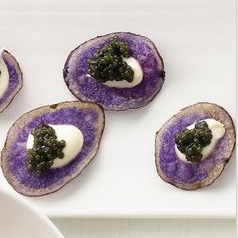
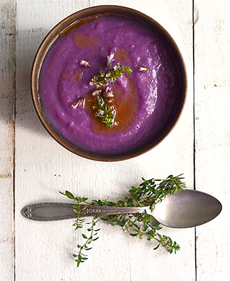
    [1] Crème fraîche on a baby potato, topped with salmon caviar (photo Fotolia). [2] Tomato soup with caviar in the base and as a garnish (photo courtesy Munchery). [3] A classic chocolate ganache is made from chocolate and cream. Corn syrup is added for glossiness. Here’s the recipe from King Arthur Flour. [4] Crème fraîche cupcakes, recipe below (photo courtesy Michelle Lopez | Hummingbird High).

     
    Ingredients For The Chocolate Crème Fraîche Frosting (About 1 Cup)

  • 6 ounces 72% cacao dark chocolate, coarsely chopped
  • 1/4 cup (2 ounces/1/2 stick) Vermont Creamery cultured unsalted butter, cut into 1-inch cubes
  • 1 tablespoon light corn syrup
  • 1/4 cup (2 ounces) Vermont Creamery crème fraîche, at room temperature
  • 2 tablespoons whole milk, at room temperature
  • Pinch of kosher salt
  •  
    ________________
    *A 72% bittersweet chocolate is perfect for lovers of bittersweet, and the cacao level used by top pastry chefs. However, if you prefer a lower percentage, go for it. You can make milk chocolate ganache and white chocolate ganache as well. The key is not the percentage cacao, but the quality of the chocolate. Ganache is de facto made just from chocolate and cream, but you can take a few liberties. We’ve added coffee to both dark chocolate and white chocolate ganaches. Here’s a recipe for chocolate ganache with crème fraîche instead of heavy cream.


    Creme Fraiche Vermont Creamery

    Creme Fraiche & Fruit

    [1] One of our fantasies: an entire bucket of crème fraîche from Vermont Creamery. [2] We’d use it to make everything, without forgetting the simple pleasure of crème fraîche with fresh berries (photo courtesy Good Eggs).

      Preparation For The Cupcakes

    1. CENTER a rack in the oven and preheat to 350°F. Prepare a 12-well muffin tin by lining with cupcake liners.

    2. COMBINE 1 ounce coarsely chopped dark chocolate and 1/3 cup hot coffee in the bowl of a freestanding electric mixer fitted with a whisk attachment. DO NOT STIR. Let sit for 2 minutes to allow the chocolate to melt. As the chocolate is melting…

    3. COMBINE in a medium bowl 3/4 cup all-purpose flour, 1/2 cup unsweetened cocoa powder, 1/2 teaspoon baking powder, 1/2 teaspoon baking soda, and 1/2 teaspoon kosher salt; whisk until combined. Set aside.

    4. RETURN to the chocolate. At this point the chocolate should be melty and easily melt into the coffee when whisked. Turn the mixer to its lowest setting and whisk the chocolate and coffee together, then add 1 cup granulated sugar, 1/2 cup crème fraîche, 1/3 cup vegetable oil, 1 large egg and 1 tablespoon pure vanilla extract. Continue whisking until just combined.

    5. STOP the mixer and sprinkle the dry ingredients (from the 3rd step) over the liquid ingredients (from the 4th step). Turn the mixer back on to medium-low and continue whisking until the dry ingredients are just incorporated.

    6. DIVIDE the batter evenly between the cupcake liners using a 1-tablespoon cookie scoop. Be careful not to overfill and start with as little as 2 tablespoons per cupcake.

    7. BAKE in the preheated oven until the cupcakes are domed and the top springs back when gently touched, around 20 to 25 minutes. Remove from the oven and allow to cool on a wire rack to room temperature before frosting.
     
    Preparation For The Chocolate Crème Fraîche Frosting

    1. MAKE the frosting. Combine 6 ounces of dark chocolate, 1/4 cup unsalted butter and 1 tablespoon light corn syrup in a double boiler or a heatproof bowl that sits on top of a pan of simmering water. The water in the pan should not touch the bottom of the bowl. Melt completely, using a heatproof rubber spatula to stir occasionally to combine the ingredients.

     
    2. REMOVE from the heat when the chocolate and butter have fully melted. Whisk the mixture gently to release more heat, before whisking in 1/4 cup crème fraîche and 2 tablespoons half-and-half. Continue whisking until both the crème fraîche and half-and-half are fully integrated and the frosting is a uniform dark chocolate color.

    3. SET the frosting aside for 15 minutes to cool more, giving the frosting a gentle whisk every 5 minutes to allow heat to escape. After 15 minutes, use the frosting. At first it will seem too liquidy, but the frosting will quickly cool as it is spread throughout the cake. Work quickly to frost the cake before the frosting cools completely: It will harden as it cools. Use an offset spatula or a butter knife to divide and spread the frosting evenly among the cupcakes, and garnish with any additional decoration.


    Comments off

    TIP OF THE DAY: 10+ Additional Uses For A Waffle Iron

    Recently we had to get rid of some things in our appliance cabinet to make room for a large countertop pizza maker.

    Two items bit the dust: an old Cuisinart kept as a “back-up” for 15 years, but have never needed to use; and a beautiful double waffle iron, barely used (we’d rather make French toast or pancakes than drag out and clean the waffle iron).

    Then, I took some advice from Posie Harwood of King Arthur Flour, who noted with sagacity that “a waffle iron is just a teeny, tiny oven…a much cooler version of a panini press.”
     
    WAFFLE IRON BENEFITS

  • A waffle iron can do everything from toast to bake to griddle.
  • It provides all those honeycomb indentations, which create extra crispness and crunch and soak up better, sauces, whatever.
  • You can make a single serving of what you’re yearning for.
  • Why turn on the oven on, or take the time to preheat it?
  •  
    STARTING TIPS

  • Spray your waffle iron very well so the food doesn’t stick.
  • Don’t overfill. Start with less batter or dough than you think you need.
  • When baking foods that are traditionally baked in an oven (brownies, cookies, muffins), resist the temptation to peek. These particular foods tend to stick more and need to be fully baked before you lift the lid.
  •  
    1. BROWNIES IN A WAFFLE IRON

    One of the nicest things about a waffle iron is how much time it saves you, especially when you’re baking a single serving. Sometimes you just want a brownie, and you want it right away!

    Just ladle in your batter of choice, close the lid, and cook until baked through, like a waffle. This may even be the preferred way of cooking brownies for those who like the “edges”: The waffled brownie is crisp and crunchy.

     
    2. MUFFINS IN A WAFFLE IRON

    Cook the muffin batter and you get what is essentially a jumbo, crisp muffin top.
     
    3. COOKIES IN A WAFFLE IRON

    Portion your favorite cookie dough into individual scoops and freeze them. When you need a warm cookie, bake one or two. Help you make just one instead of a baking pan full of temptation.
     
    4. DOUGHNUTS IN A WAFFLE IRON

    We haven’t tried it, but Posie says: “Doughnut batter performs surprisingly well in a waffle iron. It bakes up into a puffy, light disc with a wonderfully crunchy top. It’s not shaped in a circle, but it tastes just the same.” She recommends drizzling a glaze (and loves this apple cider glaze recipe) or a ganache frosting. Add coconut, crushed nuts, sprinkles or other garnish.

       
    Waffled Carrot Cake
    [1] Carrot cake in a waffle iron! Here’s the recipe from Food Network Kitchen.

    Waffled Hash Brown Potatoes
    [2] Waffled hash brown potatoes (photo © King Arthur Flour).

    Grilled Cheese In Waffle Maker
    [3] Pop grilled cheese and almost any sandwich into the waffle iron (photos #2 and #3 © Posie Harwood | King Arthur Flour).


    Brownie Waffles
    [4] A brownie comes out “all edges” in a waffle maker. Here’s a recipe from Food Network Kitchen (photo courtesy Posie Harwood | King Arthur Flour).

    Waffled Biscuits & Gravy
    [5] Waffled biscuits with sausage gravy. Here’s the recipe from Food Network Kitchen.

    Will It Waffle Recipes
    [6] Get 53 recipes for waffled food in this book (photo © Workman Publishing).


    5. GRILLED CHEESE & OTHER SANDWICHES IN A WAFFLE IRON

    Consider your waffle iron as a panini press with different grill marks. Spray the waffle iron, add a slice of bread, the cheese and any extras (bacon, tomato, etc.) and the top slice of bread. Close the iron and cook until the cheese is melted.

    A tip from Posie: Spread some mayonnaise on the outside of each slice of bread. It makes the sandwich extra crisp and golden.
     
    6. HASH BROWNS IN A WAFFLE IRON

    They’re not just for breakfast, either. For a quick dinner, top the hash browns with a fried or poached egg, leftover proteins and/or vegetables. Rosie likes to add wilted greens.

    But all you need is grated potatoes (we grate in onion as well, and you can also add cheese). Wring out as much liquid as you can, season with salt and pepper and waffle a thick layer until crisp and brown.
     
    7. PANINI IN A WAFFLE IRON

    Ditto. You get waffle marks instead of grill marks.

     
    8. WAFFLED POLENTA

    For breakfast or as a side with lunch or dinner, here’s a recipe from Julie’s Jazz.
     
    WHAT ELSE CAN YOU WAFFLE?

    Posie has also made waffled calzones, omelets and zucchini fritters—even simple buttered toast.

    There’s a whole book on the topic, Will It Waffle? Get your copy on Amazon with 53 foods to waffle, including:

  • Apple pie
  • Gnocchi
  • Mac & Cheese
  • Meatballs
  • Pierogi
  • Pizza
  • Steak
  •  
    Here are more recipes from Food Network including:

  • Bibimbap
  • Biscuits & Gravy
  • Falafel
  • Quesadillas
  • French Toast (fusion food!)
  •  
    Also check out Greatlist.com., which features a bunch of the recipes above plus a healthier Waffled Eggplant Parmesan!
     
    Who knew?


    Comments off

    TIP OF THE DAY: Pairing Wine With Food (Non-Traditional Matches)

    Today’s tip is to step outside your comfort zone and try different wines than the standards you serve with particular foods.

    If you drink wine often, you no doubt have a favorite to drink with your favorite foods, from snacks to mains to desserts.

    What happens if you step out of your comfort zone? You may discover grape varietals you haven’t had before, and pairings that you like even better.

    While it’s common wisdom that the wines of a particular region pair best with the foods of that region, don’t let that impede your decisions. The most important pairing is with the food and its preparation (light or heavy, herbal or spicy, etc.).

    Entire books have been written on the topic, but here’s a brief overview from DiscoverCaliforniaWines.com. You can search online for recommendations, or ask your wine store clerk: an invaluable source of information and recommendations.

    If you’re not familiar with the grape varietal, look it up. Wines in France, Italy and elsewhere are often named for their region of production, not for the varietal labeling of Australia, New Zealand, South Africa and the U.S.

  • In France, you’ll find bottles of Red Burgundy and Sauternes—the regions rather than the grapes Pinot Noir and Semillon.
  • In Italy, you’ll find a mixed system: Brunello di Montalcino instead of Sangiovese (which is also the main grape in Chianti), Barolo and Barbaresco instead of Nebbiolo; but with Pinot Grigio, it’s the name of the grape.
  •  
    It gets much more complicated than this, involving history, law and other factors. But let’s get on to the wines.
     
    WINE & FOOD PAIRINGS FROM A TO Z

    Some are red wines (R), some are white wines (W), and some are both (R&W).

  • Albariño (W): Pair with light summer foods or foods that want fresh acidity because they’re fatty/oily, mildly spicy, rich or salty; plus tart recipes with capers, tomatoes and vinaigrettes.
  • Barbera (R): Pair with smoked salmon, grilled mozzarella and prosciutto, and flatbread with fresh tomato, basil and roasted garlic.
  • Cabernet Franc (R): Pair with a classic beef stew, aged Gouda, and rosemary-rubbed pork tenderloin.
  • Cabernet Sauvignon (R): Pair with grass-fed beef, whether grilled, roasted, braised or stir-fried.
  • Chardonnay (W): Pair with white fish, shellfish and free-range chicken – especially with creamy, buttery sauces.
  • Chenin Blanc (W): Pair with seared scallops, chicken in coconut curry, or sliced ripe pears with fresh or slightly aged sheep’s milk cheeses.
  • Dessert Wines (R & W): Pair with nuts—almonds and hazelnuts—as well as chocolate tortes, vanilla custard, peach cobbler and ricotta cheesecake. In general, aim to pair sweet dessert wines with sweet desserts, and light dessert wines with light desserts. foie gras, lobster, and seafood in a butter or white cream sauce.
  • Gewürztraminer (W): Pair with smoked white fish, spicy stir-fried dishes, or slightly sweet desserts. See our full article on pairing desserts with wine.
  • Grenache (R): Pair with any grilled shellfish as well as salami, sliced ham and other charcuterie.
  • Grenache Blanc (W): Pair with crab, squid, or clams with garlic butter as well as grilled snapper with lemon zest.
  • Malbec (R): Pair with classic rack of lamb, beef fajitas, and roasted root vegetables.
  •    
    Wine, Salami, Olives

    Wine & Sushi

    Wine & Grilled Cheese Sandwich
    [1] An Italian red is a traditional pairing with salami, olives and other nibbles. But why not try a Cabernet Franc, Malbec or Zinfandel (photo courtesy Rebelle | NYC)? [2] Don’t want beer or saké with your sushi? Try a light white wine, such as Albariño or Chenin Blanc. Our personal favorites are Gewürtztraminer and Riesling—more assertive, because we just can’t get enough of them (photo by Lognetic | Dreamtime). [3] With a well-seasoned grilled cheese sandwich, try a medium-bodied red: Barbera, Malbec, Merlot, Rhone blend, Sangiovese, or the lesser-known Montepulciano.


    Spaghetti & Red Wine
    Red Wine & Chocolate
    [4] For pasta, match the wine to the sauce. With a meat sauce or meatballs, Sangiovese, Rosso di Montalcino and Barberas are popular in Italy. But a good old American Zinfandel is also a popular match. [5] Wine with chocolate? Absolutely: We have an entire article on pairing wine and chocolate, as well as pairing wines and desserts (photo courtesy Taza Chocolate).

     
  • Marsanne (W): Pair with creamy potato-leek soup or roasted butternut squash with cinnamon butter.
  • Merlot (R): Pair with sautéed duck breasts or roasted pork tenderloin.
  • Mourvèdre (R): Pair with roast duck or squab, seared New York Strip steak with cracked black pepper, or a tangy blue cheese.
  • Muscat/Moscato (W): Pair sparkling and late-harvest Muscat with fruit tarts, vanilla custard, dark chocolate torte, or rich cheesecake.
  • Petite Sirah (R): Pair with sweet barbequed chicken, a cold roast beef sandwich with mustard, or mild blue cheeses.
  • Pinot Blanc (W): Pair with pan-fried fresh trout, seared tuna, or smoked salmon.
  • Pinot Gris (W): Pair with pasta with a light tomato-based sauce or spicy noodles with shrimp.
  • Pinot Noir (R): Pair with wood-smoked bacon, roast leg of veal or grilled wild salmon. It’s our favorite with rare lamb.
  • Red Blends (R): Pair with pulled pork tacos, barbecued chicken wings, or slow-cooked short ribs.
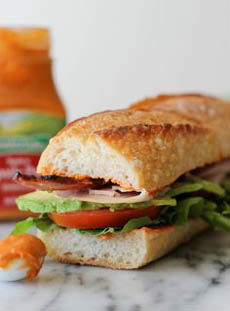
  • Riesling (W): Pair with Thai spring rolls, spicy stir-fried chicken or a bacon, lettuce and tomato sandwich on rustic country bread.
  • Rosé(R & W): Pair with everything from spicy sauces to crisp, light salads.
  • Roussanne (W): Pair with honey-glazed ham or butternut squash ravioli.
  • Sangiovese (R): Pair with sausage and caramelized onions, or pork chops with plum conserve.
  • Sauvignon Blanc (W): Pair with wild mushroom soup, grilled red snapper, or asparagus – especially sautéed in garlic.
  • Semillon (W): Pair dry Semillon with fresh halibut or mushroom couscous. Pair sweet Semillon with peach cobbler or pears sautéed in butter.
  • Sparkling (R & W): Pair with everything from Szechuan stir fry to triple crème cheeses.
  • Syrah (R): Pair with robust, hearty foods—from black bean chili with pork, to buffalo sliders or rich beef stews.
  • Tempranillo (R): Pair with dill-poached salmon, pork tenderloin with cilantro pesto, or steamed mussels.
  • Viognier (W): Pair with smoked oysters or mussels, or herb-roasted free-range chicken, goose or duck.
  • White Blends (W): Pair with fresh seafood, cold roast chicken, creamy polenta, or a range of cheeses—from ricotta to triple crème, from goat cheese to dry Jack.
  • Zinfandel (R): Pair with barbecued free-range beef, lamb, pork, chicken or spicy sausage.
  •  
    PAIRINGS FOR FAVORITE FOODS

  • Pairing Cheese With Wine & Beer
  • Pairing Wine & Chocolate
  • Pairing Wine & Desserts
  • Pairing Wine & Ice Cream
  • Pairing Wine & Sorbet For Cocktails
  •   

    Comments off

    TOP PICK OF THE WEEK: Pizzeria Pronto Stovetop Pizza Oven

    September 5th is National Cheese Pizza Day, honoring the original modern pizza, the Margherita. It was named after Queen Margherita, consort to Umberto I, King of Italy from 1878–1900.

    As the story goes, during a visit to Naples, she asked the best pizza maker in town, Don Raffaele, to make her a pie. He made it in the colors of the Italian flag, a simple but delicious pie of basil, mozzarella and tomatoes. Here’s the history of pizza.

     
    WHAT’S A STOVETOP PIZZA OVEN?

    Simply this: a steel case that sits on top of a gas burner and cooks your pizza atop pizza stones. There’s no electricity, no wood chips, no nuthin’ but the Pizzeria Pronto and your gas range.

    We love it: from the pizza stones that create an oh-so-delightful crust to the top quality ingredients we used. As long as we have dough in the fridge, we can have a pizza anytime we want, better than anything delivered. efficient new way to make pizza at home.

    Pizzeria Pronto is made by Companion Group, a company that began more than 30 years ago with the original Charcoal Companion charcoal chimney starter. The line now includes other grilling tools and accessories, and the Pizzacraft® line of artisan-quality pizza stones, pizza ovens, tools and accessories.

    In 2013 the company launched the first propane-fueled outdoor portable pizza oven, which pre-heats in 10 minutes and cooks the pie in 5 minutes. In 2016, the indoor Pizzeria Pronto® Stovetop Pizza Oven was released nationwide—the first gas range-powered indoor oven.

    Small but mighty, Pizzeria Pronto transforms your favorite dough and toppings into perfectly-cooked pizzas in just minutes (after all, the name means “pizza in a hurry”). With its heat-efficient design, it traps and reflects heat to harness the power of your gas range, creating an optimal cooking environment of up to 600°F. Yet, the room is no warmer than if you used your oven.
     
    How To Use Pizzeria Pronto Stovetop Pizza Oven

  • Simply place the round oven over a gas burner and turn on the flame.
  • The inside of the oven reaches 600°F, much higher than a conventional oven.
  • It preheats in 15 minutes and cooks a personal-size pizza in 6 minutes. TIP: If you want to keep the first pizzas hot while you cook more, keep them warm in a conventional oven preheated to 500°F.
  • You also need a personal-size pizza peel to insert and remove the pizza from the oven. The company sells one separately.
  •  
    The electric plug-in pizza ovens we’ve tried can’t hold a candle to it.

    It’s well worth the space it requires if you’d like to make pizza weekly or more often. We don’t have extra room in our kitchen so we did a bit of housecleaning. So long, old backup food processor and biannually-used waffle iron.
     
     
    WHERE TO FIND IT

    Pizzeria Pronto is available at major retailers such as Bed Bath & Beyond, Sur La Table, Williams-Sonoma and online. Williams-Sonoma carries a gray-top model instead of the standard red-orange model shown in the photos.

    Prices vary but it’s currently $106.27 on Amazon (a deep discount off the MSRP of $179.99).

      Pizzeria Pronto
    [1] Place the oven on the stove top and turn up the flame to preheat. Add the pizza. (all photos © Pizza Pronto),

    Pizzeria Pronto
    [2] Close the oven door.

    Pizzeria Pronto
    [3] Cook for six minutes.

    Pizzeria Pronto
    [4] Remove the pizza, fragrant and bubbling.

     
    Before buying, take a minute to look at the bottom of this page to see if your gas burners will work.
     
     
    OUR FIRST PIZZERIA PRONTO PARTY

    We invited the crowd over for a pizza party and bought (or over-bought, as is our won’t) the ingredients: regular and whole wheat doughs, sauces and cheeses for red and white pies.

    We provided lots of toppings: anchovies, garlic, jalapeños, mini meatballs, mushrooms, olives, onion and zucchini. But the crust (dough purchased from Fairway), sauce (the Classico brand Riserva line [not Bertolli Riserva]), mozzarella and ricotta (Bel Gioso) were so good that most people opted for a plain pie.

    We personally, however, had anchovies from Cento: not salty, just right.
     
     
    FEATURES & TIPS

    Features

  • Steel casing with a heat-efficient design (you won’t feel that it’s 600° of heat).
  • Ttwo Cordierite baking stones diffuse the heat and deliver a perfect crust.
  • Very little assembly required. You need no technical skill whatsoever.
  • The built-in thermometer tells you when it’s time to add the pizza.
  • A moisture vent on top prevents the crust pizza from becoming soggy.
  • Dimensions: 16.93 inches x 14.25 inches x 6.69 inches. Weight: 14.7 pounds, which we (non-athletic female) had no trouble lifting.
  • Not for use with electric or induction stoves.
  •  
    Tips

  • You’ll need cornmeal (semolina), so the bottom of the crust doesn’t stick to the stone plate.
  • Be sure to have a good pizza cutter and a brush to clean the pizza stone afterward.
  • One package of store-bought dough (we bought the fresh dough that comes in a plain plastic bag), meant for one large pie, makes two personal pizzas.
  •  
    HAVE FUN WITH IT!
      

    Comments off

    The Nibble Webzine Of Food Adventures
    RSS
    Follow by Email


    © Copyright 2005-2026 Lifestyle Direct, Inc. All rights reserved. All images are copyrighted to their respective owners.