|
We were grumpy because there was no decent bakery in our neighborhood. Then fate intervened and brought us…
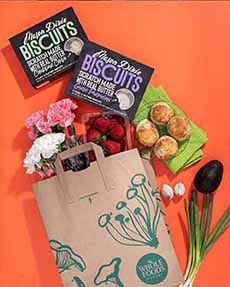
Premium biscuits, scones and sweet rolls from Mason Dixie Foods.
The line, which is sold frozen, is simply wonderful. No bakery could do a better job.
Quality and freshness are key to good baked goods, and freezine helps to keep them that way.
“That’s why our bakers handpick the freshest, natural pantry ingredients and why we freeze our products, locking in all the goodness without any additives or preservatives,” says Mason Dixie
The line, which is sold frozen, is simply wonderful.No bakery could do a better job.
“We’re about good, clean baking: for the people, by the people. Because when we eat good, we feel good. When we feel good, we live good. And when we live good, it’s all good.”
“So go ahead!” she says. “Butter that biscuit, crack into that scone, and lick those sticky bun fingers clean!”
Thank you Ayeshah: We will!
THE MASON DIXIE LINE
The products add something special to breakfast, lunch and dinner.
They’re terrific for a coffee or tea break.
And they also make one heck of a brunch or tea party.
We loved everything we tried; and damn the carbs. We’ll be a frequent customer.
(Online orders have free shipping!)
BEAUTIFUL BISCUITS
“What makes a perfect biscuit?” asks Mason Dixie. “Ice-cold butter, fresh buttermilk, clean, simple ingredients, and a lot of practice!”
If you’ve made biscuits from scratch, you know the challenge of getting that perfect texture.
“Ours took years to perfect, multiple broken machines, and lots of visits back to the drawing board. We went out of our way to unravel mass manufacturing processes to make our biscuits the right way,” notes Ayeshah.
“They even have the bumps, the nooks and crannies and bumps,” she continues.
Imperfections make for biscuit perfection. The biscuits are as close to handmade as you can buy (photos #1, #2 and #3).
We’re a biscuit-aholic, and now that we’ve tasted Mason-Dixie’s, we’ll never again be without an assortment in the freezer.
The tough part is decided among:
Buttermilk Biscuits
Cheddar Biscuits
Cheddar-Chive Biscuits
Garlic Parmesan Biscuits
Jalapeño Cheddar Biscuits
Pumpkin Spice Biscuits
Savory Herb Biscuits
SCRUMPTIOUS SCONES
Scones are some of the hardest pastries* to make. They can be moist and crumbly, or they can be unpleasantly dry.
Mason Dixie got them just right (photo #4), using the biscuit dough and the best fruits, chocolates, and spices.
Even the Queen would be proud, says Mason Dixie.
Have them all:
Blueberry Lemon Scones
Chocolate Chip Scones
Cranberry Orange Scones
SATISFYING SWEET ROLLS
The sweet rolls started out as a post-lunch treat for the staff, made by the team from biscuit dough scraps. They were so popular that they became a new product line (photo #5).
The fillings and icings are made with only the simplest, cleanest ingredients—unlike those chemically-enhanced “rolls” you get at the mall, says Mason Dixie.
Like the other Mason Dixie products, they contain no oils, no stabilizers, no artificial enhancements, only the real stuff .
How can you resist:
Cinnamon Rolls
Sticky Buns
GET YOURS!
Here’s a store locator.
Or shop online: There’s free shipping!
________________
*Scones are classified as small pastries or quick breads. The originals were baked on a griddle.
A quick bread is any bread leavened with a chemical leavening agent, rather than a natural one like yeast or sourdough starter. Quick breads include many cakes, brownies and some cookies, as well as banana bread, beer bread, biscuits, cornbread, muffins, pancakes, scones and soda bread.
|
|

[1] Tea, blood orange and a buttermilk biscuit (all photos © Mason Dixie Foods).

[2] Bacon and eggs with a cheddar biscuit.
[3] Fried chicken with a jalapeño cheddar biscuit.
[4] Blueberry lemon scones: tender and moist, not dry and crumbly.
[5] Sticky buns, warm from the oven. You can add as much or as little icing as you like.
[6] You can’t have too many boxes, for biscuits at breakfast, lunch, dinner and coffee breaks.
|