THE NIBBLE BLOG: Products, Recipes & Trends In Specialty Foods


Also visit our main website, TheNibble.com.

TIP OF THE DAY: 8 Sauces From Around The World


[1] Eight great sauces for your kitchen (photo © Good Eggs).


[2] This Buffalo sauce is an enhancement over the original Buffalo wing sauce, created by Good Eggs (photo © Good Eggs).

Chicken Cacciatore
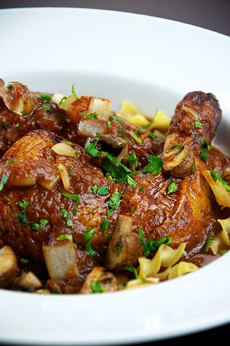
[3] Cacciatore sauce was originally made with garden ingredients to cook with the hunter’s rabbit. These days, it’s more likely to be a chicken from the market. Here’s the recipe (photo © Joshua Swigart | Wikipedia.


[4] When you see how many ingredients go into authentic Mole Poblano, you may be checking Latino grocers and specialty food for ready-made. Here’s the recipe from Latino Foodie (photo © Latino Foodie).


[5] Check out this quick and easy Penang Curry from Tastes Better From Scratch. Here’s the recipe (photo © Tastes Better From Scratch).


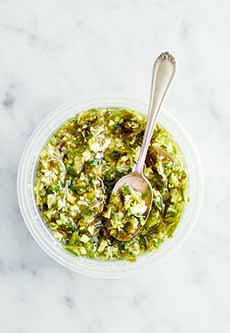
[6] Chunky scallion-ginger sauce from Good Eggs (photo © Good Eggs).


[7] Teriyaki chicken breasts (photo © McCormick).


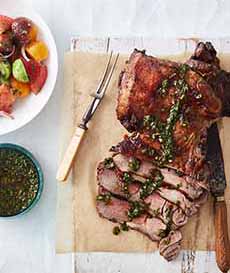
[8] Butterflied leg of lamb with chermoula sauce (photo © Australian Lamb).


March is National Sauce Month, the perfect time to share this article.

Good Eggs calls their article Around the World in 8 Sauces.

These aren’t the only international sauces you should consider. Here’s a more extensive list.

Our goal today is to provide some inspiration: sauces that can give new pizzazz to your everyday cooking.
 
 
1. AJÍ VERDE FROM PERU

Ají is a spicy chile that’s very popular in Peruvian cuisine. Ají sauce is “like the Latin American version of Sriracha,” says Good Eggs.

While there are green, red and yellow ají chiles and sauces, ají verde (green) is the most popular, served with roast chicken, grilled or seared meat and fish.

An herbaceous sauce, the addition of cilantro, lime and jalapeño add heat and zest to just about anything. (It’s the pale green sauce in photo #1.)

Try it on ceviche/tiraditio, enchiladas, huevos rancheros, or as a substitute for tomatillo salsa.

Use a dollop as a colorful garnish for chili or black bean soup, and on top of the sour cream or crema garnish for them.
 
 
2. BUFFALO SAUCE FROM BUFFALO, NEW YORK, USA

Buffalo wings have become an American snack staple.

Some people use Frank’s Hot Sauce (or other brand) straight; others blend the hot sauce with butter.

Good Eggs makes their own version of Buffalo Sauce (photo #2). Bay Area residents can purchase it from Good Eggs.

Their recipe is a secret, but combines white wine vinegar, unsalted butter, red bell pepper, yellow onion, jalapeño, honey, garlic and salt.

  • Use it to dress roasted cauliflower florets.
  • Mix it into deviled eggs.
  • Drizzle it over popcorn.
  • Garnish macaroni and cheese.
  •  
    Think beyond the chicken wing!
     
     
    3. CACCIATORE SAUCE FROM ITALY

    Cacciatore is Italian for hunter, so to prepare something “alla cacciatore” means “hunter-style.”

    The sauce was so named because it was how hunters would prepare the game that they caught that day—typically, a rabbit.

    Today a cacciatore dish is most often a quartered chicken from the market.

    The rustic sauce (photo #3) is made with tomatoes, onions, olives, bell peppers and red wine.

    Here’s a recipe for Chicken Cacciatore.

    You can thin the cacciatore sauce with broth or more wine for braises, or reduce it for a pasta sauce.

    Or, just heat the sauce and serve with grilled chicken or fish.

    In Italy, fare la scarpetta means to sop up all the sauce left on your plate (or in the pot) with bread.

    Cacciatore is served with warm, crusty bread for this purpose.
     
     
    4. CHERMOULA SAUCE FROM MOROCCO

    Chermoula is a North African sauce, traditionally used with seafood.

    A mix of fresh herbs and spices, it can be a marinade or a finishing sauce for both fish and meat.

    We like it to serve it with roasted lamb (photo #8).

    Chermoula is also delicious with grains and roasted vegetables.

    Mix it with plain yogurt to make a Middle Eastern-inspired dipping sauce, or thin it out with a bit of olive oil for a bright salad dressing.

    You can mix up chermoula from cilantro and extra virgin olive oil, seasoned with chili flakes. coriander, cumin, paprika, sea salt.

    Here’s a recipe.
     
     
    5. MOLE POBLANO SAUCE FROM MEXICO

    There are numerous types of Mexican mole sauces. Regional preferences result in different ingredients, colors and degrees of heat.

    Mole poblano is famous for the smoky, sweet flavors of the poblano chiles, blended with unsweetened chocolate, fruit, almonds and warm spices.

    The result: a rich, earthy sauce that can serve as the foundation of many recipes—grain, meat, poultry, seafood, vegetables.

    Use mole sauce to dress roast vegetables or grilled meats, to braise chicken or pork, and with enchiladas and tamales.

    You can also use mole to marinate firm fish like swordfish, or as an alternative to barbecue sauce for Mexican-style pulled pork.

    Here’s a recipe for mole sauce.
     
     
    6. PENANG CURRY SIMMER SAUCE FROM THAILAND

    Penang curry sauce blends classic Thai spices like coriander, lemongrass, kaffir lime leaf, and aromatic ginger with coconut milk and fish sauce.

    Balancing salty, citrus, and sweet flavors, it’s a mild curry meant for beef or pork, but it it’s also delicious with with chicken or tofu.

    Good Eggs sells a Penang Curry simmer sauce.

    If you’re not in their delivery area, check at your local specialty food store.

    We’ve never made Penang curry, but we have enjoyed it often, at Thai restaurants.

    If you want to make it at home, here’s a recipe for Penang Curry that looks very good (photo #5).
     
     
    7. SCALLION GINGER SAUCE FROM CHINA

    Good Egg’s scallion ginger sauce is different from the ginger scallion sauce that’s usually served with Chinese dumplings.

    Their ready-to-buy sauce (photo #6) is a thick paste of scallions, canola oil, ginger and salt.

    It goes with any savory dish, from poached chicken to grilled veggies, lettuce wraps and more.

    Simply add garlic to this mix, says Good Eggs, and you’ll have the “holy trinity” of Cantonese cooking: a base for stir-fries or almost any sautéed dish.

  • When thrown into a wok or pan with hot oil, the pungent aromatics infuse the oil with their flavors.
  • When mixed with some sesame oil and a dollop of honey, this sauce makes a bright and refreshing salad dressing or dipping sauce.
  •  
    Here’s our recipe for classic Chinese restaurant style ginger scallion sauce.

    Bring on the dumplings, or a bowl of rice or other grain!
     
     
    8. TERIYAKI GLAZE FROM JAPAN

    The word “teriyaki” actually refers to a style of cooking in which meat is coated with the sweet and salty sauce, then roasted over an open fire.

    Today, the word applies to the sauce and anything cooked with it (photo #7).

    A simple teriyaki sauce is made from soy sauce, mirin, sugar and ginger.

    Some cooks—and the Good Eggs Kitchen—substitute honey for the refined sugar.

    And they reduce it into a glaze.

    Teriyaki is traditionally meant to be a cooking sauce, but when reduced to a glaze, you can also:

  • Blend it into salad dressings.
  • Use it as a dipping sauce.
  • Mix it into marinades.
  • Add a dash to ground meat and herbs for a simple lettuce cup appetizer.
  •  
    Here’s a recipe for homemade teriyaki sauce.

    Are you inspired?

    We hope this “world of sauces” will make your proteins, grains and veggies sing.
     
     
    This article was adapted from one © Good Eggs, Around the World in 8 Sauces.


    Comments off

    PRODUCT CHOICE: Tomato Sauces For National Sauce Month

    March is National Sauce Month.

    The sauce most used in American homes is tomato sauce—for pasta, pizza, eggs, meatloaf, soup base, dipping and so much more.

    However, tomato sauce/pasta sauce is one of the biggest sources of hidden added sugar in prepared foods.

    Look at the labels of the foods you buy: both the grams of sugar per serving and the serving size.

    Check out the sugar in these popular tomato sauces:
    For example:

  • Bertolli Tomato & Basil = 12 grams
  • Prego Traditional = 10 grams
  • Barilla Marinara = 9 grams
  • Ragu Old World Style Traditional = 8 grams
  •  
    And on and on. You can check more brands’ sugar content here.

    According to the American Heart Association:

  • Adults should consume no more than 40 grams of added sugar a day.
  • Children should consume less than 25 grams of added sugar per day, which is equivalent to 6 teaspoons.
  • Children under the age of 2 should not have any sugar-added foods or beverages.
  •  
    That includes not only the sugar you put onto oatmeal and into tea, but the hidden added sugars, which can comprise the majority of sugar grams consumed daily.

    Added sugars are those sugars that have been used by the food industry to enhance a food’s flavor. These are processed sugars, compared to the natural sugars in a piece of fruit.

    Natural sugars are digested more slowly and help you feel full for longer. Refined (processed sugar) can spike your metabolism stable.

    Plus, why add to your 40g of daily sugar when you don’t have to?

    That’s why we’re highlighting three pasta sauces for National Sauce Month.

  • These three are all natural, gluten free, no sugar added, Non GMO, low in sodium, and no fillers, additives or preservatives.
  • Two of the three are USDA Organic (Otamot, The Jersey Tomato).
  • Twp certified kosher (Jar Goods, The Jersey Tomato).
  •  
    There are other sauces out there that meet these criteria. But in our particular supermarket, we don’t find them on the shelf.

    Instead, we head to natural foods and specialty foods markets and stock up. And, online ordering!

    In alphabetical order, we present:
     
     
    JAR GOODS

    These are gourmet sauces, in that they can dress the most elegant dishes.

    The line was begun by two sisters-in-law. With initial investment of $150, they bottled a family recipe by hand and began to sell at farmers markets and street fairs.

    Their grass-roots efforts were a success, and today the line—bottled in a food packaging plant—includes:

  • Classic Red Tomato Sauce
  • Classic Spicy Tomato Sauce
  • Classic Vodka Tomato Sauce
  • Vegan Vodka Tomato Sauce
  •  
    The Classic Red, Classic Spicy and Vegan Vodka sauces are certified OU Kosher/Pareve. The Vodka sauce contains cream.

    Here’s a store locator.

    You can also buy directly from the website.

    And if you like to bring little gifts to friends and family, these slender jars look great with a bow or ribbon.
     
     
    OTAMOT ESSENTIAL SAUCE

    Otamot is called Essential Sauce because it sneaks in 10 vegetables and their nutrients. And no one is the wiser.

    The main ingredient, of course, is tomato. Otamot is tomato spelled backwards.

    Otamot was created by the parent of a picky eater, who set out to create a more nutritious tomato sauce, a food his daughter would eat.

    Starting with the concept of tomato sauce, he found a way to add a nutrient boost to meals, including vitamins, minerals and fiber.

    The solution: a tomato-based sauce combined with ten other vegetables.

    It’s full of flavor, and a great way to sneak in vegetables that the vegetable-averse will never suspect.

    But you don’t have to be vegetable-averse to love this sauce: It’s delicious for everyone.

    There are three varieties:

  • Organic Essential Sauce
  • Organic Carrot Bolognese
  • Spicy Organic Sauce*
  •  
    The sauces are gluten free, no sugar added, Non GMO, USDA Organic, high in fiber, and have 3 grams of protein per serving.

    We made it a Top Pick Of The Week (here’s our review).
    Check out the website, OtamotFoods.com, for a store locator and online purchase.
     
     
    THE JERSEY TOMATO CO.

    The brand, made from Jersey tomatoes, has Top Chef Head Judge Tom Colicchio as the brand’s official partner and culinary consultant.

    The brand’s emphasis on vine-ripened, garden-fresh taste and naturally healthful attributes.

    The sauces are very chunky. Varieties include:

  • Marinara Sauce
  • Tomato Basil Sauce
  • Spicy Tomato Sauce
  • Roasted Garlic Sauce
  •  
    The line is certified kosher by KOF-K.

    Head to JerseyTomatoCo.com for more information and online sales.
     
     
    Are you ready to get saucy?


    [1] Jar Goods’ four varieties of tomato sauce (photos #1, #2 and #3 © Jar Goods).


    [2] Use it anywhere, including shakshouka: eggs cooked in spicy sauce.


    [3] The classic: spaghetti and meatballs.


    [4] Otamot: a tomato sauce with 10 additional “hidden” vegetables for more nutrition (photos #4 and #5 © Otamot Foods).


    [5] Get creative: Here’s Otamot on tacos.


    [6] The Jersey Tomato brand is made from—you guessed it!—Jersey tomatoes (photos #6 and #7 © The Jersey Tomato Co.).


    [7] Comfort food!


    Comments off

    RECIPE: Hot Feta Dip For Greek Independence Day


    [1] A hot feta dip, with a bit of honey and thyme (photos #1, #2 and #3 © Murray’s Cheese).


    [2] You can serve it with as many accompaniments as you like.


    [3] Greek feta cheese. See the footnote* for an eye-opener about feta.

    Fresh Thyme Sprigs For Asparagus Pizza
    [4] Dried herbs are convenient, but there’s nothing like the flavor and aroma of fresh herbs (photo © Karolina Grabowska | Pexels.


    March 25th is Greek Independence Day.

    We love Greek food, and always have a selection of mezze in the fridge: babaganoush, feta, hummus, kalamata olives, tabbouleh; cans of grape leaves in the pantry; and pita in the freezer.

    So we’re ready for Greek Independence Day, with a bottle of Assyrtiko, a Greek white wine.

    The grape is indigenous to the island of Santorini, where it grows in the volcanic-ash-rich soil.

    This year, we’re adding this warm, salty-sweet baked feta dip or spread.

    The recipe is adapted from one by Murray’s Cheese—our favorite online resource for the best cheeses and accompaniments.

    > The History Of Feta Cheese
     
     
    RECIPE: BAKED FETA DIP

    Prep time is 10 minutes, bake time is 20 minutes.

    Ingredients For 4-6 Servings

  • Pita bread, cut into triangles and toasted
  • 7 ounces feta cheese
  • 1 tablespoon extra virgin olive oil
  • 1 tablespoon honey
  • Fresh ground black pepper
  • Garnish: 1 tablespoon fresh thyme leaves†, stripped (see how below)
  •  
    For Serving

  • Tomato wedges
  • Crudités
  • Kalamata olives
  • Greek wine
  •  
    Preparation

    1. PREHEAT the to 400°F, and preheat the boiler for Step 3 [or use the oven broiler]. Lightly toast the pita bread and transfer the feta to a small ovenproof dish or pan.

    2. COVER the feta with olive oil and bake in the oven for about 8 minutes, until the cheese is springy to the touch but not melted. Then remove from the oven. Meanwhile…

    3. MELT the honey in the microwave or over a pan of simmering water. When the honey is fluid, spread it over the top of the feta with a pastry brush, and put the feta under the broiler.

    4. BROIL the feta until the top of the cheese has browned and begins to bubble. Remove, season to taste with black pepper, garnish with thyme leaves, and serve with the pita and other accompaniments.
     
     
    HOW TO STRIP THYME LEAVES

    We have a kitchen scissors with a hole at the top of the blades. It’s meant to strip leaves off herbs: Simply pull the sprig through the hole.

    But there’s another way: Use your fine-mesh strainer.

    Simply pull the end of the thyme stems (photo #4) through a hole (you may have to expend some energy). The leaves will stay in the strainer.

    This works with any woody-stem herb: marjoram, oregano, tarragon, thyme and rosemary.

    Tip: If you don’t want to throw away the stems, stick them in the freezer.

    Both woody and soft herb stems can be used to flavor broths, soups and stocks.
     
    ________________

    *Surprisingly, say the experts at Murray’s Cheese, only 2% of feta consumed in the U.S. actually comes from Greece, Murray’s sources authentic Greek feta (photo #3): pure sheep’s milk feta, directly from the ancient Greek regions of Thessaly and Macedonia. Artisan cheese makers follow the original, millennia-old recipe. The cheese is aged in wooden barrels for sixty days, resulting in a creamy texture and tangy, citric flavor— unparalleled among other fetas. Treat yourself!


    Comments off


    © Copyright 2005-2026 Lifestyle Direct, Inc. All rights reserved. All images are copyrighted to their respective owners.