THE NIBBLE BLOG: Products, Recipes & Trends In Specialty Foods


Also visit our main website, TheNibble.com.

TIP OF THE DAY: 20 Ways To Serve Tortellini

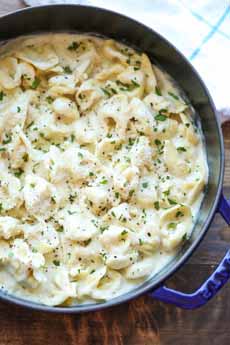
Tortellini Alfredo
[1] Tortellini alfredo. Here’s the recipe from Damn Delicious.

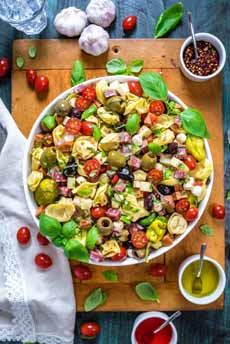
Tortellini Antipasto Salad
[2] Tortellini antipasto salad. Here’s the recipe from Host The Toast.

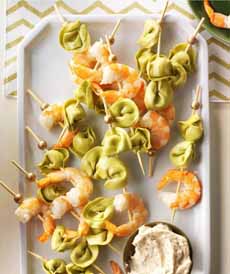
Tortellini Shrimp Skewers
[3] Tortellini and shrimp skewers. Here’s the recipe from Taste Of Home.

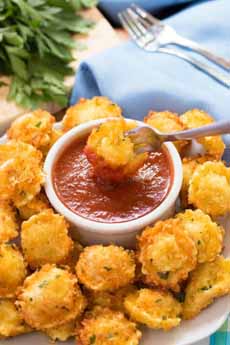
Fried Tortellini Bites
[4] Fried tortellini bites with marinara sauce dip. Here’s the recipe from The Cozy Cook.


February 13th is National Tortellini Day.

Most people think of a dish of tortellini with their favorite sauce. But tortellini can be so much more.

Here are 20 ideas for lunch, dinner and hors d’oeuvre.
 
 
20 WAYS TO SERVE TORTELLINI

APPETIZERS & SALADS

  • Add to favorite salads (Caesar, caprese, cobb, etc.)
  • Antipasto skewers (recipe)
  • Appetizer with dip (recipe—serve at room temperature)
  • Green salad (recipe)
  • Fried tortellini “bites” with marinara dipping sauce (recipe)
  • Pasta salad (recipe)
  •  
    SOUP

  • Creamy tortellini tomato soup (recipe)
  • Lasagna tortellini soup (recipe)
  • Sausage tomato tortellini soup (recipe)
  • Soup dumplings (tortellini en brodo recipe)
  •  
    PASTA

  • Casserole/bake/skillet (recipe)
  • One pan tortellini, chicken and vegetables (recipe)
  • Pizza topping (recipe)
  • Stew dumplings (recipe)
  • Stir-fry (recipe)
  • Tortellini alfredo (recipe) or carbonara with bacon (recipe)
  • Tortellini in garlic butter (recipe)
  • Tortellini mac and cheese (recipe)
  • Tortellini primavera (recipe)
  • Tortellini with mushrooms and crispy sage (recipe)
  •  
     
    THE HISTORY OF TORTELLINI

    Tortellini are made by filling long strips of pasta, rolling them into tubes and cutting individual pieces, which are pinched together with the thumb and forefinger. The famous “loop” shape is said to be based on the belly button of the Venus, the Roman goddess of love.

    One of the most famous versions of the legend, written in the 14th century, tells us that that Bacchus, Mars and Venus came down to earth to intervene in a 12th century war between Bologna, the historic capital of the Emilia-Romagna region in northern Italy; and Modena, also in Emilia-Romagna, the home of balsamic vinegar (plus the Ferrari and Lamborghini sports cars.)

    The gods spent the night at an inn in Castelfranco, a small town located between the two cities.

    In the morning, Bacchus and Mars arose early to visit the battle site. When Venus awoke and could not find her companions, she called for the innkeeper, who arrived to find the goddess of love naked. Inspired by her navel, he created a new shape of pasta. (Seriously, Mr. Innkeeper—her navel is what inspired you?)

    Tortellini are made in a size that fits easily onto a soup spoon. There is a recipe for tortelloni, larger tortellini, that dates back to the 12th century. The first recipe for tortellini alla Bolognese, tomato and meat sauce, appeared in Bologna in 1550 and became a signature dish in that city. (Note that Tuscans also claim tortellini as their regional pasta.)

     
    Tortellini en brodo was the traditional Christmas soup, made with capon broth, which was favored by the ruling classes. The broth was made rich by cooking all the meat in it. The meat was then turned into a stuffing with Parmigiano-Reggiano, prosciutto crudo and/or mortadella.
     
     
    TRIVIA: TORTELLINI & RAVIOLI DIFFERENCE

    Both tortellini and ravioli are what is known as “pillow pasta”: stuffed pasta that is pillowy, compared to long strands (spaghetti, fettuccine, etc.) or short cuts (bowties, wagon wheels, etc.).

  • Tortellini translates to “little stuffed cakes.” A single layer of pasta, topped with a filling, is folded into a hat-like shape. The singular form is tortellino.
  •  

  • Ravioli, the plural of “raviolo,” translates to “little turnip.” Ravioli is two layers of pasta with a filling in-between, that form a pillow-like shape.
  •  
    FOR MORE PASTA SHAPES, CHECK OUT OUR PASTA GLOSSARY.


    Comments off

    RECIPE: Seasonal Apple Cider Cocktail

    Seasonal and sweet, apple cider is a timely and delicious ingredient for fall and winter cocktails. It’s part of Union Square Cafe’s seasonal cocktail.

    Combined with applejack and gin, this cider cocktail is easy to make at home. Our thanks to Union Square Cafe and the Florence Fabricant/The New York Times for the recipe.

    The recipe can be made in 15 minutes, plus 2 hours’ chilling.
     
     
    RECIPE: SPIKED MARKET CIDER

    Ingredients For 2 Cocktails

  • 1 cup of sweet apple cider
  • 3 ounces applejack
  • 2 ounces gin
  • 1 tablespoon fresh lemon juice
  • 1/2 tablespoon tablespoon of simple syrup* or maple syrup
  • Generous dash bitters
  • Crushed ice
  • Garnishes: apple slices, nutmeg
  •  
    Preparation


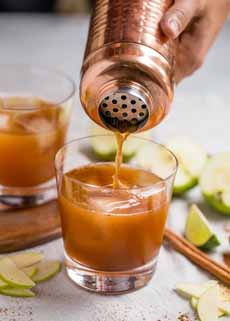
    Apple Cider Cocktail

    [1] Cider is a great seasonal ingredient for cocktails. Also try this Bourbon Ginger Cider cocktail from Plays Well With Butter.

     
    1. COMBINE the first six ingredients in a jar, pitcher or cocktail shaker. Chill for two hours or longer.

    2. POUR into two old-fashioned/rocks glasses filled with crushed ice. Shake a bit of nutmeg on top and add the apple slices.
    ________________

    *The restaurant makes its simple syrup with demerara sugar. Here’s the recipe for simple syrup.


    Comments off

    TIP OF THE DAY: Save Your Honey Bears

    Honey Bear Cocktail

    [1] Nugget, the honey bear gets a new job: as a drink holder, served in a rocks glass with a garnish of leaves (substitute something edible, like pineapple or cucumber spears). Concept from Sunday In Brooklyn, photo by Eric Medsker.


    The honey bear bottle: so adorable that many people choose their honey just because of the container.

    But what happens when the honey is gone? Before we saw this photo, we had no use—and no space—for the empty containers.

    Although it can be used as a squeeze bottle for anything, we had enough squeeze bottles.

    So our honey bears were recycled into the plastic trash.

    After we saw this honey-accented cocktail served in a honey bear (photo #1), we had second thoughts, and looked online for a source for empty honey bear bottles. We found two companies that appear to have no minimum order:

  • Berlin Packaging
  • The Cary Company
  •  
    Today, you can find honey bears in the original size that holds 8 ounces of honey (or other product), as well as 12-ounce and 24-ounce sizes.

     
    HONEY BEAR BOTTLE HISTORY

    While a patent for a honey bear bottle design was applied for several years earlier by Edward Rachins, the first honey bear was manufactured and sold in 1957 by Ralph and Luella Gamber, the founders of Dutch Gold Honey.

    They were looking for a unique container for their honey, and their design was an instant hit.

    The bottle has become so iconic, that in 2007, Dutch Gold held a naming contest for the honey bear. The Gamber family selected “Nugget” from among the entries [source].

    The honey bear has been used for other products. We’ve seen them with maple syrup, for example.

    And The Carey Company, manufacturers of the bottles, has a Pinterest page showing, among other things, empty bottles turned into:

  • Candy favors
  • Drink holders—especially for kids
  • Liquid bubble soap
  • Vases and more
  •  
    So the next time you finish the honey in your Honey Bear, wash him and put him aside. When you have two empties, use them to serve a cocktail or mocktail to your “honey.”


    Comments off

    PRODUCTS: Valentine Gifts That Aren’t Chocolate

    Not everyone wants chocolate for Valentine’s Day. Here are three better-for-you options for that someone special.
     
     
    1. LAUDEMIO FRESCOBALDI EXTRA VIRGIN OLIVE OIL

    There are enough excellent EVOOs out there to make decision-making difficult. So here’s an easy choice:

    Marchesi de Frescobaldi Laudemio Harvest Extra Virgin Olive Oil (photo #1). Silky and elegant, this olive oil is so good we prefer it to butter on our bread, drizzle it over vanilla ice cream, anoint a great steak and yes, dress a salad. The oil is so good, you don’t need vinegar—just a squeeze of fresh lemon or lime.

    The Frescobaldi family has been making wine in Tuscany since 1000 C.E., and olive oil since 1300.

    In the Middle Ages, Laudemio was the term given to the best part of the harvest, the EVOO destined for the table of the lord of the manor. Today, the name Laudemio Frescobaldi is given to one of the finest expressions of extra virgin olive oil.

    This 2018 harvest marks the 30th anniversary of the Laudemio brand. For this special occasion, the olive oil has been packaged in a beautiful gold bottle, reminiscent of a perfume bottle owned by the Marchesa Fiorentina Bona Frescobaldi. The bottle is a keeper: When you’ve finished the contents, refill it with the current vintage.

    The 2018 vintage, just pressed in October, is fresh, delectable and waiting for anyone who appreciates fine olive oil.

    You can purchase it on Amazon ($43.99) and at other retailers. Here’s more about Laudemio.
     
     
    2. SNAKE RIVER FARMS WAGYU

    Snake River Farms is one of the country’s best purveyors of fine meats. For a protein-packed gift, they’ve chosen three gift packages:

  • American Wagyu Staples ($99): This package features cuts of American Wagyu Top Sirloin and Ribeye Filet, for a delicious dinner for two (photo #2).
  • First Class Filets ($199): For a larger group, this package includes six 8-ounce American Wagyu filet mignons. There’s also a jar of Jacobsen Black Pepper Infused Salt to season them with.
  • Thomas Keller’s Gold Bar Gift ($325): Chef Thomas Keller’s package features American Wagyu beef and K+M chocolate bars. Perfect for a night in with loved ones, this package also includes a cooking guide from Chef Keller and a recipe for the K+M Pot de Crème.
  •  
    There are many other meaty gifts to consider. Their Kurobuta ham is perhaps the best ham in our memory.

    See all of the choices at SnakeRiverFarms.com.
     
     
    3. YONANAS FROZEN TREAT MAKER

    Yonanas was created for ice cream and sorbet fans who want the experience without the refined sugar.

    It turns fresh fruit into soft serve “sorbet,” by processing the fresh fruit in the machine (photo #3).

    Yonanas almost instantly transforms your favorite fruits—bananas, berries, mango, pineapple, the whole fruit department—into a silky-smooth frozen confection. All you have to do is pre-freeze the fruit.


    Laudemo 30th Avnniversary EVOO
    [1] Outstanding extra virgin olive oil in a 30th anniversary gold bottle (photo courtesy Laudemio Frescobaldi).

    Snake River Farms Wagyu
    [2] Wagyu for an intimate dinner for two (photo courtesy Snake River Farms).

    Yonanas Machine
    [3] No-sugar-added sorbet, ready in a minute with the Yonanas Frozen Treat Maker (photo courtesy Yonanas).

     
    Then, take the fruit from the freezer, toss it into the chute, and it emerges as thick, creamy soft serve-like “sorbet.” In a minute, you have your frozen treat.

    There’s no sugar added. If your fruit ends up lacking in natural sweetness, our hacks are to sprinkle the sorbet with a bit of agave, honey or Splenda.

    Yonanas Classic is available at retailers nationwide starting at $39.99. Check it out at Yonanas.com.


    Comments off

    Valentine Brownies, Quick Or Old School, Plus 5 Brownie Holidays

    Heart Shape Brownies
    [1] Share the love with heart-shape brownies.

    Dutched Cocoa Powder
    [2] Dutched cocoa removes the bitterness by adjusting the pH with alkali.

    Chocolate Chips
    [3] Use the best quality chocolate chips. We like Ghirardelli and Guittard (photos 1, 2 and 3 courtesy King Arthur Flour)

    Dutched & Undutched Cocoa
    [4] Dutched cocoa at left, and natural cocoa at right (photo courtesy Silk Road Spice Merchant).


    If you want to do something special for Valentine’s Day but are short on time, here’s a hack for this recipe:

    All you need are a brownie mix and a heart-shape cookie cutter.

    We prefer made-from-scratch, of course. The recipe below is from King Arthur Flour.

    You can save time with the from-scratch recipe by omitting the chocolate ganache. Brownies are plenty sweet and chocolatey without topping them with more sweet chocolate.

    If you do want the ganache, we suggest the drizzle rather than the full ganache coating (i.e., frosting).

    Prep time is 20 minutes, bake time is 28 to 30 minutes.

    > The history of brownies.

    > Check out the year’s 6 brownie holidays, below.
     
     
    RECIPE: VALENTINE BROWNIES

    Ingredients For 3 Dozen 2″ Hearts

  • 1 cup (16 tablespoons) unsalted butter
  • 2-1/4 cups sugar
  • 1-1/4 cups Dutch-process cocoa
  • 1 teaspoon salt
  • 1 teaspoon baking powder
  • 1 tablespoon vanilla extract
  • 4 large eggs
  • 1-1/2 cups all-purpose flour
  • 2 cups chocolate chips
  • 1 teaspoon espresso powder
  •  
    For A Ganache Drizzle

  • 2/3 cup chocolate chips
  • 6 tablespoons heavy cream
  • 1/2 tablespoon light corn syrup
  •  
    -or-

    For A Full Ganache Coating

  • 1 1/3 cups chocolate chips
  • 3/4 cup heavy cream
  • 1 tablespoon light corn syrup
  •  
    Preparation

    1. PREHEAT the oven to 350°F. Lightly grease a 9″ x 13″ pan. Line with parchment and grease the parchment. While this step isn’t strictly necessary, it makes getting the brownies out of the pan a whole lot easier.

    2. MAKE the brownies: In a medium-sized microwave-safe bowl, or in a saucepan set over low heat, melt the butter. Then add the sugar and stir to combine.

    3. RETURN the mixture to the heat (or microwave) briefly, just until it’s hot (about 110°F to 120°F) but not bubbling. It will become shiny-looking as you stir it. Heating this mixture a second time will dissolve more of the sugar, which will yield a shiny top crust on your brownies.

    4. STIR in the cocoa, salt, baking powder, and vanilla. Whisk in the eggs, stirring until smooth; then add the flour, chips and espresso powder, again stirring until smooth. Spoon the batter into the prepared pan.

    5. BAKE the brownies for 28 to 30 minutes, until a cake tester or toothpick inserted into the center comes out clean or with just a few moist crumbs clinging to it. The brownies should feel set on the edges and barely set in the center.

     
    6. REMOVE the brownies from the oven and cool them on a rack for 20 minutes before turning them out of the pan. Loosen the edges and use a spatula or turner to loosen the bottom as much as possible. Then flip the pan over onto another sheet of parchment or wax paper. Peel the parchment off the bottom of the brownies and let them cool completely.

    7. USE a 2″ heart cutter to cut 3 dozen hearts out of the brownies (or use a smaller or larger cutter to cut more or fewer hearts.) Place the hearts on a rack set over a piece of parchment or waxed paper.

    8. DECIDE whether you want to drizzle the hearts with ganache, or coat them completely. You’ll make the lesser amount of ganache for drizzling, the greater amount for glazing.

    9. MAKE the ganache: Combine the chips, cream and corn syrup in a microwave-safe bowl. Heat until the cream is very hot.

    10. STIR the mixture until the chips melt. Then, drizzle over the brownie hearts or spread to cover completely.
     
     
    NATURAL VS. DUTCHED (DUTCH PROCESS) COCOA

    Cocoa powder in its untreated state is called natural cocoa. It is yellowish-brown in color.

    Dutched chocolate, or Dutch process chocolate, is a deeper brown color, which leads most people to think that it is richer and has more chocolate flavor.

    In fact, the alkali added to Dutched cocoa changes the pH of the cocoa to make it milder in flavor than natural cocoa, not deeper.

    In 1828, Coenrad Johannes van Houten, the same engineer who developed the hydraulic press that created cocoa powder by crushing the nibs to separate the fat (cocoa butter), developed the process of treating the nibs with alkaline salts (alkali)* to neutralize the acidity and bitterness prior to crushing.

    Van Houten was Dutch, so the process became known as Dutch process, or Dutching.

    No Substitutions!

    Because the pH is changed, you should not substitute these two types of cocoas in baking. While both will make a nice cup of cocoa, leavening will vary because of the differing acidities.

    Here’s more about it.
     
     
    THE YEAR’S 6 BROWNIE HOLIDAYS

  • January 22: National Blonde Brownie Day
  • February 8: National Molasses Bar Day†
  • February 10: National Cream Cheese Brownie Day
  • May 9: National Butterscotch Brownie Day
  • August: National Brownies At Brunch Month
  • December 8: National Brownie Day
  • ________________

    *Alkali is a chemical salt that neutralizes or effervesces with acids, such as lime or soda. If you remember back to high school chemistry, it turns litmus paper blue. The process darkens the cocoa powder, changes its taste by reducing bitterness, and increases the dispersability of cocoa powder for various applications such as flavoring beverages.

    A molasses bar recipe can also be a “molasses brownie.” Or, it could be in another type of bar cookie, such as an energy bar.


    CHECK OUT WHAT’S HAPPENING ON OUR HOME PAGE, THENIBBLE.COM.


    Comments off

    The Nibble Webzine Of Food Adventures
    RSS
    Follow by Email


    © Copyright 2005-2026 Lifestyle Direct, Inc. All rights reserved. All images are copyrighted to their respective owners.