THE YEAR’S 3 ZUCCHINI HOLIDAYS
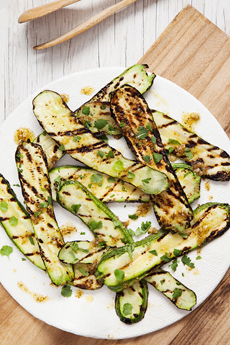
April 25: National Zucchini Bread Day
August 8: National Sneak Some Zucchini Onto Your Neighbor’s Porch Day*
August 8: National Zucchini Day†
August 25: National Zucchini Day†
________________
*One of the more amusingly-named holidays, National Sneak Some Zucchini Onto Your Neighbor’s Porch Day on August 8th originated in the 1980s. It’s credited to Tom Roy, a humorist from Pennsylvania. The holiday acknowledges a very real issue: zucchini is legendary for its prolific production, and home growers often plant too much. The result: There’s simply too much zucchini and not enough opportunities for the family to eat it. However, these days we’re aware that many churches, food banks, soup kitchens, and other organizations would be happy to take a load of zucchini.
†National Zucchini Day is celebrated on August 8th in some references, but is also sometimes listed as August 25th. This day is more of a straightforward celebration of the vegetable itself—its versatility in cooking, nutritional benefits, etc. So while the two zucchini holidays might fall on the same date (August 8th), one is about the comedic abundance of home-grown zucchini, while the other celebrating the vegetable as a food.
And by the way, zucchini is actually a fruit. Fruits are not necessarily sweet. Tomatoes are fruit, avocados are fruit, hot chiles are fruits, cucumbers and squash are fruits. Because they aren’t sweet, people think of them (and classify them in recipes and produce departments) as vegetables. But by botanical definition, fruits have their seeds on the inside: the seeds, or pits, are contained in the fruit’s ovary sac. A major exception is the strawberry.
Botanically speaking, the strawberry is not a true fruit; it’s classified as an accessory fruit or false fruit. What appear to be seeds on the outside are actually the true fruits of the plant. They’re called achenes, and each little achene contains a seed inside. The red, fleshy, sweet part we eat is actually enlarged receptacle tissue—the part of the flower stem that held all the flower parts. So technically, when you eat a strawberry, you’re eating the swollen flower base with dozens of tiny fruits stuck to the outside! So despite this scientific technicality, strawberries are called fruits in everyday language, because we use them like most other sweet fruits.
Other botanical quirks:
> With apples, pears, and quince, the core is the true fruit; the flesh is enlarged receptacle tissue.
> Figs are actually an inverted flower cluster (called a syconium) with tiny flowers/fruits inside.
> Blackberries and raspberries are classified as aggregate accessory fruits. Each little bubble (called a drupelet) is actually a separate tiny fruit, with each one attached to a receptacle. When a raspberry is picked, the receptacle stays on the plant (giving the raspberry its hollow interior), but with blackberries, the receptale remains attached.
> Pineapples and mulberries are formed from many flowers that fuse together along with the stem tissue.
> With cashews, the “cashew apple” is the swollen stem, while the cashew nut (in its shell) is the true fruit.
> With rose hips the fleshy part is the swollen receptacle; the true fruits are the achenes inside..
On the flip side, many things we don’t think of as fruits botanically are indeed true fruits: beans, cucumbers, eggplants, grains, nuts,peppers, squash, and tomatoes. Mother Nature likes to keep us guessing!
CHECK OUT WHAT’S HAPPENING ON OUR HOME PAGE, THENIBBLE.COM.
|