THE NIBBLE BLOG: Products, Recipes & Trends In Specialty Foods


Also visit our main website, TheNibble.com.

Homebrewed Vinegar Book: Make Delicious Artisan Vinegar For Home & For Gifts

Mankind has been making vinegar for more than 10,000 years. It was inadvertently created alongside its alcoholic forbears—wine, beer, and other spirits. Vinegar quickly became a culinary staple as well as a health tonic.

Vinegar can compliment dishes by delivering a complexity of flavors. While for most people, “vinegar” means apple cider vinegar, balsamic vinegar, distilled white vinegar and sherry vinegar, you can make flavor-infused vinegars with fruits (raspberry, maple, plum, e.g.), herbs (tarragon, herbs de Provence, e.g.) and spices (ginger, garlic, vanilla, e.g.).

Fermentation expert Kirsten K. Shockey opens our eyes to making vinegar at home, with her new book, Homebrewed Vinegar: How to Ferment 60 Delicious Varieties, Including Carrot-Ginger, Beet, Brown Banana, Pineapple, Corncob, Honey, and Apple Cider Vinegar.

The book is a deep dive into this ancient condiment, health tonic and kitchen staple.

If you’re a great cook, or simply someone who loves great cooking, you’ll appreciate the world of vinegars in this book.

And you don’t just explore: You’ll get inspired to make your own vinegar, for your home table and for gifts.

While most of us think of grapes as the base for vinegar, vinegar can be made from any food that has fermentable sugar, from any other fruits to flowers, even to beer (after all, champagne, red and white wines, and sherry are commonly made into vinegar).

In this era of sustainability, homemade vinegar is also a way to minimize kitchen waste. For example, you can make vinegar from the pulp left over from juicing, or from overripe mushy bananas.

Intrigued? Read on!
 
 
DISCOVER EVERYTHING ABOUT HOMEBREWED VINEGAR

You’ll get the foundational skills and knowledge for fermenting your own vinegar.

  • In-depth coverage of the science of vinegar and the basics of equipment, brewing, bottling, and aging.
  • The many methods and ingredients for making vinegars, from apple cider to red wine to rice to aged balsamic.
  • Kristen’s own inventive recipes for making vinegar tonics, infused vinegars and oxymels (mixtures of honey and vinegar*).
  • Insights into vinegar history, and vinegar-making traditions around the world.
  •  
    Ready to turn your kitchen into a vinegar emporium?

    Head to your local bookseller, or find the book on Amazon.
     
     
    ABOUT THE AUTHOR

    In addition to Homebrewed Vinegar, Kirsten K. Shockey is also the author, with her husband, Christopher Shockey, of The Big Book of Cidermaking; Miso, Tempeh, Natto & Other Tasty Ferments, Fiery Ferments, and the best-selling Fermented Vegetables: Creative Recipes for Fermenting 64 Vegetables & Herbs in Krauts, Kimchis, Brined Pickles, Chutneys, Relishes & Pastes.

    The Shockeys got their start in fermenting foods with their farmstead food company, where they created more than 40 varieties of cultured vegetables and krauts. Their current focus is on teaching the art of fermenting vegetables to others through classes and workshops at their farm—a 40-acre hillside homestead in the Applegate Valley of southern Oregon.
     
     
    > THE HISTORY OF VINEGAR

    > BALSAMIC VINEGAR HISTORY

    > THE DIFFERENT TYPES OF VINEGAR

    ________________

    *In ancient Greek, oxymel means “acid and honey.” The combination of vinegar and honey was a staple that was used for medicinal purposes from ancient times through the Victorian era. People still use it in homeopathy (alternative medicine). The word is also spelled oxymellus and oxymellis; the plural forms are oxymeli and oxymelli.


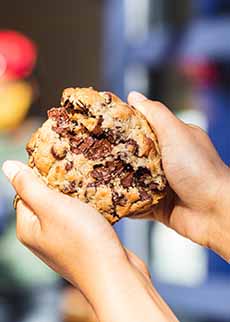
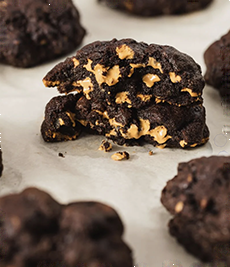
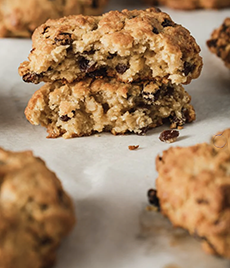
    [1] Make your own vinegar. The flavor possibilities are endless (photos #1, #2, #3 © Homebrewed Vinegar | Storey Publishing).


    [2] Turn any fruit or spice into vinegar.


    [3] Buy the book for yourself or for a serious cook.


    [4] Homemade blueberry vinegar dresses a salad of romaine, goat cheese and fresh blueberries (photo © Wild Blueberries).


    Comments off

    Celebrate National Eat What You Want Day

    Hot Fudge Sundae
    [1] Our personal go-to: a hot fudge sundae (photo © Lauri Patterson | iStock Photo).

    Enjoy Fried Onion Rings For National Onion Ring Day
    [2] Fried onion rings with a mayonnaise-based dipping sauce (photo © QVC).

    Bacon Cheeseburger With Onion Rings
    [3] A bacon cheeseburger that also has a layer of onion rings. Don’t forget the fries (photo © Smokey Bones)!


    May 11th is National Eat What You Want Day, a day that sets diets aside for a indulgence with no regrets.

    Whether you love donuts or fast food, chips and dip or creamy Fettucine Alfredo, today is your day to gratify those desires without feeling guilty.

    Most nutritionists agree that, rather than try to repress your desire for not-good-for-you foods, having a treat every now and then helps to prevent gorging when the determination to eat right wears off.

    The secret, they say, is small portion sizes.

    That means one donut, maybe two; but not a baker’s dozen.
     
     
    THE HISTORY OF NATIONAL EAT WHAT YOU WANT DAY

    Eat What You Want Day was actually created by herbalists Thomas & Ruth Roy of Wellcat.

    They made up 80 holidays, most unrelated to food (e.g., Happy Mew Year For Cats Day, Satisfied Staying Single Day and For Pete’s Sake Day).
     
     
    15 GUILTY FOODS FOR NATIONAL EAT WHAT YOU WANT DAY

    So how are you going to indulge? Here’s our list of 15 candidates for breakfast, lunch and dinner.

    We’re thinking waffles for breakfast, a bacon cheeseburger with onion rings and fries for lunch, and if we still have room for dinner, mac and cheese.

    (Of course, sensible people will only splurge at one meal.)

  • Barbecue
  • Basket of bread and butter, biscuits and gravy
  • Chips and dip, other crunchy snacks—corn chips, Cheetos, potato chips, pork rinds, etc.
  • Chocolate and other candy
  • Cookies, cakes, pies, donuts and other pastries
  • Creamy desserts: crème brûlée, custard, mousse, pudding
  • Deep-fried: fried calamari, chicken, fish & chips, mozzarella sticks, onion rings, potatoes, zucchini, etc.
  • Fast food
  • High-calorie cocktails: Mudslide, Piña Colada, White Russian
  • Ice cream sundae
  • Pancakes, waffles, French toast with lots of maple syrup, butter and bacon
  • Pasta: fettuccine alfredo, lasagna, mac and cheese
  • Sandwiches: bacon cheeseburger, hero, anything overstuffed or triple decker
  • Tex-Mex, including nachos
  • Viennoiserie (French breakfast breads): brioche, chouquettes (dough sprinkled with pearl sugar), croissants, Danish pastry, pain au chocolat, pain aux raisins, turnovers
  •  
    Add your favorites to the list.

    And enjoy your holiday.


    Comments off

    Recipe Riff: A New England Seafood Bake In A Potato, With Shrimp

    Every shrimp lover has a favorite shrimp dish. Beyond the iconic shrimp cocktail and shrimp scampi, a few of our favorites are beer-battered shrimp, coconut shrimp, grilled shrimp, shrimp ceviche and shrimp and grits. Truth to tell, we wouldn’t turn any shrimp dish away, from the simplest to the most complex, the mildest to the most spicy.

    For National Shrimp Day, May 10th, we tried something new: a shrimp baked potato (photo #1) that’s actually a riff on a New England seafood bake.

    A seafood bake—a baked version of a seafood boil—has a combination of different fish and shellfish, corn, potatoes and sausages.

    But to celebrate the day, we’re keeping it simple with just shrimp.

    You can serve the shrimp potato as a first course or a side. We had it for lunch, with a large green salad topped with more shrimp and deviled eggs.

    And for starters: a Bloody Mary cocktail with—you guessed it—a boiled shrimp garnish.

    Thanks to the Idaho Potato Commission and to Stephen Toevs, Director of Culinary Development at Marriott International Luxury Brands, who developed this delicious recipe.
     
     
    RECIPE: NEW ENGLAND SHRIMP BAKE BAKED POTATO

    This recipe is for one serving (one potato). Scale it up accordingly.

    Ingredients For The Pickled Red Onions

    You may want to make a double batch of these. They’re delicious on just about anything.

  • ½ cup white distilled vinegar
  • 3 tablespoons filtered water
  • 1 teaspoon cane sugar
  • 1 teaspoon sea salt
  • 1 medium red onion, halved and sliced
  •  
    Ingredients For The New England Shrimp “Bake”

  • 1 medium to large Idaho® Russet potato, unpeeled
  • 2 teaspoons avocado oil, divided (substitute grapeseed, coconut or macadamia nut oil)
  • Salt and pepper, to taste
  • 6 wild-caught red shrimp* (size 16/20), peeled and deveined, tail on
  • 1 teaspoon Old Bay seasoning (you can make your own—see footnote†)
  • 1 3-ounce linguiça‡ sausage link (substitute andouille, chorizo or kielbasa)
  • 1 ear heirloom corn, husked (you can substitute frozen corn kernels)
  • ½ lemon
  • 1 tablespoon parsley, chopped
  • 2 tablespoons Greek yogurt
  • Garnish: pickled red onions, fresh herbs
  •  
     
    Preparation

    1. MAKE the pickled onions. You need to do this at least a day in advance, but can do it several days in advance.

    Combine the vinegar, water, sugar and salt in a saucepan, and bring to a boil. Remove from the heat. Place the onion slices in a container and pour the pickling liquid over then. Let cool, then refrigerate overnight.

    2. CLEAN the potato under cold running water and pat dry. Cover it with 1 teaspoon avocado oil, and sprinkle it with salt and pepper.

    Smoke the potato over hickory wood chips for 15 minutes (we used a smoker bag), then wrap in aluminum foil and finish on the grill at 400°F until tender, about 1 hour. Set aside and keep warm.

    Here’s more about cooking potatoes on a grill.

    3. TOSS the shrimp in a large bowl with the remaining 1 teaspoon of avocado oil and the Old Bay seasoning. Place the shrimp on the 400°F grill along with the link of linguiça, the ear of corn, the shrimp and the lemon half.

    Grill the shrimp for 4 minutes, grill the corn for 8 minutes and grill the linguiça for 10 minutes, turning as necessary. Grill the lemon half, cut side down, until charred.

    4. CUT the sausage into slices and cut the corn off the cob. In a small bowl, mix the chopped parsley with Greek yogurt.

    5. ASSEMBLE: Split the potato open lengthwise and hollow out a trench. Spread the parsley-yogurt mixture on the inside. Fill the trench with the shrimp, corn and linguiça.

    Garnish with the pickled red onion and fresh herbs. Serve with the grilled lemon half.

    NOTE RE CHARRED LEMONS: The heat from grilling the lemons releases more juice, and gives the juice more depth and complexity. The acidity is brighter and less sour. You can use the juice, which has a bit of char flavor, in other recipes: in vinaigrettes and cocktails, over vegetables and seafood, etc.
     
    ________________

    *You can cut down on expenses by using frozen shrimp, but you’ll lose the glamour of the tail.

    †Old Bay Seasoning Recipe: If you don’t have Old Bay Seasoning make this copycat recipe: Combine and grind the following spices in a spice grinder or with a mortar and pestle: 1 tablespoon celery salt, 3 whole bay leaves, 3/4 teaspoon brown mustard seeds, 1/2 teaspoon black peppercorns, 10 allspice berries, 10 whole cloves and 1/2 teaspoon paprika.

    Now owned by McCormick, Old Bay Seasoning was introduced to Baltimore in 1939 by an emigrant from Nazi Germany, Gustav Brunn, a spice dealer. Ironically, he was fired from McCormick after two days, upon discovery that he was Jewish. He started the Baltimore Spice Company, and combined 18 herbs and spices into what he called Delightful Brand Shrimp and Crab Seasoning. He renamed the product after the Old Bay Line, a passenger ship line that sailed Chesapeake Bay; and marketed the usage beyond shrimp and crab, “For Seafood, Poultry, Salads, Meats.” Here’s more of the story.

    ‡Linguiça (Lin-GWEE-suh) is a pork sausage heavily spiced with chiles, garlic, paprika; and often, cinnamon, cumin and oregano. There are many variations, but classic linguiça is a coarse, country sausage, often smoked. The Portuguese community of Gloucester, Massachusetts introduced the style to the greater New England area. Rich and spicy, it is also delicious on pasta, pizza, salads, sandwiches and soups.


    [1] Baked potato stuffed with shrimp, sausage and corn, New England style (photo © National Potato Commission).

    [2] For the best presentation, use shrimp with tails (photo © Fulton Fish Market).


    [3] Linguiça, a spicy Portuguese sausage. There’s more about linguiça in the footnote below (photo © Gourmet Food Store).


    [4] Old Bay Seasoning is a popular blend of 18 herbs and spices, produced by McCormick & Company. Here’s a recipe to make a simplified version (photo © Chili Pepper Madness).


    [5] Russet potatoes, also known as baking potatoes. Check out the different types of potatoes (photo © Good Eggs).


    [6] A charred lemon atop grilled chicken (photo © The Fillmore Room | New York City [now closed]).


    Comments off

    Hooray Bacon: Vegan Bacon That’s A Delicious Substitute For Pork Bacon


    [1] Hooray plant-based bacon (all photos © Hooray Foods).


    [2] Brussels sprouts with Hooray vegan bacon. Here’s the recipe.


    [3] Hooray sizzles in the pan like conventional bacon.

    Pigs In Blankets With Vegan Bacon
    [4] Vegan pigs in blankets.


    [5] For dessert: pecan pie with caramelized bacon. Here’s the recipe.


    Bacon, and pork in general, have been very popular meats since the first wild pig was captured and cooked over a smoky fire.

    Pigs were domesticated as early as 9000 B.C.E., although the modern bacon we know and love wouldn’t appear until the mid-1700s.

    Check out the history of bacon.

    Today, more than 70 million pigs are in the bacon production pipeline in the U.S. alone.

    At the same time, plant-based alternatives to meat and dairy are growing full blast, with an estimated market value of $140 billion by 2029 [source].

    Vegan bacon alone spiked 113% last year [source].

    Many companies have been making plant-based ‘meats’ that mimic the real thing: vegan foods that cook like meat, smell like meat, and, most importantly, taste like meat.

    Beyond Meat and Impossible Foods have introduced consumers to plant-based burgers that are as satisfying as meat-based burgers.

    Now, there’s a delicious vegan bacon brand to put on a vegan bacon cheeseburger…and many more foods.
     
     
    HOORAY FOODS VEGAN BACON

    The goal at Hooray Foods was to mimic the cooking and eating experience of pork bacon.

    Hooray Foods’ plant-based bacon is minimally processed and made with a mix of salty and smoky flavors with a hint of sweetness.

    There are other plant-based bacon substitutes, each with somewhat different flavors and textures.

    The one that Whole Foods selected for its refrigerator case is the vegan bacon from Hooray Foods.

    The roll-out started with 300 stores in seven regions. If it’s not in your store, ask the manager to bring it in.

    The magic mix of clean ingredients includes coconut oil, rice flour, tapioca starch, liquid smoke, umami seasoning (shiitake mushrooms, salt, mushroom extract, calcium carbonate), maple syrup, salt and beet juice concentrate.

    That may sound simple enough, but it takes a whole lot of testing to come up with the right recipe.

    After tons of experimenting, Hooray Foods’ vegan product looks a lot like bacon, sizzles in the pan like bacon, delivers the aroma of cooking bacon, and tastes like bacon.

    And for those of us who don’t like dealing with the leftover bacon fat from pork bacon, Hooray leaves behind some coconut oil that is much more pleasant to deal with. It’s a nice bonus.
     
     
    THE BENEFITS OF VEGAN BACON

    Vegan bacon (and other vegan meat and dairy products) are better for:

  • Personal health and diet.
  • The environment.
  • Animal welfare.
  • A cleaner planet, reducing carbon emissions by more than 80%.
  •  
    Hooray Foods’ plant-based bacon is allergen-free (no soy or wheat), cholesterol-free, dairy-free, gluten-free, non-GMO, soy-free and of course, meat-free. (It is not currently certified kosher or halal.)

    It’s guilt-free bacon that makes you want to say…Hooray!
     
     
    HOW TO START ENJOYING PLANT-BASED BACON

    You can cook with it for every meal of the day, including dessert (photo #5) and sweet snacks like bacon donuts and candied bacon.

  • Breakfast eggs and avocado toast
  • Grain dishes
  • Loaded baked potatoes and other potato dishes
  • Pasta and pizza
  • Mac & cheese
  • Soup and salad garnish
  • Vegetable dishes like Brussels sprouts and the entire cruciferous* group
  • Veggieburgers and ‘cheese’ burgers
  • Your favorite sandwiches, including a BLT
  •  
     
    DISCOVER MORE AT HOORAYFOODS.COM.

     
    ________________

    *The botanical family Brassicaceae, includes what has become known as the “brassicas”: arugula, bok choy, broccoli, Brussels sprouts, cabbage, cauliflower, collard greens, kale, horseradish, mizuna, mustard greens, radishes, rutabaga, turnips, wasabi, watercress, and other vegetables. Beyond the nutrition they deliver, brassicas are superfoods: nutritional powerhouses packed with potent, cancer-fighting phytonutrients (antioxidants).


    CHECK OUT WHAT’S HAPPENING ON OUR HOME PAGE, THENIBBLE.COM.


    Comments off

    Bubble Tea Cocktail Recipe For National Bubble Tea Day

    We couldn’t make this bubble tea cocktail in time for National Bubble Tea Day, April 30th. But by the time this weekend rolled around, we managed to acquire the boba (the tapioca pearls that make bubble tea) and made the sake simple syrup to put together the cocktail. As a fan of bubble tea, we were excited to try an alcoholic version, so we thank the mixologists at Kikori Whiskey for the recipe.

    Kikori is a smooth rice whiskey made with locally grown rice, distilled, aged, blended and bottled in Kumamoto, Japan.

    The light, balanced notes of Kikori whiskey add a rich flavor to the creamy and fruity profile of this tasty cocktail, made fun with the addition of boba.

    Boba are tapioca pearls—the bubbles in bubble tea. They have a chewy, fun, gummy texture and can be used not just in bubble tea and related cocktails, but in iced coffee, milk, smoothies and other cold drinks; and as toppings for ice cream, pudding and other desserts; even as a topping for pancakes.
     
     
    RECIPE: STRAWBERRY BOBA FIZZ, A BUBBLE TEA COCKTAIL

    You’ll need to gather specialty ingredients for this cocktail (photo #1). You can get the boba (tapioca pearls) and the Calpico / Calpis soft drink online (see photo #5 and its caption), a Japanese non-carbonated soft drink that is light, somewhat milky.

    It’s similar to plain or vanilla-flavored yogurt or Yakult†, which you can substitute.

    It is available on Amazon; and here’s a recipe to make your own.

    We actually substituted Lifeway kefir.

    We also had an open bottle of nigori (cloudy) sake, and used it rather than purchase a bottle of the possibly more elegant sayuri nigori sake. Since it was being sweetened with sugar, we opined that the difference wouldn’t be noticeable.

    Note that when buying boba, look for the instant variety; otherwise, you’ll have to cook them for 12-15 minutes.

    It’s important that you properly store the boba, so they don’t lose their flavor and chewy texture. Here’s more about working with boba.

    Ingredients Per Drink

  • 1.5 ounce Kikori whiskey (photo #2—substitute Irish whiskey)
  • 1 ounce sayuri‡ nigori sake syrup (see below)
  • 1/4 ounce lemon juice
  • 1 ounce full fat coconut milk
  • 1 egg white
  • 2 strawberries plus 1 for garnish
  • Boba (tapioca pearls), reconstituted (1/4 cup or more)
  • Calpico Original Flavor soft drink, as needed depending on size of glass
  •  
    For The Sake Syrup

    Mix until dissolved:

  • 2 parts sayuri nigori sake (photo #3)
  • 1 part superfine sugar
  •  
    Preparation

    1. MAKE the sake syrup. If you are making several drinks, multiply the amount specified above.

    2. ADD the boba to the bottom of a tall glass.

    3. MUDDLE the strawberries thoroughly in the bottom of a shaker. Add the Kikori, sake syrup, lemon juice, coconut milk and egg white.

    4. ADD the ice to the shaker and shake vigorously.

    5. Strain through a double strainer, throw away the ice and then pour back the drink into the shaker. Vigorously re-shake without ice for another minute or two.

    6. POUR the contents into the glass over the boba and let them sit for ten seconds.

    7. SLOWLY POUR the Calpico soft drink into the center of the cocktail to create the foam on top.

    8. GARNISH the glass rim with a notched strawberry. Serve with wide boba straws or a long spoon to scoop up the boba.
     
     
    > THE HISTORY OF COCKTAILS

    > THE HISTORY OF BUBBLE TEA

    > THE HISTORY OF WHISKEY

    > THE HISTORY OF SAKE
     
     
    ABOUT KIKORI WHISKEY

    Kikori Whiskey is a smooth, 100% rice whiskey made in Japan with rice that’s grown in ancient rice paddies in Kumamoto Prefecture (the same region made famous in the U.S. for its Kumamoto oysters).

    Whiskey made from rice is as distinctive in its own way as whiskey made from corn (like Bourbon) to whiskey made from malted barley wheat blends (Scotch, Irish whiskey) or rye (such as Jack Daniels).

    Kikori is distilled to 82 proof and aged in American oak, French Limousin and sherry barrels, anywhere from three to ten years. It is blended and bottled, all in Kumamoto, Japan.

    As a result of its base of white rice, the whiskey is lighter in color than those made from other grains. But that doesn’t mean it lacks punch and flavor: There are plenty in this nuanced spirit.

    You can enjoy Kikori straight, in a classic cocktail or in an Asian fusion drink. You can even enjoy it with shellfish, in raw or cooked dishes.

    Kikora won a gold metal at the 2016 San Francisco World Spirits Competition. Its logo is a woodsman from a Japanese folktale that urges people to find balance in their lives.


    [1] Take your enjoyment of bubble tea one step further, with a bubble tea cocktail (photos #1 and #2 © Kikori Whiskey).


    [2] Kikori whiskey is distilled from rice grown in ancient paddies in Japan. Use rice whiskey the same way you would any whiskey.


    [3] Hakutsuru Sayuri Nigori is a brand of sayuri nigori‡ used in this recipe (photo © Takusan).


    [4] Instant boba. These and other brands and sizes are available on Amazon (photo © J Way Local Flavor Store).


    [5] Calpis, often seen in English as the brand Calpico noncarbonated soft drink tastes a bit tart and milky, like kefir. Developed in 1904, the brand is now owned by Asahi Breweries, which has developed flavored and carbonated varieties (photo © Calpis).

     
    ________________

    *Most boba are sold dehydrated, and need to be rehydrated.

    †Yakult is a probiotic, cultured dairy beverage, similar to kefir and other yogurt-based beverages but made with a different bacteria culture. It has a citrus flavor (it contains flavorings and sugar).

    ‡Nigormeans “cloudy sake” in Japanese. It is a style rather than a classification; there is a wide range of textures and sweetness among nigori sakes. The cloudiness comes from rice solids (the lees) suspended in the sake. Nigori is technically not unfiltered. Rather, it is coarsely pressed (sake undergoes both pressing and filtration). Sayuri, which means “little lily” in Japanese, is a style of soft, floral-note nigori with hints of white grape and cherry blossom. We like to pair nigori sake with spicy foods, sushi and raw seafood (clams, oysters, scallops, etc.), and chocolate desserts.


    Comments off

    The Nibble Webzine Of Food Adventures


    © Copyright 2005-2026 Lifestyle Direct, Inc. All rights reserved. All images are copyrighted to their respective owners.