THE NIBBLE BLOG: Products, Recipes & Trends In Specialty Foods


Also visit our main website, TheNibble.com.

Gourmet Leek & Goat Cheese Dressing (Stuffing) Recipe

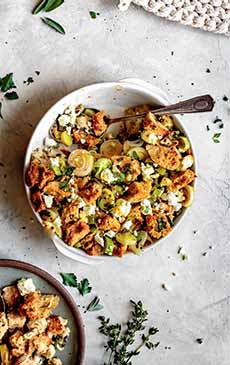
A Serving Dish Of Goat Cheese & Leek Stuffing
[1] Leek and goat cheese dressing. The recipe is below (photos #1 and #3 © Vermont Creamery).

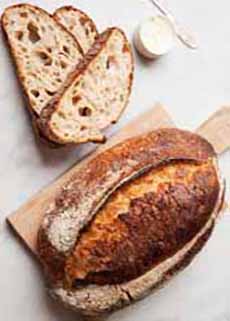
A Loaf Of Sliced Sourdough Loaf
[2] A rustic sourdough loaf (photos #2, #4, and #5 © Good Eggs).

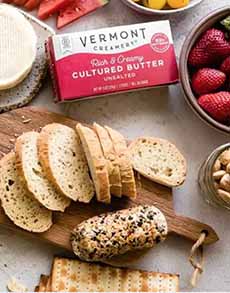
Vermont Creamery Unsalted 82% Fat Butter With Slices Of Artisan Bread
[3] Vermont Creamery’s Unsalted Cultured Butter — 82% Butterfat.

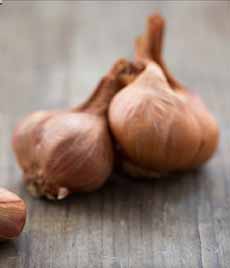
2 Shallot Bulbs
[4] Shallots taste like a cross between red and yellow onions, with a more delicate, sweet flavor.

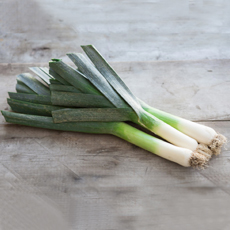
A Bunch Of Leeks
[5] Leeks are members of the Allium family, along with chives, garlic, onions, scallions, and shallots.

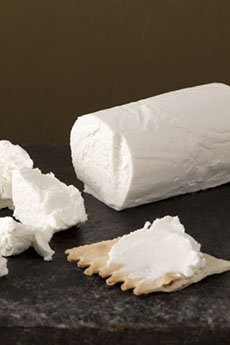
Fresh Goat Cheese Log
[6] While you only need a four-ounce goat cheese log, the eight-ounce size affords snacking possibilities (photo © Murray’s Cheese).

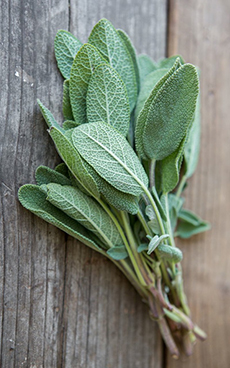
A Bunch Of Fresh Sage
[7] Fresh sage, of course.


Perhaps our favorite item on the Thanksgiving dinner table is the stuffing. We’re a bread-a-holic to start with, and we simply don’t think to make stuffing at other times of the year.

We’re not talking about the basic Pepperidge Farm stuffing: bread and butter with onions, celery, and herbs. Not that we’d turn it down at someone else’s house; we just wouldn’t make it at ours.

We’re always looking for recipes with a complex layering of flavor: butternut squash, chestnuts, chicken livers, fruit (apples, dried cranberries, grapes, pears, persimmon, raisins), mozzarella perlini, mushrooms, nuts, oysters, nuts, scallops and more have made it into our stuffing—not all at the same time, but three or four choices.

Plus lots of herbs, especially sage. To us, it isn’t stuffing if it isn’t redolent of sage.

Varying the bread is also something we enjoy: cornbread, pumpernickel, rye, turmeric bread, and even bagels!

We match the bread to the ingredients: cornbread with fruits, nuts, and squash; pumpernickel with oysters and scallops; and so on.

The recipe below is a gourmet’s dream: a cross between a savory bread pudding and classic stuffing.

Rich with the flavors of leeks and shallots, toasted bread, herbs, and celery, all complemented by tangy goat cheese.

November 21st is National Stuffing Day!

The recipe is below, but first:
 
 
THE DIFFERENCE BETWEEN STUFFING & DRESSING

It’s simple:

  • Stuffing is cooked inside the bird.
  • Dressing is cooked in a separate pan.
  •  
    While the idea of stuffing the bird appeals to many, most experts recommend cooking a separate dressing.

    For food safety reasons, stuffing in the cavity of the bird must reach the same 165°F temperature before it is ready to serve.

    If you have a vegetarian dressing, it’s not an issue. But if you have a dressing made with raw meat or seafood, make sure it cooks to 165°F.

    It’s also a heck of a lot easier to make dressing, both in placing it in a pan instead of spooning it into the turkey cavity; and in avoiding the labor of scooping the stuffing out of the bird.

    While we grew up in a family that made stuffing—and we loved watching Mom put it into the bird and scoop it out—as soon as we learned about the dressing alternative, we changed our perspective.
     
     
    RECIPE: LEEK & GOAT CHEESE STUFFING

    To us, this is “gourmet” dressing—food for foodies.

    The recipe is from Vermont Creamery, which used its goat cheese and 82% butterfat butter (a revelation). divided Vermont Creamery Unsalted Cultured Butter – 82% Butterfat

    We happened to have a duck and Armagnac sausage from D’Artagnan. What to do?

    We made a double batch of the stuffing and added a small dice of the sausage to one pan. We liked it!

    As a note: To feed a larger group, double the recipe and bake it in a 13×9-inch baking pan.

    Prep time is 30 minutes, and cook time is 45 minutes.
     
    Ingredients For 6 Servings

  • 12 ounces bread (preferably rustic), thick crusts removed*, torn into 1-inch pieces
  • 2 medium leeks, sliced 1/2 inch thick
  • ¼ cup butter, divided
  • 1 large rib celery, diced
  • 1 medium shallot, thinly sliced
  • 2 medium cloves garlic, thinly sliced
  • ¼ teaspoon fine sea salt
  • ¼ cup dry white or rosé wine
  • ¼ cup parsley leaves, plus more for garnish
  • 1 tablespoon fresh sage leaves
  • ½ tablespoon fresh thyme leaves
  • Coarse ground pepper, as desired
  • 1¾ cups vegetable broth or bouillon dissolved in boiling water, cooled to room temperature
  • 1 large egg
  • 4 ounces goat cheese log crumbled into large pieces
  •  
    Preparation

    1. POSITION the rack in the upper third of the oven. Preheat the oven to 350ºF.

    2. LIGHTLY BUTTER a 9-inch round baking dish or equivalent. Set aside.

    3. PLACE the bread onto a rimmed baking sheet; toast for 20-40 minutes or until dry and lightly golden. (Baking time depends on the type of bread used. Soft white bread toasts more quickly than heartier breads.)

    4. PLACE the leeks in a large bowl; cover with cool water. Separate the leek slices to rinse off any sand; let stand for 5 minutes, swirling a few times. Any sand should sink to the bottom of the bowl.

    5. MELT 3 tablespoons butter in a wide skillet over medium heat. When the butter is hot, lift the leeks from the bowl, shaking off the excess water. Add them to the skillet.

    6. ADD the celery, shallot, garlic, and salt. Cook, stirring frequently, for 5-10 minutes or until tender. Add the wine and continue cooking for 2-4 minutes or until evaporated.

    7. PLACE the toasted bread pieces in a large bowl; add the leek mixture, parsley, sage, thyme, and pepper.

    8. ADD the egg to the broth and whisk to combine. Pour over the bread mixture and toss well to combine. Let the mixture stand for 5 minutes to absorb a bit of moisture, tossing a few times.

    9. SCOOP half of the bread mixture into the prepared baking dish; top with half of the crumbled goat cheese. Top with the remaining bread mixture, then sprinkle with the remaining goat cheese. Dot with the remaining 1 tablespoon of butter cut into small pieces.

    10. BAKE for 40-50 minutes or until the top of the stuffing is golden and crisp and the center is hot. Sprinkle with additional parsley, if desired. Serve warm.
     
     
    MORE DRESSING OR STUFFING RECIPES

    All of these delicious recipes are “not just for Thanksgiving.”

  • Chestnut, Fig & Honey Dressing Or Stuffing
  • Chicken Liver Or Turkey Liver Dressing Or Stuffing
  • Irresistible Stuffing Muffins
  • Stuffing Omelet With Leftover Stuffing
  • Oyster Dressing Or Stuffing
  • Shiitake Mushroom Dressing or Stuffing
  • Panettone Dressing Or Stuffing
  •  
     
    __________________

    *Save the crusts! We had them for lunch with a bowl of soup, and toasted them the next day to spoon up Greek yogurt.


    CHECK OUT WHAT’S HAPPENING ON OUR HOME PAGE, THENIBBLE.COM.


    Comments off

    Easy Pumpkin Mousse Recipe & The History Of Mousse

    Whether you need an easy pumpkin dessert for Thanksgiving—no baking, gluten free!—or feel like mousse at any time of the year, here’s a recipe from Straus Family Creamery of California.

    National Mousse Day is November 30th. National Chocolate Mousse Day is April 3rd.

    > The history of mousse is below.

    > The history of pumpkins.
     
     
    RECIPE: EASY PUMPKIN MOUSSE

    This three-ingredient Pumpkin Mousse (plus pinches of nutmeg and salt) is light and flavorful.

    Prep time is 30 minutes, plus chilling time of 3 hours.
     
    Ingredients For 6 To 8 Servings

  • 1 can (14 ounces) sweetened condensed milk
  • 1 can (15 ounces) pumpkin purée
  • 1/4 teaspoon kosher salt
  • 3 cups heavy whipping cream
  • Nutmeg for dusting (ideally freshly ground or grated)
  • Garnish: whipped cream
  • Optional for serving: speculoos or gingersnap cookies
  • Optional garnish: pumpkin spiced nuts
  • Optional garnish: candied pecans
  •  
    Preparation

    1. HEAT the sweetened condensed milk over low heat for 10 minutes, stirring constantly until the color darkens.

    2. ADD the pumpkin purée and stir until combined, bringing the mixture to a gentle boil for 2 minutes; then add the salt.

    3. PRESS the mixture through a fine mesh sieve to strain out any solids; then cool completely. While the pumpkin mixture is cooling…

    4. WHIP the cream to stiff peaks. Set aside 1/4 of the whipped cream.

    NOTE: Consider setting aside the 1/4 amount before you whip the rest into stiff peaks. You can always re-whip an under-whipped cream, but once it becomes stiff, you cannot go back.

    5. GENTLY FOLD the pumpkin mixture into the whipped cream. Once fully combined, portion into individual serving cups and place in the refrigerator for at least three hours prior to serving.

    6. TOP each serving with a dollop of the remaining whipped cream and dust with nutmeg.
     
     
    THE HISTORY OF MOUSSE

    The first known reference to mousse, a French word that translates to “foam,” dates to the 18th century.

    Unlike the sweet desserts we know today, those first mousses were savory, made with cheese, meat (including chicken livers and foie gras), seafood, and vegetables.


    Glass Cups Of Pumpkin Mousse
    [1] An easy pumpkin mousse. The recipe is below (photo © Straus Family Creamery).

    Pumpkin Mousse Garnished With Pecans, Whipped Cream & A Cinnamon Stick
    [2] Plain or candied pecans are a delicious garnish, as are spiced nuts (photo © King Arthur Baking).

    Gingersnaps
    [3] Embellish the dessert or snack with gingersnaps or other spice cookies (photo © Splendid Spoon).


    The first documented recipe for a sweet mousse, chocolate mousse appears to be in 1750, in a pastry chef’s cookbook La Science Du Maître d’Hôtel Confiseur by Joseph Menon, the most prolific cookbook author in 18th-century France [source].

    Whipping cream to incorporate air bubbles gives mousse its light and airy texture (and all that was done with a whisk and a strong arm, in the era before electricity and electric beaters).

    Following publication, chefs nationwide began to create desserts consisting of whipped cream flavored with chocolate, coffee, fruit, and liqueurs called crème en mousse (“cream in a foam”), crème mousseuse (“foamy cream”), or just mousse. Modern mousses are a continuation of this tradition [source].

    By the late 19th century, sweet mousses, including today’s standard-bearer, chocolate mousse, began to gain in popularity [source].

    According to one source, the United States first became acquainted with chocolate mousse at a food exposition held at Madison Square Garden in New York City in 1892—although arguably, wealthy people with French-trained chefs might have enjoyed savory and sweet mousses before then [source].

    Back to the savory side: A dip of fish mousse with “party slices” of pumpernickel or other brown bread and butter was a popular party food in American cuisine in the 1950s [source].

    Why did it take this long? In 1977, New York chef Michel Fitoussi is credited with creating white chocolate mousse, in 1977. He was the chef at the Palace, Manhattan’s most expensive luxury restaurant [source 1] [source 2].

    [Editor’s note: We were privileged to eat at the Palace several times, and remember Chef Fitoussi’s innovative cuisine. Some of our favorite dishes were sea urchin soup, a rolled slice of smoked salmon filled with crème fraîche and caviar—which we still make today—and fish pâte topped with foie gras (ditto). We also remember his pastry swan, filled with half chocolate mousse and half white chocolate mousse.]


    CHECK OUT WHAT’S HAPPENING ON OUR HOME PAGE, THENIBBLE.COM.


    Comments off

    SuckerPunch Pickle Packets For National Pickle Day

    A Snack Bag Of SuckerPunch Pickles
    [1] SuckerPunch pickles are a convenient, low-calorie snack, shown here with Destihl SuckerPunch Dill Pickle Sour Beer (all photos © SuckerPunch Gourmet).

    3 Pouches Of Suckerpunch Pickles
    [2] Pickles at the pool.

    2 bags of SuckerPunch Pickles on a kitchen counter.
    [3] Pickles in the kitchen. Snack away1


    Snack A Pickle Time, September 13th, is a more unusually named food holiday. There’s also Shape Up With Pickles Time, the first week in February; Pickle Time Week, the second full week in February; and National Pickled Peppers Month, October.

    The more straightforward-named National Pickle Day is November 14th.

    And what a great day for us to share the news from SuckerPunch, “makers of bolder pickles done differently,” that their SuckerPunch Pickle Pouch Snack Packs are now available nationwide in more than 3,100 Walgreens stores.

    You can get your pickle-fix-in-a-pouch for just $1.79.
     
     
    FOUR VARIETIES OF PICKLE POUCHES

    The SuckerPunch Pickle Pouch Snack Packs are available in four varieties:

  • Classic Kosher Dill Pickle Pack
  • Fiery Hot 3-Pepper Pickle Chips
  • Snappy Sweet Bread & Butter Pickle Pack
  • Spicy Dill Pickle
     
    They’re low-calorie snacks: per pouch, they’re 10, 20, 35, and 10 calories, respectively.

    Eat them from the pouch, and also toss them onto your burger, salad, sandwich, or, yes, slice of pizza.

    The line is certified kosher by KSA, gluten-free, Non-GMO Project Verified, and vegan. There is no high fructose corn syrup.

    If Peter Piper picked a peck of pickled peppers, he likely would carry some SuckerPunch pickle pouches for snacking.
     
     
    GET YOUR SUCKERPUNCH PICKLES

    Head to Walgreens or the SuckerPunch website.

    On the website, check out the entire line which includes not just jars and pouches of pickles, but cocktail mixes, and pickle juice shooters.

    > The history of pickles.

    > The different types of pickles: a glossary.

    > Quick pickling at home: veggies and fruits.

    > How to pickle any fruit or vegetable.

    > Pickled foods worldwide.

    > May we also suggest Brownwood Farms Dill Pickle Ketchup?


    CHECK OUT WHAT’S HAPPENING ON OUR HOME PAGE, THENIBBLE.COM.

  •  


    Comments off


    © Copyright 2005-2026 Lifestyle Direct, Inc. All rights reserved. All images are copyrighted to their respective owners.