THE NIBBLE BLOG: Products, Recipes & Trends In Specialty Foods


Also visit our main website, TheNibble.com.

RECIPE: Melba Toast Recipes & History For National Melba Toast Day

Melba Toast & Crostini
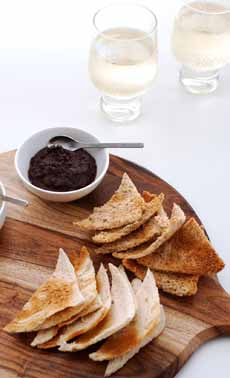
[1] Melba toast and olive tapenade. Here’s the recipe from Sprinkles & Sprouts (photo © Sprinkles & Sprouts).

Pate & Melba Toast
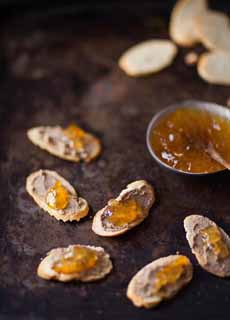
[2] Chicken liver paté and Melba toast, with a dab of marmalade. recipeHere’s the recipe from Drizzle And Drip (photo © Drizzle And Dip).

Salmon Tartare & Melba Toast
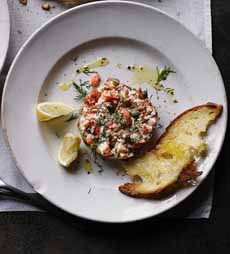
[3] Salmon tartare and melba toast. Here’s the recipe from Olive Magazine. Crackers or crisps like these are thin and crunchy, but were baked that way. They are not toasted from bread, so are not toasts (photo © Olive Magazine).

Raincoast Crisps
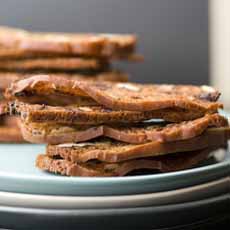
[4] These are Raincoast Crisps, a NIBBLE favorite (photo Elvira Kalviste | © THE NIBBLE)).

Raincoast Crisps Copycat Recipe
[5] This is a copycat recipe for Raincoast Crisps from The Wandering Fig (photo © The Wandering Fig).


March 23rd is National Melba Toast Day, celebrating dry, crisp, and thinly sliced toasts.

First, and with all due respect, today’s packaged Melba toast has as much to do with homemade Melba toast as the Keebler Elves have with the best homemade cookies.

Melba toast, which became a diet staple in the U.S. thanks to manufacturers such as Devonsheer and Old London, dates to the end of the 19th century.

But as previously noted, packaged toasts are so dry and unappealing! A recipe to make your own yummy melba toast is below.
 
 
THE HISTORY OF MELBA TOAST

Melba toast was born in 1897 at the Savoy Hotel in London, where the legendary French Chef Auguste Escoffier ruled the kitchen, and César Ritz ran the hotel. Dame Nellie Melba, the great Australian soprano, was a guest.

There is an unsubstantiated tale that Melba toast was a mistake in the hotel kitchen; that the dieting diva asked for some dry toast which arrived as over-toasted, thin, and crunchy slices. However, as with the story of the history of potato chips, the guest enjoyed the result.

The more likely explanation is that Melba toast was created by Escoffier either as a lower-calorie food for the singer, or as simple fare during a bout of illness in 1897 when she was unable to tolerate richer foodstuffs.

See more foods he named for Nellie Melba at the end of this article.

It is said that César Ritz bestowed the name Melba toast, and put it on the menu.

Since then, manufacturers have marketed Melba toast as a reduced-calorie bread option.

But for those who want to enjoy a piece of Melba toast, modern crostini are a much closer match.
 
 
MELBA TOAST & CROSTINI VS. CRACKERS & CRISPS:
THE DIFFERENCE

Those thin toast points served with caviar, pâté and steak tartare…those crunchy toasts served with cheese…are they Melba toast?

And what do they have to do with biscotti and bruschetta?
 
Melba Toast Vs. Crostini

These two are very similar. Both are cut from a loaf of bread and toasted. However:

  • Melba toast is toasted dry, saving calories.
  • Crostini are brushed with olive oil, and can be thicker than Melba toast.
  • Thin toast points made without added fat (butter, oil), as served with caviar, pâté, etc., are also Melba toast.
  •  
    Melba Toast Vs. Crackers/Crisps/Toasts

    In the U.S., makers of artisan crackers sometimes call them crisps, to sound more elegant. That works in the U.S., but in the U.K., crisps are potato chips.

  • Melba toast is a slice of bread that is toasted.
  • Crackers and crisps are made from a dough that is baked to its finished size and shape. They are not slices of anything
  • Toasts, or party toasts, are actually bread that is dry-toasted like Melba toast. They are baked to size, sliced and then toasted until dry and crunchy. They are a miniature, thicker type of Melba toast.
  •  
    Bruschetta Vs. Crostini

  • Bruschetta are grilled, crostini are toasted.
  • Bruschetta are larger and thicker than crostini.
  • Here’s more on the differences between bruschetta and crostini.
  •  
    Melba Toast Vs. Biscotti/Rusks

    What about savory biscotti?

  • Biscotti are made from a dough that is shaped into a loaf, then baked. The biscotti are then cut from baked loaf and baked again: twice baked, like Melba toast.
  • They are also called rusks (and have a history with teething babies).
  • However, biscotti, also known as rusks, are much thicker and larger than Melba toast.
  •  
     
    WAYS TO SERVE MELBA TOAST

    Whatever you call them, serve them:

  • As a crostini base.
  • With dips.
  • With pâté, rillettes and other fish and meat spreads.
  • With soft cheeses and cheese spreads.
  • With salads and soups.
  •  
    Are you ready to toast your own?
     

    RECIPE: MELBA TOAST

    Melba toast is made by lightly toasting thin slices of bread in an oven or under a grill (no grill marks!), on both sides.

    The thin slices are then returned to the heat with the untoasted sides towards the heat source.

     
    Ingredients

  • 1 unsliced loaf of bread, 1 or 2 days old
  • Serrated knife, sharpened
  •  
    Preparation

    1. PREHEAT the oven to 250°F. Remove the crust from the loaf. You can save them and turn them into parmesan crisps, or let them dry out overnight and pulse (or use other technique) to make bread crumbs.

    2. DECIDE on your toasting technique. (a) Cut the loaf into sections 3 inches thick. Cut each chunk into triangles, then cut each triangle into three or more thin slices. (b) Lightly toast thick slices of bread. While still hot, slice horizontally into two; then create triangles or rectangles as you prefer.

    3. PLACE on a baking sheet and toast until golden brown. Toast bread in the oven, flipping slices halfway through, until dry, about 2 hours. Rotate the baking sheet for even browning.

    4. COOL thoroughly. Then store in an airtight container.
     

    MORE FOODS NAMED FOR NELLIE MELBA

    Escoffier created four foods in total, in Melba’s honor. In addition to Melba toast, there are:

  • Peach Melba, a dessert made of peaches, raspberry sauce, and vanilla ice cream.
  • Melba Sauce, a dessert sauce of puréed raspberries and red currants.
  • Melba Garniture, tomato stuffed with chicken, truffles and mushrooms in velouté sauce.
  •  
     

    CHECK OUT WHAT’S HAPPENING ON OUR HOME PAGE, THENIBBLE.COM.


    Comments off

    TIP OF THE DAY: Piperade & Espelette Pepper

    Pipérade (French) or piperrada (Spanish) is a French Basque dish made from green bell pepper, garlic, onion and tomato, sautéd together and seasoned with red espelette pepper.

    The word derives from piper, the Basque word for pepper. The colors—red, white and green—are those of the Basque flag (said to be a coincidence).

    Basque Country straddles the border between France and Spain on the Atlantic coast, Pyrénées-Atlantiques north and south of the Pyrenees Mountains.

    The area has a rich culinary heritage, including some 40 Michelin-starred restaurants and a sheep cheese, Ossau-Iraty, named best cheese in the world at the World Cheese Championships in 2011.

    Pipérade is a dish from the Northern Basque Country (French Basque Country), which lies entirely within France and known as Pays Basque Français in French.

    Pipérade is related to the Provençal ratatouille, which adds zucchini and eggplant to the mix. Both are colorful and versatile dishes that can be enjoyed any time of the day (and are a delicious way to add to your daily vegetable servings).

    WAYS TO SERVE PIPERADE

    While many of these applications may not be traditional Basque, they show the flexibility of piperade.
     
    Pipérade At Breakfast

  • With eggs, any style
  • Atop polenta, with or without a fried egg
  • With cheese grits or other porridge (cream of wheat, cream of rice)
  • A Basque version of shakshsouka
  • On toast
  •  
    Pipérade At Lunch

  • On a burger
  • On a sandwich: grilled cheese, turkey, ham
  • On pizza
  • As a vegetable sandwich (instead of grilled vegetables), with or without mozzarella or other cheese
  • As a vegetable plate, with rice or other grain
  •  
    Pipérade At Dinner

  • As an appetizer, on crostini or bruschetta
  • As an appetizer, in tartlet shells
  • As a side, alone or with grains or potatoes
  • Atop grilled, roasted or sautéed chicken*, fish or pork
  •  
    ________________
    *In French Basque cuisine, piment d’espelette with ham is often served over braised chicken.
    ________________

     
    RECIPE: PIPERADE

    When bell peppers are on sale, we load up and make a batch of pipérade (it can be frozen). We’re flexible on the color of the bell peppers (in fact, we prefer a mix of colors ).

    While waiting for summer tomatoes (and after they’re gone), we use whole canned San Marzano† tomatoes instead of the bland plum tomatoes in the market. Drain them, but save the juice and drink it, plain or with a splash of gin.

    We adapted this recipe from one by Chef Aida Mollenkamp. She peels the tomatoes. We’re lazy and often skip this step (and usually use use the peeled, canned San Marzano tomatoes, anyway).

       
    Chicken With Piperade

    Piperade Poached Eggs

    Piperade Crostini

    Sirloin With Piperade
    [1] Pipérade crostini (here’s the recipe from The New York Times, and another recipe for piperade with Arctic char). [2] Eggs poached in pipérade, shakshouka-style (here’s the recipe from Au Petit Gout). [3] Chicken with pipérade, a basque classic (here’s the recipe Williams-Sonoma). [4] Sirloin with pipérade and arugula pesto (photo from Sun Basket meal delivery service).


    Fresh Espelette Pepper

    Ground Espelette Pepper

    [5] Fresh espelette peppers in the marketplace (photo courtesy Lurrak). [6] Ground espelette pepper, used in recipes (photo courtesy La Maison du Piment).


    Ingredients

  • 6 medium tomatoes
  • 1 tablespoon plus 2 teaspoons olive oil
  • 4 ounces thinly sliced Bayonne ham, cut into 1/2-inch squares
  • 2 medium yellow onions, halved and thinly sliced
  • 2 medium garlic cloves, minced
  • 2 tablespoons fresh Italian parsley, coarsely chopped
  • 1 tablespoon fresh thyme leaves, coarsely chopped
  • 1 medium dried bay leaf
  • 2 medium red, yellow, or orange bell peppers, cleaned and sliced lengthwise into 1/4-inch strips
  • 2 medium green bell peppers, cleaned and sliced lengthwise into 1/4-inch strips
  • Kosher salt
  • 2 teaspoons piment d’espelette
  • Optional: Bayonne‡ ham or substitute (2)
  • ________________

    †The San Marzano is an heirloom variety of plum tomato, originally planted in the town of the same name at the base of Mount Vesuvius, near Naples. The volcanic soil and sunny climate grow tomatoes that are among the most sought-after on earth, with remarkable, sweet, intense tomato flavor. The canned variety are also delicious.

    ‡Bayonne ham is a cured ham from the French Basque country. If you can’t find it, substitute prosciutto or other ham.
    ________________

    Preparation

    1. PEEL the fresh tomatoes. Bring a large saucepan of water to a boil over high heat. Prepare an ice water bath by filling a medium bowl halfway with ice and water. Using the tip of a knife, remove the stem and cut a shallow X-shape into the bottom of each tomato. Place the tomatoes in the boiling water and blanch until the skin just starts to pucker and loosen, about 10 seconds. Drain and immediately immerse the tomatoes in the ice water bath. Using a small knife, peel the loosened skin and cut each tomato in half. With a small spoon, scrape out any seeds, then core and coarsely chop the remaining flesh. Set aside.

     
    2. PLACE a large Dutch oven or other heavy-bottomed pot with a tigh-fitting lid over medium heat, and add 1 tablespoon of the oil. When the oil shimmers, add the ham and cook, stirring occasionally, until it’s golden brown, about 8 minutes. Using a slotted spoon, transfer the ham to a plate and set aside.

    3. RETURN the pan to the heat, add the remaining 2 teaspoons of oil, and, once heated, add the onion and garlic. Cook, stirring a few times, until soft and beginning to color, about 8 minutes. Stir in the herbs and bell pepper slices and season well with salt. Cover and cook, stirring a few times, until the peppers are slightly softened, about 10 minutes.

    4. STIR in the diced tomatoes, browned ham, and piment d’Espelette, and season with salt to taste. Cook uncovered until the mixture melds and the juices have slightly thickened, about 10 minutes. Remove the bay leaf and serve.
     
    THE ESPELETTE PEPPER
    The espelette pepper, called piment d’espelette in French and ezpeletako biperra in Basque, is a variety of species Capsicum annuum that is cultivated in the French commune of Espelette in the Northern Basque Country (Pays Basque Français).

    Chiles, which are native to Central and South America, were brought to France in the 16th century. It is believed that the chiles were introduced into the Basque Nive Valley in 1523 by Gonzalo Percaztegi, a navigator who voyaged with Christopher Columbus (who brought chiles to Spain in 1494). It became popular as a condiment and is now a staple of Basque cuisine, where it has gradually replaced black pepper.
    This pepper has only a maximum of 4,000 SHUs on the Scoville Scale and is therefore considered only mildly hot—at the level of cayenne and Louisiana hot sauce.

    Espelette pepper can be purchased as fresh or dried whole peppers (photo #5), as ground pepper (photo #6), as purée in jars or pickled in jars. For fresh espelette, look for non-AOC espelette peppers grown in California.

    Growing in French soil, its unique qualities have earned it AOC and APO classifications. An annual pepper festival organized by Confrérie du Piment d’Espelette, held the last weekend in October since 1968, attracts some 20,000 tourists [source].

    If you can’t find it, substitute hot paprika or cayenne.

    See the different types of chiles in our Chile Glossary.


    Comments off

    TIP OF THE DAY: Asparagus Season Tips, Tricks & Recipes

    Our favorite harbinger of spring has landed in the market. There are numerous spring fruits and vegetables that are eagerly awaited by food enthusiasts; but our favorite is asparagus.

    Fresh-harvested domestic asparagus is as flavorful and affordable as it gets.

    Bonus: Asparagus has just three calories per medium spear, and contains no fat or cholesterol.

    It’s also nutritious:

  • A good source of calcium, magnesium, vitamin B6 and zinc.
  • A very good source of copper, dietary fiber, folate, iron, manganese, niacin, phosphorus, potassium, protein, riboflavin, selenium, thiamin, vitamin A, vitamin C, vitamin E (alpha tocopherol) and vitamin K.
  •  
    The season runs through June, so dig in. May is National Asparagus Month.

    Below:

    > Delicious asparagus recipes.

    > Beyond green: purple and white asparagus.

    > Tips on purchasing and preparing asparagus.

    > Do you need an asparagus pot? Tips on purchasing and preparing asparagus.

    > The year’s 95+ vegetable holidays.
     
    A Bowl Of Cream Of Asparagus Soup
    [9] Asparagus can be enjoyed warm, or chilled like vichyssoise. Here’s the recipe (photo © Julia Hartbeck | Taste Of Home).
     
     
    YUMMY ASPARAGUS RECIPES

    Enjoy asparagus every meal of the day!
     
    Breakfast & Brunch

  • Asparagus Frittata With Red Bell Peppers
  • Asparagus Scramble With Herbed Cream Cheese & Tomatoes
  •  
    Lunch

  • Asparagus & Leek Pizza, Baked or Grilled
  • Asparagus Pizza
  • Asparagus Spring Rolls With Sweet Red Chili Dipping Sauce
  • Fresh Asparagus & Smoked Salmon Sandwich
  • Thai Grilled Lamb & Asparagus Salad
  •  
    Dinner

  • Asparagus & Shrimp Risotto
  • Green Lasagna With Asparagus & Pesto
  • Linguine, Asparagus & Parma Ham (Prosciutto)
  • Linguine In Clam Sauce With Asparagus
  • Morels With Scallops & Asparagus
  • Warm Salad Of Asparagus Spears & Seared Lamb Chops With Fresh Mint Vinaigrette
  •  
    First Courses & Sides

  • Asparagus & Grapefruit Saute
  • Asparagus & Prosciutto Wraps
  • Grilled Asparagus & Mushroom Salad With Shaved Parmesan
  • Grilled Rack Of Asparagus
  • Radish & Asparagus Salad With Blood Orange Vinaigrette
  • Sweet & Spicy Szechuan Asparagus
  •  
     
    A BRIEF HISTORY OF ASPARAGUS

    Asparagus officinalis was first cultivated more than 5,000 years ago in the eastern Mediterranean region. The oldest reference shows the spring vegetable on an Egyptian frieze dating to 3000 B.C.E.

  • The ancient Greeks and Romans prized asparagus for its flavor, texture, and alleged medicinal qualities. They liked asparagus so much that they dried it to enjoy after the short asparagus season ended.
  • The oldest surviving cookbook, De Re Coquinaria by Apicius, believed to be from the late 4th century C.E., has a recipe for cooking asparagus.
  • The vegetable gained popularity in France and England in the 16th Century. King Louis XIV of France (1638-1715) enjoyed asparagus so much that he had special greenhouses built to supply it year-round.
  • No doubt Louis enjoyed it with with hollandaise sauce, a rich sauce made from butter and eggs. The first known recipe for hollandaise was published in 1651, in a cookbook by the great French chef François Pierre de La Varenne (1618-1678). The recipe was for Asparagus in Fragrant Sauce (his original name for hollandaise).
  • Early colonists brought the plant to America.
  •  
    Asparagus is a perennial plant, raised in furrowed fields. It takes about three years before the plants produce spears that can be harvested. The spears are cut by hand when they reach about 9 inches in length.

    The delicate asparagus plant needs a temperate climate and requires much hand labor in all phases of cultivation; hence, their higher cost.
     
     
    BEYOND GREEN: PURPLE & WHITE ASPARAGUS

    White asparagus is a special treatment of conventional asparagus, grown for its color.

    The spears must be grown under a layer of topsoil or in the dark without exposure to sunlight. Light would engender photosynthesis and the development of green chlorophyll. The growing technique was developed in France in the mid-1600s.

    If you come across fresh white asparagus and want to see if the extra cost is worth it, steam them with a bit of salt and taste their nuances before adding butter or another ingredient. You may or may not find a difference worth the money. Never buy bland, canned white asparagus.

    Here’s more about white asparagus as well as purple asparagus, a breed that is larger, sweeter and tastier than the conventional green types of asparagus.

    Purple asparagus was originally developed in Italy by farmers in the Albenga region of the Italian Riviera. It was first commercialized under the variety name Violetto d’Albenga.

    Purple asparagus retains its color if cooked briefly (blanching, quick sauteing), but reverts ti green with prolonged cooking.
     
     
    ASPARAGUS PURCHASE & PREPARATION
     
     
    Buying Asparagus

    Look for firm stalks of uniform width and a minimum amount of woodiness at the end. It doesn’t matter if they’re thick or slender: both are equally tender. But you need uniformity of size to cook them evenly.

    The tips should be tightly closed. Once they begin to separate, it means that the asparagus is older and won’t have the best fresh flavor. If your tips have begun to wilt, soak the spears in an ice bath before cooking.

    Vegetables wilt when they dry out. You can restore the moisture with an ice bath: Fill a bowl with water with ice cubes. Add the vegetables (cut as you plan to use them) and let them sit for 15 minutes or longer. Remove with a slotted spoon or tongs and drain on a cloth or paper towel and they’ll be crisp.
     
     
    Preparing Asparagus

    Asparagus can be boiled, grilled, roasted, steamed, tossed into soups and stews, and eaten raw as crudités.

    Most cooking instructions tell you to hold a spear of asparagus in both hands and bend it until it snaps at its natural break point (which is 1-2 inches above the base). That produces rough, uneven bottoms.

    We simply trim them with a knife as far as the green portion goes.

    Other instructions tell you to peel the surface of the bottom quarter if they are woody. We don’t have this problem, even with the thickest asparagus. But if you’ve trimmed the white bottoms and still are concerned about woodiness, here are two options:

       
    Asparagus Scramble
    [1] Make an asparagus scramble, a festive alternative to plain scrambled eggs. Here’s the recipe (photo © California Asparagus Commission).

    Bacon-Wrapped Asparagus
    [2] We serve these asparagus-bacon bundles as a first course (this also works with green beans). Here’s the recipe (photo © Food Network).

    Asparagus Burrata Salad
    [3] Burrata salad With steamed asparagus, prosciutto, and grilled or toasted bread at Barbuto | NYC.

    Ham & Asparagus Rolls With Blue Cheese
    [4] Ham and asparagus rolls with blue cheese, another special starter. Here’s the recipe (photo © Castello USA).

    Asparagus Crostini
    [5] Lovely with a glass of wine: asparagus and pickled red onion crostini on a base of hummus or bean dip (photo © Nestlé USA).

    Asparagus In A Steamer Pot
    [6] Do you need an asparagus steamer? See the answer in the *footnote below.

    Grilled Rack Of Asparagus
    [7] We often serve a grilled rack of asparagus with lamb chops or steak. Here’s the recipe (photo © California Asparagus Commission).

    Linguine With Prosciutto  & Asparagus
    [8] Linguine With Asparagus and Parma Ham (here’s the recipe from Il Consorzio del Prosciutto di Parma).

  • Slice a 1/4″ piece from the bottom and chew it. You’ll know for sure if it will cook nicely.
  • Trim that extra inch or so, keep the trimmings and use them in a scramble or other recipe.
  •  
    Three Colors Of Asparagus
    [9] In addition to the familiar green asparagus, specialty stores carry the white and purple varieties. Purple tends to be sweeter and fruitier than green, milder and slightly less grassy. However, unless eaten raw or steamed very lightly, the cooking heat will turn it green! White asparagus has a more delicate, slightly bitter, less vegetal, earthy flavor. The skin tends to be tougher and more fibrous, so it’s usually peeled before cooking (The Nibble | Gemini Photo).
     
     
    Cooking Asparagus

    Boiled Asparagus: Bring a pot of salted water to a rolling boil, then gently tip in your prepped asparagus. Boil for 2 minutes or until the asparagus are bright green and al dente. Take them out and lay it in a single layer to cool. Top with chopped hard boiled eggs and herbs for a light lunch, or puree with a little green garlic for a simple pasta sauce.

    Grilled Asparagus: Asparagus will slip through the grill if you don’t use a vegetable basket or skewers. We actually like the skewer technique, which creates a rack of asparagus. Simply skewer four or five medium or thick asparagus together, brush with olive oil, season to taste, and cook on a hot, preheated grill Preheat grill for high heat for 2-3 minutes per side (depending on thickness), or to desired tenderness.

    Before you add the oil, however, use the ice bath technique described above. When the asparagus come off the grill, they’ll be moist and crisp.

    Raw Asparagus: After trimming, use a vegetable peeler to remove the skin below the spear. We like to slice it thinly on an angle to create ovals, to add to salads and grain bowls, but you can also peel it into delicious ribbons. Reserve the tips of the asparagus and mix them in with the rest!

    Roasted Asparagus: Heat the oven to 400°. Toss prepped asparagus on a parchment-lined baking sheet with a glug of olive oil and a large pinch of salt and roast for 5 minutes or so—until crisped at the tips and slightly browned.

    Steamed Asparagus: Simply steamed fresh asparagus at peak flavor is so delicious, that we find it needs no embellishment—no salt, balsamic drizzle, butter, lemon juice or another seasoning beyond a pinch of salt. It requires just a quick engagement with a steamer or microwave) to be ready to eat. (See the *footnote for different steaming methods.)

    As an added flavor accent, if you have a bottle of balsamic glaze or balsamic cream, bring it out!
     
    Asparagus Frittata In A Skillet
    [10] For brunch, lunch, or a first course at dinner, this asparagus-mushroom frittata is a delight. Here’s the recipe (photo © Taste Of Home).
     
     
    WHERE DOES OUR ASPARAGUS COME FROM?

    Asparagus is a spring vegetable, with peak season in the U.S. from May through June.

    Per the USDA, U.S. growers produce some 60–70 million pounds of asparagus per year, mostly in Michigan, California, Washington, and New Jersey.

    There is consumer demand for asparagus year round, both in-store and in restaurants. Because the U.S. consumes far more asparagus than it grows, most asparagus eaten in the U.S.—an estimated 80%–90%—is imported, mainly from Mexico and Peru. In 2021, the USDA reports 665 million pounds of asparagus were imported.

    For U.S. fresh asparagus, the domestic season runs from January to late June or early July. According to Produce Business:

  • California: roughly January–June
  • Washington/New Jersey: April–June
  • Michigan: about early May–late June/early July
  •  
    For the U.S. fall/winter season, fresh asparagus is supplied mainly by imports, especially:

  • Peru: available 52 weeks a year, with more availability from September through January.
  • Mexico: Baja from October–December, Caborca, peak season February–April.
  •  
    Field Of Asparagus
    [11] A field of asparagus (photo © Hochdaler | Pixabay).
     
     
    ________________
     
    *The dedicated asparagus pot, tall and narrow, designed to stand the spears upright, is based on the idea that the tips cook faster than the tougher stems, so standing them upright lets the stems boil while the delicate tips steam above the water line. In practice, most people find the difference negligible—especially since modern asparagus is often thinner and more uniformly tender than the thick stalks of yore that inspired the special pot. Unless you cook asparagus often and care deeply about the specific texture difference, here are five ways to cook asparagus with the pans you already have:

    > Skillet/sauté pan: Add ½ inch of water to a wide pan, bring it to a simmer, add the asparagus, cover, and steam for 3–5 minutes.
    > Pot with a steamer basket. A standard steamer insert works perfectly. Just keep the water below the basket level.
    > Microwave it. Wrap asparagus in a damp paper towel or place it in a microwave-safe dish with a splash of water and cover. Microwave for 2–3 minutes.
    > Blanch it. Drop it in boiling salted water for 2–3 minutes, then transfer to an ice bath to stop cooking. Great if you want a bright green color.
    > Roast it. Many cooks actually prefer roasted asparagus. Toss with olive oil, salt, and pepper, and roast at 400°–425°F for 10–15 minutes. You’ll get a slightly caramelized, nuttier flavor that steaming won’t provide.
    .
     

    CHECK OUT WHAT’S HAPPENING ON OUR HOME PAGE, THENIBBLE.COM.


    Comments off


    © Copyright 2005-2026 Lifestyle Direct, Inc. All rights reserved. All images are copyrighted to their respective owners.