THE NIBBLE BLOG: Products, Recipes & Trends In Specialty Foods


Also visit our main website, TheNibble.com.

TIP OF THE DAY: 10 Spice Blends You Should Know, Part 1

Today we present spice blends you should know, even if you aren’t about to use them immediately. Seasonings are the easiest ways to add different flavors to foods. If you’re looking at dieting with a month of broiled chicken or fish, for example, each of these blends will make each plate taste different.

While the blends originated in specific countries, they are cross-cultural. You can change the perspective of a classic French dish by adding Indian spices, for example. The basic ingredients and technique are still French, but with a nice touch of fusion flavor.

You can also use spice blends in non-traditional ways: to flavor mayonnaise or yogurt or on fruit, for example. Our tip is to be adventurous with spices and conquer the world. (At least, the culinary world.)*

Several months ago in the New York Times, Mark Bittman recommended making your own spice blends. He recommends whole spices, which are typically of better quality than ground spices, and stay fresh longer in their whole state.

If you buy them in bulk, they can be surprisingly inexpensive. You can give what you don’t need as gifts to friends and neighbors, and you may still be ahead. Check at local international markets, on Amazon.com or the websites of specialists like Penzeys. Their website has plenty of options, but is surprisingly bare-bones, with no photos of the spices. For beautiful spice photos, check out SilkRoadSpices.ca, a Canadian e-tailer.

   
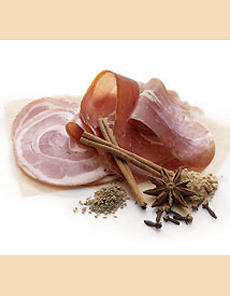
chinese-five-spice-230b

Chinese Five Spice, used to cure artisan pork. Photo courtesy McCormick.

 
_____________

*Mark Bittman advises: “…don’t feel as if you have to relegate these mixtures solely to their original uses, like jerk spice on chicken or garam masala in curry. Rub them on meat, poultry, seafood, tofu, or vegetables before grilling, broiling, or roasting; cook them in oil or butter to begin braises or stir-fries; or just sprinkle them on almost anything. My recently regenerated enthusiasm for these came about when I sampled a couple of blends on raw apple slices with ice cream, which was transformational.”
_____________
 
HOW TO START

You can blend and then grind your spices as needed. This is traditionally done with a mortar and pestle, but you can repurpose an old coffee grinder just for spices. First, clean it and then fill it with raw white rice; grind and then toss the rice. If you still find a residual coffee aroma, do it again.

You’ll get more flavor from your spices if you toast them first. Place them whole in a small skillet over medium heat. Shake the pan occasionally until the fragrance rises, 2 to 5 minutes. Cool for a few minutes, then grind.

Store all ground spices in tightly sealed jars in a dark, cool place. While some will keep well for months, for the most potency make only what you need for a few weeks.

Here are the first five spice blends: adobo from Mexico, chili powder from Mexico, five spice from China, garam masala from India, and jerk from Jamaica.


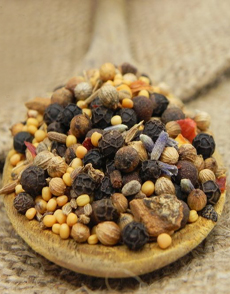
kashmiri_masala_spice_blend_mccormick-230r
Garam masala, an Indian spice blend that
varies by region and individual cook. Photo
courtesy SilkRoadSpices.ca.
  ADOBO
 
Adobo is a popular Mexican spice mix: spicy and rich in flavor, but not hot. Traditional blends have no added salt. People on low-salt diets can use it in place of salt (but check the label).

  • Traditional uses: Rub on chicken, fish, or pork with a bit of lime juice and salt to taste, then grill or broil. Add to chili or taco fixings, or perk up guacamole.
  • Traditional ingredients: garlic, onion, black pepper, oregano, cumin and cayenne red pepper.
  • Bittman’s recipe: 2 tablespoons granulated garlic, 1 tablespoon salt, 4 teaspoons dried oregano, 1 teaspoon black pepper, 1 teaspoon turmeric, 2 teaspoons cumin, 2 teaspoons onion powder and 2 teaspoons ground ancho.
  •  
     
    CHILI POWDER

    There are different strengths of chili powder, depending on the heat of the chiles used. Some are labeled medium or hot.

  • Traditional uses: Chili powder is the backbone of traditional Mexican dishes such as red chili and tamales. It is added to mole sauce, stews, beans, and rice.
  • Traditional ingredients: ancho chili pepper, red pepper, cumin, crushed red pepper, garlic and Mexican oregano.
  • Bittman’s recipe: Toast and grind 4 teaspoons cumin seeds, 1 teaspoon black peppercorns, and 4 teaspoons coriander seeds; stir in 2 tablespoons dried Mexican oregano, 4 tablespoons ground ancho chiles, and 1 teaspoon cayenne.
  •  
    CHINESE FIVE SPICE

    Five spice powder is a versatile Chinese seasoning. The five spices vary by region and individual preference.

  • Traditional uses: stir frys. The spice has traveled far beyond that with innovative chefs. You’ll find it in artisan chocolate bars, for example.
  • Traditional ingredients: cassia cinnamon, star anise, anise seed, ginger and cloves. Sichuan peppercorns and fennel seeds are also commonly included.
  • Bittman’s recipe: Grind the following (no need to toast): 2 tablespoons Sichuan peppercorns, 12-star anise, 3 teaspoons whole cloves, two 3-inch cinnamon sticks, and ¼ cup fennel seeds.
  •  
     
    GARAM MASALA

    As with other all-purpose spice blends, including curry and Chinese five spice, the ingredients in this Indian spice vary by region and individual cook.

  • Traditional uses: very popular on cauliflower, fish, lamb, pork, poultry and potatoes.
  • Traditional ingredients: coriander, black peppercorns, cardamom, cassia cinnamon, kalonji, caraway, cloves, ginger and nutmeg.
  • Bittman’s recipe: Toast and grind the seeds of 20 cardamom pods, 2 3-inch cinnamon sticks, 2 teaspoons whole cloves, 1 teaspoon nutmeg pieces, 2 tablespoons cumin seeds, and 2 tablespoons fennel seeds.
  •  
     
    JERK

    Jerk seasoning is a hot Jamaican spice blend. There are different jerk blends for chicken, fish, and pork.

  • Traditional uses: grilled chicken, fish, pork chops, pork tenderloin, whole roast pig; also.
  • Traditional ingredients: paprika, allspice, ginger, red pepper, sugar, ground Grenadian nutmeg, black pepper, garlic, thyme, lemon grass, cinnamon, star anise, cloves and mace.
  • Bittman’s recipe: Grind the following (no need to toast): 2 tablespoons allspice berries, ½ teaspoon nutmeg pieces, 2 teaspoons black peppercorns, and 4 teaspoons dried thyme. Combine with 2 teaspoons cayenne, 2 tablespoons paprika, 2 tablespoons sugar, and ¼ cup salt. Before using, add some minced fresh garlic and ginger.
  •  
    Continue to Part 2 the next five blends: nori shake from Japan, pimentón from Spain, quatre épices from France, ras el hanout from Morocco and za’atar from the Middle East.


    CHECK OUT WHAT’S HAPPENING ON OUR HOME PAGE, THENIBBLE.COM.


    Comments off

    PRODUCT: Grecian Delight Phyllo Swirls

    We love Greek food, but there’s no Greek restaurant anywhere near us.

    Fortunately, we can pick of plenty of mezze* at the food store and set out a buffet of babaganoush, dolmades, falafel, feta, halloumi cheese, hummus, olives, peperoncini, pita, tabbouleh, taramasalata, tzatziki and Greek yogurt.

    And now, we can add delicious Phyllo Swirls from Grecian Delight.

    Crisp phyllo dough is filled with three classics, deftly seasoned:

  • Apple
  • Cheese (feta)
  • Spinach (with feta)
  •  
    Simply place an individual-portion frozen swirl on a cookie sheet, pop it into the oven for 40 minutes, and enjoy the warm flakiness that emerges.

    The all natural product line contains no trans fats, artificial colors or flavors.

      spinach-phyllo-swirl-230
    Spinach and feta, one of three delicious flavors of new Phyllo Swirls. Photo courtesy Grecian Delight.
     

    We can’t wait to load up on more. The spinach/feta combination is a wonderful stand-in for spanakopita, one of our favorite dishes; and given how much we like phyllo over conventional pie crust, the apple swirl is our new favorite store-bought “apple pie.” (Serve it plain, à la mode or with a touch of crème fraîche or mascarpone).

    Grecian Delight has been making Greek and other Mediterranean specialties since 1974. Learn more, and find a retailer near you, at GrecianDelight.com.
     
    *Mezze or meze (MEH-zeh) refers to a selection of small dishes served in the Middle East, often to accompany alcoholic drinks or as an appetizer course before the main dish.
      

    Comments off

    TIP OF THE DAY: Create Your Fantasy Custom Ice Cream Flavors

    chocolate-raspberry-jam-mcconnellsicecream-230
    No fresh raspberries? Make chocolate
    raspberry jam. Photo courtesy McConnell’s
    Ice Cream.
      When you’re peering into the ice cream case at the market, do you ever long for flavors that don’t exist? Maybe you want chocolate cookie dough, or rum date instead of rum raisin.

    How about vanilla orange marmalade, a riff on the Creamsicle, or salted caramel candy corn? We’re personally considering coffee-chocolate chip- brownie-Heath Bar.

    Make them yourself!

    You don’t have to own an ice cream maker. Just buy the base flavor at the store, along with the inclusions (the mix-ins) to make your flavor.

  • Start with a pint of chocolate, vanilla or other base flavor, soften it on the counter, and when it’s soft enough to mix, scoop it into a mixing bowl.
  • Then, pile in your inclusions, blend with a couple of large cooking spoons, taste and adjust as desired. Be cautious: add smaller amounts first, especially with alcohol and sauces.
  • Repack the ice cream into the pint and return to the freezer.
  • Work on your recipes over time, adding more or less of some ingredients and introducing new ones.
  •  
    WHAT CAN YOU MIX IN?

  • Alcohol: beer, liqueur, spirits, wine
  • Candy: baking chips (mix the flavors!), chocolate chips/chunks/shavings, mini marshmallows, marzipan, toffee bits, candies of choice
  • Cookies, Cake: broken or cut into small pieces
  • Fruits: diced fruits, jam/preserves, purées, shredded coconut, zest
  • Ice Cream & Sorbet: make a blend of favorite flavors; add a sorbet swirl to ice cream
  • Nuts: raw, roasted or candied nuts, mixed nuts
  • Sauces: balsamic, caramel/salted caramel, chocolate, fruit, honey, marshmallow
  • Spices: cayenne, chili flakes, cinnamon, clove, nutmeg, sea salt
  • Vegetables/Herbs: basil, carrots (shredded/purée), mint, tomato
  • Wild Card: granola/other cereals, potato chips, pretzels, popcorn, trail mix
  •  
    More? You tell us!


    Comments off

    FOOD FUN: Watermelon People

    We received an email from Bean Sprouts Café and Cooking School, which focuses on better-for-you food for kids and families. As is our wont, we went to check out the website and found these watermelon people.

    It reminded us that it was time to get out the cookie cutters and have fun with our food while melon season is in full force.

    For snacks, desserts or a plate garnish (a piece of melon on the dinner plate, with a sandwich, etc.), you’ll win smiles from kids and grown-ups alike.

    Dice the pieces left over from cutting shapes and add to a fruit salad.

      watermelon-people-beansprouts-230
    We are everyday [melon] people. Photo courtesy Bean Sprouts Café | Portland, Oregon.


    Comments off

    BOOK: Everyday Cheesemaking

    everyday-cheesemaking-230
    Are you ready to make cheese? Photo
    courtesy Microcosm Publishing.
      A copy of this small paperback arrived yesterday. We picked it up and read it straight through to the end. It’s a real page-turner, and we’ve never even thought about making cheese.

    (O.K., we did make mozzarella once, from a kit, and made butter with a tabletop butter churn).

    “Everyday Cheesemaking: How to Succeed at Making Dairy and Nut Cheese at Home,” by K. Ruby Blume, is a treasure for the knowledge that it imparts, and especially the teachings on why things go wrong and how to fix them.

    Ms. Blume had purchased cheese books to teach herself how to make cheese. The problem is, unlike baking brownies, many things can go wrong in the cheesemaking process, resulting in a lot of wasted time and milk.

    So after she learned, she shared her knowledge via cheesemaking classes, and now this book. It is targeted to “everyday people” who have other jobs, and want to make cheese easily for the joy of it (or perhaps more accurately, to impress their friends and family with delicious homemade cheese). It is very clear on what can go wrong and how to avoid it.

     
    Ready, Set, Make Cheese!

    As we thumbed through page after page of how-to, we, who have never thought of it, wanted to run right out for the milk to make feta and ricotta, two cheeses we love and the easiest recipes in the book.

    The book covers a wide rage of homemade cheeses, from fresh cheeses such as chevre, halloumi, queso fresco and mozzarella to aged classics such as blue cheese, Brie and Camembert.

    In addition to cheese, you can make buttermilk, sour cream and yogurt, as well as vegan cheese, made from ingredients like nuts or soy protein.

    The book is published by Microcosm Publishing, a small publisher in Portland, Oregon. We like the book so much that we forgive them the errata that should have been caught: many missing commas, typos like “feed” instead of “fed,” and a duplication of the same paragraph.

    But these don’t get in the way of the fine writing style and the wealth of information. This is a great gift for anyone who has thought of making cheese.

    Get yours on Amazon.com.
      

    Comments off

    The Nibble Webzine Of Food Adventures
    RSS
    Follow by Email


    © Copyright 2005-2026 Lifestyle Direct, Inc. All rights reserved. All images are copyrighted to their respective owners.