THE NIBBLE BLOG: Products, Recipes & Trends In Specialty Foods


Also visit our main website, TheNibble.com.

TOP PICK OF THE WEEK: Smucker’s Fruit Spread With Honey

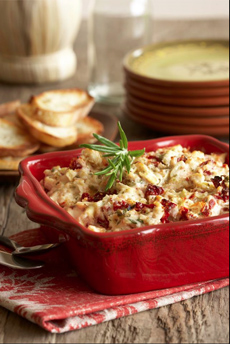
triple-berry-cheese-spread-230
Mix with cream cheese, feta, cream cheese
and adobo sauce for a sweet heat spread.
Photo © The J.M. Smucker Company.
  A few years ago, the Orchard’s Finest line from Smucker’s tickled our palate and became a favorite bread spread.

Now, the Smucker’s team has charmed us with a new line: Fruit & Honey fruit spreads, sweetemed with honey instead of sugar. And it’s just enough honey to sweeten, but not be too sweet. One tablespoon has just 35 calories.

You also taste the honey in each bite. It’s a really nice departure from sugar-sweetened jams, and well worth trying. Even the shape of the jar is alluring.

In addition to toast and PB&J or PB&B sandwiches, the Smucker’s shows how to create delicious and very easy recipes.

  • Smucker’s Fruit & Honey Blueberry Lemon Fruit Spread. Swirl it into slightly softened frozen yogurt in this easy recipe. Or, mix with cream cheese and yogurt or sour cream and spoon into graham cracker crusts for no-bake cheesecake tarts.
  • Smucker’s Fruit & Honey Strawberry Fruit Spread. Stir it into balsamic dressing for this quinoa, mixed greens and grilled chicken recipe.
  • Smucker’s Fruit & Honey Triple Berry Fruit Spread (a blend of blackberries, blueberries and strawberries). Mix with cream cheese, feta, chiles and adobo sauce for a sweet heat spread. Recipe.
  • Smucker’s Fruit & Honey Tropical Fruit Spread (peaches, mango, and passion fruit). Make a smoky mango salsa with black beans, fruit spread, lime juice, cilantro and paprika and serve it with tortilla chips or atop chicken. Here’s the recipe.
  •  
    How many more ways can you use fruit spread? See our list below.

    Smucker’s Fruit & Honey fruit spreads are available at Walmart, Target, Publix and Safeway and other retailers nationwide. The manufacturer’s suggested retail price (MSRP) is $3.49 for a 9-ounce jar.
     
    WHAT’S THE DIFFERENCE BETWEEN JAM & FRUIT SPREAD?

    The difference is in the level of sweetness. Some jams can be cloyingly sweet. A good fruit spread isn’t.

    Jam consists of chopped, crushed or puréed fruit cooked down with sugar—a recipe as old as refined sugar. Fruit spread began to appear in the 1970s as a reduced-calorie product, made with alternative sweeteners such as juice concentrate. The honey in Smucker’s fruit spreads makes it so superior to others we’ve tasted.

    There are distinct differences between chutney, conserve, jelly, jams, marmalades and the other types of sweet spreads. Take a look.
     

    MORE WAYS TO USE FRUIT SPREAD OR JAM

    In Breakfast Dishes

  • Hot cereal. Use a dab instead of sugar.
  • Pancake and waffle topping. Substitute for syrup.
  • Yogurt. Add to cottage cheese or to plain yogurt, to make fruit yogurt.
  •  
    At Lunch

  • Grilled cheese. Sharp cheeses like blue cheese and Cheddar are perfect pairings for jam or fruit spread. Grill with the cheese or serve it on the side as a condiment. For more flavor, use rye or a textured whole grain bread.
  • Salad dressing. Warm a spoonful and whisk it into salad dressings.
  • Sandwich spread. Spread on bread with a filling of cheese, ham, lamb, poultry or roast pork. To cut the sweetness, you can mix it with mayonnaise or plain yogurt.
  •  

    Appetizers/Snacks

  • Canapés. Top a cracker or slice of baguette with cheese, ham, turkey or other favorite and a bit of jam or fruit spread.
  • Cheese condiment. Wonderful with a cheese plate (more cheese condiments) or atop a baked Brie. Make the popular appetizer of jam poured over a brick of cream cheese or a log of goat cheese, served with crackers.
  • Dipping sauce. Mix in a small bowl with sriracha or other hot sauce, a hot chile and vinegar. You can also make a dip with fresh grated ginger and soy sauce.
  • Pepper jelly. Mix in some red pepper flakes, dried or fresh minced chipotle, jalapeño or other chile (the different chile types).
  • Pretzel or breadstick dip. Mix with Dijon or other mustard. For a sweet-and-hot profile, add some hot sauce.
  •  
    Dinner

  • Meat glaze. Particularly delicious on poultry and pork. Mix with fresh herbs and garlic.
  •   /home/content/p3pnexwpnas01_data02/07/2891007/html/wp content/uploads/strawberry jar 230
    One of four flavors of the Fruit & Honey fruit spreads. Photo © The J.M. Smucker Company.
  • Sauce for meat and seafood. Use with wine or vermouth to deglaze the pan. Add some to the pan while you’re cooking chicken, pork chops, fish, scallops or shrimp and let the flavor coat the meat.
  •  
    Dessert

  • Cheesecake. Fine jam makes a wonderful topping or a condiment on the side.
  • Cookies. Thumbprints and rolled cookies with a jam swirl are classics.
  • Crêpe filling. Delicious plain or with fresh goat cheese or mascarpone.
  • Dessert sauce. Mix with plain or vanilla yogurt or sour cream.
  • Ice cream and sorbet topping. Crown a scoop of sorbet. Lightly warm the jam so it flows like a sauce over ice cream.
  • Layer cake filling. A coat of jam between the layers is a classic: Think Sacher Torte! Apricot or raspberry jam is delicious with chocolate cake; any flavor works with lemon cake.
  • Tarts and tartlets. Fill tart or tartlet shells with jam. Top with a dab of crème fraîche, Greek yogurt, mascarpone or sour cream. Or, blend with cream cheese for a cheesecake-like tart.
  •   

    Comments off

    FOOD FUN: Blueberry Yogurt Toast

    /home/content/p3pnexwpnas01_data02/07/2891007/html/wp content/uploads/yogurt blueberry toast potatorolls.com 230sq
    Toast as modern art. Photo courtesy Martin’s Famous Pastry Shop.
     

    For Back To School or Back To Work, here’s a fun approach to morning toast from Martin’s Famous Pastry Shop, bakers of potato rolls and potato bread.

    Pick Your Bread

  • Crusty peasant bread
  • Potato bread
  • Raisin bread
  • Semolini bread
  • Whole grain bread (especially with seeds!)
  •  
    Pick Your Spread*

  • Greek yogurt with fruit
  • Labneh (yogurt cheese*)
  • Plain Greek yogurt
  • Seasoned Greek yogurt or tzatziki
  • Non-yogurt substitute: cream cheese, goat cheese
  • For The Topping

  • Fresh blueberries
  • Dried blueberries or other dried fruit (cherries, cranberries)
  •  
    *Labneh is a thick, creamy, tangy fresh cheese, often called “yogurt cheese” in the U.S. It’s a mainstay for breakfast and snacking in the Middle East, and is available in supermarkets here.
      

    Comments off

    Gourmet Ants On A Log Recipes For National Ants On A Log Day

    September 8th is National Ants On A Log Day (it’s the second Tuesday of the month). Most kids growing up in the 1950s or later ate them as a healthy snack: celery stalks stuffed with peanut butter (the log) topped with raisins (the ants).

    Our mom took a creative approach, alternating the ants with purple raisins (the boy ants) and golden raisins (sultanas, the girl ants).

    This kiddie favorite can easily be made more sophisticated for grown-ups, as well as more fun for kids.
     
    VARIATIONS

    Play with these substitutions. There combinations are [almost] endless. For sophistication, we like fennel or celery with goat cheese, dried cherries or cranberries and pistachio nuts (call them the visiting friends of the ants); as well as tzatziki with sliced black olive ants. For comfort food, it’s chocolate peanut butter with dried cherries and pecans.

    And don’t forget flavored peanut butter*!

    To customize your Ants On A Log, cut celery in 3-inch long pieces and fill with your spread of your choice and topping of choice. Suggested substitutions:

  • For peanut butter: flavored peanut butter* or other nut or seed butters, including almond butter, cashew butter or sunflower butter
  • Beyond nut butter: cottage cheese (plain or seasoned), cream cheese (plain or flavored), goat cheese, Greek yogurt (plain, seasoned or tzatziki), hummus (plain or flavored)
  • For the raisins: blueberries, chocolate-covered raisins, dried cherries or cranberries, freeze-dried vegetables, nuts, sliced black olives, sultanas
  • For the celery: bok choy, carrots (sliced with a flat top), Chinese celery, fennel
  •  
    NEW NAMES, MORE FUN

    Hats off to Food Network for these variations:

  • Ants On A Ranch: cream and ranch dressing with peas (we used crunchy freeze-dried peas or corn)
  • Ants On A Tree: Turn the celery sticks vertical and top each with a large broccoli floret.
  • Beans On A Stalk: guacamole with black beans
  • Berries On A Branch: cookie butter and blueberries
  • Fish In A Stream: hummus with Goldfish
  • Ladybugs On A Log: strawberry cream cheese with dried cranberries
  • Pigs In A Pen: pimento cheese and bacon
  •    
    Ants On A Log With Guacamole
    [1] Ladybugs On A Stick: Photo courtesy California Avocado Commission. Here’s the recipe.

    Ants On A Log

    [1] Ants On Trees: with bread “clouds” and a “sun” of bell pepper and mini carrots (photo PB & Co. and Dandy Broccoli).

     
    *Check out ILovePeanutButter.com for Cinnamon Raisin Swirl, Dark Chocolate Dreams, Mighty Maple, Pumpkin Spice, The Bee’s Knees, The Heat Is On, White Chocolate Wonderful.


    ants-on-a-log-variations-foodnetwork-230
    And the award for creativity goes to…The Food Network, for these variations. From top to bottom: Ants On A Log, Berries On A Branch, Ladybugs On A Log, Beans On A Stalk, Fish In A Stream, Pigs In A Pen. Photo courtesy Food Network.
     

    THE HISTORY OF ANTS ON A LOG

    Celery and raisins have been eaten—not necessarily together—since ancient times. Celery, raisin and nut salads arrived on our shores with German immigrants in the 19th century.

    George Washington Carver invented a form of peanut butter in the 19th century and made a soup of peanut butter and celery. But the smooth, spreadable peanut butter we know today was invented in 1890 by a St. Louis physician.

    He sought a high-protein food substitute for people with poor teeth who couldn’t chew meat. Others soon discovered how tasty peanut butter was, and, like many products, it was sold in bulk from barrels at grocery stores.

    Peanut butter was first distributed commercially by Krema Nut Company, the oldest peanut butter company still in operation today (and the PB is superb!). Here’s more on the history of peanut butter.

    Now for the celery: The American practice of stuffing celery began in the early 20th century, with anchovy paste, Roquefort, cream cheese and soon, pimento cheese, port wine cheddar and other cheese spreads. The filling was topped with spices, including curry and paprika.


    According to old cookbooks, stuffed celery was served as an appetizer or hors d’oeuvre at the beginning of a meal. People of all ages enjoyed it at dinner parties, family get-togethers and holiday meals. Stuffed celery was also served as to children as snacks.

    These appetizers and hors d’oeuvre remained popular through the 1960s. There are some old recipes that include nuts and raisins, although none quite describe the “ants on a log” we know today. Peanut butter fillings for celery surface in the early 1960s. [Source]

    We actually don’t know who invented Ants On A Log. Magazine and newspaper articles from the 1980s attribute it to the Girl Scouts, but they don’t give specific references. The recipe appears in Girl Scout cookbooks dating to 1946; however, the recipe is simply called Celery Stick [source].

    We may never know who named it, but the term “Ants on A Log” was first used in the 1950s. Whoever you are: Thanks for putting a fun name on peanut butter-stuffed celery sticks.


    Comments off

    RECIPE: Baked Acorn Squash With Wild Rice

    September 7th is National Acorn Squash Day. If today’s weather is to warm for roasting, plan to make it on the next cool day.

    You can serve stuffed acorn squash as a first course, or as a main along with a protein and a green vegetable or salad.

    This recipe is from USA Pears, which has many recipes on its website.

    RECIPE: BAKED ACORN SQUASH WITH WILD RICE

    Ingredients For 6 Servings

  • 3 acorn squash
  • Salt and freshly ground pepper
  • Freshly ground nutmeg
  • 4 tablespoons (½ stick) unsalted butter, at room temperature, divided
  • ¾ cup wild rice
  • 1½ cups canned low-sodium chicken or vegetable broth
  • ¼ teaspoon salt, plus extra to taste
  • 2 cups water
  • 2 tablespoons olive oil
  • 1 medium yellow onion, finely chopped
  • 1 large clove garlic, minced
  • 1 large rib celery, finely chopped
  • 1 large carrot, peeled and finely chopped
  •    
    /home/content/p3pnexwpnas01_data02/07/2891007/html/wp content/uploads/pear stuffed acorn squash USAPears 230

    Baked acorn squash is stuffed with wild rice, nuts, fruits and herbs. Photo courtesy USA Pears.

  • 2 firm Anjou or Bosc pears, peeled, halved lengthwise, cored, and cut into ½-inch dice (substitute
    Granny Smith apples)
  • 2 teaspoons minced fresh sage
  • 2 teaspoons minced fresh thyme leaves
  • 1/3 cup minced fresh parsley
  • 1/3 cup chopped walnuts, toasted
  • 1/3 cup sweetened dried cranberries
  •  

    Preparation

    1. PREHEAT the oven to 350°F. Toast the nuts to bring out their full flavor. Place the nuts in a single layer on a rimmed baking sheet and bake in a preheated 350°F oven until lightly browned, about 5 to 8 minutes. When the nuts come out, the squash goes in.

    2. CUT each squash in half crosswise. Scoop out and discard the seeds and strings. If necessary, trim the top and bottom so that the squash will be level, and place on a rimmed baking sheet, cut side up.

    3. SPRINKLE each half with a little salt, pepper and nutmeg, to taste. Dot each half wit butter, using 3 tablespoons. Cover the pan tightly with foil and bake the squash just until moist and tender, about 45 minutes.


    /home/content/p3pnexwpnas01_data02/07/2891007/html/wp content/uploads/acorn duo beauty goodeggs 230
    The first acorn squash of the season. Photo courtesy Good Eggs | San Francisco.
      4. COMBINE the rice, broth, salt and water in a medium saucepan. Bring to a boil over medium-high heat. Reduce the heat to a low simmer, cover and cook, stirring occasionally, until the rice is tender, about 40 minutes. When the rice is done most of the water should be evaporated.

    5. HEAT the olive oil in a 10-inch sauté pan over medium heat. Swirl to coat the pan and sauté the onion, garlic, celery and carrot until slightly softened, about 3 minutes. Add the pears and sauté 2 minutes longer. Cover the pan, adjust the heat to medium-low and cook the vegetables until crisp-tender, 3 minutes longer. Add the sage, thyme and parsley and sauté 1 more minute. Remove from the heat.

    6. COMBINE the cooked rice, sautéed vegetables, pears, walnuts, and dried cranberries in a large bowl. Taste and add salt and pepper as desired. Mound the rice mixture into the squash halves, dividing it evenly. Cut the remaining tablespoon of butter into small pieces. Dot each stuffed squash with butter. Cover with foil. Bake until heated through, about 20 minutes.

     
    THE HISTORY OF ACORN SQUASH

    Acorn squash (Cucurbita pepo var. turbinata) is a member of the Cucurbitaceae botanical family, which also includes cucumber, gourds, other winter squash (including pumpkin), summer squash (including zucchini and yellow squash) and watermelon.

    Known for its acorn shape, hard green skin (often with a splotch of orange) and deep, longitudinal ridges. Inside is sweet, yellow-orange flesh. While the most common variety is dark green in color, newer varieties have been developed, including the yellow- and white-skinned varieties.

    Acorn squashes typically weigh one to two pounds and are between four and seven inches long. Before modern refrigeration, acorn squash was a hardy variety to store throughout the winter. It kept for several months in a cool dry location, such as a cold cellar or a root cellar.

    Acorn squash are indigenous to Central America, and were cultivated by pre-Columbian natives (Mayas, Aztecs and their predecessors) as long as 8,000 years ago. Initially, only the seeds were eaten since the flesh was considered too hard. The flesh layer at the time was much thinner than modern-bred varieties, so not worth the trouble. Today, it is flesh that is prized and the seeds that are typically thrown away!

    Squash traveled north and across what is now the U.S., where it was cultivated and highly prized. The seeds were dried for eating during lean times, or as portable food for travelers.

    The Pilgrims encountered it upon their arrival in Massachusetts. The locals called the fruit askutasquash, which gave way to the English word “squash.”

    Squash became a staple of colonial gardens. Both Washington and Jefferson, among many others, grew squash on their plantations and farms. Today, while other Colonial garden items have come and gone (horehound, lovage, orach and peppergrass, purslane, sea kale and others), squash remains on the popular vegetable list.

    [Source]


    Comments off

    RECIPE: Lyonnaise Salad With Bacon & Eggs

    You may know Lyonnaise potatoes, sliced pan-fried potatoes and thinly sliced onions, sautéed in butter with parsley; Rosette de Lyon, a cured rosy saucisson (French pork sausage); and Lyonnaise sauce, a brown sauce for roasted or grilled meat and poultry, made with white wine, vinegar and onions.

    Some of our favorites from the area include as coq au vin and quenelles (a mouselline of pike in cream sauce—the more elegant cousin of gefilte fish)*.

    And now, there’s the classic Salade Lyonnaise (pronounced lee-owe-NEZ), which combines frisée lettuce with bacon, croutons and a poached egg—a great combination of flavors and textures.

    Since the recipe uses raw eggs, pasteurized eggs are a worry-free solution (here’s more about pasteurized eggs and the 12 popular foods where you should consider them to eliminate the Salmonella risk).

    Prep time is 20 minutes; total time is 35 minutes.

    RECIPE: LYONNAISE SALAD

    Ingredients For 4 Servings

  • 2 extra-thick bacon slices
  • 12 asparagus spears, trimmed (optional)
  • 3 tablespoon sherry or red wine vinegar
  • 2 tablespoon olive oil
  • 2 cloves garlic, minced
  • 1/2 teaspoon salt
  • 1/4 teaspoon freshly ground black pepper
  • 1/4 teaspoon Dijon mustard
  • 4 pasteurized eggs
  • 1/2 teaspoon white vinegar or lemon juice
  • 5 cups frisée salad greens
  • Salt and freshly ground black pepper to taste
  •    

    lyonnasise-salad-safeeggs

    Lyonnaise Salad with bacon and eggs: Perfect for brunch or lunch. Photo courtesy SafeEggs.com.

     
    Preparation

    1. CUT bacon strips into 2 x 1/2-inch pieces. Cook in skillet over medium heat about 5 minutes or until golden brown and crisp. Drain on paper towels. Meanwhile…

    2. BRING 2 inches water to boil in wide saucepan or skillet. Cook the asparagus for 3-4 minutes or just until crisp-tender. Immediately drop the asparagus into bowl of cold water to cool. Drain on paper towels.

    3. WHISK together in small bowl the vinegar, oil, garlic, salt, pepper and mustard. Set aside.

    4. FILL a deep saucepan or large sauté pan half full with water. Bring to boil. Reduce heat to simmer and add 1/2 teaspoon vinegar or lemon juice. Crack eggs individually into small custard cup or bowl and gently ease eggs into water, one at a time, holding cup as low as possible so yolk doesn’t break. Use a spoon to gather whites around yolks of each egg and continue to simmer about 3 minutes, or to desired doneness.

    5. ASSEMBLE the salad: Mound greens in center of each plate. Arrange the asparagus over the greens and sprinkle with bacon. Drizzle with vinaigrette. Carefully place a poached egg on top of each salad. Offer salt and freshly ground black pepper to taste. Serve immediately.
     

    Variations

  • Use 2-1/2 cups frisée and 2-1/2 cups dark kale leaves, cut into ribbons, or baby kale, in place of all frisée.
  • Substitute green beans for asparagus.
  • Here’s another version of the recipe.
  •  
    *Here’s more about Lyonnaise cuisine.


    /home/content/p3pnexwpnas01_data02/07/2891007/html/wp content/uploads/frisee hy vee.com 230
    A head of frisée. Photo courtesy Hy-Vee.com.
      WHAT IS FRISÉE

    Frisée has very narrow, curly pale leaves that grow in a bush-like cluster and are feathery in appearance. The name means “curly” and the lettuce is sometimes called curly endive.

    Frisée is a member of the chicory genus of lettuces, which includes endive. Chicories are rich in fiber, vitamins and minerals—especially folate and vitamins A and K.
    Frisée is often included in mesclun and other salad mixes. It is extremely labor-intensive to grow, and therefore one of the costliest salad ingredients. For that reason, it isn’t a conventional supermarket item, but can be found at upscale markets and purveyors of fine produce.

    Frisée has a distinctive flavor and a delightful bitterness—less bitter than its cousins endive and radicchio. Its exotic feathery appearance has great eye appeal.

     
    Tips For Using Frisée

  • As with many salad greens, tear it rather cut it with a knife, or the edges may brown. Tear it shortly before use.
  • The tough, external leaves are best used as a plate garnish or fed to the gerbil.
  • Dress the salad right before bringing it to the table, so that it doesn’t discolor or become waterlogged.
  •   

    Comments off

    The Nibble Webzine Of Food Adventures
    RSS
    Follow by Email


    © Copyright 2005-2025 Lifestyle Direct, Inc. All rights reserved. All images are copyrighted to their respective owners.