|
For the holidays, we like Cranberry Sangria. In addition to making pitchers of it to serve at Thanksgiving and Christmas, we keep a pitcher of Sangria in the fridge for daily apéritifs and impromptu visitors.
In the first recipe, tart cranberry juice is paired with a sweet wine and orange liqueur. It takes only 10 minutes to make this recipe, from McCormick. The result: a flavorful, well-balanced holiday refreshment.
Plan ahead: December 20th is National Sangria Day. Here’s the history of sangria.
> The History Of Sangria
RECIPE #1: SPICED CRANBERRY SANGRIA
Ingredients For 6 One-Cup Servings
1 orange
16 whole cloves
1 bottle (750 ml) sweet white wine, such as Moscato or Riesling
3 cups cranberry juice
1 cup fresh cranberries
1/4 cup orange-flavored liqueur*, such as Grand Marnier
2 whole cinnamon sticks
1 tablespoon pure vanilla extract
|
|
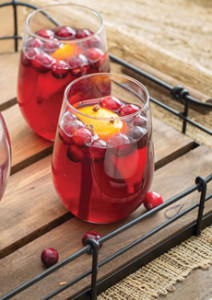
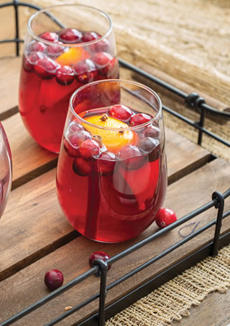
Steep orange slices studded with cloves, plus cranberries and cinnamon sticks, in sweet white wine and tart cranberry juice (photo © McCormick. |
______________
*Here are the different types of orange liqueur.
Preparation
1. CUT the orange into 8 wedges. Press 2 cloves into each wedge. Set aside.
2. MIX the wine, cranberry juice, cranberries, liqueur, cinnamon sticks and vanilla in large pitcher until well blended. Add the orange wedges.
3. REFRIGERATE for at least 3 hours before serving. Serve straight up or on the rocks.
RECIPE #2: HOLIDAY SANGRIA WITH RUBY PORT
This recipe also celebrates the flavors and colors of the season—with cinnamon, clementines and cranberries. They compliment the rich red-fruit flavors of Ruby Port (there’s more about Port below). The recipe was developed by Sandeman, using their Founders Reserve Ruby Port.
Don’t worry about buying a bottle just for this recipe. Port is delicious served alone at the end of any dinner, with the cheese course (especially blue cheeses and washed-rind cheeses). or accompanying a rich chocolate or caramel dessert or candy.
Serve Ruby Port with a side of salted or smoked nuts, and with smoked meats. The next time you make barbecue, serve Ruby Port on the rocks with a twist of lime!
|
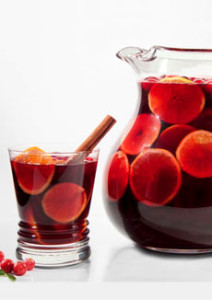
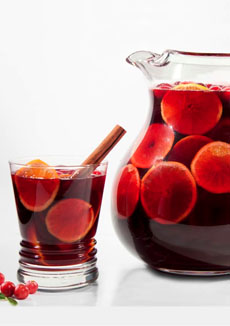
Keep a pitcher in the fridge (photo © Sandeman). |
|
Ingredients
1 bottle of Sandeman Founders Reserve Porto or other Ruby Port
4 ounces cinnamon schnapps† (Goldschläger is relatively easy to find)
3 clementines, quartered or sliced
6 ounces fresh or frozen cranberries
18 ounces sparkling clementine juice or clementine soda‡
6 ounces cranberry juice
4 cinnamon sticks
Ground allspice to taste
______________
†Cinnamon schnapps is also delicious in coffee, after dinner drinks, atop vanilla ice cream, and so on. You can also make cinnamon simple syrup.
‡San Pellegrino and Izze make clementine sparkling drinks. Otherwise, substitute orange soda.
|
Preparation
1. COMBINE the Port, cinnamon schnapps, clementine pieces, cranberries, cranberry juice and cinnamon sticks in a large pitcher. Cover tightly and place in refrigerator for at least 8 hours.
2. TO SERVE: Add the sparkling clementine juice/soda and sprinkle allspice on top, to taste.
PORT VS. PORTO & TYPES OF PORT
Porto (sometimes written as Oporto, “the Porto”) is the second largest city in Portugal. Located along the Douro River estuary in northern Portugal, Porto was an outpost of the Roman Empire. Port wine is produced in the region.
Port is made in several expressions: Crusted, Colheita, Late Bottled Vintage (LBV), Ruby, Single Quinta, Tawny, Vintage, Vintage Character and White. Here’s an explanation of each type of Port.
|
|