THE NIBBLE BLOG: Products, Recipes & Trends In Specialty Foods


Also visit our main website, TheNibble.com.

FOOD FUN: Pumpkin Soup In A Mini Pumpkin

Express your inner artist by turning miniature pumpkins into bowls for pumpkin soup.

The next fun part is garnishing them with whatever appeals to you. Some of our favorites:

  • Croutons: cornbread, pumpkernickel or sourdough
  • Dairy: crème fraîche, sour cream, yogurt
  • Heat: crushed red pepper flakes, red jalapeno (circles or minced)
  • Meat: bacon, frizzled ham or prosciutto, pork belly squares
  • Pesto: cilantro, mint, parsley
  • Sage Leaves: fresh or fried
  • Spices: nutmeg, paprika, pimenton
  • More: apple chips, cranberry relish, currants, pomegranate arils, pumpkin seeds, toasted pecans
  •  
    Here are some recipes to start you off:

    PUMPKIN SOUP RECIPES

  • Pumpkin Soup With Chicken stock & Milk
  • Pumpkin Soup With Chicken Stock, Half-And-Half and Cocoa Croutons
  • Pumpkin Soup With Anise & Pernod-Flavored Cream Cheese “Sorbet”
  • Pumpkin Soup With Mint Pesto Garnish
  • Pumpkin Soup With Garnishes Of Fried Pumpkin Seeds & Sage Pesto
  • Roasted Garlic Sage Pesto Pumpkin Soup with Spicy Fried Pumpkin Seeds
  •  
    THE DIFFERENCES: BROTH, CHOWDER, SOUP & MORE

  • Bisque: A thick, creamy soup that traditionally was made from puréed shellfish. Today bisques are also made from fruits, game fish and vegetables.
  • Broth & Stock: Liquids in which meat, fish, grains or vegetables have been simmered. The difference between a broth and a stock is that broth is made from the desirable ingredients; stock is made from “leftovers” such as bones and skin; thus broth is richer and more nourishing than stock. Both are used as a base for soups and gravies.
  • Chowder: Chunky soups thickened with flour. The main ingredient chowder can range widely, including chicken, corn, fish and seafood.
  • Consommé: A broth that has been clarification. This means that egg whites or other ingredients are boiled in the broth to coagulate the sediment, resulting in a clear, elegant-looking soup.
  • Gumbo: A dish that can fall into the soup or stew category, a strong stock of meat and/or fish/seafood, with pieces of the protein and a variety of vegetables, served over rice. Gumbo is traditionally thickened with okra or filé powder (from the sassfras tree) and vegetables. A gumbo is traditionally served over rice.
  • Gravy: Gravy is not a soup, but a sauce; although Americans have often turned canned soups into sauces. Gravies are made from the juices of cooked meat or vegetables after they have been cooked. Almost all gravies start with a roux (ROO), a mixture of flour and butter; and are thickened with starch (flour, corn starch, arrowroot, etc).
  • Purée: Some soups are puréed into smoothness. A purée can be considered a vegetable or grain/pulse counterpoint to a bisque. The technique also produces smooth apple sauce, whipped potatoes and puréed vegetables (carrot purée, broccoli purée, etc.).
  • Ragout: The French term for a main-dish stew. Note that in Italian, n Italian cuisine, ragù is a meat-based pasta sauce.
  • Soup: Any combination of ingredients cooked in a liquid base: fish/seafood, fruit, meats, starches and vegetables. Soups can be thick and hearty or thin and delicate. While cooked ingredients can remain in the soup, the objective of the ingredients is to flavor the liquid. Soup can be served warm, room temperature or chilled. Fruit soups can be served for starters or desserts.
  •  

    Mini Pumpkin

    Pumpkin Soup

    Pumpkin Soup

    Pumpkin Soup
    [1] Get a mini pumpkin for each serving (photo courtesy Tablespoon). [2] This recipe has a garnish of mint pesto (photo Annabelle Breakey | Sunset). [3] This recipe has a garnish of sage pesto and fried pumpkin seeds (photo courtesy Half Baked Harvest). [4] This recipe has a simple garnish of creme fraiche* and pimenton* (photo courtesy Noob Cook).

  • Stew: A hearty dish made from proteins, vegetables, pulses, etc., simmered in a liquid (water, broth, stock, wine, beer) and then served in the resulting gravy. Stewing is a technique to cook less tender cuts of meat: The slow cooking method tenderizes the meat and the lower temperature allows the flavors to combine. There is a thin line between soups and chunky soups; generally, stews contain less liquid. Sometimes the name is adopted for a soup. Oyster Stew, for example, is a thick soup with butter and milk or cream, like a bisque.
  •  
    THE DIFFERENT TYPES OF SOUP

    THE HISTORY OF SOUP


    Comments off

    TIP OF THE DAY: Make Thanksgiving Chocolate Bars Or Bark

    Dark Chocolate Bar
    [1] Turn a plain 3.5-ounce chocolate bar into a Thanksgiving bar (photo © Livestrong).

    Thanksgiving Chocolate Bark
    [2] You can present the bars whole, or break them up into bark (photo © The Nutrition Adventure).

    Thanksgiving Chocolate Bar
    [3] You can use your favorite chocolate, whether dark, milk, or… (photo © Chocolate Inspirations).

    Thanksgiving Chocolate Bark
    [4]…white chocolate (photo © My Catholic Kitchen.


    We love to make chocolate bark, especially since we discovered this easy technique from Australian blogger Erika Rax. You can make bark almost instantly: for family, friends or gifting.

    In the conventional technique, the chocolate is chopped and melted, the inclusions mixed in, the mixture spread on a baking sheet to set and then broken up.

    Here, whole chocolate bars are topped with the inclusions, then placed in the oven so the bar melts and the inclusions set in.

    The result: chocolate bars with your favorite toppings, that can be broken into bark if you wish. Personally, we give them whole as gifts and break them up when serving them with coffee.
     
     
    RECIPE: THANKSGIVING CHOCOLATE BARS OR BARK

    Use the chocolate of your choice—dark, milk, white—or make one of each. Just ensure that the toppings contrast with the color of the chocolate.
    You can use raw or roasted pumpkin seeds, as long as they’re hulled and unsalted.

    You can use as much topping as you like, from elegantly spare to voluptuously overloaded.

    You can place the toppings in an artistic pattern, or just toss them on.
     
    Ingredients For 2 Chocolate Bars

  • 2 3.5-ounce chocolate bars (Cailler, Green & Black’s, Guittard, Lindt, etc.)
  • 1/2 cup dried cranberries
  • Optional: 1/4 cup dried apricots, chopped or golden raisins (sultanas)
  • Optional: 1/8 cup pecans halves or pistachio nuts
  • 1/4 to 1/3 cup pumpkin seeds (pepitas)
  • Optional: coarse/flaky sea salt or kosher salt (a great use for beautiful Maldon salt or alea red volcanic salt, actually a dark “harvest orange” color), to taste
  • Optional spice: 1 teaspoon pumpkin pie spice or 1/4 teaspoon cayenne pepper or red pepper flakes
  •  
    Preparation

    1. PREHEAT the oven to 170°F. Spray a baking sheet with cooking spray and line with parchment, leaving an overhang on the ends.

    2. SPACE the bars on the baking sheet bottom side up, with ample space between them (the pattern normally on top of the bar is on the bottom so the toppings have a level base). Arrange the toppings on top of the bars.

    3. PLACE the baking sheet in the oven for 3-5 minutes until the chocolate just begins to soften. Don’t overheat or the bars will lose their shape.

    4. REMOVE from the oven, lift the parchment from the hot baking sheet, and place it onto the counter to cool. Once cooled, store in an airtight container in a cool, dry place. While bark will last longer, for gifting make it no more than 3 days in advance, and wrap it in plastic or foil before gifting.

    You can also make your own paper chocolate bar label on the computer.
     
    GET READY, GET SET, MAKE YOUR THANKSGIVING CHOCOLATE.


    CHECK OUT WHAT’S HAPPENING ON OUR HOME PAGE, THENIBBLE.COM.


    Comments off

    GIFT OF THE DAY: Chocolat Moderne Chocolate Bars

    Our favorite chocolate bars have long been everything in the Avant Garde Bars line from Chocolat Moderne.

    We discovered the company in 2005 and have been nibbling away since. Joan Coukos’chocolates, made with Valrhona chocolate, are always innovative in flavor and design.

    Even if we weren’t so beguiled by the Jackson-Pollack-like hand-painted designs on the bars, we’d still go for the flavor.

    At $8 each, these are wonderful stocking stuffers. Give an assortment of flavors for a larger gift. If you’re in New York City, the retail shop is open Monday through Saturday from 12 to 6 (7 West 20th Street, Suite 904).

    CURRENT FLAVORS OF AVANT GARDE BARS

  • Bazaar Bar: Dark chocolate bar filled with house-made almond marzipan blended with creamy white chocolate ganache.
  • Blood Orange Bergamot Bar: Dark chocolate bar filled with caramel flavored with fresh blood orange juice and scented with oil of bergamot.
  • Gunsmoke Bar: Milk chocolate bar filled with caramel laced with smokey mezcal and sea salt (our current addiction).
  • Lemon Up Bar: White chocolate bar filled with tart caramel made with fresh lemon juice.
  • Peanut Pizzazz Bar: Dark chocolate bar filled with salted peanut and milk chocolate praliné blended with flecks of caramelized sugar.
  • Smoked Sea Salt Bar: Dark chocolate bar filled with sea salted caramel and finished with crystals of smoked Welsh sea salt (the different types of salt).
  • Solbeso Mi Mucho: In Valrhona’s new Dulcey chocolate, a.k.a “blonde” white chocolate made by toasting the milk powder before making the chocolate (somewhat akin to the caramelization of dulce de leche). It’s filled with caramel blended with sea salt, unsweetened chocolate and Solbeso, the first spirit to be distilled from the pulp of cacao.
  • Spicy Hazelnut Gianduja Bar: A Dulcey chocolate bar filled with dark chocolate hazelnut gianduja blended with sea salt, chipotle, ancho chili and cinnamon.
  •  
    Holiday 2016 Avant Garde Bars

  • Cranberry Orange Bar: Dark chocolate bar filled wtih soft caramel made with cranberries, essential oil orange and a touch of morello cherries.
  • Gingerbread Bar: Dark chocolate bar filled with caramel infused with gingergread spices.
  • Peppermint Stick Bar: Dark chocolate bar filled with rich dark chocolate caramel laced with peppermint.
  • Pumpkin Pie Bar” Dark chocolate bar filled with milk chocolate caramel blended with organic pumpkin purée and aromatic pumpkin pie spices.
  •   Chocolat Moderne Avant Garde Bar

    Chocolat Moderne Avant Garde Bar

    Chocolat Moderne Avant Garde Bar

    [1] Peanut Pizzazz Bar. [2] Smoked Sea Salt Bar. [3] Sobeso Mi Mucho Bar. [4] The caramel inside each square (all photos courtesy Chocolat Moderne).

     
    DON’T WAIT TOO LONG TO BUY THEM

    Artisan chocolates often sell out for the holidays. Head to ChocolatModern.com.
      

    Comments off

    TIP OF THE DAY: Thanksgiving Cheeses

    Jack O'Pumpkseed Cheese

    Cranberry Chevre Goat Cheese

    Gouda With Pumpkin Seeds

    Pumpkinseed Gouda Cheese
    [1] Jack O’Pumpkinseed, a mountain-style cheese from Switzerland. [2] Cranberry goat cheese log from Montchèvre. [3] Pumpkin spice goat cheese log from Montchèvre. [4] Another Pumpkinseed Gouda from The Netherlands, at Sam’s Club.


    If you read our articles on Halloween Cheeses, you know that many of them are colorful representation of the Harvest Season.

    They certainly work for Thanksgiving. But for a smashing Thanksgiving-specific cheese plate, check out these holiday-themed cheeses: a blue, a goat, and semihard cheeses (Cheddar, Gouda, Swiss).

  • Blue Cheese. No cranberries or pumpkin seeds here, but blue cheese lovers will appreciate the hot chiles mixed into Carr Valley Glacial Wildfire Blue, an artisan cheese from Wisconsin.
  • Cranberry Cheddar, Jack, Stilton and Wensleydale: different retailers will carry one or the other. Seek them out: They’re sure to be a hit.
  • Swiss-Style: Jack O’Pumpkinseed. This washed rind cow’s milk cheese from Switzerland has chopped roasted pumpkin seeds in both the paste and the rind. The paste is very smooth with a creamy mouthfeel. Bonus: tiny eyes. Available at iGourmet and elsewhere.
  • Goat Cheese. A number of cheese factories make fresh goat cheese logs rolled in dry cranberries. The Cranberry Chevre Log at Trader Joe’s is just $3.99.
  • Gouda-Style: From The Netherlands, Kaamps Gouda-Style Cheese With Pumpkin Seeds is a popular item at Sam’s Clubs (more information).
  •  
    The semi-hard cheeses are great for a seasonal cheeseburger.

     
    SEASONAL ACCOMPANIMENTS

  • Apple chips. Our favorite brand is Bare Fruit.
  • Breads. cranberry orange, cranberry walnut, herb, nut, semolina
  • Fall fruits. apples, figs, pears, persimmons, pomegranate
  • Plate garnish. Decorate with cinnamon sticks, fresh sage, pomegranate arils, star anise
  • Pumpkin butter.
  • Seasonal crackers. We especially like the Oat Cakes and Rye Cakes from Effie’s Homemade.
  • Spiced pumpkin seeds. You can buy them (our favorite is Superseedz or season and roast your own.
  •  
    HOW TO ROAST PUMPKIN SEEDS

    You can bake raw, hulled pumpkin seeds at 300°F for 45 minutes until golden brown, or roast them in a skillet on the stove top.

    Ingredients For 1 Cup

  • 1 cup (5 ounces) hulled pumpkin seeds
  • 1 teaspoon olive oil
  • Spices of choice
  • Fine sea salt to taste
  •  
    Preparation: Oven Technique

    1. PREHEAT the oven to 300°F. Toss the seeds in a bowl with the melted butter and salt. Spread in a single layer on a baking sheet or in a baking pan.

    2. BAKE for about 45 minutes or until golden brown, stirring occasionally.

     
    Preparation: Skillet Technique

    1. PLACE the seeds in a dry heavy skillet, 9- to 10-inches, over moderate heat. Stir constantly until the seeds are puffed and golden, 4 to 5 minutes.

    2. TRANSFER to a bowl. Stir in the oil and seasonings; toss thoroughly until all seeds are coated.


    Comments off

    TIP OF THE DAY: 18 Ways To Spice It Up For National Spicy Guacamole Day

    November 14th is National Spicy Guacamole Day. If you don’t like heat, regular National Guacamole Day is September 16th.

    Most people make guacamole to taste, adding crushed red chile flakes, some hot sauce, or minced jalapeños.

    But you can use different types of heat, all of which provide slightly different nuances to the heat.

    You can also use these seasonings to celebrate January 16th, International Hot & Spicy Food Day, and August 19th, National Hot & Spicy Food Day.

    Below you’ll also find:

    > The history of guacamole.

    > Beyond tortilla chips: how to serve guacamole.

    Elsewhere on The Nibble:

    > The history of avocados.

    > The history of tortilla chips.

    > The year’s 7 avocado holidays.
     
     
    HOW TO ADD HEAT:
    18 WAYS TO SPICE UP GUACAMOLE

    1. HOT MIX-INS

    Add more heat in your favorite forms. You can divide the batch to test your preferences.

  • Alpeppo pepper: Crushed red crushed flakes from Syria (and to a lesser extent, Turkey) with a deep, rich aroma some compare to ancho, plus a sweet fruitiness. More.
  • Cayenne and/or red chili flakes: The longstanding classics.
  • Gochujang: A pungent and savory condiment made from fermented soy beans and red chili peppers. It is traditionally used to season Korean foods like kimchi. More.
  • Harissa: A paste typically made from various dried red chili peppers, cumin, coriander, caraway seeds and garlic. More.
  • Hot mustard: A hotter mustard, like Chinese mustard. Look for Colman’s in powder or prepared mustard.
  • Hot oil: chile-infused oil and mustard oil are two options. Alternatively, you can drizzle them on top of the bowl as a garnish.
  • Hot sauce: Note that more than a few drops of red hot sauce will darken the guacamole. If you want to use a lot, look for a green hot sauce, made from green chiles.
  • Jalapeño, habanero or other hot chile: Use green to blend in or red for contrast (red chiles have more heat). Mince them.
  • Onions: White onions are the hottest, followed by red onions. Mince them.
  • Prepared white horseradish: Save the red for a garnish.
  • Sriracha: A hot sauce that originated in Thailand, made from chili peppers, distilled vinegar, garlic, salt and sugar. More.
  • Wasabi: Paste or powder, this relative of western horseradish, from Japan, adds heat without prominent horseradish flavor. More.
  •  
     
    2. SPICY TOPPINGS/GARNISHES

  • Horseradish: Grated fresh horseradish or prepared red horseradish, which is white horseradish colored with beets. It makes a bright rim around the surface perimeter of the bowl.
  • Microgreens: arugula or mustard.
  • Radishes: a fine dice.
  • Red horseradish: From a bottle of prepared horseradish.
  • Spicy pumpkin seeds: Make your own or buy SuperSeedz in Somewhat Spicy or Super Spicy.
  • Szechuan peppercorns: The tingling sensation has a slow onset and lingers for a long time. Crush it as a garnish. Szechuan peppercorn is not a true peppercorn, but a member of the citrus family typically. More. Here are the different types of pepper.
  •  
     
    BEYOND TORTILLA CHIPS: WAYS TO SERVE GUACAMOLE

    Before it became a dip with tortilla chips, guacamole was an all-purpose sauce (see the History Of Guacamole in the next section). Today, you have a broad choice of how to use it, beyond Tex-Mex, with:

  • Anything grilled
  • Avocado toast (with or without a fried egg) or omelet filling
  • Baked potatoes
  • Burger topping (photo #4 above)
  • Chicken salad: blend with mayonnaise
  • Cobb salad, instead of sliced avocado
  • Condiment/topping for fish
  • Deviled eggs
  • Flatbread: with any topping from arugula and bacon to sliced hard-boiled eggs
  • Guacamole mayonnaise: half and half, or however you like it
  • Hot dog topping
  • Hummus: ditto
  • Mayonnaise substitute
  • Pizza: instead of tomato sauce, topped with bell pepper, cherry tomatoes, corn, jalapeño, red onion, chicken, whatever
  • Sandwich spread: on a BLT, ham, turkey, veggie or other favorites sandwich
  • Stacked appetizer: alternate with layers of salmon or tuna tartare (photo #3 above)
  • Stuffed mushrooms
  • Tortilla chip alternatives: Japanese black sesame rice crackers, Swedish flatbread like Wasa crispbread
  •  
     
    THE HISTORY OF GUACAMOLE

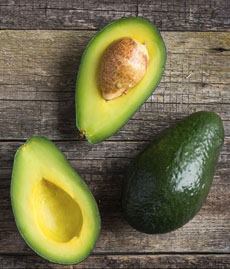
    Mesoamericans cultivated the avocado, a fruit which had grown in the area for millions of years. The conquering Aztecs called it ahuacatl (ah-ha-kwa-tay); the “tl” is pronounced “tay” in Nahuatl, the Aztec language.


    Guacamole With Crudites
    [1] Spicy guacamole with crudités (photo © Hannah Kaminsky | Bittersweet Blog).


    [2] Guacamole-stuffed cherry tomatoes (photo © Frontera Fiesta).

    Tuna Tartare On Guacamole
    [3] Spicy guacamole under tuna tartare (photo © Chicago Cut Steakhouse).

    Burger With Guacamole
    [4] Burger with guacamole (photo © The Organic Grill).

    Tuna Guacamole Hors d'Oeuvre
    [5] Guacamole-tuna hors d’oeuvre (photo © Ippudo | NYC).

    Avocados On Tree
    [6] Avocados on the tree (photo © Avocados From Chile).

    Guacamole & Chips On A 2-Tier Stand
    [7] If you have a tea stand or cupcake tree that doesn’t get much use, here’s another use for it (photo © Maya Restaurant | New York City).

     
    Ahuacatl means “testicle.” Aztecs saw the avocado as resembling testicles and ate them as a sex stimulant.

    When the Spanish conquistadors arrived in 1519 under Hernán Cortés, they heard the word as aguacate, ah-hwah-cah-tay, the spelling and pronunciation they adopted. The sauce made from it evolved into was ahuacamOlli, a compound of ahuacatl [avocado] + mOlli [sauce].

    Guacamole was compounded in a molcajete, a mortar and pestle carved from volcanic stone.

    According to Linda Stradley on the website WhatsCookingInAmerica.com, for centuries after Europeans came into contact with the avocado, it carried its reputation for inducing sexual prowess. It wasn’t purchased or consumed by anyone concerned with his or her reputation.

    American avocado growers had to sponsor a public relations campaign to dispel the myth before avocados could become popular. After then, their dark green, pebbly flesh also earned avocados the name, “alligator pear.”
     
     
    Where Our Avocados Come From

    Almost all of the Hass avocados, the variety used for guacamole, come from Mexico or California.

    Because of its varied altitudes and climates, Mexico can produce Hass avocados almost year‑round, and thus are the default supply in U.S. through the winter and much of the year. Most avocados you see in labeled “Avocados From Mexico” are Hass.

    In California, the main Hass season is roughly spring through early fall, April to August. The Hass grown in California are often a bit richer and slightly higher in oil content when perfectly in season.

    Thus, your supply on the biggest avocado day of the year, Super Bowl Sunday, comes from Mexico.

    The tally of all Hass avocados sold in the U.S.: Mexico 74%; U.S. 10% (California ~9%, Florida ~1%); Peru, 10%; Dominican Republic, 3%; Colombia, 2%; Chile, 1%.
     
    A Plate Of Guacamole & Chips
    [8] Looking for different guacamole recipes (photo © Avocados From Mexico).


    CHECK OUT WHAT’S HAPPENING ON OUR HOME PAGE, THENIBBLE.COM.


    Comments off

    The Nibble Webzine Of Food Adventures
    RSS
    Follow by Email


    © Copyright 2005-2026 Lifestyle Direct, Inc. All rights reserved. All images are copyrighted to their respective owners.