THE NIBBLE BLOG: Products, Recipes & Trends In Specialty Foods


Also visit our main website, TheNibble.com.

FOOD FUN: Passover Matzoh

Chopped Chicken Liver & Matzoh

Chopped Chicken Liver & Matzoh

Chopped Chicken Liver & Matzoh
[1] Chopped chicken liver on matzoh: a classic. Here’s the recipe from Williams-Sonoma. [2] A deconstructed version from Chef Alex Guarnashelli at Butter restaurant. [3] Mr. Alpenglow created his recipe, inspired by Guarnashelli’s. Here’s the recipe.


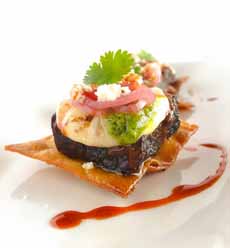
When is a piece of matzoh with chopped chicken liver (photo #1) greater than the sum of its parts?

When creative chefs turn it into something spectacular.

Here, the first idea (photo #2) inspired the second (photo #3).

Chef Alex Guarnaschelli of Butter in New York City tops a board of matzoh with:

  • Chicken liver mousse
  • Crispy shallots
  • Concord grape jelly
  • Schmaltz vinaigrette
  • Parsley leaves
  •  
    As an alternative to the grape jelly and the crispy shallots, we made these honey-balsamic roasted red onions from Chef Tyler Florence:

    RECIPE: HONEY BALSAMIC ONIONS

    Ingredients

  • 6 tablespoons butter
  • 3 tablespoons balsamic vinegar
  • 1/2 cup honey
  • 1/2 bunch fresh thyme
  • Salt and freshly ground black pepper
  • 4 red onions, halved
  •  
    Preparation

    1. PREHEAT the oven to 350°F.

    2. COMBINE the butter, vinegar, honey, thyme, salt, and pepper in a small saucepan over medium heat. Bring to a boil, turn down to simmer and cook for 1 minute to reduce slightly.

    3. PLACE the onions, cut sides up, in a single layer on a baking pan. Drizzle with the honey butter mixture over and roast until soft and slightly caramelized, about 45 minutes.
     
    THE SECOND RECIPE

    Try this recipe (photo #3) from Mr. Alpenglow.
     
    CREATE YOUR OWN

    Schmaltz and gribenes, anyone? Or how about foie gras?

    Here are reciped for the first two, and the history of chopped chicken liver.


    Comments off

    An Old Fashioned Sponge (Honeycomb) Candy Recipe, For Passover & Anytime

    How about an old-fashioned sponge candy recipe? It has that “honeycomb crunch” and can be made for Passover. A recipe is below, thanks to our colleague Hannah Kaminsky of Bittersweet Blog.

    She wondered about the old-fashioned confection variously known as:

  • Angel food candy (Wisconsin)
  • Cinder toffee (Canada and U.K.)
  • Dalgona (South Korea)
  • Fairy food candy (Chicago, Wisconsin)
  • Hokey pokey (New Zealand)
  • Honeycomb candy (Australia, South Africa, U.K.)
  • Honeycomb toffee (Australia)
  • Karumeyaki (Japan)
  • Old fashioned puff (Massachusetts)
  • Puff candy (Scotland)
  • Sea foam (California, Maine, Michigan, Oregon, Utah, Pacific Northwest)
  • Sponge candy (Buffalo and Western New York (photos #1 and #2); Milwaukee, Wisconsin; St. Paul, Minnesota; and Northwest Pennsylvania)
  • Sponge toffee (U.K.) and tire éponge (sponge candy in French-speaking Canada)
  • Törökméz, Turkish honey (Hungary)
  •  
    ….and, no doubt, other names in other places [source].

    They all describe a confection that’s crunchy, crisp in the center, and melts in your mouth.

    While there’s no molasses in it, the caramelization of the sugar gives it a bit of molasses flavor. You can have it covered in chocolate, or not (Hannah’s recipe goes for the chocolate).

    Hannah wondered: “Where did all those names come from, and why did they keep renaming the exact same candy?” She set out on a mission to make her own.

    “I cooked and caramelized, stirred and stewed, bubbled, boiled, and crystallized my very own sweet. If anything, what I created was even darker and more powerful than the old-fashioned candies you can purchase.

    “I used cocoa and dark chocolate, of course, and cacao nibs for extra crunch. But the real secret ingredient here is the chocolate extract.”

    The spongy airiness of the candy is based on the middle school volcano trick demonstrated in science class: Baking soda plus vinegar equals bubbles.

    You’ll have a mini-volcano in your mixing bowl in Step 5, below. It’s fun, as long as you’re forewarned.

    As with Chocolate Matzoh, a.k.a. Matza Toffee, a.k.a. Matzo Buttercrunch, a.k.a. whatever, sponge candy is a treat you can make for Passover.

    But don’t make it in the summer heat and humidity and plan to serve it at a picnic or barbecue. If you need a fix, make it and eat it in the comfort of your air-conditioned home.

    Ready to make some four-chocolate sponge candy (photos #3 and #4)?

    > September 21st is National Sponge Candy Day.

    > The history of sponge candy.

    > The year’s 60+ candy holidays.

    > The year’s 69 chocolate holidays.

       
    Sponge Candy
    [1] Sponge candy from Watson’s Chocolates in Buffalo, New York, a town famous for its sponge candy.

    Sponge Candy
    [2] If you don’t know what’s inside, you’ll be delighted by the honey crunch.

    Sponge Candy
    [3] You can find sponge candy worldwide, often under different names. This angel food candy is from Kitch Me in Australia.


    Sponge Candy
    [4] Homemade sponge candy from Hannah Kaminsky of Bittersweet Blog (photos #4 and #5 © Bittersweet Blog).

    Sponge Candy
    [5] Bet you can’t eat just one piece!

    Honeycomb Candy Recipe

    [6] Hold the chocolate! This recipe for “honeycomb candy” is from The Pioneer Woman.

      RECIPE: HANNAH KAMINSKY’S QUADRUPLE CHOCOLATE SPONGE CANDY/HONEYCOMB CANDY

    If you don’t want chocolate, you can make sponge candy without it. Here’s a recipe.

    Ingredients

  • 1 cup granulated sugar
  • 1 tablespoon agave nectar
  • 5 tablespoons water, divided
  • 1 teaspoon white vinegar
  • 2 tablespoons cocoa powder
  • 1 teaspoon chocolate extract
  • 2-1/2 teaspoons baking soda
  • 2 ounces quality dark chocolate, finely chopped
  • 1 tablespoon cacao nibs
  •  
    Plus

  • Cooking thermometer
  •  
    Preparation

    1. LINE an 8 x 8-inch baking dish with parchment paper and lightly grease. The parchment doesn’t need to fit perfectly inside the pan, as long as it covers the bottom and sides without any holes for the liquid candy to escape through.

    2. COMBINE the sugar, agave, 4 tablespoons of water, and vinegar in a medium saucepan. Stir just to moisten all of the sugar, and place over medium heat. Swirl the pan gently to mix the ingredients as the sugar slowly melts, but avoid stirring from this point forward to prevent premature crystallization. Meanwhile…

    3. MIX together the remaining tablespoon of water, cocoa powder and chocolate extract in a small dish; set this cocoa paste aside.

    4. COOK the sugar until the mixture is caramelized and reaches 300° to 310°F, also known in candy-making as the hard crack stage. Remove the pan from the heat. Things will move very quickly from here, so be on your toes.

    5. VIGOROUSLY STIR in the cocoa paste along with the baking soda, allowing the mixture to froth and foam violently. Immediately transfer the liquid candy mixture to your prepared baking dish but do not spread or smooth it down. Allow it to settle naturally to maintain the structure of the fine bubbles trapped within.

    6. COOL for at least 1 hour until fully set. To finish, melt the dark chocolate in a microwave-safe dish, heating at intervals of 30 seconds and stirring thoroughly between each one, until completely smooth. Pour over the top of the candy base and spread it evenly across the surface. Sprinkle with the cacao nibs and let rest until solidified.

     
    7. BREAK the candy into pieces and enjoy—but enjoy it quickly. Enjoy it within three days at room temperature, storing in an airtight container.

    If you’re bringing it as a gift: It’s fragile, so transport it carefully.

    And may we suggest: crushed or sliced sponge candy makes an exquisite topping for vanilla ice cream, or layers in a parfait.
     
     
    THE HISTORY OF SPONGE CANDY

    Sponge candy is known by so many different names that it’s difficult to discern where it originated. The closest we can find in English is that sponge candy was produced as early as 1913 in Beamish, a village in northwestern England’s Durham County. It was made in copper pans over an open fire.

    We do know that in the U.K., the Cadbury Sponge Candy Company first mass-produced sponge toffee in 1929, and created the Crunchie chocolate bar with a sponge candy center.

    In the U.S., the product called sponge candy took root in Buffalo, New York, which is still the sponge candy capital of the country.
    It is an airy variation of toffee with a light, sponge-like texture.

    Different versions of sponge candy have come and gone, as you can read in this article from an octogenarian who remembers it from 1940s New England.

    But look internationally, and you can find that the Turkish version, törökméz, dates back to ancient Turkish cuisine and was adopted in Hungary during the Ottoman Era* [source].

    Did a candy maker from Hungary settle in Buffalo? Does sponge candy date to Anatolia (most of modern Turkey).

    Neighboring Persia (the modern Islamic Republic of Iran) was cultivating sugar by the sixth century C.E. The ancient Sumerians in Babylonia were making vinegar from way, way back to 5000 B.C.E.

    So, what we think of as 20th-century sponge candy may have been the continuation of an ancient recipe.

    ________________

    *Ottoman Hungary was the territory of Medieval Hungary that was ruled by the Ottoman Empire from 1541 to 1699. More.


    CHECK OUT WHAT’S HAPPENING ON OUR HOME PAGE, THENIBBLE.COM.


    Comments off

    TIP OF THE DAY: Gourmet Burritos & Burrito History

    The first Thursday of April National Burrito Day. You don’t have to twist most arms to enjoy one.

    THE NIBBLE is having a lunch of gourmet burritos. We share the ingredients below, but first, a bit of…
     
     
    BURRITO HISTORY

    A step back in history: In 1519 the Spanish conquistadors arrived in what today is Mexico, bringing with them wheat flour and pigs. This enabled flour tortillas and carnitas. Flour tortillas are more flexible than corn tortillas, and therefore, easily rollable.

    A modern question is: Why are carnitas in a flour tortilla called a burrito—“little donkey” in Spanish?

    No one knows for sure, but the leading guess is that it was named for its shape, which resembles the bedrolls carried on the back of donkeys.

    While the modern burrito is no more than 100 years old, Mesoamericans often rolled their food in tortillas for convenience (no dishes or utensils needed). Avocados, chili peppers, mushrooms, squash, and tomatoes were sliced and rolled.

    The Pueblo peoples of the Southwestern U.S. were even closer to the mark. They made tortillas with beans and meat sauce fillings, prepared much like the modern burrito [source].

    But the word “burrito” doesn’t appear in print until 1895, in the Spanish-language Dictionary of Mexicanisms. It was a name used in the region of Guanajuato, in north-central Mexico. It is described as “a rolled tortilla, with meat or other food within, called coçito in Yucatan and taco in the city of Cuernavaca and in Mexico City.”

    That there was a rolled food called burrito in 1895 dispenses with the folk tale of a man named Juan Méndez, who sold tacos from a street stand during the Mexican Revolution (1910–1921) in Ciudad Juárez. As he used a donkey for transport, customers began to call his tacos “food of the burrito,” the little donkey and the name eventually stuck.

    Food historians opine that the modern burrito may actually have been invented in the U.S., as a convenient lunch for Mexican agricultural workers.
     
     
    THE MODERN BURRITO: BORN IN THE U.S.A.

    The precise origin is not known, but it is generally believed to have originated in a Mexican-American community in the U.S., among farm workers in California’s Central Valley (Fresno, Stockton).

    According to Wikipedia, the farm workers who spent all day picking produce in fields would bring lunches of homemade flour tortillas, beans, and salsa picante (hot sauce)—inexpensive and convenient.

    Burritos first appeared on American restaurant menus in the 1930s, beginning with El Cholo Spanish Cafe in Los Angeles. El cholo is the word used by Mexican settlers in California for field hands.

    Burritos were mentioned in the U.S. media for the first time in 1934, appearing in the Mexican Cookbook, a collection of regional recipes from New Mexico by historian Erna Fergusson.

    The book includes “celebrated favorites such as enchiladas, chile rellenos, and carne adovada, as well as the simple, rustic foods traditionally prepared and served in New Mexican homes.”

    It was “inspired by the delight and enthusiasm with which visitors to the Southwest partook of the region’s cuisine.” You can still buy a copy.

    In 1999, food writer John Mariani wrote that “What makes burritos different from most other Mexican-American foods is the metamorphosis of this dish.

    “We tracked down the earliest print references for ‘burritos’ cited by food history in American/English reference books. They are nothing like the burritos we are served today…

    “When and where did the change happen? In the early 1960s, in Southern California. The who and why remain a mystery.

    Our survey of historic newspapers suggests food trucks played a role. Burritos are efficient, economical, easy, and delicious.” [Source: Encyclopedia of American Food and Drink, John F. Mariani [Lebhar-Friedman:New York] 1999 (p. 48)]
     
     
    TODAY’S BURRITOS

    In Mexico, meat and beans or refried beans can be the only burrito fillings. In the U.S., things get more elaborate.

    American burrito fillings may include not only the refried (or other) beans and meat but rice, lettuce, salsa (pico de gallo, salsa picante), guacamole, shredded cheese (cheddar or jack), sour cream and vegetables.

    Burrito sizes vary—they’re super-sized in the U.S., up to 12 inches. You can also find them in 9- and 10-inch diameters.

    In 1964, Duane R. Roberts of Orange County, California sold the first frozen burrito. He made so much money that he was eventually able to buy Riverside’s iconic Mission Inn and refurbish it.

    Tia Sophia’s, a Mexican café in Santa Fe, New Mexico, claims to have invented the original breakfast burrito in 1975, filling a rolled tortilla with bacon and potatoes. It was served “wet,” topped with chili and cheese.

    Many Americans had their first breakfast burrito when McDonald’s introduced the Sausage Burrito in 1991: a flour tortilla, sausage, American cheese, scrambled eggs, onions, and peppers.

    Taco Bell didn’t introduce a breakfast burrito until 2014.

    This brings us to the choice of the grab-and-go burrito, eaten by hand, and wet burritos, on a plate covered with sauce and other garnishes, eaten with a knife and fork.

    And then there’s the burrito bowl, pioneered by Chipotle: the fillings of a burrito eaten with a fork, no tortilla.

    Chipotle now sells more bowls than conventional burritos. The bowls save 300 calories [source].

    The U.S. even developed the breakfast burrito, and astronauts eat them in outer space!
     
     
    GOURMET BURRITO INGREDIENTS

    We’re not the type to put gold leaf, foie gras, and sturgeon caviar on food just to create the world’s most expensive [fill in the blank]. But we do enjoy the luxury of playing with top-drawer ingredients.

    Rice and beans are fillers. You can make a burrito without them or can serve them on the side.

    Or, you can take them up a notch with fancier rice and beans.

    Here are typical burrito ingredients and their upscale variations. If you don’t like our ingredients, tell us what you’d use instead.

  • Beans (kidney, pinto, refried) > heirloom beans: cranberry, scarlet runner, yellow Indian woman…or lentils.
  • Carnitas (braised pork) > pork belly.
  • Cheese (cheddar or jack) > gruyère.
  • Diced tomatoes > heirloom tomatoes, marinated yellow cherry tomatoes, fresh tomato sauce (diced tomatoes with seasonings), tomato jam.
  • Chicken (thigh meat): ditto, with the skin removed, crisped, and tossed into the burrito (cracklings).
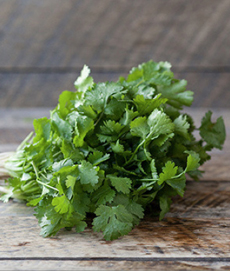
  • Cilantro > cilantro plus basil and parsley.
  • Diced onions > Caramelized onions, onion preserves.
  • Fried fish > roasted or grilled salmon.
  • Garlic > roast garlic cloves, whole or mashed.
  • Iceberg or romaine lettuce > butter lettuce, curly leaf lettuce, mesclun mix with baby arugula, red endive or radicchio, red leaf lettuce, watercress.
  • Lime wedge > lime zest sprinkled on top before rolling.
  • Rice > jasmine rice, multigrain rice, saffron rice, wild rice, and other grain (barley, quinoa, e.g.).
  • Exotic rice > Bhutanese red rice, black rice (forbidden rice), Kalijira rice from Bangladesh (considered the finest tiny aromatic rice in the world) (types of rice)
  • Shrimp the same (it’s hard to improve on grilled shrimp).
  • Steak (skirt or hanger) > filet mignon, roast lamb.
  •  
    For lunch today, we’re having:

  • Filet mignon and wild rice burrito with shredded gruyère and [leftover] beluga lentils.
  • Grilled shrimp burrito with romaine and arugula, green rice (parsley), gruyère, and dilled sour cream.
  • Grilled salmon burrito, with dilled rice, sour cream, salmon caviar, and [leftover] yellow lentils.
  •  
    Have whatever burrito you like, but definitely have a burrito. Where would we be without them?


    Steak Cilantro Burrito
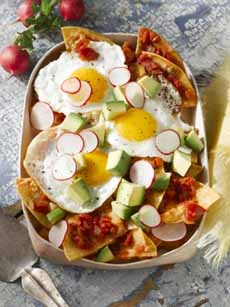
    [1] Steak and cilantro burrito. Here’s the recipe from Half Baked Harvest (photo © Half Baked Harvest).

    Shrimp Burrito
    [2] Gourmet burrito: grilled shrimp and avocado cream. Here’s the recipe from Foodie Crush (photo © Foodie Crush).

    Wet Burritos
    [3] Breakfast burrito: Now an American staple, it first appeared in 1975. Here’s a recipe from She Wears Many Hats (photo © She Wears Many Hats).


    [4] Chipotle restaurants brought burritos and burrito bowls across America, like this steak burrito bowl (photo © Chipotle).

    Green Chili Chicken Burrito
    [5] Wet burritos: definitely not grab-and-go. Here’s the recipe from Hezzi D’s Books & Cooks (photo © Hezzi D’s Books & Cooks).

    Wet Burritos
    [6] Not wet, but smothered in a poblano-cheeese sauce. Here’s the recipe from Tastes Better From Scratch (photo © Tastes Better From Scratch).

    Burrito Bowl
    [7] A burrito bowl provides the fillings without the tortilla (photo © Simply Recipes).

    Kale & Bean Burrito
    [8] Trendy and vegan: a kale burrito with black beans and avocado. Here’s the recipe from Cookie and Kate (photo © Cookie and Kate).


    CHECK OUT WHAT’S HAPPENING ON OUR HOME PAGE, THENIBBLE.COM.


    Comments off

    TOP PICK OF THE WEEK: Jeff’s Famous Jerky

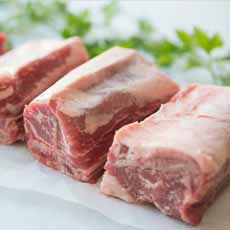
    We’ve had Top Pick jerkys before, but they are few and far between. Even small-batch artisan brands can be too tough for us, and/or leave remnants of gristle.

    Not so with Jeff’s Famous Jerky. Each variety we tried was melt-in-your-mouth tender, with exquisite flavor. When you can say jerky has exquisite flavor, you know you’ve hit the motherlode.

    Jeff’s Famous Jerky, of Mission Viejo, California deserves to be famous, especially for its eye-opening bacon jerky. Bacon or beef, the meats are marinated in deep, layered marinades.

    Jeff’s produces more than a dozen flavors (below).

    The beef jerky has lower sodium than most brands, with no added MSG or nitrates. The bacon jerky has less sodium than pan-fried bacon.

    The only caveat with jerky in general is that it’s high in sodium (don’t buy it for anyone on a salt-restricted diet).

    But it’s almost fat free, and it’s solid protein: One ounce has about 23% of one’s daily value of protein. Before we continue, check out:

    TRENDS IN JERKY

    And America wants more of this high protein, low-fat, grab-and-go snack that’s naturally gluten-free*.

    America’s consumption of meat snacks has increased by 18% over the past five years, according to recent data from The NPD Group, a market research company.

    House-made jerky can be found more and more on the menus of fine casual restaurants.

  • At Pakpao Thai in Dallas, the Salty Thai Jerky is one of the top-selling shareable starters, paired with a crisp lager or pilsner. The Massaman Curry jerky pairs well with wheat beers.
  • The Greenhouse Tavern in Cleveland, makes a jerky plate which includes smoked andouille jerky, pork curry jerky, black pepper beef jerky, dehydrated maple syrup and sriracha chips.
  • At Chapter One restaurant in New York City, house-made jerky is used to garnish for duck wings and Bloody Bull cocktails (a Bloody Mary with added beef broth).
  •    

    Jeff's Famous Bacon Jerky
    [1] Oh so delicious: Jeff’s Maple Brown Sugar Jerky.

    Jeff's Famous Maple Bacon Jerky
    [2] Hot and sweet: Jeff’s Honey & Jalapeño Jerky (all photos © Jeff’s Famous Jerky).

     
    Jeff’s Famous Jerky is so tender and tasty, you can bring it to the dinner table and pair it with fine foods.

  • We really enjoy it with oysters on the half shell, and with ceviche or pan-fried scallops.
  • You can lie it across or at the side of a protein, crumble it on top as a garnish, or mix it into other dishes like vegetables and pasta.
  • Consider Spaghetti Carbonara (which has bacon in the recipe), Fettuccine Alfredo (bacon is a delicious addition to the cream sauce), or pasta simply tossed with olive oil, bacon jerky and shaved Parmesan cheese.
  • With beer or a hearty red wine, it’s a natural.
  •  

    Jeff's Famous Beef Jerky

    Jeff's Famous Beef Jerky

    Jeff's Famous Jerky Maple Bacon
    [3] Jeff’s beef jerky. [4] and [5] Packages of Jeff’s Jerky.


    JEFF’S FAMOUS JERKY VARIETIES

    Jeff’s makes so many flavors of delicious, tender jerky that you won’t know where to start. (We suggest a build-your-own mixed box.)

    The flavors are variously spicy, sweet, hot, and combinations thereof. More importantly, they are clean, clear and natural, beautifully layered to imbue the meat with complex flavors.

    All are hormone-free, without added MSG or preservatives, made from American meats.

    Bacon Jerky Varieties

  • Honey Brown Sugar
  • Honey Jalapeño
  • Maple Brown Sugar
  • Sweet Cinnamon Roll
  •  
    Beef Jerky Varieties

  • Black Pepper Sea Salt
  • Cajun Style
  • Cranberry Jalapeño
  • Habanero Heatwave
  • Jalapeno Carne Asada
  • Korean Barbecue
  • Orange-A-Peel
  • Old Fashioned Original
  • Pacific Red Hot
  • Sriracha Ghost Pepper
  • Sweet & Smokin’ BBQ
  • Sweet Teriyaki
  •  
    GET YOURS NOW!

    Single-flavor packages are $6.99 at JeffsFamousJerky.com. The beef packages contain 3 ounces of jerky; the bacon packages have 2 ounces.

    Build-your-own variety packs offer a 20% savings; and there are gift boxes with personalized notes.

    For Easter treats, tie a ribbon through the punch hole on top of the bag, and maybe add some bunny stickers.

     
    SOME JERKY HISTORY

    The word jerky comes from the Quechua language of the Incas, who called their dried meat “charqui.” But they were hardly the first people to make it.

    Neither were Homo sapiens, we can deduce. Homo erectus emerged 1.5 million years ago, and evidence found five years ago in a South African cave suggests Homo erectus that built campfires.

    The remains of animal bones and plant ash could be dated to a million years ago. [source]

    By the time Homo sapiens emerged, 195,000 years ago, man had been enjoying barbecue, and by extension jerky, for some time.

    Drying food is one of the first three food preservation techniques, along with salting and, in northern climes, packing with snow in ice caves or cellars.

    Meat dried over a smoky fire is protected from egg-laying insects and multiplying bacteria (they need moisture to live). Cutting it into thin strips makes it easier to chew.

    All the fat is trimmed from the meat because fat doesn’t dry. The dried meat could (and can) then be stored for long periods of time without refrigeration.

    While the prehistoric method of drying the meat was used by other ancient peoples, it was not known in Europe.

    The first visitors to the New World found Native Americans making jerky† from the meat of any animal they hunted (that which wasn’t consumed immediately).

    In addition to helping early colonists stave off starvation, later pioneers who headed west quickly learned to make jerky. It was easy to transport, and was an important, high-protein addition to their diet.

    The meat for jerky could be anything from buffalo to whale. Today jerky can be found in proteins as common as turkey, tuna and salmon, to exotics such as alligator and ostrich.

    Today’s jerky eaters have the luxury of enjoying it as a snack rather than a necessity. We also have the pleasure of using tender cuts of meat marinated in a variety of spices, salt and/or sugar—seasonings that were not available to most ancients jerky-makers.

    Modern jerky is dried in low-heat smokers, as opposed to the ancient technique of hanging strips of meat racks to dry in the hot sun. (The campfire could hold only so much.)

    If your only experience with jerky has been dry and tasteless jerky, you deserve some of the good stuff.
    ________________

    *Some brands or flavors within brands may use soy sauce or other glutinous ingredient in the marinade.

    †The pemmican you may have read about in tales of early America was dried meat mixed with dried berries and rendered animal fat. It was invented by Native Americans and used extensively by immigrants in the fur trade. Many years later, it served as a high-calorie food for Arctic and Antarctic explorers such as Robert Falcon Scott and Roald Amundsen.


    Comments off

    TIP OF THE DAY: Easier Soft Boiled Eggs & Ways To Serve Them

    Some people have never had a hot, runny, seductive soft-boiled egg. That’s because they’re such a pain to peel when hot, that even most restaurants don’t offer them.

    Soft-boiled eggs were popular in our family. Nana had a set of vintage silver-plated egg cups; Mom had ceramic cups.

    The eggs were served with “toast soldiers” (photo #2): slices of toasted bread cut into half-inch vertical strips, for dipping into the yolk. (In the photo, the soldiers are topped with lots of yummy salmon caviar.)

    Soft boiled eggs have long been popular among those who could afford the egg cups: Egg cups were found in the ruins of Pompeii.

    No egg cups? Small ramekins, juice glasses, and even some cocktail glasses will work. You can also nestle the egg in rock salt (photo #3) or small pebbles.

    You can even make origami egg cups (photo #5). Just follow the video below or this visual from Gathering Beauty.
     
     
    TAKING THE TOP OFF THE EGG

  • Nana’s Spoon Method: With a teaspoon tap the top of the cooked egg several times to crack the top of the shell. Place the tip of the spoon under a crack and slice through the egg, lifting the top half-inch off as a workaround.
  • Mom’s Knife Method: With a regular flatware knife, whack the top of the egg as if the knife were a guillotine. For a more pleasant visual, then, as if you were one of Napoleon’s Hussars, whacking the neck off a Champagne bottle with your saber [the technique is called sabotage]). This should cut through the shell and most of the egg. Use the knife to lift off the top of the egg.
  •  
    We are incapable of doing either of these correctly. With the spoon, we end up with fragmented pieces of shell. With the knife, the force can end up spilling yolk.

    Practice makes perfect, but we found a better solution: an egg cutter, also known as an egg topper. It’s an inexpensive gadget and takes up very little room in the gadget drawer.

  • Our Egg Cutter Method: Place the egg cutter (photo #5) around the top half inch of the egg. Squeeze to cut. Remove the top.
  •  
     
    EASTER EGGS

    Dye The Eggs: Photo #1 shows how they do it at Petrossian.

    Top With Caviar: For Easter or other festive occasions, top your eggs with affordable caviar: capelin, lumpfish, salmon, tobiko, trout or whitefish roe.

    For bright colors, we’re partial to salmon caviar or colored and flavored whitefish roe. (For sturgeon caviar, we waive this suggestion.)

    Check out the different types of caviar and roe* in our Caviar Glossary.
     
     
    FOR SCRAMBLED EGGS

    If you want to fill the eggshells with scrambled eggs, you need to sterilize the insides of the shells or else (far easier) buy pasteurized eggs, such as Davidson’s Safest Choice.

    Here are instructions to sterilize the shells from Rem Cooks.

    ________________

    *The Difference Between Roe And Caviar

    All caviar is roe, the uncooked eggs of any fish. While caviar has traditionally referred only to sturgeon roe, the roe of many (or any) fish is now commonly called caviar. In the U.S., it is legally permissible to call any roe caviar as long as the fish is identified, e.g. salmon caviar.

    As food writers, we prefer to use the latter with the fish identified, even if it is sturgeon caviar. There are enough different kinds of sturgeon caviar, that even confining the word to sturgeon requires a modifier: beluga caviar, Black Sea caviar, Iranian osetra caviar, farmed white sturgeon caviar, etc.

    By the way, caviar is not a Russian word, nor is it used by Russian speakers. Khaviar, meaning eggs, is of Persian origin, found in the Iranian and Turkish languages. Russian speakers use the word ikroj (pronounced EEK-ruh, with a rolle “r”) for all roe, and use a modifier (beluga, salmon) to specify which type. Habitués of sushi bars will note that the Japanese adapted this word into ikura, salmon roe.

      caviar-easter-eggs-petrossian-230sq
    [1] For Easter, dye the eggs after you’ve cooked them (photo © Petrossian).

    Salmon Caviar Egg
    [2] Top a boiled egg, a toast finger, a half of a baby potato (photo © Le Coq Rico | NYC [now La Rotisserie]).

    Caviar Egg
    [3] No egg cups? Use rock salt (photo © Sturia Caviar).

    Origami Egg Cups
    [4] Or make origami egg cups, with these instructions from Gathering Beauty (photo © Gathering Beauty).

    Egg Cutter
    [5] How to cut the tops from the eggs. You can get a cracker/cutter on Amazon.

     
     ;
    HOW TO MAKE ORIGAMI EGG CUPS

    There are several origami egg cup tutorials on YouTube. This one is the slowest (i.e., easiest to follow).


    Comments off

    The Nibble Webzine Of Food Adventures
    RSS
    Follow by Email


    © Copyright 2005-2025 Lifestyle Direct, Inc. All rights reserved. All images are copyrighted to their respective owners.