THE NIBBLE BLOG: Products, Recipes & Trends In Specialty Foods


Also visit our main website, TheNibble.com.

TIP OF THE DAY: Halloween Cheeses For True Cheese Lovers


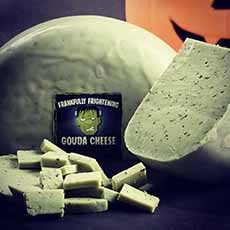
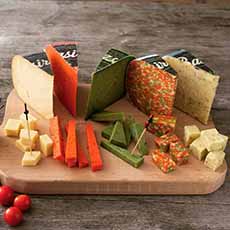
[1] This gouda from Basiron in Holland is infused with pesto. Get it at iGourmet (photo © iGourmet).


[2] Coupole, from Vermont Creamery, is one of our favorite goat cheeses. The brain-like surface is caused by Geotrichum candidum, a fungus that colonizes nearly all fungal surface-ripened cheeses during the early stages of ripening. Here’s more about it. Get Coupole at Murray’s Cheese (photo © Murray’s Cheese).


[3] Huntsman, from the U.K., the marriage of two British classics, Double Gloucester and Blue Stilton. Double Gloucester is comparable to the finest cheddar. The layer of blue cheese “veins” from the Stilton is creepy. Get Huntsman at iGourmet (photo © iGourmet).


[4] If the Great Pumpkin were a cheese, it would be Mimolette. It’s from France but made in the tradition of Dutch Edam. You can find it at Murray’s Cheese (photo © Murray’s Cheese).


[5] Basiron Goudas are the finest specialty Gouda cheeses from Holland: creamy Goudas with creative ingredients and colors—some 30 varieties! (photo © MAAZ Cheese B.V.).


No trick, just treat:

Put together a Halloween cheese plate and pop the cork on a bottle of wine or two.

This selection of cheeses belong in your Halloween tasting.

For dessert, a chocolate follow-up is the finale to your treat. Chocolate and cheese are a great pairing.

Here are two ways to pair chocolate and cheese:

  • General Pairing Tips
  • Pairing Cheese, Chocolate & Tequila
  •  
     
    HALLOWEEN CHEESES

    In addition to the cheeses highlighted in the photos, check out this article for spooky cheeses:

  • Basiron Pesto Rosso (photo #5—here’s more)
  • Cahill Farms Irish Cheddar
  • Coupole, The Brain Cheese (photo #2)
  • English Cheddar With Harissa
  • Huntsman Cheese (photo #3)
  • Mimolette (photo #4)
  • Pecorino With Chile Flakes
  • Saxonshire Cheese (here’s more)
  • Triple-Aged Gouda
  • Washed-Rind Cheeses
  •  
    Also consider:

  • Époisses, a seriously stinky cheese with a bright orange exterior*
  • A leaf-wrapped cheese, such as Valdeon blue cheese
  •  
    FOOD TRIVIA: A lover of cheese is a turophile (TOO-row-file).
     
     
    HALLOWEEN CONDIMENTS

    For your cheese plate condiments, consider:

  • Apples and Pears
  • Dates
  • Honey
  • Figs
  • Fig Jam or Pumpkin jam
  • Pumpkin Seeds
  • Sliced Baguette, Walnut-Raisin Bread and/or Fancy Crackers
  •  
     
    PUTTING TOGETHER A HALLOWEEN CHEESES BOARD

    1. Start with a selection of frightful cheeses. If you’re not a goat cheese fan (maybe you’ve never had one as good as Vermont Creamery’s?), see the Halloween cheeses above for other suggestions.

    2. Set the tone with a dark cheese board. We love the “gravestone” look of a gray slate board (see photo #4).

    3. Add pairings such as dark olives (especially wrinkled ones), dark dried fruits (cherries, cranberries, raisins) and toasted pumpkin seeds. Slices of dark rye bread and crackers studded with dried fruit and seeds suit the scary season.

    4. Decorate with dried moss and these simple DIY ghostly maple leaves (or oak, or elm, etc.) from the wonderfully creative folks at Sweet Paul.

    5. Drip some honey (consider spicy honey!) over the edges for more creepiness. This works best with one board or platter that sits on top of a larger one, so the honey drip has a neat landing spot.

    6. Place the crackers and breads around the larger platter.
     
     
    HALLOWEEN CHEESE RECIPES

  • Cheese & Pretzel Broomsticks
  • Creepy Colored Cheeses
  • Jack O’Lantern Nacho Cheese Ball
  • Mummified Brie
  • Scream Cheese
  •  
     
    MORE HALLOWEEN

    > The History Of Halloween

    > The History Of The Jack O’Lantern

    > The History Of Trick-Or Treating & Halloween Candy

    ________________

    *Most washed-rind cheeses are pungent with a “spooky” orange rind. The color (orange to ruby red), texture and aroma are caused by the bacterium Brevibacterium linens. Époisses is the most famous example, but there are many delicious options.


    Comments off

    RECIPE: Apple Cider Cocktail In A Fresh Apple

    We love the creativity and fun of this apple cider cocktail, served in a fresh apple.

    The recipe was developed by Eastern Standard Provisions, which sells the soft pretzels in the photo as well as the French Toast Sugar used for the rim.

    (Here’s our review of their yummy line of soft pretzels in classic and unusual shapes.)

    We like this apple cider cocktail with brunch or as an after-dinner drink or dessert substitute.

    The sweet sugar rim is satisfying instead of dessert, and of course, the apple should be eaten when the drink is gone.
     
     
    OTHER WAYS TO USE THE APPLE SERVING CUPS

    Don’t want a vanilla-cider cocktail? Here are some other options to use an apple cup:

  • Appletini.
  • Plain cider or hard cider.
  • Mulled cider, the venerable “cup of good cheer.”
  • Diet option: apple-flavored club soda.
  •  
     
    RECIPE: CIDER COCKTAIL IN A FRESH APPLE

    Ingredients For 6 Drinks

  • French Toast Sugar (from Eastern Standard Provisions, or substitute cinnamon sugar*)
  • 6 apples, hollowed†
  • 2 shots apple pie liqueur (substitute apple schnapps)
  • 2 shots vanilla vodka†
  • 1 cup unfiltered apple juice
  • 1/2 teaspoon allspice
  • Maple syrup to for sugar rim
  • Ice cubes
  • Optional garnish: cinnamon sticks
  •  
    Preparation

    1. POUR the French Toast Sugar onto a clean plate, and wet rim of the apple cups with maple syrup. Place the rim apple cup into the sugar and twist to coat the rim.

    2. FILL a shaker with ice, apple pie liqueur, vanilla vodka, apple juice and allspice. Shake well.

    3. POUR the cider cocktail into apple cups, garnish with cinnamon sticks, and enjoy!
     
     
    ALTERNATIVE TO CINNAMON STICKS

    Cinnamon sticks and cassia sticks (here’s the difference; also see the photos) are pricey.

    We really don’t like using them because they’re a garnish that isn’t eaten; it just gets thrown away unless you know that you can wash and reuse them.

  • Simply rinse the cinnamon sticks under hot water, then pat dry and allow them to thoroughly dry on a paper towel.
  • When you’re ready to use them again, run a grater lightly over the surface to restore the flavor and aroma. You can do this 4 or 5 times before you need to discard the stick.
  • But wait: don’t throw it out just yet. Re-grate the surface to see if there’s any aroma left. If so, toss it into a bowl of potpourri, or at the bottom of your kitchen trash can.
  • Even if it no longer has aroma, it can still look snappy in a dish of potpourri.
  •  
    You can substitute star anise, or an orange orange peel curl, for the cinnamon‡‡ sticks.


    [1] An edible drinks glass: first drink up, then eat the apple (photos #1 and #2 and recipe © Eastern Standard Provisions).


    [2] Eastern Standard Provisions French Toast Sugar is one of several flavored sugars they sell to top pretzels (there are flavored salts, as well).

    Ambrosia Apples
    [3] Ambrosia apples are slow to brown (photo © Stemilt Growers).


    [4] Gala is another apple variety that is slow to brown. See the footnote† (photo © Good Eggs).

     
    ________________

    *To make cinnamon sugar, thoroughly combine 1/2 cup granulated sugar and 2 tablespoons cinnamon. To approximate Eastern Provisions’ French Toast Sugar, use vanilla sugar instead of table sugar, and substitute 2 tablespoons of the vanilla sugar with 2 tablespoons of maple sugar.

    †Chose a red apple variety with low or no browning: Ambrosia, Cameo, Cortland, Empire, Gala. Here’s why apples turn brown.

    ‡ A substitute for vanilla vodka is 1 cup regular vodka and 1 teaspoon vanilla extract.

    ‡‡ You’re probably buying cassia, not real cinnamon. Check out the difference.


    Comments off

    GLOBAL CHAMPAGNE DAY: Champagne Tips

    This year, World Champagne Day will be celebrated on October 23rd. Plan ahead if you’re planning to celebrate!

    Although New Year’s Eve is more than two-and-a-half months away, we can’t object to another “official” occasion to drink champagne.

    First, an important thing to know: Champagne only refers to the sparkling wines of the Champagne region of France.

    Everything else, by law, is called “sparkling wine,” no matter where in the world it is produced.
     
     
    THE SEVEN LEVELS OF SWEETNESS IN CHAMPAGNE

    Champagne is made in seven styles, or levels, of sweetness. The first three, dry wines, are to be paired with savory foods.

    The last four are to be paired with sweeter dishes, from lobster thermidor to desserts. Read the footnote* for Extra Dry.

    The sweetness comes from a step in the secondary fermentation of Champagne, when the bubbles are created.

    The process is called dosage (doe-SAZH): a small amount of sugar is added into the wine bottles before they are corked. The sugar also reduces the tartness/acidity of the wine.

  • Primary fermentation of Champagne: In the classic méthode champenoise used to make Champagne, Cava and American sparkling wines, the primary, or alcoholic, fermentation of the wine transforms the grape must (the pressed juice of the grapes) into wine. Natural yeast consumes the natural grape sugars, producing alcohol and carbon dioxide.
  • Secondary fermentation of Champagne: To create a secondary fermentation, the dosage is added to the wine. The the added yeasts eat the added sugar, again creating alcohol and carbon dioxide.
  •  
    Based on the amount of sugar in the dosage, the seven levels of sweetness based on residual sugar (what’s left after the secondary fermentation) are:

  • Brut Nature/Brut Zero: 0-3 g/l* residual sugar
  • Extra Brut: 0-6 g/l residual sugar
  • Brut: 0-12 g/l residual sugar
  • Extra Dry†: 12-17 g/l residual sugar
  • Dry: 17-32 g/l RS residual sugar
  • Demi-Sec: 32-50 g/l residual sugar
  • Doux: 50+ g/l residual sugar
  •  
     
    MORE ABOUT CHAMPAGNE

  • How Champagne Is Made
  • How To Buy Champagne
  • Low Cost Champagne & Other Sparkling Wines
  • Holiday Champagne Alternatives
  • Cava, Spanish Sparkling Wine
  • More Champagne Alternatives
  • Rosé Champagne Alternatives
  •  
     
    CHAMPAGNE TOOLS

  • How To Pour Champagne
  • Why You Need A Champagne Recorker
  • …Or A Champagne Cap
  • How To Chill Champagne Quickly
  •  
     
    RECIPES: CHAMPAGNE COCKTAILS

  • Bellini
  • Kir Royale
  • Make Your Own Cold Duck“>Make Your Own Cold Duck
  • Red & Green Champagne Cocktails
  • Rosé Champagne & Grapefruit Mimosa Cocktail
  •  
     
    FOOD WITH CHAMPAGNE

  • Appetizers With Champagne
  • Berries In Champagne
  • Champagne Jell-O Shots
  • Champagne & Oysters
  • Champagne & Turkey
  • Champagne & Sorbet
  • Champagne Vinaigrette
  • Champagne With Chocolate
  • Drunken Fruit
  • Rosé Champagne With Turkey
  • Sorbet Champagne Desserts
  •  
     
    > THE HISTORY OF CHAMPAGNE


    Moet Gold Bottle
    [1] During the holiday season, you can find bottles with special packaging. Stock up for gifting occasions throughout the year (photo © Moet et Chandon).

    Champagne  Bottle Top
    [2] Only wines grown and made in the Champagne region of France can be legally called Champagne. Everything else is “sparkling wine” (photo © Champagne Bureau).

    Champagne Flute
    [3] The ideal glass to showcase champagne is the flute (photo © American Club Resort).

    Rose Champagne
    [4] Rose champagne gets its color from allowing the just-pressed use “skin contact” with the red grape skins from which it is pressed. “Pink champagne” is an inexpensive product with color added (photo © Rocky Slims | NYC [permanently closed]).


    ________________________________________

    *It’s a paradox in the Champagne industry that “dry” indicates a sweeter wine; as do sec (which means dry in French) and demi-sec. Doux, the sweetest style of Champagne, does mean sweet.

    †Grams per liter.


    Comments off


    © Copyright 2005-2026 Lifestyle Direct, Inc. All rights reserved. All images are copyrighted to their respective owners.