THE NIBBLE BLOG: Products, Recipes & Trends In Specialty Foods


Also visit our main website, TheNibble.com.

Pumpkin Gnocchi Recipe With Butter Sage Sauce For National Gnocchi Day

The 29th of every month is National Gnocchi Day—in Argentina, where it’s spelled ñoqui, but pronounced the same as the Italian word, NYOH-kee).

People all over the country get together on the same day every month, at home or at restaurants—to eat gnocchi.

A nice idea: We just may start it in our own home.

Gnocchi is a pillow pasta, rolled into little pillowy dumplings.

The original Italian dish was made with flour and a potato filling, although the concept expanded to include pumpkin, ricotta, spinach, pumpkin and sweet potato.

Fusion cooks around Buenos Aires even make gnocchi filled with ham and cheese [source].

We’ll take a goat cheese and bacon gnocchi, please. What would you like in yours?

Today’s recipe is all about pumpkin gnocchi.

The planets are in alignment: October is National Pasta Month and National Pumpkin Month.

Add to that the 29th of the month, and eating pumpkin gnocchi must provide the eater with some kind of good fortune (or at least, the calories should disappear).

You can also celebrate with gnocchi soup (photo #2—here’s the recipe).

Before we get to the recipe, here’s how this quirky holiday began.
 
 
THE HISTORY OF GNOCCHI DAY

The story credits the occasion to the Italian immigration to Argentina (their descendants now make up about 50% of Argentina’s population.

This Argentine custom has been a tradition since the first wave of Italian immigrants migrated to the country in 1814 [source].

Since the 29th is almost the end of the month, many families were tight on cash as they waited for their next paycheck, which came on the first of the month.

Potatoes and flour are inexpensive ingredients that enabled the housewife to make a filling (and tasty!) meal.

Some say that the 29th commemorates a patron saint of Venice, San Pantaleon, who was canonized on the 29th, so on each month the 29th is celebrated as his feast day [source].

What About Good Luck?

As people from the “old country” brought their superstitions along with their recipes, a superstition accompanies the gnocchi.

It assures the eater that good luck may be on the horizon.

  • Eat gnocchi on the 29th of the month and place a coin or bill under your plate while you’re eating.
  • Then, take that money with you after the meal and carry it with you. It will bring you good luck.
  • A variation of the superstition says to donate the money to charity in order to reap the good fortune.
  •  
    The tradition spread to neighboring Paraguay and Uruguay, and hey: Will someone please bring it up north to the U.S.A.?
     
     
    > THE HISTORY OF GNOCCHI
     
     
    HOW TO ENJOY PUMPKIN GNOCCHI

  • You can make the recipe below, from scratch.
  • You can buy fresh or frozen pumpkin gnocchi at the store, and simply make the butter sage sauce.
  •  
    We chose the latter, but if you like the idea of making gnocchi from scratch:

  • Get the gnocchi kit from DeLalo (photo #4—it’s used in the recipe below).
  • Watch this tutorial on how to make gnocchi.
  •  
    Either way, you need fresh sage. We have ways to use the extra sage (photo #3), below.
     
     
    RECIPE: PUMPKIN GNOCCHI WITH BUTTER SAGE SAUCE

    Ingredients

  • 1 DeLallo Potato Gnocchi Kit
  • 1 1/2 cups water
  • 1/2 cup canned pumpkin
  • 1 teaspoon salt
  • 1 teaspoon nutmeg
  • 2 teaspoons lemon zest
  • 1/2 cup flour for dusting
  • 1 1/2 cups butter
  • 10 sage leaves
  • Balsamic vinegar, for drizzling
  • Parmigiano Reggiano cheese, for garnish
  •  
    Preparation

    1. MAKE the dough. Add the the package contents to a small mixing bowl and combine with the water, pumpkin, salt, nutmeg and lemon zest.

    2. STIR with a fork until dough begins to form. Knead by hand until the dough no longer sticks.

    3. TRANSFER to a lightly floured surface and form into a loaf shape. To prevent sticking, keep the surface and the dough lightly floured at all times.

    4. USE a knife to cut dough into 1″ strips. Roll out each strip by hand into long ropes. Cut each rope into 1″ pieces. Optional: To create gnocchi’s signature ridges, press the back of a fork into each piece.

    5. COOK the gnocchi. Bring a large pot of salted water to a boil. Add gnocchi and cook for 3-5 minutes. The gnocchi are finished once they float to the top.

    Meanwhile…

    6. MELT the butter in a saucepan on medium-low heat. Once melted, add the sage leaves and stir.

    7. TOSS the finished, drained gnocchi with the butter sage sauce. On medium heat, cook them together for approximately 2 minutes.

    Then, for the best taste and texture…

    8. ALLOW the gnocchi to sit in the sauce once cooked for about 5 minutes. Drizzle with balsamic vinegar, sprinkle with shaved Parmigiano Reggiano cheese and serve.
     

    USES FOR EXTRA SAGE

    Beyond making the sage butter in this recipe, you can:

  • Chop and add to grains, omelets, pasta sauce, salads.
  • Cover it in olive oil, refrigerate and use for sautes.
  • Freeze it in oil for future use.
  • Garnish soups.
  • Infuse honey, oil or vinegar.
  • Use as a plate garnish.
  • Make compound butter to use for other sauces and spreads.
  • Make sage pesto.
  • Mix into stuffing.
  •  


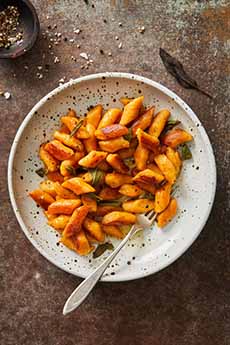
    [1] Fall comfort food: pumpkin gnocchi. In this photo, the gnocchi have been made with angled edges, instead of the traditional oval shape (photos #1, #2 and #4 © DeLallo).


    [2] Add gnocchi to pumpkin soup. Here’s the recipe. Ut uses regular gnocchi in a soup made from pumpkin purée and chicken broth. But you can substitute pumpkin gnocchi for a “double pumpkin gnocchi soup.”

    A Bunch Of Fresh Sage
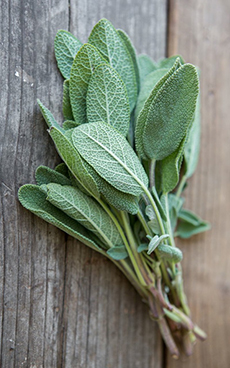
    [3] Fresh sage has an herbal flavor that is slightly peppery, with hints of eucalyptus, lemon and mint. It is one of those herbs, like basil and rosemary, that provides “aromatherapy” just by inhaling the bunch (photo © Good Eggs).

    DeLallo Potato Gnocchi
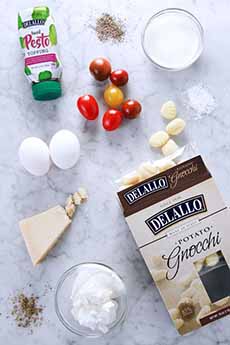
    [4] DeLallo’s Potato Gnocchi Kit. Get it here.


    [5] Homemade gnocchi with marks made with the back of a fork (photo © Neco Garnicia | Stock Xchange).

    Canned Pumpkin
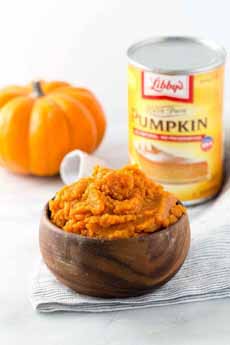
    [6] Be sure to buy plain pumpkin purée, not pumpkin pie mix, which has sugar and spices (photo © Jessica Gavin Photography).


    Comments off

    RECIPE: Butternut Squash & Pancetta Pizza For Halloween


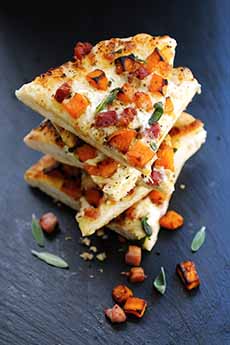
    [1] How can you resist this fall-flavor pizza: butternut squash, pancetta and crispy sage atop provolone and mascarpone cheeses (photo #1, #2 and #3 © DeLallo)?

    Pancetta Whole & Diced
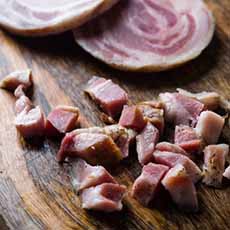
    [2] Pancetta, a form of unsmoked, spiced bacon.


    [3] The whole pie: yes, please!

    Provolone Italian Cheese Semihard
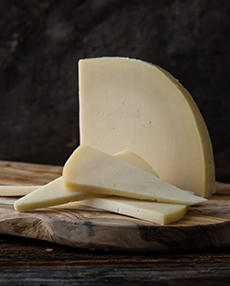
    [4] Provolone cheese flavors vary by age. Provolone piccante (sharp, piquant) is, aged for a minimum of four months. Provolone dolce has a very mild taste. (photo © DiBruno Bros).


    [5] Mascarpone cheese: rich and creamy (photo © The Nibble).

    A Bunch Of Fresh Sage
    [6] Fresh sage: so fragrant, so tasty (photo © Good Eggs).


    If you’ll be spending a quiet Halloween at home this year, here’s a seasonal pizza recipe from DeLallo to add some festivity to the evening (photos #1 and #3).

    Popular ingredients—butternut squash, pancetta and two Italian cheeses—top a pizza that’s garnished with crispy fried sage leaves.

    If you’ve never had them, you’ll be wanting fried sage leaves as a garnish on everything. And the good news is they complement just about everything!

    The recipe is below.

    If you can’t find pancetta, substitute bacon, Canadian bacon, prosciutto, smoked ham or smoked sausage.
     
     
    WHAT IS PANCETTA?

    If you don’t know pancetta (photo #2), it’s a good time to try it.

    Pancetta is unsmoked bacon: pork belly that has been salt cured, spiced and air-dried for three months or longer.

    Pancetta:

  • Is similar to prosciutto, but spicier.
  • It comes from the belly of the pig, while prosciutto comes from the back leg, the ham.
  • It’s aged for a much shorter time than prosciutto.
  • It’s a closer relative of bacon. Both pancetta and bacon are cured pork made from the pork belly.
  • Unlike bacon, pancetta is not smoked.
  • Thus, pancetta has less punch than bacon, but more deep, pure pork flavors.
  •  
    Pancetta is used in many classic Italian dishes, including as Pasta alla Carbonara, where it is used to flavor the sauce.

    Each region of Italy has its own pancetta recipe, using their preferred spices.

    While there appears to be no recorded history of the origins of pancetta, there are shipping records from as early as the 15th century.

    The reference is to the purchase of cured meats for long voyages—and it is likely that cured meats were developed for just such a purpose [source].

    Two well known types of pancetta are:

  • Piacentina (D.O.P.) from Emilia-Romagna.
  • Pancetta Calabrese (D.O.P.) from Calabria.
  •  
    Although very good pancetta is made in other regions of Italy, only the Calabria and Piacentina varieties have been bestowed with D.O.P. status: Denominazione di Origine Protetta, translated to Protected Designation of Origin Status.

    This label, observed by the European Union, guarantees that the food or agricultural item, is produced in a specific geographical zone, according to traditional production techniques.

    Each step, from growing to packaging, is regulated.

    The regulations made to protect local products from competition from unauthentic products made by non-authorized producers.
     
     
    RECIPE #1: BUTTERNUT SQUASH PIZZA WITH PANCETTA & SAGE

    If you’re making the dough from scratch, you can do it up to three days in advance.

    For a milder flavor, buy provolone dolce (DOLE-chay) instead of the sharper provolone piccante (pee-CON-tay).

    Ingredients For 2 Small Pies

  • Purchased pizza dough or DeLallo Italian Pizza Dough Kit
  • 1-1/4 cups lukewarm water
  • 3 tablespoons extra virgin olive oil
  • 2-1/2 cups shredded provolone piccante
  • 2 heaping tablespoons mascarpone cheese
  • 2 cups chopped butternut squash, sautéed in olive oil
  • 1 cup diced pancetta, browned and cooked through
  • Fried sage leaves—see recipe below
  •  
    Preparation

    1. IF MAKING PIZZA DOUGH FROM SCRATCH, combine the flour mix and yeast packet in a large mixing bowl with 1-1/4 cups lukewarm water. Stir with a fork until the dough begins to form.

    Knead by hand for 3 minutes, or until the dough is soft and smooth. Transfer to a clean, lightly oiled bowl and cover tightly with plastic wrap. Allow the dough to rise in a warm place until doubled, about 45 minutes.

    After this step, you can refrigerate the dough for up to 3 days.

    2. PREHEAT the oven to 450°F. Divide the dough into 2 equal pieces. Form the pizzas by hand on a lightly oiled baking pan or pizza stone.

    3. DIVIDE the olive oil and toppings for each crust. First, brush the pizzas with olive oil. Next, top them with provolone cheese and small dollops of mascarpone. Sprinkle with the butternut squash and browned pancetta.

    4. BAKE for 10-15 minutes, or until the crust is golden and the toppings are browned. While the pizza cooks…

    5. FRY the sage leaves (instructions below).

    6. TOP the pizzas with fried sage and serve.
     

    RECIPE #2: FRIED SAGE LEAVES

    Ingredients

  • 1 bunch fresh sage (or however many leaves you want for garnish)
  • 1/4 cup olive oil
  • Sea salt or kosher salt
  •  
    Preparation

    For the pizza, select the smaller leaves from the bunch.

    1. WASH and dry the sage leaves and remove stems. Be sure that the leaves are thoroughly dry before frying (when we don’t have time to air dry, we use a hair dryer!).

    2. HEAT the oil in a small pan over medium-high heat. Fry the sage leaves until crisp, 2–3 seconds. Do not crowd them in the pan; fry in batches if necessary.

    3. TRANSFER to paper towels to drain and sprinkle with salt. Reserve until ready to serve.


    Comments off

    RECIPE: Sausage & Cheese Twice-Baked Potato, A Triple-Holiday Treat

    October is National Cheese Month, National Potato Month and National Sausage Month.

    So thanks to the folks at the Idaho Potato Commission for sending us a recipe that combines all three ingredients: a triple-holiday treat.

    Some people like their baked potato skins harder; others like them softer. Just rub the potato skins with olive oil if you prefer a softer potato skin.

    Most people might use a package of shredded cheddar for this recipe. But for extra flavor, we used Cabot’s horseradish cheddar.

    You can use garlic, habanero, or any other flavor of cheddar you desire.
     
     
    RECIPE: TWICE BAKED POTATOES WITH SAUSAGE & CHEESE Ingredients

  • 8 large Idaho® potatoes, scrubbed
  • 2 teaspoons olive oil (optional, for a softer-skinned potato)
  • 12 ounces ground turkey sausage or other variety
  • 1 cup skim milk
  • 1 stick (1/2 cup) butter, room temperature
  • 1/2 teaspoon salt
  • Pinch pepper
  • 1/4 cup chopped chives (substitute finely-chopped scallions)
  • 8 ounces shredded cheddar cheese
  • Parmesan cheese, grated, as needed
  • Optional garnish: sausage links, sliced
  •  
    Preparation

    1. PREHEAT the oven to 425°F. Pierce the potatoes with a fork several times. Rub the potato skins with olive oil if a softer potato skin is desired. Bake the potatoes directly on the middle oven rack for 50-60 minutes or until they yield to gentle pressure. While the potatoes are baking…

    2. COOK the turkey sausage. Drain the sausage, crumble it and set it aside.

    3. REMOVE the potatoes from the oven with an oven mitt, turning down the oven to 400°F. While the potatoes are still hot, cut them in half lengthwise. Leaving a shell about 1/4-inch thick all around, scoop out the interior flesh into a medium-sized bowl. Mash, using a potato masher.

    4. HEAT the milk in a small saucepan over medium heat, until hot but not boiling. Add the milk to the mashed potatoes a little at a time, mashing again after each addition.

    Mix in the butter and mash all until smooth. Add the salt, white pepper and chives, and mix together thoroughly. Stir in the shredded cheese and sausage.

    5. USING a spoon, gently fill the potato shells with the potato mixture, mounding it up high. Place the filled potatoes onto a baking sheet, sprinkle with the parmesan cheese and top with the optional sliced sausage links (see photo). Bake for 18-20 minutes or until hot. Serve.


    [1] Twice-baked potato stuffed with cheese and sausage (photo and recipe © Idaho Potato Commission).


    [2] Grated cheddar (photo © Darryl Brooks | Dreamstime).


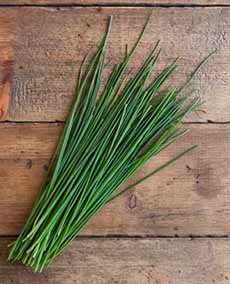
    [3] Chives have the mildest flavor in the onion group. If you don’t have them, substitute scallions (photo © Good Eggs).


    Comments off


    © Copyright 2005-2026 Lifestyle Direct, Inc. All rights reserved. All images are copyrighted to their respective owners.