THE NIBBLE BLOG: Products, Recipes & Trends In Specialty Foods


Also visit our main website, TheNibble.com.

RECIPE: Cream Cheese Icing (Frosting) For National Chocolate Cupcake Day


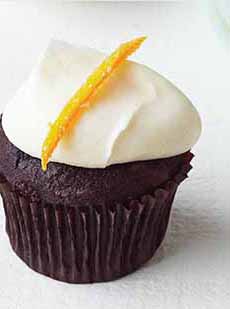
[1] This cream cheese frosting adds sour cream for a nuance of flavor and more spreadability (photo and recipe © American Heritage Chocolate).

Philadelphia Cream Cheese Package
[2] Whether you like the name brand, store brand, or organic cream cheese, you need a block of it (photo © Bay Business Help).

Sour Cream
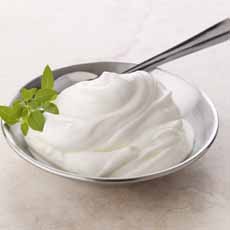
[3] A bit of sour cream creates a variation of the classic recipe (photo © Wisconsin Milk Marketing Board).


October 18th is National Chocolate Cupcake Day.

We’ve been using this classic cream cheese icing recipe on our chocolate cupcakes for years.

But we recently received this recipe to try from American Heritage Chocolate.

It adds sour cream to the cream cheese, which cuts the sweetness and adds a barely discernible hint of tartness.

We prefer cream cheese icing to buttercream, and always use it on cupcakes, carrot cakes, and other loaf cakes.

So is this recipe frosting or icing?

The difference between frosting and icing is that:

  • Icing is made with confectioners’ sugar (also called icing sugar and 10x sugar), as in this recipe.
  • Frosting is made from granulated sugar (table sugar).
  •  
    But the two words are used interchangeably by those not aware of this nuance.

    > December 13th is National Cream Cheese Frosting Day*.

    > The history of cupcakes.

    > The history of cream cheese.
     
     
    RECIPE: CREAM CHEESE ICING (FROSTING)

    Prep time is 10 minutes.

    We used it on our dark chocolate cupcakes recipe.
     
    Ingredients For 3 Cups

  • 1 block (8 ounces) plain cream cheese, room temperature
  • ½ cup (1 stick) unsalted butter, room temperature
  • ¼ cup sour cream
  • Coarse salt (sea salt, kosher salt)
  • 2½ cups confectioners’ sugar
  •  
    Preparation

    1. CREAM together the cream cheese, butter, sour cream, and a pinch of salt on medium speed of an electric mixer, until light and fluffy (approximately 2 minutes).

    2. ADD the confectioners’ sugar. ½ cup at a time, stopping the mixer and scraping down the bowl before each addition. Gradually increase the speed to medium after each addition of sugar. That’s it!

    3. STORE in an airtight container in the refrigerator for up to 5 days, if not using immediately. Bring to room temperature before using.

     
    ________________
     
    *Arla Foods established an official National Cream Cheese Frosting Day on December 13th (the press release), but some sources list a holiday by the same name on March 31st. Consider it another opportunity for more cream cheese frosting!


    CHECK OUT WHAT’S HAPPENING ON OUR HOME PAGE, THENIBBLE.COM.


    Comments off

    RECIPE: Spaghetti Pie For National Pasta Month

    Try something new for National Pasta Month.

    It could be as simple as a shape of pasta you haven’t tried before, from wagon wheels (ruote) to strozzapreti (photo #4—the name means “priest stranglers—here’s why†).

    Perhaps it’s baked pasta, like manicotti, pastitsio or ziti.

    How about this fun approach to baked pasta: Spaghetti Pie, a recipe from DeLallo.

    This spaghetti pie is called Pasta Frittata in Italy.

    The spaghetti is tossed with hot Italian sausage, roasted red peppers and San Marzano-Style tomatoes.

    Don’t want sausage? Substitute your ingredient(s) of choice.

    It’s not your grandmother’s spaghetti dinner—unless, perhaps, your nonna was Italian. Have fun with it!
     
     
    RECIPE: SPAGHETTI PIE (PASTA FRITTATA)

    Ingredients

  • Butter for greasing the pan
  • 2 tablespoons extra virgin olive oil
  • 1 medium yellow onion, finely chopped
  • 3 garlic cloves, minced
  • 1 teaspoon crushed red pepper
  • 1 pound loose hot Italian sausage (removed from casing)
  • 1 jar (12-ounces) roasted red peppers, diced
  • 12 ounces fresh baby spinach
  • 1 tablespoon tomato paste
  • 1 can 28-ounces San Marzano diced tomatoes
  • 1 teaspoon dried basil
  • 1 teaspoon dried oregano
  • Salt to taste
  • 1 pound package spaghetti
  • ¾ cups whole milk
  • 3 large eggs
  • Fresh-ground pepper
  • 1 cup sharp cheddar cheese, grated
  • 2½ cups fontina cheese, grated
  • 1½ cups freshly grated parmesan cheese
  • Fresh basil, chopped
  •  
    Preparation

    1. HEAT the oven to 425°F. Butter a 9-½-inch springform pan.

    2. COOK the pasta according to package directions. Drain and set aside.

    3. HEAT the oil in a large skillet over medium-high heat. Add the onion, garlic and crushed pepper; cook for 1 minute.

    4. ADD the sausage and roasted peppers. Cook, breaking the meat into small bits until cooked through, about 6 minutes. Add the spinach and cook until slightly wilted, about 2 minutes.

    5. STIR in the tomato paste and cook 1 minute. Add the diced tomatoes and salt. Continue to cook, stirring occasionally and scraping any bits from the pan, until the liquid is mostly evaporated, about 5 minutes. Remove from the heat and set aside.

    6. WHISK together the milk, eggs, pepper and ¾ teaspoon salt in a large pot (you can use the pasta pot). Stir in the cheddar, fontina and 1 cup of parmesan. Add the sausage mixture and the spaghetti. Stir until combined.

    7. TRANSFER the mixture to the springform pan. Smooth the top with a spatula. Set the pan on a rimmed baking sheet and bake until the edges are golden and bubbling, about 30 minutes.

    8. REMOVE the pan from the oven and turn on the broiler. Sprinkle the pie with the remaining parmesan and fresh basil. Broil until the cheese is golden, about 2 to 3 minutes. Remove from the oven and run a knife around the inside of the pan.

    9. LET the pie rest about 10 minutes, then release and remove the sides of the pan. Cut the pie into slices and serve.
     
     
    Also try these pasta pies:

  • Baked Rigatoni Pie
  • Stuffed Lasagna pie
  • Spaghetti Carbonara Pie
  •  

    Spaghetti Pie Recipe
    [1] Bake a “pie”: a new way to enjoy spaghetti (photos #1, #2, #3, #4 © DeLallo).


    [2] There’s no pie crust: just spaghetti with sausage, red peppers and more.


    [3] “Slice” is no longer reserved for pizza.


    [4] Strozzapreti: hoping to choke the priest so he stops freeloading (photo courtesy Alchetron).


    > THE DIFFERENT TYPES OF PASTA

    > THE HISTORY OF PASTA

    > THE HISTORY OF BAKED PASTA

    ________________

    *Strozzapreti literally means “priest stranglers” or “priest chokers.” This twisted tubular pasta (pronounced STROAH-tsa-PREH-tee) was named centuries ago when it was common practice in Italy to let priests eat for free in restaurants and homes. According to the story, some restaurateurs wished that the “freeloaders” would choke on the pasta course before they could get to the more expensive meat and fish courses. The apocryphal story is that they rolled a shape that might get lodged in the priest’s throat. Here’s more of the history.


    Comments off

    TIP OF THE DAY: Eat Four Prunes For National Four Prunes Day


    [1] Prunes are dried plums (photo © Mallivan | Panther Media).


    [2] Plums are laid out on wooden trays to dehydrate (photos #2 and #3 © California Prunes).


    [3] Prunes dehydrate to 1/3 the size of plums.


    October 17th is Four Prunes Day.

    Why four prunes?

    It was named after earlier medical advice to help digestive regularity.

    The recommendation is that eating four to nine prunes daily will aid digestion.

    Why? Prunes are a fiber food, but also contain fructans and sorbitol, fermentable sugars that can have a laxative effect.

    Even people with no problem like to eat them for general gut health: A healthy gut is a healthy immune system.

    Prunes are also a nutrition powerhouse and packed with B vitamins, potassium, magnesium and boron and Vitamin K.

    Alas, this homeopathic tie to constipation was so widely touted that prunes, which are dried plums, were perceived by American growers to be stigmatized.

    Sales dropped over time, as more and more over-the-counter remedies for constipation appeared in pharmacies.

    Prunes were more top-of-mind as a digestive remedy than as a snack and recipe ingredient.

    As a result, plum growers took to marketing and in 2001 successfully petitioned the government to allow prunes to be rebranded as “dried plums.”

    This was a purely American undertaking. Other cultures love prunes unreservedly. The French, for example, prepare prunes stuffed with foie gras as a delicacy.

    We have our own favorite ways to use prunes.

    And we’re exercising our choice to call the fruit prunes, not dried plums.
     
     
    ABOUT PRUNES

    Most prunes sold in the U.S. are grown in California from a particular variety of plum that dries the best.

  • Farmers determine harvest time by checking fruit firmness and sugar content with a tool called a light refractometer.
  • After the plums are shaken off of the trees, they are placed onto wooden trays where the fruit is dehydrated (photo #2).
  • The Golden State is the world’s largest producer of prunes, supplying 99% of the U.S. supply and nearly half of the world supply!
  • It takes 3 pounds of plums to make 1 pound of prunes.
  •  
    Only about three-quarters of a pound of prunes are eaten each year per capita in the U.S.

    These dried fruits are delicious. Eat more prunes!

    For more information and lots of recipes, visit the California Prunes website.
     
     
    > THE HISTORY OF PRUNES


    Comments off


    © Copyright 2005-2026 Lifestyle Direct, Inc. All rights reserved. All images are copyrighted to their respective owners.