THE NIBBLE BLOG: Products, Recipes & Trends In Specialty Foods


Also visit our main website, TheNibble.com.

TIP OF THE DAY: Ways To Season Chicken

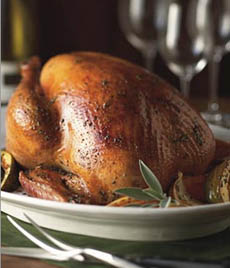
You don’t want a bland chicken, so dig out
the spices and season away! Photo courtesy Butterball.

  Barbecue sauce is the number one food that THE NIBBLE receives over the transom (and old publishing expression that means unsolicited). Barbecue sauce is expensive and totally unnecessary. Our mother rotisseried a wonderfully delicious, plump bird several times a week, using only garlic salt, onion salt and pepper. No bottle of barbecue sauce ever crossed her threshold.

Of course, there are many options between those two extremes: numerous different ways to season a chicken, drawing from just about every cultural influence. It can be as simple as trussing the bird, then sprinkling or basting with your favorite flavors. Or, you can be as imaginative as you like. Here are some suggestions that leave out the sugar, so you can enjoy a broiled, grilled or roasted chicken as the lower-calorie protein it is.

Here are tips from Chef Johnny Gnall, starting with a…


  • Basic Roast Chicken. If you prefer a simple bird, just sprinkle salt and pepper over it. But not your mother’s S&P: Use sea salt and freshly ground black pepper, with one of these varietal peppercorns. Basting the chicken with melted butter during roasting will also add a lot of flavor; and drizzle some fresh lemon juice on the cooked bird to add a bit of freshness and lightness (and counterbalance the rich butter. For added flavor, stuffing the cavity with half a peeled onion and a lemon that has been cut in half. (You can use this trick for any roast chicken recipe.)
  • Asian Seasoning. Stuff the inside cavity of the bird with a half a head of peeled garlic and a 1-inch knob of ginger. Baste the skin with your favorite Asian marinade or dressing (we like the Palcha line of Thai-fusion dressings), or make your own with this easy recipe.
  •  

  • Southwestern Seasoning. Take 4 tablespoons of your favorite barbecue rub (here are 10 barbecue rub recipes) and mix in 1 to 2 tablespoons of ground coffee. The ground coffee flavor will not be prominent; in fact, few people will know it’s there. Yet, it will enhance the other flavors while adding a delightful earthiness, as it does in a good chili recipe.
  • Spicy Seasoning. If you enjoy your foods heavily spiced, simply add some dried herbs along with your favorite spice combinations. For example, mix equal parts (or your preferred proportions) of chili powder, cumin, dried oregano, dried thyme and paprika. If you’re feeling more adventurous, you can blend in a stick of melted butter or oil to create a wet rub and basting paste.
  •  
    MAKE YOUR OWN SPICE RUB

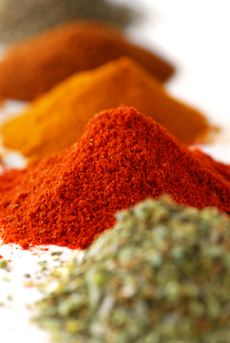
    If you want to use a spice rub but don’t have one on hand, it’s easy—and far more economical—to create your own out of the spices you have in your pantry. You can use a simple ratio of two parts salt to one part each of any other spice(s). Johnny’s favorite is two parts salt to one part each of chipotle chili powder, coriander, cumin and light brown sugar.

     
    There’s need to buy spice rub: It’s a combination of the spices you probably have in the cabinet. Photo by Elena Elisseeva | IST.
     

    WE’RE NOT ANTI BARBECUE SAUCE, by the way. Find our favorite barbecue sauces and rubs in our Rubs, Marinades, Sauces & Glazes Section.
     

    HOW MANY PARTS OF THE CHICKEN CAN YOU NAME?

    Check out our Chicken Glossary, which covers the different parts of chicken, the history of chicken and much more.


    Comments off

    TIP OF THE DAY: Ways To Use Jelly


    Use jelly as a cake filling, or melt and drizzle
    it over an unfrosted cake. Photo courtesy
    HarlequinCandy.Blogspot.com.
      Beyond breakfast, look to jelly, jam and other fruit spreads for recipes and entertaining. They can be paired with just about anything to add a bright, sweet kick.

    Chef Mark Dowling of LearntoCook.com has tutorials, recipes and tips to teach the basics to home cooks and families, including how to tailor each flavor of fruit spread to specific recipes and occasions. Here are some of his suggestions:

    Jelly

    Jelly combines fruit juice, sugar, pectin (a thickening agent) and acid into a clear spread that will hold its shape, even out of the jar. Jelly has a translucent color.

     
    Pair jelly with cake. Adding jelly to a slightly sweet, pound cake or angel food cake contributes color and flavor. Heat the jelly to melt it, before drizzling it on top of your favorite dessert.

    Jam

    Jam is a thicker mixture than jelly and is made with chopped or crushed fruit, as well as pectin and sugar. Despite the soft chunks of fruit, jam will spread easily.

    Pair jam with bread, toast and scones. Either bake jam into your favorite scone or muffin recipe by adding a 1/2 cup of jam, or serve it on top with clotted cream.


    Marmalade

    Marmalade is most often a citrus spread that uses the peel and pulp of the fruit; sugar is added but marmalade does not contain pectin. It is cooked for a long time, and when finished, displays the different parts and textures in a clear suspension.

    Pair marmalade with salads and proteins. Vinaigrettes sweetened with a bit of marmalade are delicious atop side salads of bitter greens, such as arugula and kale. Marmalade is also excellent in a marinade or to glaze chicken.

    Fruit Butter

    Fruit butter is made by slow-cooking a mix of fruit and sugar until it is opaque, smooth and spreadable, with rich fruit flavor.

    Pair fruit butter with your favorite cheese. Enjoy fruit butter on top of tangy brie cheese, wrapped and baked in puff pastry or on crostini with creamy goat cheese.

     
    Smucker’s Naturals, tasty new fruit spreads. Photo by Elvira Kalviste | THE NIBBLE.
     
    What a perfect segue into …

    SMUCKER’S NATURAL FRUIT SPREADS

    The famed maker of preserves has launched a new line of fruit spreads, called Smucker’s Natural. We enjoyed all four flavors: Concord Grape, Orange Marmalade, Red Raspberry and Strawberry.

    And as now have four open jars in the fridge, we’re going to implement Chef Dowling’s suggestions, above.

     
    CHECK OUT THE DIFFERENT TYPES OF JELLY & JAM IN OUR GLOSSARY.
      

    Comments off

    TIP OF THE DAY: Broccoli Salad


    Try a different type of salad, like broccoli
    and beets. Photo courtesy Love Beets.
     

    Think outside the lettuce box to other crisp salads that are fun, nutritious and provide variety. Today, how about a broccoli salad.

    It’s very easy to make broccoli salad, with all the ready-to-eat broccoli available at the market. From florets to broccoli slaw, it’s been washed and are ready to go. (Of course, you can purchase an entire head and cut it up yourself). All you need to do is add some favorite ingredients.

    Serve broccoli salad at lunch, as a dinner side salad or for healthful snacking. You can use the recipe below, from Love Beets, as a template, or let your creative juices flow.

    This recipe serves four. The prep time is just 5 minutes, with an additional 5 minutes cooking time.

     
    RECIPE: BROCCOLI, BEET & TOASTED SEED SALAD WITH LEMON DRESSING

    Ingredients

  • 8 ounces broccoli, stems cut in half, or broccoli rabe, or other form of fresh broccoli
  • ½ cup mixed seeds (e.g. sunflower, pumpkin, sesame)
  • 1 tablespoon soy sauce
  • 9 ounces plain cooked (vacuum packed) beets, drained and cut into wedges
  • Small bunch fresh chives, snipped
  • Optional: crumbled or sliced blue cheese or goat cheese
  •  
    Ingredients For Dressing

  • 2 tablespoons quality olive oil
  • Juice of ½ of lemon, or to taste
  • Freshly ground black pepper and sea salt, to taste
  • Preparation

    1. MAKE the dressing by whisking together the oil and lemon juice. Season with freshly ground black pepper and sea salt. Set aside.

    2. STEAM or boil the broccoli for 3 to 4 minutes until just tender but with a little bite (we microwave it in a dish with a lid for 2 minutes). While the broccoli is cooking…

    3. TOAST the seeds over medium heat in a small frying pan. Toasting releases the full flavors of the seeds, so don’t skip this step! Add soy sauce and cook over a medium heat, tossing regularly to completely coat, for about 3 minutes until the seeds are crisp and golden. Take care not to burn them or they will taste bitter.

    4. ARRANGE the cooked broccoli and beet wedges on a plate, drizzle the dressing over the beets and broccoli, then sprinkle with the toasted seeds and chives. Add optional cheese. Serve immediately.


    Comments off

    PRODUCT: Garden Lites Veggie Muffins

    The producers of our favorite Garden Lites Veggie Soufflés have introduced new Veggie Muffins: a fluffy carrot muffin and a deep chocolate zucchini muffin.

    The all natural Veggie Muffins line is made of 1/3 fresh vegetables. Each muffin is shrink-wrapped for easy portability. Just let the frozen muffins defrost naturally or heat them in the microwave for 30 seconds; you’ll have an extremely moist treat that’s right-sized (not super-sized) at 120 calories per muffin (3 Weight Watchers points).

    The recipe contains eggs, but is dairy free, gluten free, nut free and soy free. The line is certified kosher by Star-K.

  • Carrot Berry Veggie Muffins are made with fresh vegetables plus blueberries, cherries and cranberries.
  • Zucchini Chocolate Veggie Muffins are very chocolaty, from cocoa powder and semisweet chocolate chips—so chocolaty that no one will detect the zucchini. They’re great for chocolate cravings or to sneak extra servings of vegetables into resistant loved ones.
  •  
    This moist carrot muffin is a great 120- calorie treat. Photo by Elvira Kalviste | THE NIBBLE.
     

    Pair Veggie Muffins with coffee or tea for quick breakfast, tuck in with your lunch or for a healthful snack. You can keep them in the office freezer—although you’ll have to disguise them so co-workers don’t polish them off.

    While the muffins don’t have as much veggie content as the larger-portion souffles, each muffin is made from 1/3 fresh vegetables and comprises not quite one daily serving of vegetables. But hey, they’re muffins!

    The yummy muffins are available at select Costco locations and other retailers. Check the store locator for the store nearest you.

    The four-pack will retail for around $4.99, and the Costco 14-pack is a bargain at $9.99.

    Garden Lites calls itself “the delicious vegetable company.” We agree.

    For more information, visit GardenLites.com.


    Comments off

    NEWS: New Pork Cut & Beef Cut Names

    Bone-in loin chops will now be called
    porterhouse. Photo courtesy National Pork
    Board.


    If you’ve ever wondered why a cut of meat called pork butt is actually the shoulder of the pig, the National Pork Board has decided to help you out—sort of—by changing the name. The cut will be renamed Boston roast.

    Why not simply call it pork shoulder? The answer, dear reader, is marketing. Which sounds better in the meat case and on a restaurant menu: Boston roast or pork shoulder? And while there’s nothing wrong with the familiar bone-in loin chops, doesn’t porterhouse sound better?

    If it sounds better you can sell more, and at higher prices, too. The renamed Chilean sea bass was originally called the Patagonaian toothfish and orange roughy was the slimehead. How appetizing are those?

    The National Pork Board, the industry trade organization, has announced a new set of names for some favorite cuts of pork. The new names are phasing in at retailers nationwide and should be in full force this summer.

     
    The new names were chosen to reflect the names of cuts of meat that shoppers are already familiar with, in the beef case and on restaurant menus—and have built-in appeal (as with porterhouse and rib-eye pork cuts). Home cooks will hopefully have an easier time selecting and preparing pork.

    The new pork names to look for:

  • Boston roast (previous name: pork butt)
  • Pork porterhouse chop (previous name: loin chop)
  • Pork rib-eye chop (previous name: rib chop)
  • Pork rib-eye chop, bone-in (previous name: rib chop center)
  • Pork New York chop (previous name: top loin chop)
  •  
    Some beef cuts will have new names as well. Examples:

  • Denver steak (previous name: under blade boneless steak)
  • Flatiron steak (previous name: boneless shoulder top blade steak)
  • Coulette (previous name: top sirloin), the French term for the cut
  •  
    We don’t get coulette at all; it’s far more oblique than top sirloin. As with any committee project, some of the recommendations work, and some are no better than the original that has been replaced.

    But don’t worry about mass confusion in the meat case: Package labels will feature the old and new names.

    The new system, which standardizes common red meat cuts, was advocated by the National Pork Board and the National Cattlemen’s Beef Association, and approved by the U.S. Department of Agriculture. The two associationa collaborated to conduct in-depth research over an 18-month period, to develop solutions to help today’s shopper find specific cuts of fresh meat easily.


    Called the Uniform Retail Meat Identification Standards (URMIS), it aims to simplify meat cuts by adopting descriptions of cuts people are already familiar on restaurant menus, which come up with better names to sell the products.

  • Few people would buy a “diaphragm cut,” but bistro steak or hanger steak sounds interesting (the cut is also called butcher’s tenderloin).
  • Bavette sounds better than flap steak.
  • Sirloin steak sounds tastier than butt steak.
  • London broil has more appeal than flank steak.
  •  
    Here are two pork recipes that incorporate the new names:


    Grilled rib chops with spicy barbecue sauce. Photo courtesy National Pork Board.

  • Grilled Pork Porterhouse With Chipotle Cilantro Butter recipe.
  • Grilled Pork Ribeye With Easy Spicy BBQ Sauce and Chive Mashed Potatoes recipe.
  •  
    Find more delicious pork recipes at the National Pork Board’s recipe site, BeInspired.com.
     
     
    FIND THE DIFFERENT CUTS OF PORK IN OUR PORK GLOSSARY.

    FIND THE DIFFERENT CUTS OF BEEF IN OUR BEEF GLOSSARY.
      

    Comments off

    The Nibble Webzine Of Food Adventures
    RSS
    Follow by Email


    © Copyright 2005-2026 Lifestyle Direct, Inc. All rights reserved. All images are copyrighted to their respective owners.