THE NIBBLE BLOG: Products, Recipes & Trends In Specialty Foods


Also visit our main website, TheNibble.com.

When Is A Margarita Not A Margarita

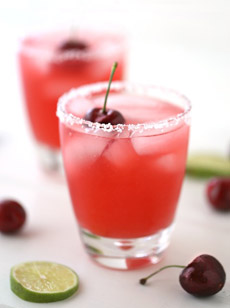
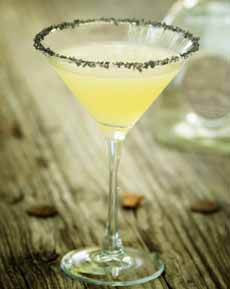
Cherry Margarita

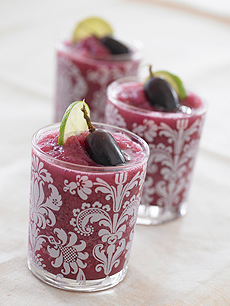
Grape Margarita

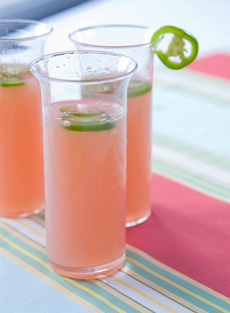
Guava Margarita

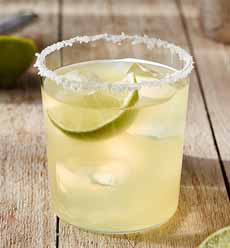
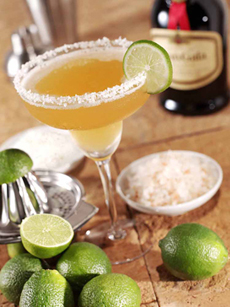
Classic Margarita

Smoked Salt Rim Margarita

Margarita Glass
Will the real Margarita please stand up? [1] Cherry Margarita (photo courtesy Created By Diane). [2] Grape Margarita (photo courtesy California Table Grape Commission. [3] Guava Margarita (photo courtesy Chef Ingrid Hoffmann). [4] and [5] The real deal, from Casa Noble Tequila: an classic Margarita and the classic with a smoked salt rim. [6] A Margarita made with GranGala orange liqueur in a Margarita glass.


Around this time of year, we get bombarded with every imaginable recipe for National Margarita Day (February 22nd).

In fact, most of these drinks are Margaritas in name only.

Because Margarita and Martini are the two most popular cocktails in America, some tequila companies (who know better) and establishments (who should) call too many concoctions by one of these names. Grape Margarita? Avocado Margarita? Seriously?

Here are just a few of the oh-so-wrong Margarita recipes we’ve received in recent weeks:

  • Avocado Margarita: blanco tequila, triple sec, lime, avocado (one entire avocado per drink!), fresh cilantro, cayenne pepper.
  • Mango Scotch Bonnet Margarita: tequila, lime juice, 3 slices of scotch bonnet pepper, diced mango, mango jam.
  • Raspberry Margarita: oro tequila, Cointreau, lime juice, black raspberry syrup, fresh raspberries.
  • Spicy Raspberry Margarita: reposado tequila, Chambord, Sprite, sour mix, Tabasco.
  •  
    When did this all begin? In our experience, it was the mid-1980s, when we first saw a “Peach-arita” featured on a menu in East Hampton. It substituted peach schnapps for the Cointreau.

    It was delicious—we had two—and the name was delightfully catchy. Many variations have appeared all over the ensuing 30 years. But in retrospect, they aren’t Margaritas at all; just cocktails riding on Margarita’s coattails, appropriating the name.

    We are complicit: We’ve published numerous poseur Margarita recipes because they were really good cocktails. But the madness (at least ours) stops today.

    We’ll still publish good cocktail recipes, but any faux Margarita will be linked to this conscious-raising rant.
     
     
    WHAT IS A MARGARITA?

    The original Margarita combined tequila, Cointreau, and lime juice: an orange-flavored tequila cocktail with a salt rim, served with a lime wheel (here’s the Margarita history).

    Unless you’re talking Frozen Margarita—where any flavor can be added via fruit purée—Margarita is an orange drink, not a cherry, grape or pineapple one.

    Once you take great license with ingredients, you create a different cocktail.

    Would you make a Pineapple Cosmo, substituting the standard cranberry juice with pineapple juice? Create a Grapefruit Screwdriver?

    A Screwdriver combines orange juice and vodka. Grapefruit juice and vodka create a Greyhound.

    Adding cranberry juice to a Greyhound produces a Sea Breeze.

    And that’s how it should be. Cocktails should observe a nomenclature, like everything else.
     
     
    MARGARITA VARIATIONS

    That being said, there is license to slightly vary the original ingredients. Each change marginally alters the original flavor profile, but the drink is still recognizable.

  • Tequila: You can use reposado or añejo tequila instead of the original blanco (silver). But you can’t make a “Mezcal Margarita,” any more than you can make a Vodka Margarita. Call those drinks something else!
  • Cointreau: You can use a different orange liqueur. Many bartenders quickly adopted the less expensive triple sec (generic orange liqueur); Grand Marnier promoted the “Grand” Margarita, making it seem a better choice (although Cointreau is the most expensive of the orange liqueurs—$10 more per bottle than Grand Marnier). GranGala did the same, calling a Margarita made with its liqueur the Ultra Margarita. We received an Orange Blossom Margarita recipe that included both Grand Marnier and Pavan Orange Blossom Liqueur—all right—but it further added agave sweetener and club soda. We’d call that an Orange Blossom Fizz.
  • Lime juice: You could substitute or add a different citrus juice, creating a Blood Orange Margarita, a Grapefruit Margarita, a Lemon Margarita.
  • Rim: Instead of plain salt, use flavored salt (chipotle, smoked, whatever) or a seasoning blend like Tajin, a blend of chile, lime, and salt.
  • Garnish: This is where you can express creativity without altering the integrity of the drink. You can add to, or substitute, the lime wheel with a wedge, and with something decorative (a red chile on a pick), or tossed into/onto the drink: jalapeño slices, berries, a sprig of cilantro or tarragon.
  • Glass: The original Margarita was served in a rocks (Old Fashioned) glass. Over time, bartenders chose whatever they had on hand, such as a Martini glass or a coupe. A “Margarita glass†” was invented in Mexico, and can be found in use at Mexican restaurants in the U.S. Use whatever you like.
  •  
    If you want to add a fruit flavor (guava, mango, strawberry, whatever), add purée to the original recipe. We’d even grant passage to something like a Mango Basil Margarita, with the purée and torn basil leaves in the shaker.

    But a recipe of tequila, lime juice, spicy mango syrup, grapefruit bitters, and basil leaves? Call it something else—even if that’s Margarita’s Sister.

    Ditto, an Apple Cider Margarita, tequila, apple cider, lemon juice, and cinnamon sugar for the rim.

    Ditto, tequila and lime juice with muddled cilantro.

    If you get rid of the orange liqueur and lime, it’s not a Margarita.

    Give your raspberry-tequila cocktail another name—or look it up: There aren’t many combinations that haven’t been otherwise named.

    (That said, We just looked up “raspberry tequila cocktail” and got the usual slew of Raspberry Margarita recipes, although Deliciously Organic forthrightly called it a Raspberry, Lime and Tequila Cocktail. Right on!)

    Final rant:

    The Margarita is the most popular† drink in the country. That’s why so many mixologists name their non-traditional creations “Margarita,” instead of a more appropriate name.

    Give the Margarita the respect it deserves.

    Use the creative licenses noted above, but create a new name for your cocktail—just like every other drink recipe has done.

     
    ________________

    *The Margarita glass is a variation of the classic champagne coupe, and is used to serve blended fruit Margaritas and frozen Margaritas. The same glass can be used to serve shrimp cocktails and other appetizers and desserts. The glass was originally made from recycled Coke bottles, and the mottled green color of the original survive.

    †Some industry reports place the Martini first. It depends on the survey and the year.
      

    Comments off

    FOOD FUN: Chicken Salad Without The Sandwich

    Like chicken salad, but trying to cut back on bread?

    If you want to avoid the bread, croissants, and wraps, there’s always a scoop of chicken salad on greens, in lettuce cups, or stuffed into a bell pepper, tomato, or avocado half.

    But we thought these ideas from Willow Tree Farm add allure to a long-time favorite.

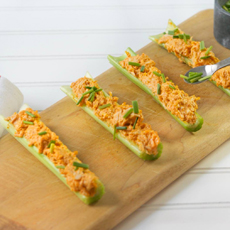
    Whether a filling for celery or fennel stalks, or a base for mini “cucumber sandwiches,” these make fun appetizers or snacks.

    Use your own chicken salad or one from Willow Tree Farm.

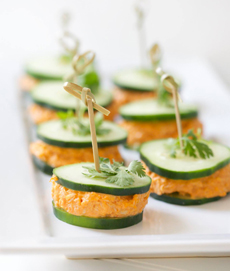
    cucumber sandwiches. Serve #Sriracha Chicken Salad between two cucumbers for a crunchy, cool, and spicy bite.
     
     
    RECIPE: CHICKEN SALAD STACKS

    For snacks, with beer, or as an amuse bouche before dinner. For something sweeter, you can use apple slices.

    Ingredients

  • 1 cucumber
  • 1 container of Willow Tree Farm Sriracha Chicken Salad (or your recipe)
  • Garnish: cilantro or other herb
  •  
    Preparation

    1. SLICE the cucumber into 1/2″ slices

    2. PLACE the chicken salad on half of the cucumber slices. Top with a cucumber slice.

    3. ROUND the edges with a spatula. Garnish with cilantro and secure with a toothpick.
     
     
    THE HISTORY OF CHICKEN SALAD

    It may come as a surprise—because modern mayonnaise was invented around 1800——but the Chinese were the first to serve variations of “chicken salad” (see below).

    The ingredients were not the same as what we call Chinese chicken salad*, but included pieces of chicken mixed with a variety of spices and oils and another binder, such as rice.

    The American form of chicken salad was first served in 1863 by Town Meats, a meat market in Wakefield, Rhode Island. The owner, Liam Gray, mixed leftover chicken with mayonnaise, tarragon, and grapes. It became such a popular item that the meat market was converted into a delicatessen.

    Modern Chicken Salad

    In the U.S., chicken salad is a cold salad with chicken as the main ingredient and is typically bound with mayonnaise with optional mustard. Other ingredients can include bell pepper, celery, hard-boiled egg, onion, pickles, or pickle relish, plus herbs, such as dill, rosemary, or tarragon.

    It can also include diced apples, grapes, or dried fruit, such as cherries, cranberries, or raisins. Diced mango is another popular addition as are nuts, such as almonds, pecans, and walnuts.

    In some areas of the U.S., especially the South, chicken salad may be a garden salad topped with fried, grilled, or roasted chicken, sliced.

    While today chicken salad is mostly served in a sandwich or wrap, it has a history as a ladies’ luncheon staple, served on a bed of greens with sliced tomatoes, hard-boiled eggs, bell pepper rings, and olives or other garnish, served with crackers.

    Variations were inevitable, using ingredients specific to regional and international cuisines.

  • Chinese chicken salad is made with celery, sliced almonds, fruit (diced apples, mandarin orange segments, or pineapple chunks), and mayonnaise, and topped with fried Chinese noodles.
  • Southwestern chicken salad includes avocado, black beans, cilantro, corn kernels, diced tomatoes, onion, shredded cheddar cheese, and a garnish of crushed tortilla chips (recipe).
  •  
    Modern recipes expand the concept of chicken salad to pasta salad or Caesar salad with chunks of chicken; add wing sauce and blue cheese for buffalo chicken salad.

    Binders can include anything you like: blue cheese dressing, hummus, pesto, remoulade sauce, Russian dressing, Thai peanut sauce, and on and on.

    In other countries, chicken salad can be made with any number of dressings, along with couscous, pasta, rice, and vegetables.

    So don’t be wary: Experiment!

    Fancy presentations serve it in a lettuce-lined coupe; molded into a ring; or scooped into a toast cup, avocado half, or pineapple half.

    As with any recipe, add whatever you like; from bacon to capers to pickled jalapeño.
     
     
    ABOUT WILLOW TREE FARM

    Willow Tree Farm makes pot pies and chicken salad from premium white meat.

    In addition to the original chicken salad, there’s a flavorful selection of:

  • Avocado Chicken Salad
  • Buffalo Chicken Salad
  • Cranberry Walnut Chicken Salad
  • Sriracha Chicken Salad
  •  
    The products are sold at major retailers, including BJ’s, Stop & Shop, and Whole Foods in New England and the East Coast. Here’s a store locator.

      Chicken Salad Celery Sticks
    [1] Filled celery sticks and…

    Chicken Salad Cucumber Stacks
    [2] cucumber stacks (photos #1 and #2 © Willow Tree Farm).

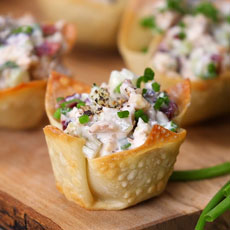
    Chicken Salad In Wonton Cups
    [3] Chicken salad in wonton wrappers. Here’s the recipe (photo © Shared).

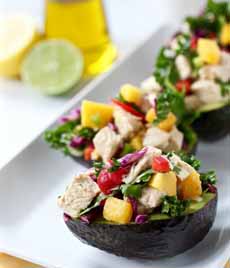
    Mango Chicken Salad Stuffed Avocado
    [4] Mango chicken salad in an avocado. Here’s the recipe (photo © The Real Food Dieticians).

    Southwestern Chicken Salad
    [5] Southwestern chicken salad. Here’s the recipe (photo © Sally’s Baking Addiction).

    Avocado Chicken Salad
    [6] Avocado chicken salad. Here’s the recipe (photo © Whole And Heavenly Oven).


    CHECK OUT WHAT’S HAPPENING ON OUR HOME PAGE, THENIBBLE.COM.


    Comments off

    Olive Salsa Recipe: A Sauce For Fish, Vegetables & Eggs

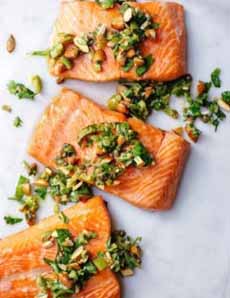
    Baked Salmon With Salsa Verde
    [1] Fish with salsa verde (photos #1 and #2 © Good Eggs).

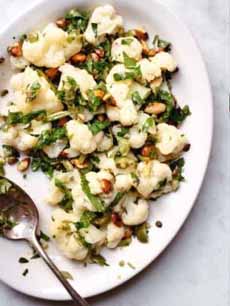
    Cauliflower With Olive Sauce
    [2] Cauliflower with salsa verde.

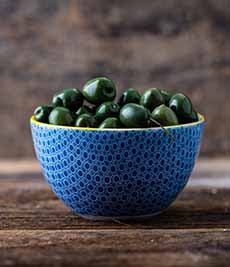
    A Bowl of Castelvetrano Olives
    [3] Castelvetrano olives (photo © DiBruno Bros).

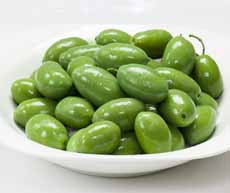
    Cerignola Olives
    [4] Cerignola olives (photo © Miccio), our favorite green olives..


    Many Americans think that salsa is a spicy tomato and chile dip for tortilla chips.

    In fact, salsa is the Spanish word for sauce of any kind. Salsa de chocolate, for example, is chocolate sauce.

    The Spanish word salsa derives from the Latin salsa, meaning salty, which itself derives from the Latin sal, salt (most Spanish salsas are not salty, however, but spicy).

    Not all salsas are Mexican in origin; in fact, each Spanish-heritage country has its own variety of salsa (Mexico has dozens, a different specialty in each state).

  • Chimichurri, a spicy vinegar-parsley sauce, is the leading condiment in Argentina and Uruguay.
  • Mojo, in the Caribbean, typically consists of olive oil, garlic and citrus juice, and is used both to marinate meats and as a dipping sauce.
  • Peri peri or piri piri sauce is considered the national condiment of Peru: a base of vinegar and oil, garlic and lemon juice with hot birds eye chiles. As with mojo, it is also used as a cooking sauce.
  •  
    The list goes on. Check out our Salsa Glossary for different types of salsa.

    Today, we’re yet another variety of salsa. This one is a salsa verde* (green sauce) featuring green olives. It can be used over fish, chicken, rice, eggs, and in the recipe below, vegetables.
     
     
    RECIPE: SALSA VERDE WITH OLIVES ON FISH & VEGETABLES

    Not your typical salsa verde, this recipe is chunky with olives and almonds. Any leftovers are equally good at room temperature for lunch the next day.

    Ingredients For 2-3 Servings

  • ¼ cup kosher salt
  • 1 head cauliflower, cut into 1-inch florets
  • 4 tablespoons red wine vinegar
  • A handful arugula roughly chopped
  • A handful parsley, roughly chopped
  • 1/2 cup pitted green olives
  • A handful toasted almonds, roughly chopped
  • Optional: 1 tablespoon capers
  • Olive oil
  • 1 pound fish: char, salmon, trout or anything that looks good
  • 4 lemon or lime wedges
  •  
    Preparation

    1. PREHEAT the oven to 375°F. Spread the florets in a single layer on one half of a parchment-lined baking sheet. Drizzle with olive oil and season with salt and pepper.

    2. PLACE the fish, skin-side down on the other half of the sheet. Run your fingers over the flesh to check for pin bones and remove them with kitchen tweezers. Brush with olive oil and season with salt and pepper.

    3. BAKE until the florets just start to brown, about 20 to 25 minutes (longer if you prefer a softer texture or more well-done fish). While the food is baking…

    4. MAKE the salsa verde. In a small mixing bowl, combine the chopped greens, olives, almonds, vinegar and enough olive oil to bind without. Season to taste with salt and pepper. Set aside.

    5. REMOVE the baking sheet from the oven. Plate and spoon the salsa over the cauliflower and the fish and. Serve with a lemon or lime wedge.  

     
    OLIVE TIPS

  • Use good olives: the type you would be happy to nibble on from the bowl. Pitted olives are preferred, unless you don’t mind removing the pits from your mouth at the table.
  • Type of olive: You only need one variety of olive, but found a pitted green olive mix from an olive bar, which included castelvetrano, cerignola, gordal, manzanilla and picholine. Since we left the olives whole, we could taste the different flavors.
  • Chopped versus whole: We like olives so much that we left them whole (or were we too lazy to chop them?).
  • Substitute: You can substitute black olives if you don’t like green.
  • Olive Glossary: Check out the different types of olives.
  •  
     
     > 15 MORE USES FOR SALSA
     
    ________________

    *Salsa verde is typically made with green chiles, tomatillos and cilantro. Used primarily as a garnish rather than a dip, it is much thinner than a tomato-based salsa roja/red sauce (this recipe, laden with olives and almonds, is an exception). A salsa verde can be fresh or cooked.


    Comments off


    © Copyright 2005-2026 Lifestyle Direct, Inc. All rights reserved. All images are copyrighted to their respective owners.