THE NIBBLE BLOG: Products, Recipes & Trends In Specialty Foods


Also visit our main website, TheNibble.com.

TIP OF THE DAY: Uses For Vermouth

Dry Martini with extra olives on the side
[1] A Dry Martini, stylish served at Dante Restaurant in New York City. Here’s the classic Martini recipe (photo © Dante).


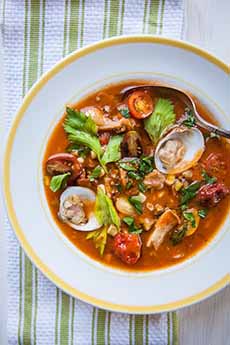
[2] Add a splash to soups. Here’s the recipe for this Manhattan Clam Chowder from Eat To Love (photo © Eat To Love).


[3] Homemade fig jam. Here’s the recipe from Set The Table (photo © Set The Table).


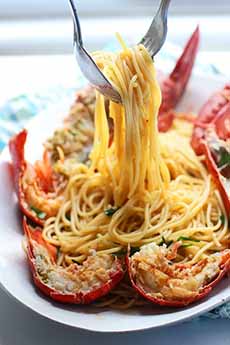
[4] Spaghetti and lobster in a sweet vermouth sauce. Here’s the recipe from Cooking For Keeps (photo © Cooking For Keeps).

Red (Sweet) Vermouth Aperitif
[5] A sweet (red) vermouth apéritif and nibbles (photo © Foods And Wines From Spain).


June 19th is National Dry Martini Day.

Both the original, with gin, and the modern, with vodka, have a second ingredient in common: dry vermouth.

Vermouth is an aromatized white wine, fortified with distilled alcohol and infused with various botanicals (barks, flowers, herbs, roots, seeds, spices) chosen by the producer.

Fortifying with a base spirit allows the opened bottle of wine to stay fresher, for longer (keep it in the fridge).

Even so, vermouth, though fortified, is still a wine and not a liquor. It has a shelf life. If refrigerated properly, it should keep anywhere from four to six weeks after opening.

Serve it instead of wine: chilled or over ice with a lemon peel. Or, use it to cook, as illustrated below.

Here’s the history of vermouth, which evolved from a use by apothecaries in Northern Italy and Germany, in the 16th century.

To make bitter medicines more palatable, apothecaries would blend extracts of herbs and roots with wine and brandy*.

Later, in the Italian city of Turin, vermouth became an apéritif, served at fashionable cafés.

Two types of vermouth evolved—dry/white and sweet/red—with subsequent additional styles including extra-dry white, sweet white (blanc or bianco), red, amber (ambre), and rosé.

In the late 19th century, dry vermouth became popular with bartenders as a key ingredient in cocktails that are still popular today: the Manhattan, the Martini/Gibson†, the Rob Roy, and the Negroni, among others.

Sweet vermouth is typically served as a spritzer, with a bit of simple syrup and fresh lemon, lots of club soda, and a mint garnish.

But you can also cook with vermouth.

> March 21st is World Vermouth Day.

> The history of vermouth.

> Vermouth and tapas menu.

> Vermouth Spritz cocktail recipe.
 
 
COOKING WITH VERMOUTH

Dry Vermouth

In addition to being consumed as an apéritif or cocktail ingredient, dry vermouth can be substituted for white wine in cooking.

Vermouth is fortified so is a bit stronger; you can use less if you’re concerned about too much wine flavor. Also be sure that the dish you’re making can stand up to the light flavors of the botanicals.

If you open a bottle for cocktails, continue to use it in your recipes to:

  • Add dimension to sauces for chicken, fish/shellfish (including steamed mussels), and pork.
  • Add to cream sauces and soups, plus stock-based and puréed soups (photo #2).
  • Add to mushroom dishes.
  • Deglaze pans.
  • Make adult milkshakes.
  • Use as vinegar when the vermouth turns.
  •  
    Sweet Vermouth

    Not surprisingly, sweet vermouth works better than dry vermouth in sweet recipes.

    You can use it in place of other fortified red wines, such as Madeira, marsala, port, and sherry.

  • Add to chocolate sauce and cranberry sauce.
  • Add to homemade ice pops.
  • Add to sorbet or chocolate ice cream.
  • Make a pasta sauce for seafood (photo #4).
  • Marinate fruit for spiked fruit salad
  • Poach pears and other fruits.
  • Stir into jam or preserves (photo #3).
  •  
     
    MARTINI RECIPES

  • Black Pepper Dirty Martini
  • Black Olive Dirty Martini
  • Cornichon Martini Garnish
  • Olive Oil Martini
  • Peppadew Martini Garnish
  • Vodka Martini With Blue Cheese-Stuffed Olives
  •  

  • Martini History
  •  
     
    ________________

    *Virtually all spirits—liquors and liqueurs—were first developed for medicinal purposes.

    †A Gibson is a Gin Martini served with cocktail onions instead of olives.


    CHECK OUT WHAT’S HAPPENING ON OUR HOME PAGE, THENIBBLE.COM.


    Comments off

    RECIPE: Fruit Sushi For National Sushi Day

    June 18th is National Sushi Day.

    Creative cooks have taken the sushi concept beyond fish and vegetables to sweet versions like fruit sushi and candy sushi. There are also cooked meat sushi and poultry sushi, and beef tartare sushi).

    Today, how about some fruit sushi?
     
     
    RECIPE: FRUIT SUSHI

    This recipe (photo #1), from the Blueberry Council, uses sushi rice plus avocado (yes, it’s a fruit), peaches and blueberries for an explosion of fruit flavor.

    Of course, you can substitute any fruits you like.

    The rice is sweetened with coconut milk, sugar and vanilla extract.

    You can use your fingers to pick up the pieces; but as with conventional sushi, you may have more fun if you pick them up with chopsticks to dip in the blueberry sauce.
     
    Ingredients

  • ¾ cup short grain rice
  • 1¼ cups water
  • 2 tablespoons sugar
  • Pinch salt
  • ½ cup coconut milk
  • ½ teaspoon vanilla extract
  • ½ cup blueberries
  • ½ avocado, cut into 2 inch batons
  • 1 small peach, apple or plum cut into small cubes
  •  
    For The Dipping Sauce

  • 1 cup frozen blueberries
  • 1/3 cup vanilla yogurt
  • 1 tablespoon honey
  •  
    Preparation

    1. MAKE the dipping sauce. Combine the blueberries, yogurt and honey in a blender. Purée until smooth.

    2. MAKE the rice. In a medium pot over medium-low heat, combine the rice, water, sugar and salt. Cook about 15 minutes until rice has absorbed the water and is cooked through, but still firm. Stir in the coconut milk and vanilla; the mixture should be thick. Let cool.

    3. SET a piece of parchment paper on a surface. With wet hands, pat half of the rice into a 7 x 5 inch rectangle. Lay half of the blueberries along the long end of the rectangle. Add half of the avocado and apple slices.

    4. ROLL up the rice in the parchment to enclose the fruit while forming a long tight roll or log. Unroll the parchment; cut the rice roll crosswise into 1 inch pieces to make “sushi rolls.”

    6. REPEAT with the remaining rice and fruit.


    MORE DESSERT SUSHI RECIPES

  • Banana Split Sushi
  • Grapefruit Sushi
  • Hostess Twinkie Sushi
  • Peanut Butter & Sushi Rolls
  •  


    [1] Fruit sushi with blueberry dipping sauce (recipe and photo © Blueberry Council).


    [2] Fruit sushi with Roll Ups wrap. Here’s the recipe from Oh So Delicioso (photo © Oh So Delicioso).


    [3] This candy sushi has a soft candy center surrounded by Rice Krispie Treat-style “rice” and fruit roll-up “seaweed.” Here’s the recipe from TipBuzz (photo © TipBuzz).


    [4] A fruit and sponge cake gunkan maki (boat sushi) in a roll-up (photo © L’Adresse Restaurant | NYC


    Comments off

    TIP OF THE DAY: Uses For Edamame


    [1] Most edamame is eaten like this: squeezed from the pod (photo © Sun Basket).


    [2] Add edamame to grain bowls, green salads, protein salads and salad bowls (photo © Cottonbro | Pexels).


    [3] Add edamame to pasta and pasta salads (photo © Mgg Vitchakorn | Unsplash).


    [4] Edamame and corn salad with oregano vinaigrette. Here’s the recipe from McCormick.


    [6] Edamame on its twig-like stem, from which it gets its name (photo © Vicia Restaurant | NYC).


    When we go to a Japanese restaurant, we always order an appetizer of edamame (eh-duh-MA-may—photo #1), which are baby soy beans.

    The name is Japanese for “twig bean” (eda = twig + mame = bean), referring to young soybeans that are harvested along on the twig/stem (photo #5). You can find them served this way in Japan.

    With the exception of a few ultra-premium Japanese restaurants that import them on the twig, you’ll see the “mame” but not the “eda.”

    The green soybeans in the pod are picked prior to ripening (when they turn into the familiar beige soybean color).

    Filling and rich in vitamins and minerals, a cup of shelled edamame has 189 calories—a better choice than dumplings, for sure.

    Edamame are the only vegetable that offers a complete protein profile, equal to both meat and eggs in its protein content. A bonus: They’re not expensive.

    Today they can be found nationwide in the frozen vegetables aisle of supermarkets. And the green jewel-like bites have quite a few uses.
     
     
    USES FOR EDAMAME

    Edamame For Breakfast

  • Garnish for eggs
  • Plain yogurt (add a pinch of sea salt or garlic salt)
  • Omelet or a frittata
  •  
    Edamame For Lunch

  • Chicken, egg, tuna/seafood salad
  • Cole slaw, potato salad, macaroni salad and other pasta salad
  • Corn salad and edamame with red onion and halved cherry tomatoes
  • Falafel
  • Fish tacos
  • Sandwiches and wraps
  • Soup garnish (or purée into soup)
  • Substitute for croutons or fried noodles, nuts
  • Vegetarian pizza
  • Veggie burgers
  •  
    Edamame For Dinner

  • Edamame salads (try with feta and dried cranberries, broccoli and cashews, cucumbers with ginger-soy vinaigrette, )
  • Edamame succotash
  • Garnish
  • Green salads and cabbage salads
  • Grain dishes, including risotto
  • Grilled fish
  • Pasta and zucchini noodles
  • Puréed as a side
  • Stir-frys and sautes
  •  
    Edamame For Snacking

  • Dip puréed with garlic, EVOO and basil or cilantro
  • Dip puréed with yogurt or yogurt-mayo
  • Guacamole puréed with edamame
  • Hummus
  •  
    MORE ABOUT EDAMAME

  • Edamame Nutrition
  • Edamame Recipes
  •  
    Recipes

  • Edamame & Corn Salad
  • Edamame Dips, Salads, Sides
  • Edamame Teriyaki
  • Asian Grilled Salmon With Edamame
  •  


    Comments off


    © Copyright 2005-2026 Lifestyle Direct, Inc. All rights reserved. All images are copyrighted to their respective owners.