THE NIBBLE BLOG: Products, Recipes & Trends In Specialty Foods


Also visit our main website, TheNibble.com.

HOLIDAY GIFT: Beef Jerky Advent Calendar


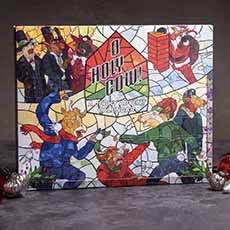
[1] The Jerky Advent Calendar features an O Holy Cow stained glass window with a cow Santa, cow carolers and a cow snowball fight (all photos © Man Crate).


[2] The whole shebang: the flavors of jerky inside the box.


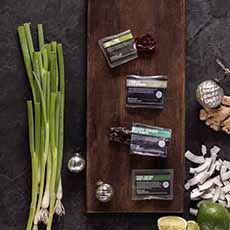
[3] A close-up on the packets of jerky and some of the ingredients used to flavor them.


Here’s a memorable gift for a beef jerky lover: a Jerky Advent Calendar with 25 flavors of jerky. But first:
 
 
WHAT’S AN ADVENT CALENDAR?

The Advent calendar dates to the beginning of the 19th century. A tradition begun by Lutherans in Germany, the first-known Advent calendar is from 1851. Its purpose: to count down the 24 days of December until Christmas.

Most Advent calendars begin on December 1, regardless of when Advent is celebrated in any particular year (it’s the fourth Sunday prior to Christmas, which can range from November 27th to December 3rd).

This means you need to get the gift now, so you can give it to the recipient before December 1st!

Advent, from the Latin word adventus, means “coming.” It’s a time of waiting and preparation for the celebration of the Nativity of Jesus, on Christmas Day.

An Advent calendar lets you mark the days with 24 closed windows, one to open each day.

Some Advent calendars are strictly religious in nature with a prayer or religious image. Others are secular. Children’s versions have pieces of candy or tiny toys affixed to a large cardboard.

The original versions were handmade. The first printed Advent calendar was published in 1908, and the now-familiar versions followed, with windows that opened out of the cardboard, revealing each day’s treat.

While a piece of candy, charm, mini toy or holiday-themed image (Santa, Rudolph) are the popular for kids, there are still inspirational versions. They can be basic or very elaborate.

In recent years there’s been a small trend to adult advent calendars, with bottles of beer, wine, fine chocolates, teas, and now…beef jerky.
 
 
JERKY ADVENT CALENDAR FROM MAN CRATES

In a fun stained glass motif with caroling and snowball-tossing cows, the Jerky Advent Calendar has 25 flavors of jerky, .5-ounce each.

In addition to Classic, the flavors include:

  • Herbs & Spices: Black Pepper, Garlic, Lemon Pepper, Sesame Ginger
  • Hot: Chili Lime, Ghost Pepper, Habanero, Orange Habanero, Root Beer Habanero, Sriracha
  • International: Cajun, General Tso, Teriyaki, Thai Satay
  • Sweet Notes: Birch Beer, Honey Bourbon, Root Beer, Sarsaparilla, Whiskey Maple
  •  
    Get yours at Mancrates.com.
     
     
    > THE HISTORY OF JERKY


    Comments off

    Easy Basic Nachos Recipe For National Nachos Day

    November 6th is National Nachos Day.

    Some nacho lovers we know have never made nachos at home.

    They’re so easy that today’s tip is a basic recipe for nachos.

    There are links to more nacho recipes below.

    > The History Of Nachos
     
     
    RECIPE: BASIC NACHOS

    Prep time is 15 minutes, cook time is 10-15 minutes.

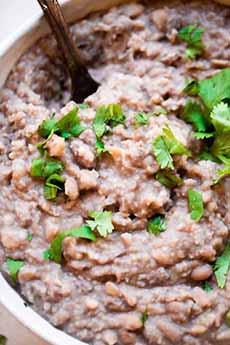
    Want to make your own refried beans? Here’s a recipe from Serena Herrera of House of Yumm.

    She says, “These are so easy and so so flavorful. You will never want to eat the canned refried beans again!”

    Ingredients For 6-8 Servings

  • 1 bag tortilla chips (12-16 ounces)
  • 10 ounces cheddar cheese, grated
  • 14 ounces refried black beans, heated (photo #2)
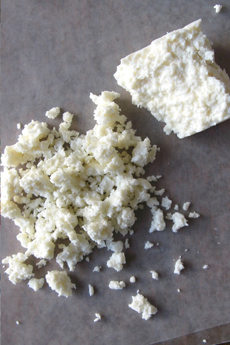
  • 4 ounces of queso fresco or cotija (photo #3), crumbled
  • 1 cup salsa
  • Garnish: handful of cilantro, chopped
  • Garnish:1 bunch scallions, greens and whites chopped
  • A few squeezes of lime
  •  
    Optional Garnishes

    While it isn’t “basic,” you can customize your nachos with:

  • Adobo sauce
  • Bean and corn salsa
  • Chili (bean, meat or combination)
  • Chopped parsley
  • Chopped gherkins
  • Diced avocado
  • Sliced jalapeños, fresh or pickled
  • Sliced olives
  • Shredded chicken or pork or crumbled ground beef (a great use for leftover hamburger)
  • Sour cream
  •  
    If you’re serving nachos to a group, place some of these garnishes in ramekins and let people customize their own.

    Preparation

    1. PREHEAT the oven to 375°F. Scoop the beans into a small pot and add a few tablespoons of water. Heat them through, over medium heat, then remove them from the stove.

    2. LINE a baking sheet with foil and lay out a layer of about half the chips. Spread about half of the beans on top of the chips and drizzle a few spoonfuls of salsa over the beans. Follow the salsa with about a third of the cheddar cheese, then add another layer of chips, beans, and the rest of the cheddar cheese.

    3. BAKE for about 10-15 minutes, until the cheese is fully melted and gooey. Sprinkle with the lime juice, then top with the scallions and cilantro and serve.
     

    MORE NACHOS RECIPES

  • Fusion Nachos
  • Irish Nachos
  • Potato Wedge Nachos
  • Toppings For International Nachos
  • Zucchini Nachos
  •  
    Plus

  • Nacho Stuffed Shells
  •  

    Nachos
    [1] No oven? Make them in the microwave (photo © Good Eggs).


    [2] It’s easy to cook up some homemade refried beans. Here’s the recipe (photo © House Of Yumm).

    Crumbled Cotija
    [3] Cotija is Mexico’s favorite cheese for crumbling. Here’s more about it (photo © Bakeoff Flunkie).


    Comments off

    HOLIDAY GIFT: Round Barn Winery Cream Liqueurs


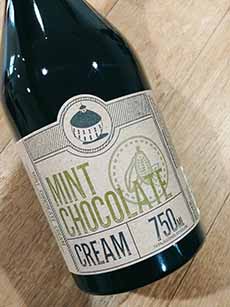
    [1] Irresistible to chocolate lovers: Mint Chocolate Cream Liqueur from Round Barn Winery (all photos © Round Barn Winery).


    [2] Black Walnut and Salted Caramel Cream Liqueurs.


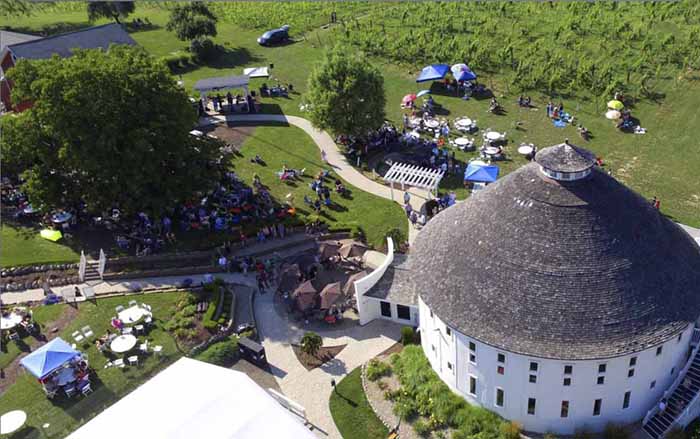
    Round Barn Estate in Baroda, Michigan began in 1997, when the Moersch family discovered a 1912 round barn in northern Indiana (photo #3, below), and envisioned it as a place to enter thirsty and leave happy.

    Today, the building is Round Barn Winery, Distillery and Brewery: a lovely home to the family’s handcrafted wines, spirits and beers.

    And what a contribution to the community: great drink, entertainment, beautiful grounds and event space.

    Today, our buzz is about the three cream liqueurs: Black Walnut Cream Liqueur, Mint Chocolate Cream and Salted Caramel Cream.

    We’re in love with Mint Chocolate, and the others are no slouches, either.

  • Mint Chocolate Cream Liqueur tastes like a chocolate shake with a hint of mint—and a hint of distilled spirits. If you need a gift for a lover of chocolate, we recommend it!
  • Black Walnut Cream Liqueur has a distinct black walnut flavor, which is stronger, earthier and more bitter than the English walnut*. There are notes of mocha, toffee and espresso.
  • Salted Caramel Cream Liqueur isn’t salty—we wish it were. The caramel is has nutty rather than butterscotchy tones, such that it’s not so dissimilar to Black Walnut. While we won’t stop you from buying both, we suggest one or the other.
  •  
    All the flavors are natural; there is some caramel color.
     
     
    HOW TO ENJOY ROUND BARN WINERY CREAM LIQUEURS

    Served it after dessert and/or coffee, or when you need a chocolate fix.

  • Serve it neat or on the rocks.
  • Make a cocktail with vodka—a Mint Black Russian or White Russian, perhaps?
  • Add it to hot chocolate.
  • Drizzle it over apple pie (Black Walnut or Salted Caramel), ice cream or other dessert.
  • Mix it with milk to make make adult chocolate milk
  •  
     
    GET YOUR CREAMY DELIGHTS

    Head to RoundBarn.com.


    [3] A lovely destination in Michigan: Round Barn Estate (photo © Round Barn).
     
     
    ________________

    *The everyday walnuts we consume in the U.S. are called English walnuts, from the taxonomic family Juglandaceae. Often called the ‘walnut family,’ it has 10 genuses and 50 species, which include the commercially important nut-producing walnut, pecan and hickory trees. The English/Persian walnut, Juglans regia, is one of the major nut crops of the world.

    The English walnut originally was called the Persian walnut, and was thought to have grown in the Hanging Gardens of Babylon (it is mentioned in the Code of Hammurabi). Through selective breeding, the Greeks enlarged the Persian walnut to the size of the walnuts we eat today.

    Over the years, the Persian walnut became English walnut after the English merchants who introduced the nuts across the globe. In the U.S. in the 18th century, Franciscan monks began growing English walnuts in what was then called Alta California. To create confusion, the English walnuts grown there were called California or Mission walnuts [source].

    The Eastern American Black Walnut, as it is formally known, is the genus/species Juglans nigra.


    Comments off


    © Copyright 2005-2026 Lifestyle Direct, Inc. All rights reserved. All images are copyrighted to their respective owners.