|
The Caribbean is home to rum, a distilled alcoholic beverage made from sugar cane. The clear distillate is then aged in oak barrels for various lengths of time, the process that creates the different types of rum.
Your acquaintance with rum may be via a Daiquiri, Hurricane, Mojito, Piña Colada or Rum and Coke (a.k.a. Cuba Libre).
But today, August 16th, is National Rum Day, the day to discover premium aged rum, hand-crafted and aged for years to produce the kind of complex spirit that is sipped and savored neat or on the rocks, like a fine Cognac.
So today’s tip is to stretch beyond your favorite, familiar rum drink and enjoy some fine aged rum—premium rum. You don’t have to buy a bottle: Simply meet a friend for a drink.
THE DIFFERENT TYPES OF RUM
There are different grades and variations of rum. Most rum is produced with molasses, but some use sugar cane juice instead. Some are lightly aged and used as cocktail mixers; some are aged for years and become premium rums—the “sipping” rums.
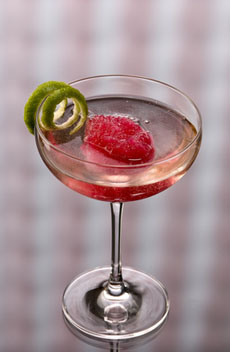
Cachaça. Cachaça is often called “Brazilian rum,” but the Brazilians take exception to that. They consider their national drink to stand in a category of its own. The actual difference between rum and cachaça, which taste very similar, is that rum is typically made from molasses, a by-product after the cane juice has been boiled to extract as much sugar crystal as possible. Cachaça is made from the fresh sugar cane juice (but so are some Caribbean rums, particularly from the French islands). Both are then fermented and distilled. The style is usually like that of light rum, but some cachaça brands are in a style similar to gold rums. And it has its own holiday: International Cachaça Day is June 12th (photo #1).
Light Rum or Silver Rum or White Rum. This is “entry-level rum,” offering alcohol and a little sweetness, but not much flavor. Light rums can have a very light color, or can be filtered after aging to be totally colorless. The milder flavor makes light rum popular for use in mixed drinks (photo #2).
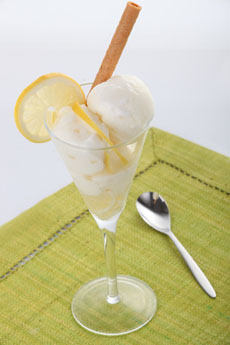
Gold Rum or Amber Rum. Medium-bodied rum, midway between light rum and dark rum, gold rum is typically aged in wooden barrels. Use it when you want more flavor than light rum provides (photo #3).
Dark Rum. The rums in this group are also called by their particular color: brown, black, or red rum. This category is a grade darker than gold rum, due to longer aging in heavily charred barrels. As a result, dark rum delivers stronger flavors, more richness, and a full body. There are strong molasses or caramel overtones. Dark rum is used to provide a deep flavor in cocktails and is typically used in baking and cooking—it’s the rum used in rum cake (photo #4).
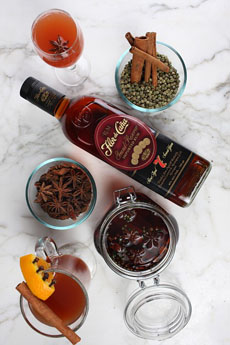
Spiced Rum. Spiced rum is infused with spices—aniseed, cinnamon, pepper and rosemary, for example—and botanicals such as orange peel. The better brands use gold rum and are darker in color, but cheaper brands made from inexpensive light rum will darken their products with caramel color (photo #5).
Want to make your own spiced rum? Here’s a recipe from Liquor.com.
Flavored Rum. This category of rum is infused with flavors of fruits, such as banana, citrus, coconut, lime, mango, orange, passion fruit, and starfruit. These rums are generally less than 40% ABV* (80 proof). They are mostly used to make cocktails, but are also enjoyable drunk neat or on the rocks.
Overproof Rum. For serious tipplers, these rums are much higher than the standard 40% ABV (80 proof). Many are as high as 75% ABV (150 proof) to 80% ABV (160 proof). Bacardi 151, for example, is 151 proof.
Premium Rum/Viejo Rum. This long-aged spirit is like Cognac and fine Scotch: meant for serious sipping (viejo means old, añejo means aged). The rum can be aged 7 years or more, and is produced by artisan distillers dedicated to craftsmanship. Premium rum has far more character and flavor than “mixing rum”—it’s a different experience entirely, enjoyed for its complex layering of flavors. The 18-year-old Centenario Gold from Flor de Cana is a wonderful sipping experience, but also is priced at $65 or so. You can find a nice 12-year-old in the $25 range.
OTHER WAYS TO ENJOY THE NATIONAL RUM DAY
How about:
A rum & Coke ice cream float: Add a shot of light rum to a glass of cola, and top with a scoop of vanilla ice cream (or rum raisin ice cream!).
A piece of rum cake, dense cake made with dark rum. Here’s a recipe if you’d like to bake your own.
FOOD TRIVIA: YO-HO-HO AND A BOTTLE OF RUM
This famous song, formally called “Dead Man’s Chest” is a fictional sea-song that originated in Robert Louis Stevenson’s 1883 novel, Treasure Island (1883). Stevenson only wrote the chorus:
Fifteen men on the dead man’s chest–
…Yo-ho-ho, and a bottle of rum!
Drink and the devil had done for the rest–
…Yo-ho-ho, and a bottle of rum!
The words were expanded into a poem, “Derelict,” by Young E. Allison, which was published in the Louisville Courier-Journal in 1891. Here’s the whole story.
________________
*ABV: Alcohol by volume. The “proof” is double the ABV.
|
|

[1] Cachaca, often called “Brazilian rum,” is the national spirit of Brazil (photo © Novo Fogo).

[2] White rum, also called silver rum and light rum (photo © Koloa Rum).
[3] As rum ages, it takes on amber colors (photo © Appleton Estate Rum).
[4] Dark rum has more molasses flavor, and is often sipped straight (photo © Myers’s Rum).
[5] Spiced rum is infused with spices (photo © Flor de Cana).
|