|

[1] Add lobster to your grilled cheese sandwich (photo© T-Fal).

[2] We used the claw meat in the sandwiches, but you can enjoy it separately (photo © Hancock Gourmet Lobster).
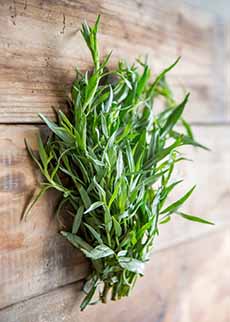
[3] Tarragon and lobster are a great pairing (photo © Good Eggs).
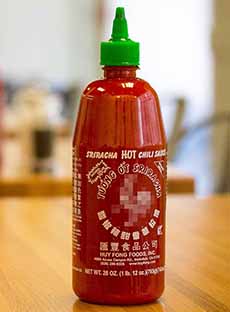
[4] Sriracha sauce is from Thailand, but this popular brand is made in California (photo © Steven Depolo | Wikipedia).
|
|
April is National Grilled Cheese Month and April 12th is National Grilled Cheese Day. So it’s time to get out the bread and cheese, and turn on the stove.
There are many wonderful grilled cheese recipes. But perhaps the most luxurious is lobster grilled cheese.
T-fal “commissioned” the sandwich recipe below from Iron Chef Marc Forgione to launch its Mini Grilled Cheese Griddle. It’s a small, handled griddle that cooks a single, perfect grilled cheese sandwich.
The small, non-stick pan heats up more quickly than larger pans; the flat griddle base ensures even heat distribution for perfect melting. It’s $5.29 at Amazon.com.
Of course, you can use whatever pan you have; but a flat griddle of any size is best for uniform heating.
Chef Forgione obviously likes heat; we don’t.
Unless you like things hot, we’re not sure about the extra sriracha sauce as a condiment on the side.
Lobster is so delicate; a sizzling palate won’t enjoy the lobster meat that much.
But try it and see for yourself.
Unlike American hot sauces such as Tabasco, which are vinegar sauces that are infused with hot chiles, sriracha is primarily puréed chiles. That makes it a much thicker sauce.
Here’s more about sriracha.
RECIPE: LOBSTER GRILLED CHEESE SANDWICH
Ingredients For 4 Whole Sandwiches
For the Chili Lobster
2 cups lobster stock (if you can’t find lobster stock at a fish store, get generic seafood stock)
4 one-and-one-half pound lobsters, claws removed (we used the claw meat as well as the tails)
¼ cup sriracha
2 tablespoons low-sodium soy sauce
Juice of 2 limes
6 ounces (12 tablespoons) unsalted butter, divided
4 tablespoons canola oil
Kosher salt
Freshly ground black pepper
2 tablespoons chopped fresh tarragon
8 slices of Gruyère or fontina cheese (we prefer truffle cheese)
4 slices Pullman Loaf or other high-quality thick sliced white bread, 1” thick (we used brioche)
Melted butter for brushing
Preparation
1. CUT the tails off the lobster bodies, and into 1-inch pieces while the tails are still in their shells
2. BRING the lobster stock to a simmer and add the sriracha, soy sauce and lime juice. Piece by piece, whisk in 6 tablespoons of butter until emulsified. Reduce the remaining sauce until it slightly thickens, about 2 minutes.
3. TOSS the lobster tail pieces in oil with salt and pepper and cook for 1-2 minutes or until cooked through. Place the lobster pieces in a bowl and transfer to the fridge until cooled. When the lobster pieces have cooled, pop the meat out of the tails and set aside.
4. TAKE two slices of bread per sandwich. Place one slice of cheese on top of the first slice, cover the cheese with some lobster meat, sprinkle ½ tablespoon of tarragon, cover with a second slice of cheese, and then top with the second piece of bread.
5. BRUSH the outer sides of each slice of bread with melted butter and season with salt. Grill the sandwich on the T-fal Mini Grilled Cheese Griddle and serve with an optional small bowl of sriracha sauce on the side.
|