THE NIBBLE BLOG: Products, Recipes & Trends In Specialty Foods


Also visit our main website, TheNibble.com.

RECIPE: Thai Shrimp Appetizer


Shrimp wrapped in pretty puff pastry. Photo
and recipe courtesy Campbell’s.
  We’ve been playing around with puff pastry this week, and are making these Thai Shrimp Spirals to go with the Champagne tonight. Marinated shrimp wrapped in tender puff pastry and served on skewers with a dip, they’re a fun and tasty food.

Prep time 30 minutes; total time 1 hour 40 minutes, which includes 40 minutes of thawing time. Suggested serving size: 2 pieces.

 
RECIPE: THAI SHRIMP SKEWERS WITH
HONEY SOY DIPPING SAUCE

Ingredients For 20 Pieces

  • 2 limes
  • 2 tablespoons minced fresh cilantro leaves
  • 2 cloves garlic, minced
  • 1 two-inch piece ginger root, peeled and minced (about 2 tablespoons)
  • 20 fresh or thawed frozen large shrimp, peeled, deveined and tails removed
  • 5 tablespoons low-sodium soy sauce
  • 1 egg
  • 2 tablespoons water
  • All-purpose flour
  • 1/2 of a 17.3-ounce package Pepperidge Farm Puff Pastry Sheets (1 sheet), thawed
  • 2 teaspoons honey
  • 1-1/2 teaspoons sesame oil
  •  
    Plus

  • 20 six-inch wood or metal skewers (presoak wood skewers)
  •  
    Preparation

    1. GRATE 2 teaspoons zest and squeeze about 1/4 cup juice from the limes. Stir the zest, juice, cilantro, garlic and ginger in a small bowl.

    2. PLACE the shrimp into a medium bowl. Add 1 tablespoon soy sauce and half the lime mixture and toss to coat. Cover and refrigerate for 10 minutes. Reserve the remaining lime mixture for the dipping sauce.

    3. HEAT the oven to 400°F. Beat the egg and 1 tablespoon water in a small bowl with a fork.

    4. SPRINKLE the flour on the work surface. Unfold the pastry sheet on the work surface and roll into a 10-inch square. Cut into 20 strips, about 1/2-inch wide.

    5. SKEWER each shrimp with a wooden skewer. Starting at the top, wrap 1 pastry strip around each shrimp, slightly overlapping the pastry and ending just before the tail.

    6. PLACE the skewered pastries onto 2 baking sheets. Brush the pastries with the egg mixture. Bake for 15 minutes or until the pastries are golden brown. Let the pastries cool on the baking sheets on wire racks for 5 minutes.

    7. BEAT the reserved lime mixture, remaining soy sauce and water, the honey and sesame oil in a small bowl with a fork or whisk. Serve with the pastries for dipping.


    Comments off

    TIP OF THE DAY: Recipes For Delicious Champagne Cocktails

    The easy way out is to uncork the Champagne, pour and serve. The fun way is to offer a menu of Champagne cocktails.

    When it comes to New Year’s Eve cocktails, we have a favorite: Champagne or other bubbly mixed with St. Germain Elderflower Liqueur, a French import made by a family-owned Parisian company. At about $30 a bottle, it’s one of our favorite gifts to fellow foodies.

    While “elderflower liqueur” may sound like something from another century (and it is), it is exquisite to modern palates as well.

  • It has a gorgeous lychee aroma aroma with flavor notes of grapefruit, orange, pear and peach.
  • It’s simply luscious by itself or mixed with white wine, including any white sparkling wine.
  •  
    Here’s our review.
     
     
    RECIPES FOR A CHAMPAGNE COCKTAILS MENU

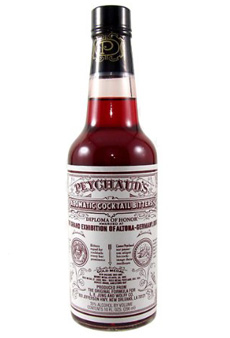
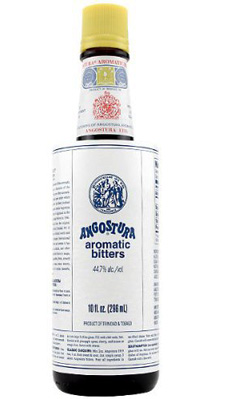
  • Classic Champagne Cocktail: Sprinkle a few drops of bitters onto a sugar cube; let them soak in. Drop the cube into a flute with a splash of Cognac. Top with Champagne.
  • Ginger Champagne Cocktail: Add ginger liqueur to a Champagne glass, top with Champagne and garnish with a piece of crystallized ginger.
  • Grapefruit Mimosa: The classic Mimosa with orange juice is too much of a brunch standard to be special for New Year’s Eve. But a Grapefruit Mimosa isn’t something you come across often. Here’s a recipe; garnish with candied grapefruit peel.
  • Kir Royale: A Kir Royale mixes sparkling wine with crème de cassis (blackcurrant liqueur). Add the liqueur to a Champagne glass and then pour the wine down the side. Chambord (black raspberry liqueur) is equally delicious (just don’t call it a Kir Royale). Optional garnish: a fresh blackberry.
  • Champagne Lemon Drop: Make lemon simple syrup by stirring equal parts of sugar and water over medium heat until dissolved. Juice three lemons; cut the peel into garnishes. Combine champagne, 1/2 to 1 ounce vodka, 1/2 to 1 teaspoon each simple syrup and lemon juice; garnish with peel.
  •  

    [1] The classic Champagne cocktail (photo © Chambre de Sucre).


    [2] St. Germain liqueur: a perfect pairing with Champagne and other bubbly (photo © St. Germain | Paris).


    RECIPE: CHAMPAGNE PUNCH

    Champagne punch is another special way to usher in the New Year. The trick is to keep the ingredients as cold as possible before mixing the punch, so you don’t need to use a lot of ice, which dilutes it.

    This recipe is from the Hyatt Regency New Orleans: It combines our favorite Champagne-St. Germain cocktail with a vodka kick. It’s called “garden” Champagne punch because of the aromatic herbs used as garnish. It’s lovely at any time of year and the pretty herb garnish is an eye-opener.
     
     
    RECIPE: GARDEN CHAMPAGNE PUNCH

    Ingredients For Pitcher Or Punch Bowl

  • 9 ounces vodka
  • 2 ounces St. Germain elderflower liqueur
  • 2 ounces simple syrup (recipe)
  • 1 bottle chilled Champagne or sparkling wine
  • 3-1/2 ounces fresh squeezed lime juice
  • Garnish: basil, cilantro, cucumber, mint, rosemary, thyme
  •  
    Plus

  • Punch bowl or pitcher
  • Ice cubes*
  •  
    Preparation

    1. COMBINE vodka, St. Germain, simple syrup and lime juice in a punch bowl or pitcher combine. Chill until ready to use. Prior to serving…

    2. ADD Champagne to the mixture and pour over ice; garnish and serve.
     
    Variations

    If you can’t get a bottle of St. Germain, substitute orange liqueur (Cointreau, Grand Marnier, etc.) or other fruit liqueur, and add some orange slices or other corresponding fruit to the herb garnish.

    If you have lychee liqueur, use that with a garnish of herbs, oranges and lychees (available canned in the Asian foods aisle; fresh lychees are in season from spring through early fall).
     
    _______________

    *The larger the ice cubes the slower they melt. One option is to freeze a block of ice in a small loaf pan or other container. You can add fruit and/or herbs to decorate the ice.


    CHECK OUT WHAT’S HAPPENING ON OUR HOME PAGE, THENIBBLE.COM.


    Comments off

    TIP OF THE DAY: Champagne Recorker (Resealer)

    We’ve been using this indispensable gadget since it first entered our consciousness, back in our college days. Yet, when we use it in front of guests, most look on with amazement—they’ve never seen a Champagne resealer before.

    So today’s tip is: Get one if you enjoy a bottle of bubbly. They’re less than $10 in chrome, and we received a plastic version as a freebie from [yellowtail] that works just as well.

    For the price, it’s painless to include one when you give a gift of Champagne or other bubbly. They’re also a nice touch as wedding or anniversary party favors.

    We proceed in a moment, but first:

    > The history of the Champagne resealer/recorker follows.

    > The history of Champagne.

    > There’s also a brief history of Champagne below.

    > Also below, the year’s 9+ Champagne and other bubbly holidays.
     
     
    Elsewhere on The Nibble:

    > The different types of Champagne.

    > Eight affordable alternatives to Champagne.
     
     
    HOW IT WORKS

    A Champagne resealer (also called a recorker or a stopper) creates a tight seal at the mouth of the bottle, so the bubbles stay in. In the one we use (photos #1 and #2) rubber or silicone seal under the chrome cap fits the mouth of the bottle, and the two “wings” clamp down to create the seal.

    It works like a dream, and we wondered why it wasn’t created centuries before—until we explored the history of sealing Champagne bottles, below. (Champagne has been around since the early 1700s, and rubber has been manufactured since around 1820.)

    We use this marvelous device:

  • To keep the fizz in the bottle in-between pourings.
  • If we want just a glass or two but not the whole bottle.
  • If we need just a cup or so for a recipe.
  • If we have “leftovers” at the end of the evening.
  •  
    You can buy a Champagne recorker wherever kitchen gadgets are sold; and depending on your state of residence, maybe in the store where you purchase the bubbly.

    The Champagne recorker keeps the wine fizzy for several days. The fuller the bottle, the fizzier it stays (i.e., if there’s only an inch or two of wine at the bottom of the bottle, there’s a lot of air into which the effervescence can evaporate).

    We just finished a bottle that was opened six weeks ago to taste just half a glass—and it was “like new.”
     
     
    THE HISTORY OF SEALING CHAMPAGNE BOTTLES

    The Champagne recorker evolved from early efforts to seal bottles of bubbly. When champagne was first produced, the pressure of the sparkling wine was maintained by wooden plugs sealed with oil-soaked hemp cloth and wax—an ineffective way to consistently prevent leakage or blowing out of the stopper.

    The next step was cone-shaped corks secured with twine and wax. Around 1670 Dom Pierre Pérignon came up with the idea of using cork, but it took years to catch on. It wasn’t easy to get cork, which comes from the bark of the cork oak, which grows in the Mediterranean [source].

    Cork bark had been used as a bottle stopper in Roman times—it has been dated to the sixth century B.C.E. in Tuscany but its use was discontinued during the Dark Ages [source].

    Cork became popular again around the end of the 16th century [source], and by 1680 its use was “far from uncommon” not just for wine but also for other alcoholic drinks [source].

    Exploding corks remained a problem. Hand-squeezing corks into bottles, tying them with twine, and sealing them with wax was a dangerous task for cellar workers. Here’s more about the process.

    After workers began to lose eyes in explosions, Champagne earned the nickname “the devil’s wine.” Workers began to wear wire-and-gauze masks [source].

    In 1844, Adolphe Jacquesson of the Champagne house Jacquesson & Fils received a patent for a metal wire cage/hood (muselet) to secure corks. He also received a patent for a metal disk (the plaque), placed between the cork and wire to distribute pressure.

    These two items prevented leaks and made the cork stopper more secure. Better sealing solutions developed over time to manage the intense pressure within the bottle.

    For almost 300 years, from the end of the 17th century until the 1980s, wine in glass bottles was invariably sealed with cork. In the 1980s, the increased use of cork and the nine years required for a tree toe grow a new batch led to the use of plastic stoppers, especially for inexpensive wines not meant to be aged. The late 1990s saw screw caps.

    But the Champagne cork, placque, and cage remained status quo. Refined production techniques made it a safe option.

    But unlike still wines, once the cork came out of the bottle, it expanded to a mushroom shape and could not be squeezed back in.

    So what to do with an open bottle that still contains a lot of bubbly?
     
     
    Thank Goodness For The The Champagne Resealer (Recorker)

    Also called a wing-style or lever-style stopper, the resealer as we know it today——chrome-plated steel with two wings or levers—became a must-have in the mid-20th century.

    When the levers are pushed down over the opening of the bottle, they hook under the collar at the top of the neck. This creates a downward force that compresses a silicone or rubber plug into the neck.

    The dual-wing lever stopper was introduced to the consumer market in the late 1950s and early 1960s, created in response to the postwar “cocktail culture” boom.

    The wing design was an adaptation of the “winged corkscrew,” a double-lever wine corkscrew patented by Dominick Rosati, an Italian bartender living in Chicago, in 1930. It was targeted to bartenders and other professionals.

    In 1942, in the metalworking hub of Lumezzane, Italy, Giuseppe Pedrini, a master metal caster, introduced his version of the double-lever corkscrew. Lighter and more compact than Rosati’s, and ergonomic, it was an easy home version that is the worldwide standard (photo #6).

    By the early 1960s, these stoppers began appearing in upscale department stores and barware catalogs.

    The 1980s saw a massive spike in the global consumption of sparkling wine, with no need to wait for a special occasion: affordable Cava and Prosecco and Cava became everyday drinks.

    Manufacturers realized that the same double-lever physics used to pull a cork out of the bottle (photo #6) could be reversed to lock a stopper in.

    The item became a staple in upscale shops like Williams-Sonoma and The Sharper Image.


    [1] A Champagne resealer/recorker keeps it sparkling. Inventors realized that the same double-lever physics used to pull a cork out (photo #6) could be reversed to lock a stopper in (photo © The Wine Enthusiast).

    Champagne Bottle Resealer
    [2] It’s easy to open and close the levers (photo © Webstaurant Store).

    Champagne Bottle Resealer
    [3] Between pours, keep the stopper on, and the bubbles in (photo © Williams Sonoma).

    Champagne Bottle Resealer
    [4] This style is called a press-on sealer (photo © Champagne Bureau | Facebook).

    Rabbit Champagne Bottle Resealer
    [5] Rabbit Champagne and Wine Sealer (photo © Rabbit Wine | Lifestyle Brands).

    Winged Corkscrew
    [6] The winged corkscrew was invented in 1930 to remove the cork from the bottle. The Champagne resealer applied levers in reverse to seal the bottle (photo © Vacuvin).

    Le Creuset Champagne Stopper
    [7] Le Creuset’s take on a Champagne stopper (photo © Williams Sonoma).

     
    A bit of science: The Champagne resealer utilizes Pascal’s Law.

  • The internal pressure of the bubbles pushes up against the bottom of the rubber/silicone seal, forcing it to expand outward against the glass walls.
  • The wings simply hold the “lid” on so that the pressure works for the seal rather than against it.
  •  
    Since then, different designs have appeared on the market, from plastic push-on stoppers to strange shapes born of the mind of engineers. We’ve tried everyone that crossed our path, and like the two metal levers (photo #1) best.
     
    4 Bottles Of Champagne
    [8] Great with any bubbly (photo © Owo | Amazon).
     
     
    A BRIEF HISTORY OF MODERN CHAMPAGNE

    According to Wikipedia, the Champenois (residents of the Champagne region of France) and other French who bought the wine drank it as a still wine (it’s made from Chardonnay and Pinot Noir grapes). Bubbles were considered a defect. They are the result of a secondary a fermentation process which takes place in the bottle, as yeast devour the grape sugar and create carbon dioxide.

    But the British—major customers for the wines of France—developed a taste for the unique bubbly wine, and the sparkling version of Champagne continued to grow in popularity, especially among the wealthy and royal (as opposed to the locals). More Champenois wine makers attempted to make their wines sparkle deliberately, but didn’t know enough about how to control the process or how to make wine bottles strong enough to withstand the pressure.

    In the 19th century these obstacles were overcome. Advances by the house of Veuve Clicquot in the development of the méthode champenoise made production of sparkling wine profitable on a large scale, and the modern Champagne wine industry was born. The house of Bollinger was established in 1829, Krug was in 1843 and Pommery in 1858.
     
     
    THE YEAR’S 10+ CHAMPAGNE & OTHER BUBBLY HOLIDAYS

  • January 10: Champagne And French Fries Day
  • May 16: National Mimosa Day
  • June, 1st Saturday: National Bubbly Day
  • June, 2nd Week: National Prosecco Week
  • July, 1st Week: Sparkling Wine Week
  • July 3: American Sparkling Wine Day
  • July 12: International Cava Day
  • August 13: National Prosecco Day
  • October 22nd: Austrian Sekt Day October, Fourth Friday: National Champagne Day*
  • December 14: International Cava Day
  • December 31: National Screwdriver Day
  •  
    Plus:

  • Last Saturday in February: Open That Bottle Night
  • May 25th: National Wine Day
  • August 4th: National White Wine Day
  •  
    Plus 3 Rosé Holidays To Enjoy Rosé Champagne

  • February 5th: National Rosé Day in Australia and New Zealand†
  • June, 2nd Saturday: National Rosé Day†
  • June, 4th Friday: International Rosé Day†
  • ________________
     
    *There are two Champagne Days. The first, celebrated on the fourth Friday of October, was created in 2009 by Chris Oggenfuss, a California wine educator. The second, on New Year’s Eve, grew organically.

    There are three rosé holidays. The second Saturday in June holiday was founded in 2014 by Bodvár House of Rosés, a Swedish brand, as a U.S.-focused promotional holiday. The fourth Friday in June, International Rosé Day, was established in 2018 by the Provence wine region in France, which is essentially the global home of rosé. February 5th is a Southern‑Hemisphere National Rosé Day timed for their summer season.


    CHECK OUT WHAT’S HAPPENING ON OUR HOME PAGE, THENIBBLE.COM.


    Comments off

    RECIPE: Mini Champagne Cupcakes


    Mini champagne cupcakes. Photo courtesy
    Golden Blossom Honey.
      If you celebrate the New Year with champagne or other bubbly, how about some champagne mini cupcake to take a sweet bite of the new year?

    This recipe is from Golden Blossom Honey, a fourth generation family company whose honey is 100% American-made (not cheap Chinese imports). Their signature proprietary blend combines honey from three different flowers: clover, orange blossom and sage buckwheat*.

    RECIPE: MINI CHAMPAGNE CUPCAKES

    Ingredients For 72-74 Mini Cupcakes

    For The Cupcakes

  • 2-1/3 cups all-purpose flour
  • 2-1/2 teaspoons baking powder
  • 1/2 teaspoon salt
  • 3/4 cup butter, softened butter
  • 1/2 cup granulated sugar
  • 3 eggs
  • 1 cup honey
  • 1/2 orange juice
  • 3/4 cup champagne
  • 1 teaspoon grated orange zest
  •  

    For The Frosting

  • 6 cups powdered sugar
  • 1/2 cup butter softened
  • 3 tablespoons champagne
  • 6 tablespoons pulp free orange juice
  • 3 tablespoons grated orange zest
  • Garnish: gold or silver sanding sugar, edible glitter (especially these gold stars and silver stars), gold or silver dragées
  •  
    Plus

  • Mini cupcake/muffin tin and papers
  •  

    Preparation

    1. PREHEAT oven to 350°F. In a medium bowl mix flour, baking powder and salt.

    2. BEAT butter in a separate bowl on medium speed; gradually add sugar. Add eggs one at a time, then add honey, orange juice and champagne. Gradually add the mixed dry ingredients. Once combined, fold in orange zest.


    Delicious bubbly for less than $10 a bottle. Photo courtesy Martini & Rossi.

     
    3. LINE mini-cupcake tins with paper cups and pour batter evenly into each. Bake for 20-25 minutes or until golden brown.

    4. MAKE the frosting. In a large bowl whip powdered sugar, butter, champagne, orange juice, and orange zest on medium speed. Spread onto cupcakes and sprinkle with colored sugar, edible glitter or dragées.

    WHAT CHAMPAGNE SHOULD YOU USE?

    You can use any champagne you like. The champagne is more of a “romantic” ingredient in the recipe; the cupcakes won’t taste like Dom Perignon (about $200), Roderer Cristal (about $250) or even the “bargain”-priced Veuve Clicquot Non Vintage Brut Yellow Label (about $45).

    A $20 bottle will do, and a sparkling wine that isn’t from France will do. We enjoy two California sparklers made by great French champagne houses: Roederer Estate Brut, Anderson Valley and Mumm Napa Brut Prestige both about $20. Yellow Tail Rosé from Australia is just $8 and and Martini Asti Rosé from Italy is about $15 (and you can find it in splits); they work great in this recipe.

     
    *Varietal honey comes from the particular flower named on the label: alfalfa, clover, orange blossom, etc. We know buckwheat honey and sage honey, from two different plants; but we’d never heard of a combined “buckwheat sage honey.” So we wrote to the National Honey Board and got this response from a representative:

    “While I’ve never heard of “sage buckwheat” honey, it’s possible that the bees could be visiting both sage blossoms and buckwheat blossoms, gathering the nectar and bringing that back to the hive. This would result in a cross between the two floral sources and thus, a mixture in the honey. Honeybees travel in a five mile radius, so if both plants were growing the that five mile area, then I’m assuming it could be possible.

    “I took a look at where each plant primarily is found. Buckwheat plants grow best in cool, moist climates. The buckwheat plant prefers light and well-drained soils, although it can thrive in highly acid, low fertility soils as well. Sage honey can come from many different species of the sage plant. Sage shrubs usually grow along the California coast and in the Sierra Nevada Mountains. So again, it could be entirely possible that they blend these honey’s together to get their ‘signature’ honey.”
      

    Comments off

    FOOD FUN: Bear In A Blanket


    Who can resist this edible bear? Photo
    courtesy LittleInspiration.com.
      We love this brown rice bear in an omelet blanket. What a fun dinner idea for this quiet week, along with a colorful side salad. Have the kids help make it!

    Bear in a Blanket was created by Angie Ramirez of LittleInspiration.com, who shares yummy food, easy DIY crafts, adventures of motherhood and everything in between on her blog.

    The recipe takes only 20 minutes of prep time, 50 minutes of cook time.

    RECIPE: BEAR IN A BLANKET

    Ingredients For One Bear & Blanket

  • 1 cup brown rice
  • 2 scrambled eggs (for the blanket)
  • Small, thin slices of cheese (for the ears and nose)
  • Small, thin slices of black olive (for the eyes and nose)
  •  

    Preparation

    1. COOK brown rice on stove top as directed on package, or about 45-50 minutes.

    2. SCRAMBLE eggs with a pinch of salt over medium/high temperature in a lightly buttered skillet pan.

    3. ASSEMBLE the bear in a blanket: Place about 1/2 cup of rice in the middle of the plate to form the bear’s body. Then scoop a medium size ball of rice to form the head. To form the bear’s ears, use a small amount of rice by shaping it like a half circle. Place the omelet on top of the bear’s body to form the blanket. Attach the olive and cheese slivers to form his ears, nose and eyes.

    Serve to happy diners!


    Comments off

    The Nibble Webzine Of Food Adventures
    RSS
    Follow by Email


    © Copyright 2005-2026 Lifestyle Direct, Inc. All rights reserved. All images are copyrighted to their respective owners.