THE NIBBLE BLOG: Products, Recipes & Trends In Specialty Foods


Also visit our main website, TheNibble.com.

Carrot Pot Roast Recipe, A Hearty Vegan Main Or Side Dish

If you mention “pot roast” in the U.S., many people think of a hearty comfort food made by slow cooking a tough cut of beef in moist heat—chuck steak, short ribs, rump roast, and others. So what’s a carrot pot roast?

It’s a vegan alternative to beef pot roast, that can made the same way: on the stove top in a Dutch oven or pressure pressure cooker, in a slow cooker, or in the oven.

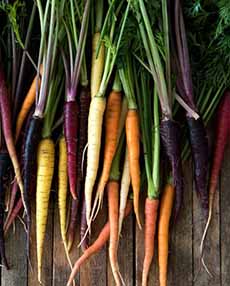
> The history of carrots. They were originally white, not orange (see photo #2).

> A year of carrot-related holidays is below.

> The history of pot roast is below.

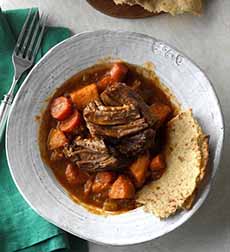
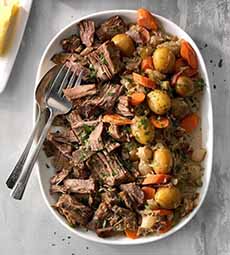
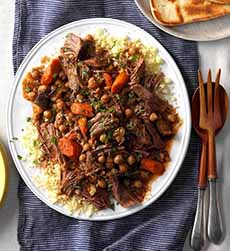
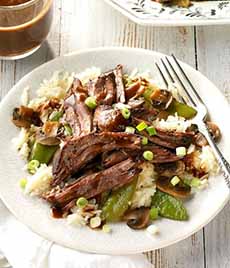
> Check out these 15 beef pot roast recipes. They have spice accents ranging from Asian to Bavarian to Caribbean to Mediterranean and beyond (photos #6, #7, #8, #9).
 
 
RECIPE: CARROT POT ROAST

This is true comfort food, in addition to more healthful than beef and highly aromatic dinner.

The recipe is by Chef Jamie Simpson, Executive Chef Liaison at The Culinary Vegetable Institute. It’s excerpted from The Chef’s Garden: A Modern Guide to Common and Unusual Vegetables.

To achieve the right richness of texture and flavor, it’s essential to make the demi-glace in Step 8. See footnote†.

You can make it a week in advance or even earlier, as it freezes well.

> Gift idea: The Chef’s Garden grows the finest vegetables for top chefs. You can send someone a gift box. “>Take a look.
 
Ingredients For 4 Main Course Servings

  • 12 carrots, 2 ounces (60 g) each, tops removed, scrubbed
  • 1 tablespoon (15 g) salt
  • 2 tablespoons (15 g) all-purpose flour
  • Vegetable oil
  • 3 ounces (90 g) pearl onions, peeled
  • 4 garlic cloves, halved
  • 24 petite potatoes
  • 1 leek, 2 ounces (60 g), white part only, thinly sliced (save greens for stock)
  • 1 cup (240 ml) dry red wine, such as Cabernet Sauvignon
  • 8 sprigs fresh thyme
  • 12 black peppercorns
  • 2 tablespoons (30 g) unsalted butter (substitute vegan butter)
  • 1 cup (240 ml) roasted vegetable demi glace (here’s the recipe)
  • Optional garnish: snipped fresh herbs (thyme, rosemary, sage) or microgreens
  • Starch for serving: rice, noodles, even a veggie mash—cauliflower, potatoes, etc.); crusty bread
  •  
    Preparation

    1. PREHEAT the oven to 375°F. If you have an exhaust vent, turn it on.

    2. TOSS toss the carrots in a large bowl with the salt and flour.

    3. HEAT a thin coating of vegetable oil in a large skillet until very hot. Add the carrots to the skillet and cook over high heat, turning occasionally, until they are deeply browned all over and even black in spots, about 15 minutes. Transfer the carrots to an ovenproof braising pan, about 10 inches in diameter.

    4. REDUCE the heat under the skillet to medium high and add more oil if needed. Add the pearl onions and garlic, and cook until deeply browned and black in spots, 2 to 3 minutes. Transfer to the braising pan. With the heat still on medium high…

    5. ADD the potatoes to the skillet and cook until charred, about 12 minutes. Transfer to the braising pan.

    6. ADD the leek to the skillet and also cook until charred, about 3½ minutes. Transfer the leek to the braising pan.

    7. ADD the wine to the skillet and cook, scraping up any browned and black bits from the bottom. Add the thyme and peppercorns, bring to a boil, and cook over medium-high heat until reduced by half, about 3 minutes.

    8. TRANSFER the reduced wine to the braising pan. Add the demi-glace to the braising pan, then transfer the pan, uncovered, to the oven. Cook until the carrots are fork-tender, about 45 minutes. Let cool slightly. Remove and discard the thyme and peppercorns. While the oven is still hot…

    9. HEAT four dinner plates. Use a slotted spoon to divide the vegetables among the plates. Set the pan over medium-high heat on the stovetop. When the liquid is just barely simmering, add the butter, slowly, whisking until melted. Spoon the liquid over the vegetables and serve.
     
     
    THE HISTORY OF POT ROAST

    Pot roast originated as a peasant dish in Europe. It was prepared by the slow cooking technique known as braising—a way for less affluent people to cook cheaper, tougher cuts of meat.

    Different regions developed their own versions of what we know as American pot roast. For example:

  • French Boeuf à la Mode: Beef braised in stock and wine with carrots, onions, and herbs.
  • French Pot-Au-Feu: A classic French stew made with beef, vegetables, and spices.
  • French Beef Daube* Provençal: A stew that’s similar to pot roast, but typically made with a combination of beef cuts like chuck and short rib.
  • German Sauerbraten: a sweet and sour flavor profile, marinated in vinegar and/or red wine.
  • Italian Stracotto: A rich and tender beef stew from Italy, often flavored with wine and tomatoes.
  • Jewish Brisket: Brought to the U.S. by Ashkenazi Jewish immigrants from Hungary, Austria, and Russia.
  •  
    The cooking method is more important than the recipe, since spices and liquids can vary.

    The recipe begins by browning a cut of beef in fat; this step improves the flavor. The other ingredients (liquid, vegetables) are combined and then cooked low and slow in a covered dish.

    While the toughness of their fibers makes some cuts of meat unsuitable for oven roasting, slow cooking for hours tenderizes them. The result is tender, succulent meat and a rich liquid that can be enjoyed as is or easily turned into a thicker gravy.

    The term “pot roast” began appearing in American cookbooks in the late 19th century [source].

    The less costly meat plus a recipe that is easy to prepare has made pot roast a popular dish.

    In the U.S., a variation called Yankee pot roast‡, a New England specialty that originated in the 19th century.

    A more recent creation from the American South, Mississippi Pot Roast‡‡ is made with chuck, ranch dressing mix, and a jar of pepperoncini chile peppers.

    Ah, evolution!
     
     
    CARROT HOLIDAYS & RELATED CELEBRATIONS

  • January: National Soup Month
  • January: Veganuary
  • February: Vegan Cuisine Month
  • February 3: National Carrot Cake Day
  • March: Veggie Month
  • March 7: Plant Power Day
  • March or April: Easter
  • April 4: International Carrot Day
  • April 30: Bugs Bunny Day
  • May, Third Week: National Vegetarian Week
  • June: National Fresh Fruits and Vegetables Month
  • June 9: Eat Flexitarian Day
  • June 16: Fresh Veggies Day
  • June 17: National Eat Your Vegetables Day
  • July 4: Independence From Meat Day
  • September, Fourth Friday: Hug A Vegetarian Day
  • September, Fourth Saturday: International Rabbit Day
  • October: Vegetarian Month
  • October 1: World Vegetarian Day
  • October 2: National Produce Misting Day
  • October 10: World Plant-Based Burger Day
  • November: National Roasting Month
  • November: World Vegan Month
  • November 1: World Vegan Day
  • December: Root Vegetables & Exotic Fruit Month
  •  


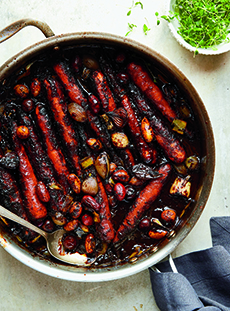
    A Pot Of Carrot Pot Roast
    [1] A hearty, luscious, vegan carrot pot roast (photos #1 and #2 and recipe © Farmer Jones Farm® At The Chef’s Garden).

    Carrots In Different Colors
    [2] Over the millennia, the original carrots, which were white, mutated into other colors.

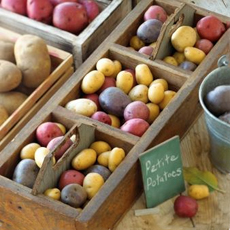
    Petite Potatoes In Pint Boxes
    [3] The recipe uses petite potatoes (also called baby or creamer potatoes), which are bite-sized versions of larger potato varieties. They can be bred to be small from any type of potato; they are mature potatoes (photo © Potato Goodness).

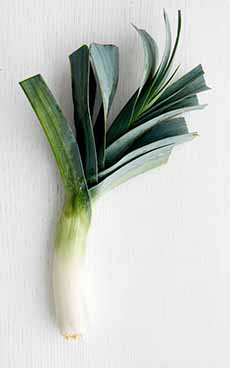
    A large leek
    [4] A leek adds complexity of flavor and aromatics (photo © Good Eggs).

    A Glass Of Red Wine
    [5] Add a cup of red wine to the carrot stew pot, and drink the rest of the bottle with the dish (photo © Tribella).

    A Dish Of Pot Roast
    [6] A pot roast with Caribbean flavors, including sweet potatoes, orange zest and baking cocoa. Here’s the recipe (photos #6, #7, #8, #9 © Taste Of Home).

    A Platter Of Pot Roast With Carrots & Potatoes
    [7] This German-accented pot roast includes sauerkraut, German mustard, chopped dill pickles, and sour cream. Here’s the recipe.

    A Plate Of Pot Roast With Carrots & Rice
    [8] Accents in this Moroccan-inspired pot roast include garbanzo beans, eggplant, honey and mint. Here’s the recipe.

    Asian Pot Roast Recipe With Black Bean Sauce
    [9] This Asian version is made with snow peas, scallions, and black bean sauce, and is served with rice. Here’s the recipe.

     
    ________________
     
    *Daube is the French word for stew. The specoa; pot in which it’s cooked, a daubière, reduces evaporation to keep the beef moist.

    †Demi-glace can be frozen for up to six months. You can freeze it in ice cube trays and transfer the cubes to freezer bags. Add a cube of demi-glace to any sauce or stock for an extra flavor boost.

    ‡Yankee pot roast ingredients Common ingredients include beef chuck roast, carrots, celery, onions, and red wine (or apple juice/cider). Other vegetables that can be added include, mushrooms, parsnips, rutabaga, and turnips.

    ‡‡Mississippi Pot Roast: Robin Chapman, a home cook from Ripley, Mississippi, created the recipe in the 1990s, adapting her aunt’s pot roast recipe.


    CHECK OUT WHAT’S HAPPENING ON OUR HOME PAGE, THENIBBLE.COM.


    Comments off

    Pechuga Mezcal: A Perfect Spirit For Thanksgiving (And Beyond)

    A bottle of Convite Pechuga Mezcal
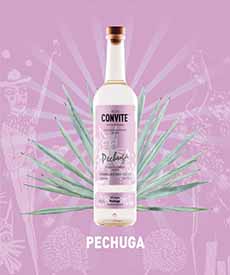
    [1] Bring a bottle of Pechuga Convite to Thanksgiving dinner (photos #1, #2, #3, #4, #5, #6, #7 © Convite Mezcal).

    A bottle of Convite Pechuga Mezcal
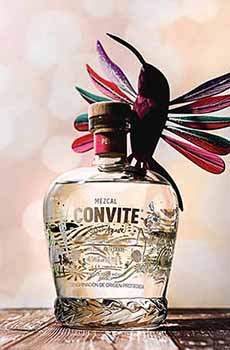
    [2] This bottle style, fancifully styled with a turkey (a stylist’s prop), is reserved for Convite’s Wild Agave expressions, each highlighting a different agave variety.

    Convite Pechuga Silver Medal
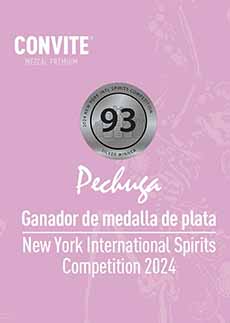
    [3] Pechuga Convite was awarded a silver in this year’s New York International Spirits Competition).

    Agave Field For Mezcal
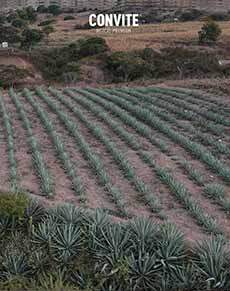
    [4] A cultivated field of Espadin maguey‡‡‡‡ (agave).

    Mezcal pinas at the distillery
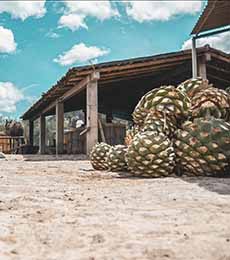
    [5] Look at the size of those hearts!

    Pinas Harvested For Mezcal
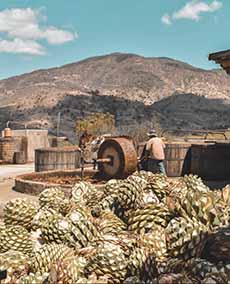
    [6] The roasted hearts are crushed on a stone wheel, pulled by man-led donkey.

    Large Wood Mezcal Fermentation Vats
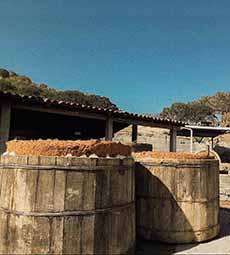
    [7] The crushed leaves are then fermented in large wooden vats. The sugars in the maguey (agave) fibers are transformed into alcohol with the help of yeasts.

    A bottle of Five Spice Duck Pechuga From Erstwhile Mezcal
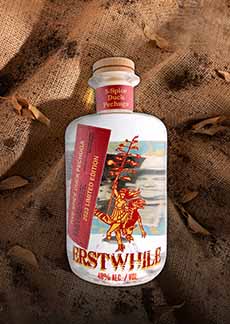
    [8] The world’s first duck pechuga, Five-Spice Duck Pechuga from Erstwhile (photos #8 and #9 © Erstwhile Mezcal).

    Ducks Used In Five Spice Duck Pechuga
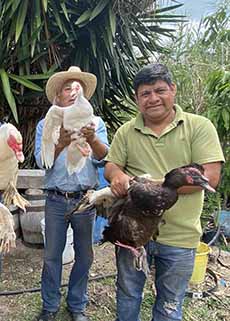
    [9] Local ducks used by Erstwhile Mezcal for their limited-edition Five-Spice Duck Pechuga.

    Veladora Glass For Mezcal
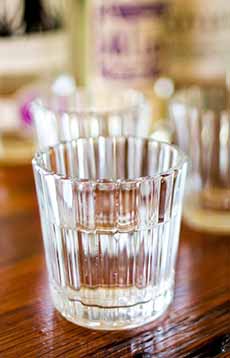
    [10] You can use any spirits glass or snifter to enjoy mezcal, but the traditional glass is the veladora, with a wide mouth, circular base, and ribbed outer surface. You can find them on Amazon (photos #10 and #11 © Pinyas).

    Veladora Glass For Mezcal
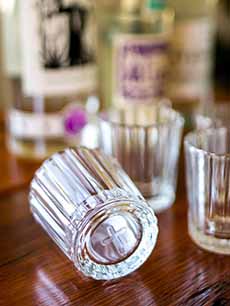
    [11] A cross marks the bottom of each vaso veladora, because the cups’ original purpose was as candle holders in Catholic churches across Mexico. Centuries ago, the glasses were repurposed for drinking mezcal.


    When it rains it pours…delicious distilled spirits from Mexico. We recently had the pleasure of tasting our first sotol, a little-known spirit distilled not from agave, but from the Desert Spoon plant.

    We follow it this week with a chaser of pechuga de mezcal, a celebratory version of mezcal made for special occasions.

    It’s a more rare yet traditional version of mezcal that’s just right for Thanksgiving. It’s our Top Pick Of The Week.

    Why? Because pechuga de mezcal gets its name from its unique distillation process, which adds a raw chicken or turkey breast to the distillation. The word “pechuga” means “breast” in Spanish. And as long as we’re on the topic:

  • The word mezcal comes from metl or mexcalmetl, the prehispanic language (Nahuatl, a.k.a. Aztec) word for agave.
  • In Oaxaca, the land of mezcal, the word maguey (MA-gay) is commonly used instead of agave.
  •  
    A premium product, pechuga de mezcal production involves suspending raw chicken or turkey breast inside the still during the second or third distillation. Check out the distillation process below.
     
    Read on to discover why, where, and how to get a bottle for Thanksgiving dinner, not to mention holiday gifts for mezcal and tequila lovers.

    Below:

    > The history of mezcal de pechuga.

    > Convite pechuga production and tasting notes.

    Elsewhere on The Nibble:

    > The difference between tequila and mezcal.

    > The history of mezcal.

    > The history of tequila.

    > The history of sotol.

    > Other Mexican distilled spirits.

    > The year’s 100+ cocktail and spirit holidays.
     
     
    THE HISTORY OF MEZCAL DE PECHUGA

    The history of pechuga mezcal is not particularly old, but it is not well documented. The spirit emerged in the 19th century in the small mezcal-making distilleries (palenques) that dot the state of Oaxaca, Mexico.

    In those days, the mezcaleros (mezcal-making families) passed down the recipe orally, from generation to generation.

    This makes makes it difficult to trace back to a single individual or point of origin. Each family would have its own closely guarded recipe and technique.

    Recipes and techniques also varied by topography and the different botanicals and other ingredients that were available.

    Thus, as with many things, pechuga mezcal was probably not the work of a single inventor but rather evolved through experimentation in the community—in this case the Zapotec communities of Oaxaca, which have a long history of mezcal production.

    The earliest-known written reference to pechuga dates to 1863; but as in the case of most histories, the practice was likely well-established decades before references appear [source].

    Who thought raw meat was a good idea to distill in mezcal?

    For many millions of years, there’s been a lot of conscious experimentation by “lesser” animals, from crows to octopuses to our cousins the primates, and others who exhibit the capacity for complex learning.

    The earliest evidence of distillation in ancient civilizations like Mesopotamia and Egypt is around 3000 B.C.E., and analysis of pottery from the Neolithic village of Jiahu in China suggests that a fermented beverage made from rice, honey, and fruit was produced around 7000 B.C.E.

    So whoever first thought of adding raw poultry could look back at many thousands of years of flavoring foods and beverages with botanicals—barks, flowers, fruits, herbs and spices, roots, and vegetables.

    It was thus that in 19th-century Oaxaca, Mexico, some person or persons added some poultry to the pot to further enhance the flavors and add complexity to the drink. They were not seeking to make the spirit taste like meat.
     
     
    Pechuga Mezcal Is Celebratory

    This specialty variation of mezcal, made in limited quantitities, takes a lot of effort to produce and is been made for special celebrations, such as birthdays, quinceañeras, holidays, weddings, anniversaries, births, and baptisms [source].

    Customarily, the Mexican holidays for which pechuga is made include Día de Los Muertos, Christmas, and Easter.

    So America, and all you other folks who celebrate Thanksgiving—in Brazil, Canada, China, Germany, Liberia, the Netherlands, the Philippines, Rwanda, Saint Lucia, the U.K., etc.—it’s time to add pechuga to our harvest holidays.
     
     
    The Distillation Of Pechuga De Mezcal

    Local fruits, herbs, spices, and breast of choice are added beginning with the second distillation. As the mezcal cooks in the still, the vapors mingle with these ingredients, so their flavor is instilled into the finished spirit.

  • The first distillation produces the alcohol from the roasted agave piñas/hearts (photos #5 and #6).
  • A second distillation incorporates local seasonal fruits, nuts, and spices (almonds, anise, apples, cinnamon, plums, plantains, even wild rice). The breast can also be added here, however…
  • A third distillation is usually undertaken, with the meat suspended in the still, above the vapor. Steam rises and breaks down the proteins, cooking the breast and stripping most of it off the bone, extracting flavor during the process.
  • Fatty acids and flavor molecules fall or drip down into the distillate, which give the spirit not only a fuller body but subtle savory notes.
  •  
    Other meats: While chicken and turkey breasts are most commonly used, some producers use other meats like rabbit, deer, or even iguana, each claiming their choice adds unique characteristics to the final spirit.

  • Rabbit, for example, is said to create a lighter, more delicate flavor compared to poultry-based versions.
  • For the first time last year, Erstwhile Mezcal used duck breast to create Five-Spice Duck Pechuga (photos #8 and #9).
  • Their duck breast marinade included the classic Asian five spices blend (cinnamon, cloves, fennel seeds, star anise, and Szechuan peppercorns). But the full botanical line up, including the second distillation, has more than that.
  • Fruits included mangos, nances†, pineapples, plantains, and plums.
  • Fresh herbs and spices included basil, bay leaf, black pepper, cilantro, cinnamon, cloves, ginger, rosemary, and thyme.
  •  
    The price of pechuga mezcal tends to be high due to the complex triple distillation process and small batch production. It remains one of the more esoteric and sought-after styles of mezcal among enthusiasts [source: Claude.ai, November 19, 2024].
     
     
    CONVITE PECHUGA MEZCAL: TASTING NOTES

    Convite makes the best-selling artisanal mezcal in Oaxaca. Premium products, they’re made for the most discerning palates.

    Convite’s Mezcal Pechuga, a special edition, was awarded the 2024 Silver Medal at the 15th New York International Spirits Competition in May.

    This year’s competition was notable for its high level, featuring more than 1,400 spirits from 39 countries and 38 states.

    Convite mezcal pechuga, distilled with creole turkey breast, unfolds layers of creamy textures and exotic notes of sweet spices and tropical fruits.

    The botanicals include apples, pears, tejocotes (Mexican hawthorn), and pineapples, the latter of which led to a comment that it is “reminiscent of a lively fruit punch” (in the most complementary way—the recipe is great).
     
     
    About The Brand

    “Convite,” the Spanish and Portuguguese word for “invitation” (and derived from the Latin convitō) is used in Oaxaca, Mexico, to refer to a gathering of friends and neighbors to celebrate a bountiful harvest.

    The D.O.M.‡ brand is made sustainably with Fair Trade practices and five generations of knowledge.

    The distillery is located in Santiago Matatlán, Oaxaca, Mexico—specifically, in the Zapotec mountains of San Baltazar Guelavila, District of Tlacolula, in the Sierra Madre del Sur, where different types of wild agaves have long grown‡‡‡.

    The best and largest mezcal agaves in the world come from this area, the “mezcal region” of Mexico.

    It’s a magical place, with an amazing biological diversity, surrounded by mountains, stony waterfalls and springs at 1900 meters above sea level.

    Mezcal Convite is a high quality artisanal mezcal, made 100% in the traditional way, without any accelerators or added flavors.

    Using the highest quality ingredients beginning with thorough selection of wild agaves and the careful distillation adopted from ancient methods, the expressions achieve distinctive flavors and luxurious flavors.

    Note that most of the mezcal maguey varieties are wild. Only some, such as Agave tequilana and Agave angustifolia (commonly called maguey Espadín) are cultivated‡‡‡‡.

    The wild agaves used to make Convite’s seven mezcal expressions include the Coyote, Jabalí, Madrecuishe, Tepextate, Tobalá and Tobasiche. The pechuga is made from 100% wild Espadín agave.

    Each variety has a unique flavor**. Here’s more about them.
     
     
    How Convite Mezcal Is Produced

    All expressions are made in small batches in the small town of San Baltazar Guelavila, starting with carefully selected agave plants. The best agave comes at the exact point of maturity, when the plants attain the most flavor.

  • Harvesting: The leaves and roots of the agaves are cut away, leaving only the heart.
  • Cooking: The hearts are cooked over oak wood‡‡, which does not give the distillate a smoky flavor.
  • Grinding: The heart is ground with a circular stone mill, using donkey power (this is not high tech!).
  • Fermentation: The ground hearts undergo natural fermentation with spring water from the Zapotec Mountains of the Sierra Madre del Sur.
  • Distilling: The distillation process specific to pechuga mezcal is covered above.
  •  
    For more about Convite Pechuga, head to the website.

    It’s translated from Spanish into three additional languages: English, French, and Zapotec.
     
     
    GET YOUR CONVITE PECHUGA MEZCAL!

    If your local store can’t get it for you, head to the website of Hotaling, the leading distiller and importer of artisanal spirits.

    There’s 20% off From November 25 to December 2, 2024, for Black Friday and Cyber Monday.


    ________________
     
    *A Creole turkey breast is one with a Cajun-inspired seasoning profile (ypically cayenne pepper, garlic, onion, paprika, and other herbs). The seasonings deliver richer flavor and spice notes.

    **There are more than 250 known agave species in the world, but only about 30 can be used to make mezcal.

    †Nance fruit (Byrsonima crassifolia) is a bite-sized, strongly-scented fruit that resembles a yellow-orange cherry. It grows across regions of the Caribbean and the American tropics. It’s a member of the Malpighiaceae family of flowering plants, a more famous member of which is the acerola. Other common names used in English include craboo, golden spoon, and maricao cimun. In Jamaica it is called hogberry.

    ‡The Denomination of Origin for Mezcal (DOM) defines it as exclusively Mexican, and that it may be produced in specified parts of the states of Durango, Guanajuato, Guerrero, Michoacán, Oaxaca, Puebla, San Luís Potosí, Tamaulipas, and Zacatecas.

    ‡‡The type of wood used to roast agave can vary by region. Oak and pine are most commonly used. Different types of wood produce different smoke profiles.

    ‡‡‡Archaeological evidence suggests that people first harnessed the uses of wild agave 12,000 or more years ago. Agave leaves were used to make cloth and soap, and dried to make watertight roofs. The thorns were used as sewing needles and to stitch wounds [source: Google a.i. November 19, 2024].

    ‡‡‡‡These agave varieties are primarily cultivated instead of harvested wild because they are the fastest growing, allowing for efficient production with high yields at a lower cost compared to many wild maguey species. Cultivated species provide a reliable and sustainable source for mezcal making.
     

    CHECK OUT WHAT’S HAPPENING ON OUR HOME PAGE, THENIBBLE.COM.


    Comments off

    Southwestern Chai: Spicy Chai With New Mexico Chimayo Chiles

    Since the early 1900s, the British-owned Indian Tea Association began to promote their version of chai—which began as an ancient ayurvedic beverage of a mixture of spices and herbs called masala, brewed in water.

    The origins of that beverage can be traced back 5,000 years, when Indian emperors drank a caffeine-free spiced drink to stay alert in court. Called kadha, it was made with Ayurvedic spices and was meant to heal and cleanse the body. It became used in general for medicinal purposes.

    The masala chai we know today took another few millennia to arrive.
     
     
    WHO INVENTED MASALA CHAI?

    When the British East India Company, concerned about the Chinese monopoly on tea, arrived in India the mid-19th century to establish tea plantations in Assam,* India’s working class could not afford it. Most tea was exported to the West, where it was originally a beverage for the affluent.

    In time, tea became affordable to the British middle class and working class** (it was a “necessary luxury” in many working class homes).

    Back in India, around 1835***, British merchants brought down the cost of tea for [some] locals by combining the tea (chai) with the traditional masala/kadha spices. They further added the popular British tea enhancers—milk and sugar—to create a pleasing, comforting drink.

    This marked the first time masala chai was made with tea, milk, spices, and sugar, as it’s done today. But it still didn’t become affordable by the masses.

    In the early 20th century, the Indian Tea Association, founded in 1881, promoted tea as a way to stimulate and rest India’s workers, and it became more popular.

    Over the decades, and especially after World War II, foreign nationals migrated to America and established restaurants featuring their native cuisines.

    While there were a few early outposts, such as the Taj Mahal restaurant in New York City, opening in 1921, the first wave of Indian restaurants in the U.S. opened in the 1950s and 1960s.

    But with the exception of adventurous Americans who ate there, masala chai was not known in the U.S.

    It became popular in 1999, when Starbucks introduced the chai tea latte (maple pecan latte followed 2017 and the pumpkin spice latte arrived fin 2003, joined by other promotional flavors).

    This made chai, introduced to Americans as chai tea‡ latte, a mainstream drink.

  • The word “masala” continues to confuse many of us, although numerous tea brands now sell masala chai in both loose tea and tea bags.
  • Some sellers in the U.S. drop the “masala,” and sell, simply, “chai” (which in India refers to any cup of tea).
  •  
     
    ABOUT CHIMAYO CHAI FROM ARTFUL TEA

    When you’re in New Mexico—home of Artful Tea’s retail store—you quickly learn that chiles are part of the culinary culture. Artful Tea’s unique Chimayo blend follows that tradition with just enough crushed red chile flakes their chai blend to add the right amount of heat.

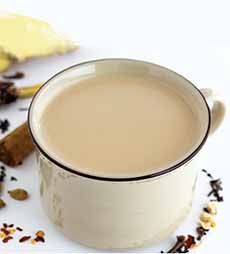
    You can brew and drink it in classic chai style—with milk and sugar (photo #3)—or down it straight for a fiery cup.

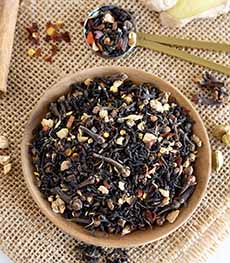
    The Chimayo blend (photo #2) includes black tea, crushed red chile peppers, cinnamon bark, cardamom, ginger root, cloves, and some added natural cinnamon flavor†.

    The result: bold and spicy, with notes of cinnamon and clove and a lingering heat (and as much calming milk and sweetener as you desire).
     
     
    GET YOUR CHIMAYO CHAI

    > Head to the Artful Tea website.

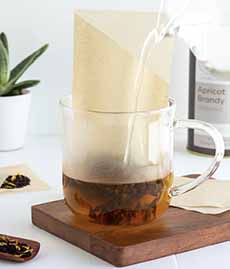
    If the giftee doesn’t currently use loose tea, add a package of tea filters that make brewing tea-bag-style a cinch, whether in a cup or a tea pot (photo #4).
     
     
    ABOUT THE CHIMAYO CHILE

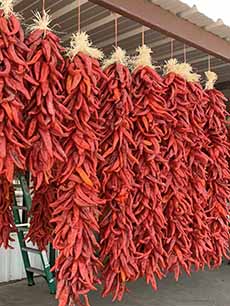
    Chimayo is an heirloom chile—a native strain from the Chimayo Valley of northern New Mexico (photo #5).

    It’s a day trip from Santa Fe, and one of the most visited holy sites in the U.S.

    The original Chimayo seeds were passed down through generations of growers in the valley, with ongoing hand-selection to perfect the fruits (yes, chiles are fruits).

    The flavor at first tastes sweet but leaps to medium hot. It is often made into a popular red chile sauce for burritos and enchiladas.


    A tin of Chimayo Chai Tea with hot peppers
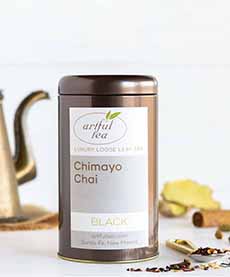
    [1] Chimayo is one of about 100 hand-blended loose teas from Artful Tea (photos #1, #2, #3, #4 © Artful Tea).

    A dish of loose Chimayo Chai tea blend with hot peppers,
    [2] Here’s what the blend looks like.

    A Cup Of Chai Tea
    [3] A brewed cup of Chimayo chai with milk and sugar. You can also drink it straight and/or iced.

    Cup Of Loose Tea Brewed In A Filter Bag
    [4] Turn loose tea into tea bags with inexpensive paper filter bags. You can get them here.

    Chimayo chile peppers, hanging to dry
    [5] Chimayo chiles, harvested and hanging to dry. You can purchase seeds and grow your own (photo © Sandia Seed).

     
    The chile pods are small and therefore more difficult to process. Bright red chiles indicate they are oven-dried. If the chiles retain more their natural orange color, it indicates that they were sun-dried by hand, a longer process that produces flavors that are rich, earthy, and sweet (and more expensive).

    You can get a variety of sun-dried Chimayos—Big Jim, Heirloom, Lumbre, and Sandia, from this source and others.

    If you want to grow your own, you can get seeds here.

    > The history of chai.

    > The history of tea.

    > Tea terms and types: a photo glossary.

    > The history of afternoon tea.

    > The history of cream tea.

    > A year of tea holidays.

    > How to host a tea party.
     
    ________________

    *The British began trading tea in India in 1669, but commercial production of tea for export started in the 1840s.

    **After 1784 when the government under William Pitt the Younger significantly reduced the tax on tea, it became much more affordable to the general population. This effectively ended widespread tea smuggling and allowed tea to become a staple drink across social classes for most Britons.

    ***In 1837, the first British tea garden was established at Chabua in Upper Assam. In 1840, the Assam Tea Company was established, and it began the commercial production of tea in the region.

    †Common spices in India’s masala chai include black peppercorn, cardamom, cinnamon, cloves, ginger, and star anise. Other spices that can be added include allspice, coriander, fennel seeds, lemongrass, mint, and nutmeg (and just about anything else the cook wants to add).

    ‡The term “chai tea” is a tautology, an erroneous duplication by saying the same thing twice in different words. Chai means tea. Similarly, with shrimp scampi, scamp is Italian for shrimp. Naan bread and raita sauce are two more examples from India’s cuisine where the English word duplicates the original. A non-food example is ATM machine, where ATM is an acronym for automated teller machine. In general, you’ll find expressions like “they arrived in succession, one after the other,” “in my opinion, I think…,” and many more.

    ‡‡Other Starbucks latte flavors have included Apple Crisp Oatmilk Macchiato, Blonde Vanilla Latte, Caramel Brulée Latte, Chestnut Praline Latte, Cinnamon Dolce Latte, Gingerbread Latte, Pecan Crunch Oatmilk Latte, and Sugar Cookie Almondmilk Latte.


    CHECK OUT WHAT’S HAPPENING ON OUR HOME PAGE, THENIBBLE.COM.


    Comments off


    © Copyright 2005-2026 Lifestyle Direct, Inc. All rights reserved. All images are copyrighted to their respective owners.