THE NIBBLE BLOG: Products, Recipes & Trends In Specialty Foods


Also visit our main website, TheNibble.com.

TIP OF THE DAY: 20+ Ways To Enjoy Dried Apricots

Apricots
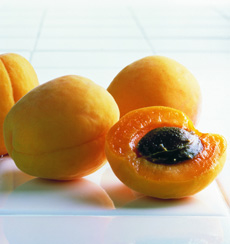
[1] The large pit in the center is why apricots, cherries, peaches and plums are called stone fruits (photo © Washington State Fruit Commission).

Dried Apricots
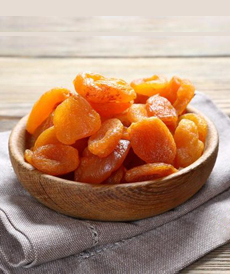
[2] Cut in half, remove the stone and dry in the heat, and you have bowl of dried apricots (photo Olha Afanasieva | iStock Photo.


[3] As appetizers, sweet-and-salty roll-ups of dried apricots and prosciutto or serrano ham (the difference) hit the spot (photo © Landana Cheese).


[4] Apricot cookies dipped in dark chocolate. Here’s the recipe from Betty Crocker.


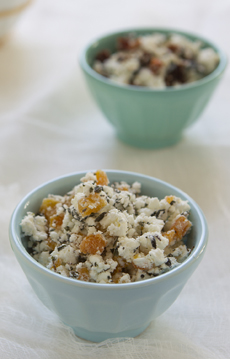
[5] Add diced apricot to cottage cheese, yogurt, grains, salads—just about anyplace you’d like a touch of sweetness.

Apricot Muffins
[6] Make “surprise” muffins (recipe) or add chopped apricots to the batter of conventional muffins (photo © Frog Hollow Farm).


January 9th is National Apricot Day.

Because fresh apricots aren’t in season until summer, we recommended making these couldn’t-be-easier chocolate-dipped dried apricots.

They’re delicious with coffee and tea, as part of a petit fours plate for dessert, as a garnish for ice cream, or to satisfy a sweet tooth.

A Plate Of Chocolate Dipped Apricots
[7] So delicious and easy to make (Gemini Photo)!

Since we purchased more apricots than chocolate, we got to thinking: What else can we do with dried apricots?

> Check out the 20+ ways to enjoy them below. below.

> Also below, the history of apricots.
 
 
Elsewhere on The Nibble:

> The year’s 80 fruit holidays.

> The history of apricots is below.

> There’s a second recipe below, for plain glazed dried apricots.

> The history of apricots.

> The year’s 4 apricot holidays.
 
 
20+ USES FOR DRIED APRICOTS

Appetizers: Try a half apricot on an appetizer skewer with cubed chicken and pineapple; in a prosciutto roll (photo #3); as a diced garnish on canapés.

Bagels. You’ll have a one-up on a raisin bagel when you sprinkle diced apricots atop the cream cheese on a plain bagel.

Breads & Muffins: Quick breads, scones…all bread products taste great with some diced dried apricots. Try this recipe.

Cakes, Cookies, Energy Bars: Add chopped apricots to layer cake fillings and garnishes, substitute for raisins and other dried fruits in cookies and bars. Check out these Apricot Newtons and Apricot Cheesecake Bars.

Candy: Chocolate-dipped apricots, our favorite chocolate-covered fruit (photo #6, below). Here’s a recipe.

Cheese Plate: Serve apricot halves with cheese and whole wheat crackers; dice them and add to a grilled cheese sandwich with brie, blue cheese or goat cheese.

Chocolate Fondue: Add apricots to the dippers (here’s a list of dessert dippers).

Cottage Cheese & Yogurt: Dice the apricots and blend them in.

Dip: Purée your choice of crumbled blue cheese, cream cheese, yogurt, dates, dried apricots, and pecans. Serve dip with crudites, pretzels or other crunchy options; spread it on a sandwich or on bagels.

Fruit Compote: Here’s a timely recipe for Winter Fruit Compote.

Fruit Salad. Mix dried apricots with fresh seasonal fruits for a fruit salad (you can also add dried blueberries, cherries, cranberries and raisins). Add them to a Waldorf Salad* or Ambrosia Salad.

Gift: For a favorite food friend, make these Dried Apricots In Cardamom Syrup.

Grab & Go: Add some variety to your apple or banana snack; or add some nuts to an apricot snack bag for extra protein.

Green Salads: Crown a green salad with an apricot half.

Hot Cereal: Oatmeal and other hot cereals are tastier with a garnish of diced dried apricots. (You can also make a dried fruit medley with dates, dried cranberries, raisins, etc.) Also add to Overnight Oats.

Ice Cream & Sorbet: Use a dried apricot half as a crown, to garnish the top of the scoop.

Raisin Substitute: From Ants On A Log to oatmeal cookies and rice pudding, diced apricots are just as yummy, and a more colorful replacement.

Rice and Grains: Add diced apricots as a garnish, or mix them in. For a fruited Grain Pilaf, toss the grain with dried cranberries, diced dried apricots, raisins, sautéed garlic and slivered almonds.

Salad Topper: Toss or mix chopped dried apricots into your favorite chicken, seafood, or pasta salad.

Snacks: Garnish a bowl of popcorn with apricot halves or diced apricots, dip apricot halves into chocolate (recipe) for a most delicious confection.

Stuffing: Chicken, lamb and pork love a stuffing with dried apricots.

Trail Mix: Combine dried apricots and other dried fruits with your favorite nuts. Chocolate chunks (larger than chocolate chips) optional.

(article continues)


APRICOT HISTORY

Apricots are a stone fruit in the genus Prunus (stone fruit genus), family Rosaceae (rose family) and order Rosales (flowering plants order).

Other genus members include almonds, cherries, peaches and plums. The stone fruits are so named because there’s a large, hard pit [stone] in the center (photo #1).
 
Apricots are cultivated throughout the temperate regions of the world—in fact, on every continent except Antarctica.

(article continues)
 
Apricots On The Tree
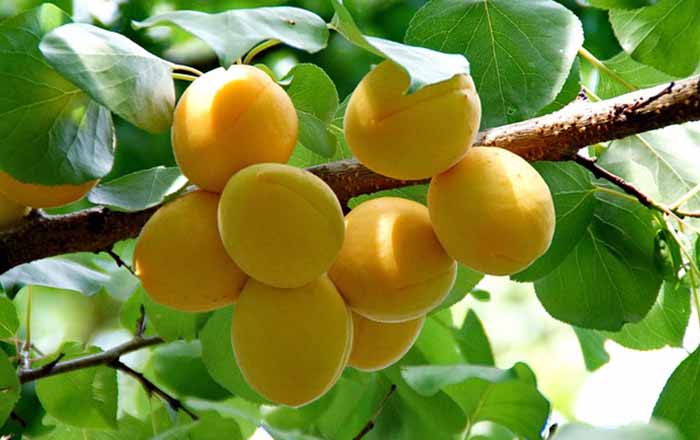
[8] Apricots grow in clusters (photo © Olvasmm | Pixabay).


Ancient Times

The apricot tree, Prunus armeniaca, got its name because it was long thought to have originated in Armenia. It had become extensively cultivated there by the time Roman traders encountered it. Archaeologists have discovered apricot seeds in Armenian sites that date to the Chalcolithic-era (Copper Age)—roughly 3500 B.C.E. to 2300 B.C.E.

Armenia’s climate was ideal for apricot cultivation—the fruit became so integral to Armenian agriculture and cuisine that it remains a national symbol today (the apricot color is one of the stripes in the Armenian flag and the country cultivates some 50 varieties of apricots).

However, there are other claimants, and the plant’s scientific name, Prunus armeniaca, reflects a historical misconception.

Other archeo-botanists point to the Chinese region as the likely site of domestication, and others point to India, about 3000 B.C.E. For medicinal uses, the oil from the kernels inside the pits has been part of Chinese and Ayurvedic medicines for millennia.

Apricots have been cultivated in Persia (modern Iran) since antiquity; the dried fruits were an important commodity on Persian trade routes. Alexander The Great brought rootstock from Persia to Greece.

The Romans introduced apricots to the Mediterranean region around the first century B.C.E., and they flourished in the warm, temperate climate.
 
 
Medieval Period & Renaissance

During the medieval period, Arab traders and the expansion of Islamic empires further spread apricot cultivation throughout the Middle East and into Spain. The Moors, who occupied parts of the Iberian Peninsula from the 8th to 15th centuries, established apricot orchards that would influence Spanish and subsequently New World agriculture.

The fruit was prized not only for its flavor but also for its ability to be preserved through drying, making it valuable for long journeys and winter sustenance.

By the 17th century, apricot kernel oil was used homeopathically in England to fight tumors, swelling and ulcers.
 
 
The New World

Spanish missionaries and conquistadors brought apricots to the Americas in the 18th century. Franciscan friars planted apricot trees at their California missions, where the Mediterranean-like climate provided perfect growing conditions.

California would eventually become one of the world’s leading apricot producers, with commercial cultivation expanding dramatically during the 19th and 20th centuries. Most of our modern American apricots groves come from seedlings carried to the West Coast by Spanish missionaries.

Fresh apricots are highly perishable, which historically limited their distribution, but advances in refrigeration and transportation have made fresh apricots available far from growing regions.
 
 
Modern Cultivation

As mentioned earlier, apricots today are grown commercially on every continent except Antarctica. Turkey leads global production, followed by Iran, Uzbekistan, Italy, and Algeria [source].

The U.S., particularly California, remains a major producer, though production has declined somewhat in recent decades due to urban development and water scarcity issues. There is some in Washington and Utah [source].

Modern cultivation has produced numerous cultivar varieties, each selected for specific characteristics such as size, sweetness, color, or resistance to disease.

Because the growing season is short and the fruit is perishable, dried apricots remain popular worldwide, year-round.

Beyond serving as food, apricot kernel oil has multiple applications in cosmetics and skincare, homeopathy

The wood of the tree is prized for musical instruments and decorative items for the home; and the bark makes dye.

Discarded apricots and by-products from processing can be used as livestock feed for pigs and cattle.
 
Chocolate Covered Apricots
[9] Chocolate-dipped apricots are exquisite with a cup of tea or coffee. Here’s the recipe (Gemini Photo).

_______________

*The Waldorf Salad, which originated at the Waldorf Astoria Hotel, consists of apples, walnuts, grapes and mayonnaise on a bed of lettuce.


CHECK OUT WHAT’S HAPPENING ON OUR HOME PAGE, THENIBBLE.COM.


Comments off

25 Ways To Use Bell Peppers & The History Of Bell Peppers

One of our favorite snacks and colorful ingredients is bell peppers, also called sweet peppers.

Bell peppers are easy to find year-round, available in green, red, yellow and orange (and at some markets, lavender, purple and white), making it easy to add color to your plate (raw, they also add crunch).

But they don’t add many calories. A one-cup serving has 30 calories per cup. As a bonus, it includes more than 200% of your vitamin C needs and 2.1 grams of fiber.

Trivia: Peppers are fruits. Here’s why.

While the bell pepper is a member of the Capsicum species like the hot chili peppers, it is the only variety that doesn’t produce any capsaicin, which is the compound that provides the heat in chili peppers.
 
 
COLORFUL VARIETIES

Orange, purple (photo #7), red and yellow peppers are actually riper and sweeter versions of green peppers. They also pack more beta carotene and vitamin E.

The flavors differ too: green is the most vegetal, red is the sweetest, and the others are in-between.

You may come across some specialty varieties, especially at farmers markets:

  • The Enjoya red-and-yellow-streaked bell pepper (photo #8) is a mutation discovered in a nursery greenhouse in The Netherlands in 2013.
  • The Brown Holland (a.k.a. chocolate) and white bell peppers are also heirloom varieties from The Netherlands. They may have been mutations as well.
  •  
    There are also mini sweet peppers: snack-sized and easily portable.
     
     
    WAYS TO USE BELL PEPPERS

    Here are 25 ways to use bell peppers. If a recipe calls for only one color, be adventurous and try a second color as well—or every color.

    Appetizers: From garnishes on crostini to appetizer (e.g. pepper chunk, small mozzarella balls and cubes of ham) to dips.

    Chicken, Egg, Pasta & Tuna Salads: A small dice adds color and crunch.

    Chili: Peppers are a complement to beans in vegetarian chili, and they work with beef chili, too.

    Chinese & Indian Food: Bell peppers are a staple in these two popular international cuisines (photo #1).

    Condiments: Try sweet-and-hot red pepper jelly and relish. Try try this recipe with cheese and crackers, or on a hot dog, burger or sandwich.

    Cornbread & Muffins: Bell peppers substitute for jalapeños in this cornbread recipe. How about baking some red bell pepper bread?

    Crudités: Red, yellow and orange bells perk up a white, beige and green vegetable platter.

    Dips & Spreads: Here’s a recipe for Grilled Red Pepper Dip and a Red Bell Pepper Tapenade. Make dip containers: even off the bottom of a raw pepper, and use it to hold dips or spreads.

    Eggs: Fill an omelette or a strata, top a scramble, or enjoy a side of sautéed bell peppers with any egg preparation. You can bake eggs in halved bell peppers (photo #2—here’s the recipe).

    Fajitas & Fajita Bowls: Top steak, or a steak and lettuce bowl, with grilled bell peppers and onions (and any other veggies of choice).

    Gazpacho: Use instead of, or in addition to, tomatoes.

    Grains & Grain Bowls: Add a raw bell dice or strips for color, fiber and flavor.

    Green & Non-Green Salads: Check out this prize-winning Bell Pepper And Cherry Tomato Salad With Mozzarella Pearls.

    Grilled Or Roasted Vegetable Medley: Here’s how to make foil-grilled peppers. How about grilled potatoes, peppers and onions?

    Ground Beef: Try this Mexican-style Beef Pepper Skillet With Jack Cheese.

    Pickled Peppers: Go Peter Piper and picked a peck (or less) of peppers. Add slices of pepper to a jar with this brine. They’ll be ready to eat in an hour, and keep up to two months.

    Pizza & Pasta: Dice any color bell pepper and toss it onto a pizza before baking, into pasta sauce as it cooks (photo #3), or of course, as part of Pasta Primavera.

    Polenta: For a main dish, try this polenta recipe with sliced sausages and bell peppers. We also like this recipe for Polenta With Ratatouille.

    Purée: Use red bell pepper in dips, including hummus and yogurt dips.

    Ratatouille: A hearty summer dish from the Provence region of France, this delicious veggie dish combines bell peppers, eggplant, tomatoes and zucchini, gently simmered with garlic and olive oil. Here’s a side dish recipe, and another recipe with breakfast eggs. How about Potato Salad With Ratatouille?

    Salsa: Substitute bell peppers when tomatoes are out of season.

    Sandwiches & Wraps: Raw or cooked, pair bell peppers with goat cheese, grilled cheese, Philly Cheesesteak and of course, a sausage and peppers hero. Check out these Bell Pepper & Cheese Triangles on croissant dough.

    Sauces: You can find many recipes for creamy bell pepper sauce, made without dairy. Here’s one that uses a base of chicken broth and another with a base almonds. Use them on eggs, grilled foods, pasta, pizza and anything that needs a sauce.

    Sautés: Combine bell peppers, mushrooms and onions for a simply delicious side or topping that goes with just about any savory dish.

    Skewers: For vegetable skewers or with a protein, nothing’s more colorful than “traffic light” peppers (red, yellow and green).

    Slaws: Add a small dice into the shredded cabbage, fennel or jicama.

    Soups: Roasted or steam the peppers and purée. Add to a stock or dairy base and season to taste (remove any charred skin before blending). Check out this Stuffed Pepper Soup: all the ingredients of stuffed peppers in a bowl of soup. Or, combine bell peppers with cauliflower or potatoes for a mixed vegetable soup. This Creamy Roast Pepper Soup (photo #6) is a stunner.

    Stews: This tasty Slow Cooked Stuffed Pepper Stew turns all the ingredients of stuffed peppers into a stew format (photo #5).

    Stir Fries: Toss a sliced bell peppers in the wok whenever you stir-fry. Try this recipe from The Clever Carrot (photo #1).

    Stuffed Peppers: Make your own mixture of beans, brown rice, vegetables, and seasoning, then stuff the peppers, top with grated cheese and bake. Ground beef and rice is the classic, but trendy combinations include quinoa and kale. Anything works, from sausage stuffed peppers with blue cheese or feta, of ghdxd Deconstructed Stuffed Peppers: meatballs with rice, with strips of bell pepper. Here’s the recipe for these “unstuffed peppers.”

    Vegetable Sushi: In addition to adding bell pepper to a sushi roll with fish or other vegetables, you can make this vegan bell pepper sushi—which looks like tuna—in this recipe (photo #4).

     
    BELL PEPPER HISTORY

    All peppers, sweet and hot, have their origins in Mexico, Central America, and northern South America.

    Hot peppers have been cultivated for more than 9,000 years, with the earliest cultivation in Central and South America. The earliest fossil traces so far are from southwestern Ecuador, where dating to about 6,100 years ago (the different types of hot peppers).

    In plant taxonomy, bell peppers are Capsicum annuum, one of the five species of the Capsicum genus. The others are for hot chile peppers (here they are).

    All capsicums are members of the Nightshade Family, Solanaceae, which also includes potatoes, tomatoes and eggplant.

    Why Peppers, Not Chiles?

    The actual name of all hot peppers should be chile, not pepper. The word used in the Nahuatl (Aztec) language is chīlli. The variants chilli and chile entered English through Spanish in the mid-1600s.

    So why do we call these fruits “peppers?” When Columbus and his crew first tasted them, the spicy taste resembled that of the black pepper that had been imported to Europe from India since Roman times.

    Someone compared the heat to peppercorns, and “peppers” they became.

    Pepper seeds were brought back to Spain in 1493 and then spread through Europe and Asia.

    The term “bell pepper” dates at least as far back as the late 1699 where the pirate and ship’s surgeon Lionel Wafer wrote about them in his book, A New Voyage and Description of the Isthmus of America. He commented that “the Bell is esteemed most proper for pickling.”

    The modern, mild bell pepper cultivar, was developed in the 1920s, in Szeged, Hungary [source and source].

    Check out all the varieties you can grow at home.


    [1] Beef Stir Fry with orange bell peppers, snow peas and pea shoots. Here’s the recipe from The Clever Carrot.


    [2] Stuffed Peppers with eggs, squash, ricotta and feta. Here’s the recipe from Foodie Crush.


    [3] Spaghetti With Roasted Red Pepper Sauce. Bonus: It’s vegan. Here’s the recipe from Minimalist Baker.


    [4] Vegan Sushi: What looks like tuna is bell pepper. Here’s the recipe from Olives For Dinner.


    [5] Stuffed Pepper Stew: the ingredients of stuffed peppers in stew form. Here’s the recipe from Skinnytaste.


    [6] Creamy Roast Bell Pepper Soup. Here’s the recipe from Plays Well With Butter.


    [7] Some varieties of purple bells are called chocolate bells (photo © Burpee).


    [8] The Enjoya bell is a mutation that appeared in The Netherlands (photo © Melissa’s).


    CHECK OUT WHAT’S HAPPENING ON OUR HOME PAGE, THENIBBLE.COM.


    Comments off

    TIP OF THE DAY: Lime Vinaigrette

    Vinaigrette
    [1] Instead of vinegar, you can mix different acids to make a vinaigrette. We often use lemon juice, but lime juice is even perkier (photo © Hannah Kaminsky | Bittersweet Blog).

    Lime Halves For Cheesecake Pops
    [2] Fresh lime juice makes the perkiest vinaigrette. In Key lime season, you can use Key limes for less acidity (photo © Lisa Fotios | Pexels).


    [3] Lime vinaigrette is perfect for Asian-inspired chicken salad, or for everyday romaine (photo © The Tuck Room | NYC).


    When you have vinaigrette at a Mexican or Thai restaurant, it’s likely a lime vinaigrette.

    A squeeze of lime to accent food is customary in the cuisines; for a salad, lime substitutes for vinegar in the 3:1 olive oil-to-acid blend.

    Have a lime? Dress tonight’s salad with lime vinaigrette.

    Some people add honey to the recipe, others use a pressed or minced garlic clove. We prefer the latter for authenticity.

    In our opinion, the brightness of the lime should not be covered up by honey! We feel the same about adding cream for a creamy vinaigrette.

    You can customize the recipe with other flavors: some chopped fresh coriander and a dash of ground cilantro, oregano and dried chili flakes, for example.
     
     
    RECIPE: LIME VINAIGRETTE

    Ingredients For 4 Servings

  • 6 to 7 cups mixed lettuce greens
  •  
    For The Vinaigrette

  • 3 to 4 tablespoons olive oil
  • 2 tablespoons fresh lime juice
  • Optional: lime zest
  • 1 teaspoon Dijon mustard
  • 1/2 teaspoon garlic powder
  • 1/4 teaspoon ground cumin or red chile flakes for a spicy vinaigrette (photo #1)
  • 1/4 teaspoon salt
  • 1/4 teaspoon ground black pepper
  • 1 minced garlic clove or honey to taste
  •  
    Preparation

    1. WHISK the vinaigrette ingredients together. Optionally, use the “shaking” technique: Add the ingredients to a jar with a lid and shake until blended.

    2. DRESS the greens just before serving. Save the leftover dressing for the uses below.
     

    USES FOR LEFTOVER VINAIGRETTE

  • Add to a marinade.
  • Baste chicken.
  • Brush on wraps or other sandwich bread.
  • Dress hot or cold pasta.
  • Drizzle on grilled meat.
  • Drizzle on cooked vegetables or toss with raw vegetables before roasting.
  • Season rice or other grains.
  • Toss with potatoes or drizzle into baked potatoes.
  • Use asa dip for crudités.
  •  
     
    > THE HISTORY OF LIMES
     
     
    > THE DIFFERENT TYPES OF LIMES


    Comments off


    © Copyright 2005-2026 Lifestyle Direct, Inc. All rights reserved. All images are copyrighted to their respective owners.