THE NIBBLE BLOG: Products, Recipes & Trends In Specialty Foods


Also visit our main website, TheNibble.com.

CHOCOLATE: Hotel Chocolat, From London


[1] Valentine’s Day gift box (all photos © Hotel Chocolat).


[2] We can’t get enough of the Champagne truffles!


[3] Resistance is futile!


Hotel Chocolat shop opened its doors in North London in 2004, with a mission to make exciting luxury chocolate.

Today, with more than 103 shops worldwide, including in the U.S.

It’s a hotel you’ll want to “check in” to.

The company is one of the world’s few chocolate makers to actually grow their own cacao, on Rabot Estate, cacao farm in Saint Lucia.

They also are sure that their cacao farmers get a fair deal.

In a world where this doesn’t happen often enough, it’s a big bonus.

We received a big Valentine heart as a gift, and have been nibbling away with delight.

In the special Valentine’s Day box, many of the pieces are heart-shaped, adding to the fun.

The dark, milk and white chocolate shells are filled with delectable soft, creamy centers:

  • Blueberry, caramel, passionfruit, pistachio, praline, raspberry, salted caramel, salted espresso, salted macadamia and vanilla
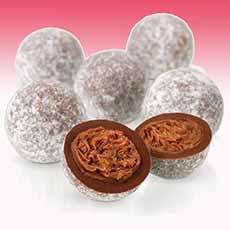
  • Classic chocolate truffles in champagne (photo #2) and mousse au chocolat
  •  
    We couldn’t have been happier with each one.

    These are high-cacao content chocolates.

  • The milk chocolate is 40% to 50% cacao (compared to 30% for most mass-market chocolate).
  • The white chocolate is 36% cocoa (also compared to 30%).
  • The dark chocolate is 70%, the industry standard for luxury-quality dark chocolate.
  •  
    This gives you more cacao flavor and less sugary sweetness—not that every bite isn’t a sweet treat.

    > CHECK OUT THE WEBSITE FOR GIFTS & TREATS.
     
     
    > THE HISTORY OF CHOCOLATE

    > THE DIFFERENT TYPES OF CHOCOLATE: A GLOSSARY


    Comments off

    WINE: Pink & Delicious, From Sonoma Cutrer

    Rosé wine consumption has exploded in the U.S. over the past several years.

    The wine has been growing and growing in popularity, replacing that “glass of white wine” in the hearts and hands of people who used to always sip on Chardonnay or Pinot Grigio.
     
     
    THE POPULARITY OF ROSÉ

    In fact, rosé outsells white wine in France!

    Dry rosé wine is the all-occasion wine in the south of France—no surprise, since Provence is the world base of dry rosé production.

    There, vin rosé is paired with all the foods, all year around.

    In general, a dry rosé can be substituted any time you need a dry wine. When you can’t decide between red or white wine, reach for the rosé.

    In the history of wine, rosé is a relative newcomer. The category was created in 1942 by the founder of Sogrape, a European wine producer.

    Seeking a lighter, fruity style of wine, he called it rosé for its rosy color.

    The color comes from limited skin contact* with the red grape skins during vinification (longer skin contact results in a red wine).
     
     
    ROSÉ OF PINOT NOIR FROM SONOMA CUTRER

    Whether pink for Valentine’s Day or for any other day of the year, Sonoma Cutrer’s 2020 Rosé of Pinot Noir is a delicious bottle of rosé.

    One of America’s finest wineries, Sonoma Cutrer of Sonoma County has long specialized in Chardonnay and Pinot Noir.

    It also produces Sauvignon Blanc and Rosé.

    While a rosé wine can be made from any red grape, Rosé of Pinot Noir is made from 100% Pinot Noir grapes from the winery’s Russian River Valley vineyards.

    It’s vinified into a dry wine. The 2020 vintage is 11.9% alcohol.

    The complexity of the Russian River Valley Pinot Noir grapes shows in the depth of flavor of the rosé.

    The Russian River Valley AVA† is known for wonderful rosés made from Pinot Noir.

    This elegant beauty, a light salmon color (photo #1), has a refreshing nose of of blueberry, cantaloupe and grapefruit (if you think this is pretentious wine-speak, inhale to find these aromas when you pour a glass).

    It has the crisp, refreshing mouthfeel of a fine rosé, and fresh fruit flavors of blood orange, citrus strawberry and strawberry (again, look for these flavors on your palate). The finish is long, just the way we like it.

    You can find it for $25 or less.

    A bonus: 99% of the vineyard acreage in Sonoma County has been certified sustainable by a third-part certification body.
     
     
    FOOD PAIRINGS

    In addition to enjoying it as an apéritif wine, Rosé of Pinot Noir pairs well with:

  • Cheeses (especially white-rinded cheeses such as Brie and Camembert)
  • Grilled or roasted chicken
  • Ham and pork
  • Fish: salmon, tuna, white-flesh fish and oily fish (anchovies, sardines)
  • Grilled vegetables, salads
  • Risotto
  • Shellfish (crab, scallops, shrimp, lobster)
  • Sashimi and sushi
  •  
    Sonoma Cutrer has provided these recipes to pair with Rosé of Pinot Noir:

  • Albacore Tuna Loin and Creamy Polenta
  • Pan Seared Scallops with Cauliflower Puree
  • Scallop Ceviche
  •  
     
    MORE ABOUT ROSÉ

  • Drink Pink: Pink Appetizers & Hors d’Oeuvres To Pair With Rosé
  • What Is Rose Wine & Why Should You Be Drinking It?
  • The History Of Rosé Wine
  • Have A Rosé Tasting Party
  • Rosé Wine & Food Pairings
  •  
     
    MORE WAYS TO ENJOY ROSÉ

    Don’t use a fine rosé above for any of these. You can use a perfectly good $10 bottle of rosé.

  • Rosé Sangria With Peaches, Raspberries & Strawberries
  • Affordable Sparkling Rosé
  • Frozen Rosé Cocktails
  • Rosé Milkshakes
  • Sweet Rosé To Pair With Chocolate
  • Two Delicious, Inexpensive Rosés
  •  
     
    ________________
     
     
    *Skin contact refers to letting the pressed juice of the grape rest with its skins.
     
    †AVA, American Viticultural Area, in Sonoma County, is a designated wine-growing region in the U.S. Here’s more about it.


    [1] Pour Rosé Of Pinot Noir with cheese plates and hors d’oeuvre (photo © Sonoma Cutrer).

    Roast Chicken Dinner
    [2] Serve Rosé Of Pinot Noir with grilled or roasted chicken (photo © Good Eggs).

    Sushi Platter
    [3] Pair it with sushi or sashimi—as well as cooked fish and shellfish (photo © Tenzan Restaurant | NYC).


    [4] Ham is an excellent matches for a good rosé (photo © Good Eggs).


    [5] Enjoy rosé Of Pinot Noir with a salad (photo © Nadine Primeau | Unsplash).


    Comments off

    TIP OF THE DAY: Mardi Gras Recipes For A Home Celebration

    Jambalaya
    [1] Jambalaya (photo © Gimme Some Oven).


    [2] Andouille sausage and shrimp gumbo. Gumbo is the official dish of Louisiana (photo © Good Eggs).

    Shrimp & Truffle Grits Recipe
    [3] Shrimp and grits, not particularly a Louisiana/Mardi Gras dish, but a Southern favorite that we eat as often as we can (photo © Mackenzie Ltd.).


    [4] Hurricane cocktail (photo © Alex 9500 | Panther Media).

    Bananas Foster
    [5] Bananas Foster, caramelized bananas with brandy and/or rum, created at Brennen’s Restaurant in New Orleans (photo © Bonefish Grill).


    [6] Sweet fritters, perfect for dessert or for an afternoon break with strong coffee (photo © Orsay Restaurant).

    King Cak
    [7] King Cake, garnished in Mardi Gras colors (photo © King Arthur Flour).


    Mardi Gras 2021 begins on February 16th [note: the date changes every year]. While you may not be able to head to a restaurant (much less to New Orleans) to celebrate, you can cook up some celebratory excitement at home. Why not plan your own celebration of traditional foods; costumes optional.

    You can find Mardi Gras music on Amazon, and listen to it on YouTube.

    If you want to decorate, Mardi Gras colors are purple, green, and gold.

    And you can watch these virtual Mardi Gras events.

    First, a bit about the holiday; then, delicious recipes await you.
     
     
    WHY DO WE CELEBRATE MARDI GRAS?

    Mardi Gras (Fat Tuesday in French) is the day before Ash Wednesday, the first day of the Lenten season.

    The “fat” refers to the practice of eating richer, fatty foods the last night before Lent, the six weeks of penitence before Easter. Lenten season. It’s a period of ritual fasting* for followers.

    A very brief history: Centuries ago, Catholics in Italy started the tradition of holding a wild costume festival right before the first day of Lent.

    The idea expanded, engendering huge Carnival events elsewhere—the most notable including New Orleans and Rio de Janeiro.

    You don’t have to be Catholic to join the celebration, as all attendees are welcome to the parades, etc.

    > More Mardi Gras History
     
     
    MARDI GRAS MENU

    Pick and choose from these Mardi Gras recipes:

    Cocktails

  • Hurricane Cocktail
  • Mardi Gras Color-Themed Cocktails
  • Milk Punch
  • Sazerac Cocktail
  •  
    Appetizers & Snacks

  • Andouille Dip In A Bread Bowl
  • Jambalaya Arancini
  • Jambalaya Nachos
  •  
    Mains & Sides

  • Chicken & Andouille Gumbo
  • Easy Gumbo
  • Gumbalaya: A Fusion Of Gumbo & Jambalaya
  • Jambalaya
  • Jambalaya Party Bar
  • Jambalaya With Grilled Chicken
  • Muffaletta Sandwich
  • Savory King Cake
  • Shrimp & Grits
  •  
    Desserts

  • Beignets
  • Easy Mardi Gras King Cake Bundt
  • King Cake Variations
  •  
     
    POPULAR NEW ORLEANS DISHES

    Bananas Foster: Bananas Foster (photo #5) is a dessert made with bananas and vanilla ice cream. The bananas are sautéed in butter with brown sugar, banana liqueur and Grand Marnier (orange-infused brandy) or rum. The original recipe was created at Brennan’s Restaurant in New Orleans.

    BBQ Shrimp: Neither barbecued nor served with barbecue sauce, whole shrimp (with the heads and tails on) are grilled in Worcestershire sauce and butter. Typically, French bread is used to sop up the buttery sauce.

    Beignets: Beignets (photo #6) are sweet fritters, typically made from pâte à choux, but may also be made from yeast dough. They are addictive.

    Crawfish: A bowl of boil-and-peel crawfish is a New Orleans seafood specialty.

    Étouffée: Étouffée is a dish of shellfish, simmered in a sauce made from a light or blond roux and served over rice. The most famous version of the dish is made with crawfish, although crab or shrimp are also popular.

    Gumbo: Gumbo (photo #2) is a hearty, thick soup, the official dish of Louisiana. It consists primarily of a strongly-flavored broth with a thick, almost stew-like consistency. The soup is thickened with a roux (pronounced ROO, French for browned butter). The broth contains meat (chicken, sausage) and/or shellfish (crab, crayfish, fish fillets, oysters, shrimp, e.g.). It’s also known for the Cajun/Creole “holy trinity” of bell peppers, celery, and onions; and for filé powder (made from sassafras leaves), sprinkled on top before serving for additional flavor and thickening.

    Jambalaya: Jambalaya (photo #1) is a Creole rice dish of West African, French, and Spanish influence, typically consisting of meat and/or seafood and vegetables mixed with rice. Traditionally, the meat always includes andouille or another sausage, along with pork or chicken; and seafood, such as crawfish or shrimp.

    King Cake: King Cake (photo #7) is typically a Danish yeast ring (it can be elaborately braided). Some are made from brioche or cinnamon bread. The cake is covered with a poured white icing and sprinkled with purple, green, and gold-colored sugars—the Mardi Gras colors. Contemporary pastry chefs make modern interpretations that go beyond yeast cakes, but still are garnished in Mardi Gras colors.

    Milk Punch: Milk punch is a milk-based cocktail made with brandy or bourbon, plus sugar and vanilla extract. It is usually garnished with a sprinkle of nutmeg.

    Muffaletta: The muffuletta is a hero-style sandwich made from a type of Sicilian sesame bread of the same. It originated in New Orleans among Italian immigrants. The classic filling has layers of ham, mortadella, provolone, salami, and Swiss cheese, topped with a marinated olive salad.

    Po’ Boy: Another signature Louisiana sandwich is the po’boy (poor boy), which has a base of roast beef or fried seafood (crab, crawfish, fish fillet, oysters or shrimp). The protein is served on New Orleans French bread, a style with a crisp crust and a fluffy center. Add-ons can include lettuce, tomato, pickles, and sauces, from hot sauce to rémoulade, a mayonnaise-based sauce that’s a cousin to tartar sauce.

    Pralines: New Orleans Pralines are patties made from sugar, nuts and butter. Bring your sweet tooth! Southern-style pralines are not to be confused with chocolate bonbons by the same name, or hazelnut praliné. Here’s a comparison.

    Oysters: Oysters from the Gulf of Mexico are served just about everywhere—baked (Oysters Rockefeller were born here), fried, grilled, on the half shell, and everything in between.

    Red Beans & Rice: Red Beans & Rice are a tradition on Mondays, dating back to when household chores resumed after Sunday’s day of rest. Traditionally simmered from 4 to 6 hours, practically any meat from ham hock to sausage to pickled pork is placed in the pot with red or kidney beans and spices. Every family and restaurant has its own spice preferences, but bay leaves, cayenne pepper, sage, and thyme are common.

    Bon appétit!

    ________________

    *During Lent, many Christians commit to a certain degree of fasting, including giving up rich foods, in order to replicate the account of the sacrifice of Christ’s journey into the Judaean desert for 40 days and nights following his baptism by John the Baptist. This ritual fasting is known as one’s Lenten sacrifice.

    †Creole cuisine blends influences principally from France, Spain and West Africa, plus Amerindian (Native American) and Southern U.S. cuisines.


    CHECK OUT WHAT’S HAPPENING ON OUR HOME PAGE, THENIBBLE.COM.


    Comments off


    © Copyright 2005-2026 Lifestyle Direct, Inc. All rights reserved. All images are copyrighted to their respective owners.