THE NIBBLE BLOG: Products, Recipes & Trends In Specialty Foods


Also visit our main website, TheNibble.com.

RECIPE: Get Ready For National Margarita Day With A Ginger Margarita


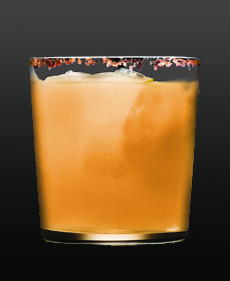
Ginger adds some heat to a Margarita. Photo courtesy Spice Market | New York.

  National Margarita Day is next week: Wednesday, February 22nd. There’s plenty of time to plan a Margarita party, mixing up some special recipes. You can also throw a “Presidents’ Margarita Party” over the holiday weekend.

The original Margarita consisted of tequila, Cointreau (orange liqueur) and lime juice; but there have been many variations on the theme since then.

Here’s one riff from Jean-Georges Vongerichten’s Spice Market New York restaurant. It fuses ginger, a spice from Southeast Asia, with the Mexican-origin cocktail.

GINGER MARGARITA RECIPE

Ingredients For Ginger Lime Syrup

  • 1 cup ginger root, peeled, chopped and puréed in blender
  • 1 cup sugar
  • 1-1/2 cups fresh lime juice
  •  
    Ingredients For Each Margarita

  • 1 ounce reposado tequila
  • 1/2 ounce Cointreau
  • 1/2 ounce ginger lime syrup
  • Preparation

    1. Bring lime juice and sugar to a boil. Remove from heat and add ginger. Let steep until liquid is at room temperature. Strain through a chinois,* pushing the pestle or (other tool) for total extraction.

    2. Combine all ingredients in rocks glass with ice. Shake vigorously.

    3. Crust rim of glass with ginger salt (a combination of 1/4 part ginger powder, 3/4 part coarse salt) and pour Margarita into glass. Squeeze lime wedge then drop in drink.
     
    MORE MARGARITA RECIPES.
     
     
    *A chinois is a cone-shaped mesh strainer. These days, they can be hard to fine. Instead, stores tend to carry what is known as a Chinese cap. It looks like a chinois, but instead of mesh, holes are punched in metal, like a colander. If you can find a mesh chinois, buy it: It’s finer and useful for all straining. The size of the holes in a Chinese cap can allow small particles, such as strawberry and raspberry seed, through.
      

    Comments off

    PRODUCT: Fun With Cherimoya Fruit

    What’s a cherimoya?

    The heart-shaped subtropical fruit seems exotic because, depending on where you live, you may not come across it often. But seek it out: The tasty blend of mango, pineapple and strawberry flavors is worth it.

    Believed to have originated in the Andes Mountains, the name originates from the Quechua (Inca) word chirimuya, meaning “cold seeds” (because the seeds germinate at high altitudes). It grows as a shrub or tree.

    The pale green, shingled skin must be handled with care to avoid bruising. The ivory-colored flesh is creamy (similar to a ripe peach). Choose fruit that is firm and allow it to ripen at room temperature. As it ripens, the skin will turn a darker green and will yield to gentle pressure. Refrigerate soft fruit and use as soon as possible for best flavor.

     
    A ripe, creamy cherimoya. Photo
    courtesy Melissas.com.

    To enjoy a cherimoya, all you need is a spoon. Cut the fruit in half or into wedges and spoon out flesh, discarding the seeds. The creamy, sweet flesh has earned cherimoya the nicknames ice cream fruit, sherbet fruit and custard apple.
     
    CHERIMOYA RECIPES

    It’s easy to add tropical flair by including Cherimoya in desserts, fruit drinks and salads. Try these recipes for starters:

  • Cherimoya Crème Brûlée
  • Cherimoya Fruit Salad
  • Cherimoya Meringue
  • Cherimoya Smoothie
  • Strawberry-Cherimoya Smoothie
  • Spicy Tropical Fruit Salsa
  •  
    CHERIMOYA NUTRITION

    One cup of cherimoya fruit has about 115 calories (11 ounces have about 300 calories). According to FoodScout.org, it has this impressive nutrition profile:

  • 29% DV of fiber
  • 10% DV of manganese
  • 24% DV of potassium
  • 10% DV of protein
  • 20% DV of vitamin B1/thiamin
  • 24% DV of vitamin B2/riboflavin
  • 39% DV of vitamin B6
  • 28% DV of vitamin B9/folate
  • 60% DV of vitamin C
  •  

    If you can’t find cherimoya fruit locally, you can order it online from Melissas.com.

    More of our favorite fruits.
      

    Comments off

    20 Ways To Enjoy Almonds For National Almond Day


    [1] Almonds: delicious and good for you (photo © National Almond Board).

    A Plate Of Almond Crusted Chicken Strips
    [2] Almond-crusted chicken strips. Here’s the recipe (photos #2, #4, and #5 © Taste Of Home).


    [3] Broiled fish with almond-cilantro salsa. Here’s the recipe (photo © National Almond Board).

    Almond Pork Chops With Spinach
    [4] Almond Pork Chops with Honey Mustard. Here’s the recipe.

    Almond Lavender Bundt  Cake
    [5] Almond lavender cake is one of hundreds of delectable almond desserts. Here’s the recipe..


    February 16th is National Almond Day.

    Almonds have long been known to have heart healthy benefits* (more about them below). Healthcare professionals recommend them for snacks, as substitutes for other foods, and even for breakfast.

    Fans of The Devil Wears Prada may recall one of the model-like magazine staffers counting out seven almonds for breakfast. You can actually have 25-30 shelled whole almonds each day.

    And you can enjoy almond nutrition in different forms, such as almond butter, almond meal (almond flour), almond milk and almond paste.

    Below:

    > 20 ways to enjoy almonds.

    > Almond health benefits.

    Elsewhere on The Nibble:

    > The year’s 8+ almond holidays.

    > The year’s 38 nut holidays.
     
     
    20 WAYS TO ENJOY MORE ALMONDS

    Our 20 tips don’t include recipes, but you can find plenty of almond recipes at AlmondBoard.com.
     
     
    ALMONDS AT BREAKFAST

  • In cold or hot cereal, scattered over waffles or pancakes.
  • In yogurt (use fat-free Greek yogurt and a non-caloric sweetener; you can even add a teaspoon of cocoa).
  • Slivered with diced fruit in a cottage cheese parfait.
  • Slivered on a [whole wheat] bagel with cream cheese (almonds add protein to the carbs and fat).
  •  
     
    ALMONDS AT LUNCH

  • Chopped or slivered in salads—green salad, cole slaw, macaroni or potato salad, tabbouleh, egg, chicken and tuna salad, you name it.
  • Slivered or chopped as a soup garnish.
  • Slivered on a sandwich, for flavor and texture. (We love wasabi almonds with grilled cheese, and buy several bags at a time at Trader Joe’s. Here’s a recipe to make your own.)
  •  
     
    ALMONDS AS SNACKS

    Raw or roasted, plain, glazed or flavored, almonds are great snacking. The USDA has declared them heart-healthy, and the daily allotment per the FDA is 1.5 ounces, about 25 almonds depending on size.

    One ounce will fill a 1/4 cup measure, and you can actually purchase an attractive tin that holds exactly that many ($1.87—or recycle a mint tin to hold almonds). The tin fits easily in your pocket for grab-and-go. Give them, filled with almonds, as a nutritious gift.

    Enjoy almonds as:

  • As grab-and-go snacks. (you can mix in some chocolate bits or season with your favorite herbs and spices).
  • Instead of candy. Glaze them with some sugar.
  • Ground up in the food processor, and mixed with nonfat yogurt, cumin, cayenne, garlic salt and pepper for a protein-packed dip with crudités.
  • Instant oatmeal with an almond topping.
  •  
     
    ALMONDS AT DINNER

  • In stir frys.
  • Chopped into a crust for chicken and fish.
  • Add to grains—crunchy rice pilaf, quinoa and other favorites.
  • On pasta.
  • As a garnish: raw, toasted or in a salsa (see the fish photo for recipe link).
  •  
     
    ALMONDS IN DESSERTS

  • On ice cream or frozen yogurt.
  • In puddings (chocolate pudding with almonds is a favorite).
  • In baked goods (we love almond macaroons and almond pie crusts).
  • As a healthy dessert: mix almonds with fresh berries, sliced banana or other fruit; use some light yogurt as a topping or sweeten some Greek yogurt).
  •  
     
    ALMOND HEALTH BENEFITS

    Almonds are an excellent source of vitamin E, magnesium and manganese and a good source of fiber, copper, phosphorous and riboflavin. When compared ounce for ounce, almonds are the tree nut highest in protein, fiber, calcium, vitamin E, riboflavin and niacin: a petite package with a powerful punch.

     
    A one-ounce serving has 13 grams of good unsaturated fats, just 1 gram of saturated fat, and is cholesterol-free. Unsaturated fat is the “good fat” that your body needs, and that may help lower low-density lipoproteins (LDL or “bad” cholesterol). You can find the studies here.

    One ounce of almonds (about 20 to 24 shelled whole almonds) provides 35% of your daily value for vitamin E, an antioxidant that may help promote healthy aging (a study reported in the Journal of the American Association [June 26, 2002] suggests a diet rich in foods containing vitamin E may help protect some people against Alzheimer’s disease).

    So Happy National Almond Day. Enjoy them guilt-free.

    ________________
     
    *From the FDA: “Scientific evidence suggests but does not prove that eating 1.5 ounces per day of most nuts, as part of a diet low in saturated fat and cholesterol, may reduce the risk of heart disease.”


    CHECK OUT WHAT’S HAPPENING ON OUR HOME PAGE, THENIBBLE.COM.


    Comments off

    POST-VALENTINE’S DAY CONTEST: Second Chance For Happiness


    You could take the cake: Just enter the
    contest. Photo courtesy Pepperidge
    Farm.

      Whether or not you had a happy Valentine’s Day, here’s a second chance for happiness:

    Pepperidge Farm is celebrating its new newest 3-Layer Cake, Red Velvet.

    One NIBBLE reader will receive a ”Second Celebration Kit” consisting of:

  • A cake serving set
  • A square cake platter
  • Coupons for three of Pepperidge Farm’s new Red Velvet 3-Layer Cakes
  •  
    Enter here by 4 p.m. Eastern Time on Friday, February 17th. The winner will be contacted at the end of the day.

    IN THE MOOD FOR CAKE RIGHT NOW?

    Take a look at our delicious Cake Glossary.


    Comments off

    TIP OF THE DAY: Frothing Milk At Home

    Today’s tip comes from chef Johnny Gnall, who has discovered the joys of frothing milk at home. There’s no need to head to your favorite coffee bar when you can make frothy cappuccinos and lattes in your own kitchen.

    “I made a recent purchase that has changed the way I start the day,” says Chef Johnny. “It has turned my regular morning coffee into a genuine treat, making each cup feel and taste like it was served to me in a chic cafe, perhaps in Rome or Florence. It’s the Capresso frothPro Milk Foamer.

    “It couldn’t be easier to use. Simply fill the metal receptacle with milk, press a button (in addition to steamed milk or foam, you can choose cold, warm or hot, including cold foam for iced cappuccino) and watch as ordinary milk is whipped to steaming, frothy pulchritude—in less than a minute! Lowfat or nonfat milk foams the best: The fat in the milk weighs down the potential fluffiness.

     
    Little appliance, big foam. Photo courtesy
    Capresso.
     
    “If you’re not a fan of foam, you can simply heat your milk to the temperature of your choosing. Warm or hot milk keeps the coffee warmer for longer. You can add foam to hot chocolate, too, or simply enjoy a glass of ’latte milk.’

    But there’s more than frothy, steamed milk to a gourmet espresso drink (see the different types of espresso drinks).

    “To make authentic frothed coffee drinks, you need espresso, not regular coffee. If there’s no coffee bean specialty shop near you, you can buy good-quality espresso, whole or ground, at most grocery stores.

    “To make the espresso, I suggest using a moka pot, a classic stovetop espresso maker like this one from Bialetti. Yes, it’s another appliance, but it’s small, inexpensive (under $25.00), easy to use and should last you a lifetime. If you are lucky enough to have the expensive countertop barista-style espresso machines, more power to you.

    “Now that you have a few shots of espresso and a cup of foamed milk, you’re ready to construct your drink. But what to make? And how?

    “Many coffee drinkers know their go-to drink and just how they like it; but if you have the tools at your disposal, why not branch out? Here’s a list of the most popular espresso drinks and how to make them. If you try each one, you may have a few new drinks in your morning repertoire that will make it that much easier to rise and shine.”


    Make lovely lattes at home. Photo by Christian Kitazume | SXC.
     

    MAKE THESE ESPRESSO DRINKS

    Espresso: This is the starting point for pretty much any gourmet coffee drink (and never spelled “expresso,” an unfortunate American error). It is stripped down, basic, strong and really quite wonderful on its own if you have fine espresso beans. It also gives you a chance to really appreciate the texture and flavor of espresso. Enjoy a quick shot down the hatch to get those eyes open, or sit and sip it leisurely on a weekend morning.

    Caffé Americano: This is basically an espresso dumbed down. I am convinced that the name was coined to make fun of Americans who cannot handle the bitter, often intense flavor of espresso. To make it, simply start with a shot or two of espresso and dilute with boiling hot water. You can go with a 1:1 ratio of espresso to water, or start with a shot and fill your cup the rest of the way with water. However you like it, you probably don’t want to be caught ordering one of these in Italy.

     
    Caffé Latte: This may be the easiest to start with if you are just breaking into espresso drinks. Start with a shot of espresso, fill the remaining space in the cup with delicious, soothing, steamed milk, and top it off with a touch of foam. The espresso flavor is there, but in a latte it exists in the background, somewhat muted by the abundance of milk. It’s a great beverage for someone who’s not into super-strong coffee.

    Cafe au Lait: This is, essentially, a French-style latte and another very accessible drink for those who don’t want intense espresso flavor. In fact, it isn’t an espresso drink at all; it’s made with regular, albeit strong French-style, coffee. Simply pour half a cup of extra-strong coffee and finish filling the cup with steamed milk. Foam isn’t traditionally found on a Cafe au Lait, but no one will report you if you add some.

    Caffé Mocha: This is the espresso drink for chocolate lovers. Start by covering the bottom of the cup with some quality chocolate syrup (being a resident of San Francisco, I like Ghirardelli). Then add a shot or two of espresso, stir a few times, and fill the rest of the way with steamed milk. If you’re not worried about calories, you can finish with the traditional whipped cream. If you make it correctly, however, the whipped cream isn’t necessary.

    Cappuccino: This is the drink for which you really need the foam. The traditional cup size is 6 ounces only; but hey, it’s your coffee, so use as large a cup as you’d like. What you’re going for is a 1:1:1 ratio of espresso, steamed milk and foam, poured in that order. This beverage showcases a balance of its ingredients and definitely has the greatest range of textures and flavors, from earthy to ephemeral.

    Macchiatto: From the Italian word for “marked,” this drink is mostly about the espresso, with just a tiny “marking” of foam and/or milk. To make it correctly, you should use a demitasse cup: Pour a shot of espresso, then add just enough foam to cover it. You can definitely use some of the milk itself (as opposed to just foam), and how much depends on your preference. However, this drink should really be all about the espresso with a complement of milk/foam. It’s the go-to espresso drink for coffee geeks and espresso enthusiasts.

    For less than $60.00, the Capresso frothPro is a worthy addition to the kitchen and a great gift. Get yours.


    Comments off

    The Nibble Webzine Of Food Adventures
    RSS
    Follow by Email


    © Copyright 2005-2026 Lifestyle Direct, Inc. All rights reserved. All images are copyrighted to their respective owners.