THE NIBBLE BLOG: Products, Recipes & Trends In Specialty Foods


Also visit our main website, TheNibble.com.

TIP OF THE DAY: Thanksgiving Turkey Varieties

broad-breasted-white-porterturkeys-230

/home/content/p3pnexwpnas01 data02/07/2891007/html/wp content/uploads/larryprice natwildturkeyfed 230
TOP PHOTO: Broad Breasted White,
America’s supermarket turkey. Photo
courtesy Porter Turkeys. BOTTOM PHOTO:
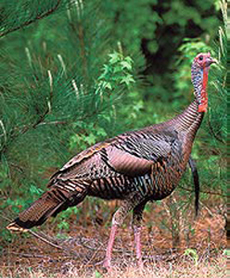
What the Pilgrims ate: the original wild
turkey, a streamlined physique. Photo by
Larry Price | National Wild Turkey
Federation.

  The turkey is a native American bird. As everyone who went to grade school here knows, it was enjoyed by the Pilgrims and their Wampanoag Native American neighbors at a dinner at the Plimouth Plantation, Massachusetts in 1621.

(Plimouth is how the Pilgrims spelled it. In the 17th century, there was no standardization of spelling. The modern town is spellled Plymouth, but the historical site retains its original spelling.)

A celebration of the settlers’ first harvest, this harvest feast was later called “The First Thanksgiving” by 18th-century scholars. The name stuck. Check out more about it below.

Fast forward almost 400 years, and we’re consuming 400 million turkeys a year. Ninety-nine percent of them are Broad Breasted Whites, a breed with short legs and a huge breast, bred to meet Americans’ overwhelming taste for white meat.

As much as we gobble up those big birds, there’s been rumbling that they’re dry, tasteless, and bear no relation whatsoever to that enjoyed by our forefathers (or even our grandparents).

Is that true? We share our notes from a tasting test in the next section. But the choices become confusing, and we’ve addressed them: heirloom versus heritage, wild versus heirloom, and supermarket turkey versus the world.
 
HERITAGE TURKEYS

More than 10 breeds are classified as heritage turkeys: Auburn, Buff, Black, Bourbon Red, Narragansett, Royal Palm, Slate, Standard Bronze and Midget White. These were bred long ago from the original wild turkey.

Much of the ancient breeding stock survived on family farms, kept as show birds, consumed by the farm families and available in tiny quantities in the locale.

But it’s not all deliciousness in Heritage Turkeyland. According to LivestockConservancy.org, the Jersey Buff and Midget White are on the critical extinction list; the Narragansett is on the Threatened list; and the Bourbon Red, Royal Palm, Slate and Standard Bronze are on the Watch list. However…

 
Over the past two decades, as heritage breeds have been “reclaimed” by chefs, expansion of certain heritage breeds has ensured that there’s enough heritage turkey for everyone who wants one.

Does that mean you should reach for the Butterball and forget heritage breeds? Not at all!
 
TURKEY VARIETIES FOR YOUR CONSIDERATION

Thanks to Whole Foods for helping to explain these choices. All of Whole Foods Markets’ turkeys come from farms that have been certified by the third-party verified 5-Step Animal Welfare Rating System. They are raised with no antibiotics, no added hormones and no animal bi-products in their feed.

  • Classic Antibiotic-Free Turkeys. These are Broad Breasted Whites (see top photo above) raised with no antibiotics. They are the perennial customer favorite at Whole Foods Markets. “They offer a trifecta of flavor, quality and value,” says Whole Foods.
  • Organic Turkeys. In addition to being raised without the use of antibiotics, organic turkeys are raised on farms that have been certified organic according to USDA Organic Standards (only certified organic feed, processing and packaging allowed).
  • Heritage Turkeys. These birds are raised slowly and traditionally. They’re old breeds with a more robust turkey flavor, and are typically a bit smaller (usually up to 14 pounds) than classic antibiotic free birds. One reason for their smaller size is that, unlike the majority of today’s commercial breeds, heritage turkeys are single breasted like their wild ancestor.
  •  
    WHAT ABOUT THE BUTTERBALL?

    Our mother was a Butterball loyalist, and made terrific turkey with moist breast meat, using her various techniques that included brining and covering the breast with foil. If you want an ultra moist turkey, but don’t want to do the brining at home, buy a hand-brined bird that’s ready to roast. (NOTE: Remember not to stuff a brined bird because the stuffing will be too salty.)

    A few years ago, we were invited to a tasting of different roast turkeys at a prominent culinary school. Except for the Butterball, which was frozen, the birds were fresh.

    We liked Butterball the best! Here are our tasting notes, with the counsel that it isn’t truly scientific since we didn’t repeat the test. And, birds from different farms could easily yield different results.

  • Organic Turkey. The white meat was pebbly, papery. The dark meat was pink, moist, very tasty.
  • Butterball Turkey. The meatiest breast and drumsticks. Excellent texture and taste, a very “birdy” flavor (what we have come to recognize as great turkey flavor) and classic white meat. The dark meat is darker in color and a little chewier than the organic turkey, but a lovely, pure, excellent flavor. The interesting thing about this bird is that the white meat and dark meat flavors are not at extremes: White meat lovers should enjoy the dark meat, and dark meat lovers should enjoy the white meat. Note that Butterball is a brand, and not all Broad Breasted White turkeys are branded.
  • Heritage Bourbon Red Turkey. A smaller, broad breast with lots of breast meat but smaller drumsticks. The meat was chewy all over without a lot of flavor. The dark meat is very dark; moist but just too chewy with no other payoff.
  • Heritage Standard Bronze Turkey. The meat was chewy, but not as chewy as the Heritage Bourbon Red. The dark meat was moist, the white meat O.K.
  • Wild Turkey. This scrawny, elongated bird looks like a champion marathon runner (see the photo above). There was almost no meat on the upper breast, but it had big thighs. Surprisingly, both white and dark meat were very tender. I wish it had more “birdy” flavor.
  •  
    The next two varieties were included in our taste test; but to be fair, they were at the end of the tasting, and we were all turkeyed out. We were stuffed and predisposed not to like anything else.

  • Heirloom Turkey. Dating back to the early 1920s-1930s, heirloom turkeys were bred to strike a balance between the wild, robust flavor of the heritage breeds, and the mild flavor then (and still) preferred by consumers. They were bred to be double breasted, to provide more white meat than heritage turkeys.
  • Kosher Turkeys. Rabbinical inspectors check each bird to ensure that it is of the highest quality and processed in accordance with the kosher standards of cleanliness, purity and wholesomeness. You can find both conventional and organic kosher birds. TIP: Hold the salt! Kosher turkeys have already been salted. And don’t brine or you’ll have an overly salty bird.
  •  
    So what should you do? The decision is yours. You can go with what you enjoyed last year, or try something new.

    Tip: If you’re feeding a large group or want white meat leftovers, pick up an extra organic turkey breast to make sure you have plenty of white meat to go around.


    THE REAL THANKSGIVING FACTS

    It is a little-known fact that the three-day feast celebrated by the Pilgrims and Wampanoag natives, which we purportedly replicate on the fourth Thursday of each November, was never again repeated in Plimouth Plantation; nor was it deemed by the colonists to be a “Thanksgiving feast.”

    In fact, days of thanksgiving observed by the Pilgrims were devoted to prayer, not feasting. So we are not replicating the Pilgrims’ Thanksgiving Day each year.

    That term was bestowed by academics researching the topic in the 18th century.

    We know that in 1621, the governor of Plimoth Plantation sent four men fowling, and “they four in one day shot as much fowl.” Perhaps it was turkey, perhaps duck, which was also plentiful in the area. The one written record dies not specify.

    We also know that the native Wampanoag guests killed five deer. About ninety of them attended, and the feast lasted for three days.
     
    A Treasure Trove Of Thanksgiving History

    There’s much to know about the Pilgrims and the Wampanoag People that we never learned in school. But Scholastic.com has the best site we’ve seen on the history of Thanksgiving. We love it!

    If people are waiting around for dinner, send them here.

    President Abraham Lincoln declared the first national Thanksgiving Day in 1863, and created the holiday observed since on the fourth Thursday of November.

      iGourmet-roast-turkey-platter-230sq

    nat-turkey-fed-kumquats-cranberries
    Platter garnishing ideas: TOP PHOTO. Add some veggies to the plater. We raw prefer cherry tomatoes and baby pattypan squash, which add color, don’t take away from the cooked fare and can be enjoyed the next day. Photo courtesy iGourmet. BOTTOM PHOTO: Keep it simple with kumquats and whole uncooked cranberries. Photo courtesy National Turkey Federation.


    Comments off

    RECIPE: Apple Crisp With Ambrosia Apples

    Contributing Editor Rowann Gilman returned from picking Ambrosia apples in Washington’s Wenatchee Valley, glowing over the food and restaurants there. If you didn’t catch her report on the apples, here it is.

    She brought back an apple crisp recipe that she can’t wait to have again. Since fall is prime apple crisp season, it arrives just in time.

    If you don’t know the difference between a crisp and a cobbler, crumble, betty and other kin, THE NIBBLE has spelled it out below.
     
    RECIPE: OLD-FASHIONED APPLE CRISP

    Try this old-fashioned recipe with new-fashioned Ambrosia apples. It’s from Chef David Toal of Ravenous Catering in Cashmere, Washington.

    Ingredients For 6 to 8 Servings

    For The Crumb Topping

  • 1 cup old-fashioned rolled oats (do not use quick cooking oats)
  • 1 cup flour
  • 1 cup dark brown sugar
  • 1 teaspoon baking powder
  • ½ teaspoon cinnamon
  • Pinch of salt
  • 2/3 cup butter, cut into small chunks
  •  
    For The Ambrosia Apple Filling

  • 6 to 8 large Ambrosia apples, peeled and thinly sliced
  • 2 tablespoons freshly squeezed lemon juice
  • Zest from one lemon
  • ¼ cup flour
  • 1 teaspoon vanilla extract
  • ½ cup dark brown sugar
  • 1 teaspoon cinnamon
  • Pinch of salt
  •  
    Plus

  • Vanilla ice cream
  •    
    Apple Crisp A La Mode

    Ambrosia Apples

    TOP PHOTO: A crisp is has a crumb or streusel topping. The crumbs can be breadcrumbs, breakfast cereal, cookie or graham cracker crumbs, flour or nuts. Photo courtesy Ambrosia Apples. BOTTOM PHOTO: Ambrosia Apples. Photo by Rowann Gilman | THE NIBBLE.

     
    Preparation

    1. PREHEAT the oven to 375°F. Butter a 13×9-inch baking dish or 6 to 8 individual ramekins and set aside.

    2. COMBINE the oats, flour, brown sugar, baking powder, cinnamon and salt in a medium bowl; toss well to combine. Using a pastry blender or fork, cut the butter into the dry ingredients.

    3. STIR together all of the filling ingredients in a medium bowl. Mix thoroughly to combine. Transfer the filling to the prepared baking dish or ramekins. Top the filling with the crumb topping.

    4. BAKE for 30 to 40 minutes, or until the top is golden brown and bubbly around the edges. Let cool for 15 minutes before serving.

    5. SERVE with a scoop of vanilla ice cream and drizzle some of the juice from the baking dish over top.


    applecrisp-themeaningofpie-230

    blueberry-cobbler-top-melissas-230
    TOP PHOTO: In our book, it isn’t apple crisp
    if it isn’t topped with vanilla ice cream. Photo
    courtesy TheMeaningOfPie.com. BOTTOM
    PHOTO: A cobbler has a dropped dough
    topping that bakes up to resemble
    cobblestones (hence, the name). Photo
    courtesy Melissas.com.

      PAN-BAKED FRUIT DISHES

    Most people use these terms interchangeably. Even Produce Pete called a crisp a cobbler in last week’s episode on NBC. If you really care about food, you’ll care about knowing the differences among pan-baked fruit dishes.

  • BETTY, or brown betty, alternates layers of fruit with layers of buttered bread crumbs. Some modern recipes use graham cracker crumbs.
  • BIRD’S NEST PUDDING is a bit different: A pan of fruit is covered with a batter that bakes into an uneven top with the fruit poking through. It’s served in a bowl topped with heavy cream and spices.
  • BUCKLE, very similar to the French clafoutis (often spelled clafouti in the U.S.), adds fruit, usually berries, to a single layer of batter. When baked, it becomes a cake-like layer studded with berries. It is topped with a crumb layer (streusel), which gives it a buckled appearance. Alternatively, the cake, fruit and crumbs can be made as three separate layers.
  • COBBLER has a pastry top instead of a crumb top. Biscuit pastry is dropped from a spoon, the result resembling cobblestones.
  • CRISP is a deep-dish baked fruit dessert made with a crumb or streusel topping. The crumbs can be made with bread crumbs, breakfast cereal, cookie or graham cracker crumbs, flour or nuts.
  • CROW’S NEST PUDDING is another term for bird’s nest pudding. In some recipes, the fruit is cored, the hole filled with sugar, and the fruit wrapped in pastry.
  • CRUMBLE is the British term for crisp.
  • GRUNT is a spoon pie with biscuit dough on top of stewed fruit. Stewed fruit is steamed on top of the stove, not baked in the oven. The recipe was initially an attempt to adapt the English steamed pudding to the primitive cooking equipment available in the Colonies. The term “grunt” was used in Massachusetts, while other New England states called the dish a slump.
  •  

  • PANDOWDY or pan dowdy is a spoon pie made with brown sugar or molasses. It has a rolled top biscuit crust that is broken up during baking and pushed down into the fruit to allow the juices to seep up. It is believed that the name refers to its “dowdy” appearance. Sometimes it is made “upside down” with the crust on the bottom, and inverted prior to serving.
  • SLUMP is another word for grunt.
  • SONKER or ZONKER, a North Carolina term for a deep-dish cobbler made of fruit or sweet potato.
  •   

    Comments off

    TIP OF THE DAY: Uses For Raw Brussels Sprouts

    At this time of year, Brussels sprouts are in season and many people are debating how to prepare them for Thanksgiving. Our nana and aunt disagreed to the extent that each brought her preferred preparation (one a gratin laden with Gruyère and pancetta, one with a honey balsamic sauce).

    But you don’t have to cook Brussels sprouts. You can slice them or remove the leaves (as with cabbage, remove the bottom core first). Then, make:

  • Brussels sprouts slaw with mustard vinaigrette and optional crumbled cheese, or with apple matchsticks, or simply dressed with lemon and olive oil.
  • “Christmas” slaw: Mixed red cabbage and green Brussels sprouts.
  • Pickled, as a condiment for meats or a sandwich topping (how to pickle vegetables).
  • Sandwiches, using Brussels sprouts leaves instead of lettuce.
  •  
    Be sure you buy freshly harvested sprouts. As they age, they develop stronger and more bitter flavors. This applies equally to the sprouts used in cooked recipes.

    To start you off with raw Brussels sprouts, here’s a tasty salad with holiday accents. There’s another recipe below that combines raw Brussels sprouts with raw shaved root vegetables.

    Prep time is 15 minutes.

       
    Raw Brussels Sprouts

    Raw Brussels sprouts salad with holiday accents. Photo courtesy McCormick.

     
    RECIPE: SHAVED BRUSSELS SPROUTS WITH CRANBERRIES & TOASTED WALNUTS

    Raw Brussels sprouts, dried cranberries, toasted walnuts and toss in a light vanilla-sage vinaigrette for a salad that’s sure to please during holiday gatherings.

    Ingredients For 5 Servings

  • 1/3 cup olive oil
  • 3 tablespoons Champagne vinegar (substitute white wine vinegar)
  • 1/2 teaspoon pure vanilla extract
  • 1/2 teaspoon sage
  • 1/2 teaspoon salt
  • 1/2 teaspoon sugar
  • 1/4 teaspoon black pepper, coarsely ground
  • 1/2 cup dried cranberries
  • 1 container (12 ounces) Brussels sprouts
  • 1/4 cup chopped walnuts, toasted (substitute pecans)
  •  
    Preparation

    1. WASH, trim and thinly shave the Brussels sprouts.

    2. MIX the oil, vinegar, vanilla and seasonings in small bowl with a wire whisk until well blended. Add the cranberries; let stand 30 minutes to allow cranberries to soften.

    3. TOSS the Brussels sprouts and walnuts in a large bowl until well blended. Drizzle with the dressing; toss to coat well. Serve immediately.


    Brussels Sprouts Salad

    Shaved Fall Salad
    TOP PHOTO: Brussels sprouts salad with a
    holiday touch. Photo courtesy Julie Gransee |
    Lovely Little Kitchen | McCormick. BOTTOM
    PHOTO: Shaved fall vegetable salad. Photo
    courtesy GoodEggs.com.

      RECIPE: SHAVED ROOT VEGETABLE SALAD

    This recipe combines raw Brussels sprouts with raw fall root vegetables and some arugula for greenery. It was adapted from a recipe on GoodEggs.com. A bonus: You get to practice your shaving skills on a mandoline.

    Ingredients For 2-4 Servings

  • 1 bunch arugula (substitute baby spinach)
  • 1 watermelon radish, peeled and trimmed (substitute other
    radish)
  • 1 bulb celery root (celeriac), outer skin removed
  • 1 bulb of fennel, trimmed, fronds reserved†
  • 1 cup Brussels sprouts, leaves separated
  • 1 slow-browning apple*
  • 1/4 cup crumbled blue cheese (substitute goat cheese)
  • 1/2 cup extra virgin olive oil
  • 4 tablespoons (1/4 cup) apple cider vinegar (substitute red
    wine vinegar)‡
  • Drizzle of honey
  •  
    *Some varieties of apple brown more slowly when their flesh is cut and exposed to air. Look for Ambrosia, Cameo, Cortland, Empire, Gala, Ginger Gold, Goldrush, Masonova, Shizuka or SnowSweet varieties. Browning is caused by an enzyme called phenolase, that reacts with oxygen. These apple varieties have much less of the enzyme (or a weaker form of it), so they turn brown very slowly, without having to be dipped in acidified water or other slowing technique. They are natural varieties, not genetically modified like the Arctic Apple, a GMO that was bred not to brown for a very long time.

    †While the fronds come free with the fennel, we had fresh dill on hand and used those fronts instead (see Step 3 below).

    ‡Check out the different types of vinegar.

     
    Preparation

    1. CAREFULLY SHAVE the radish, fennel, apple and celery root on a mandoline. (Depending on the size of the celery root, you may need to cut it in half before shaving.)

    2. ROUGHLY CHOP a small handful of the fennel fronds.

    3. COMBINE the arugula, apple, Brussels leaves, celery root, fennel, fennel fronds and radish and in a big bowl. Dress with the olive oil and vinegar, a drizzle of honey, salt and pepper.

    4. ADJUST seasonings to taste and finish with blue cheese crumbles.


    Comments off


    © Copyright 2005-2026 Lifestyle Direct, Inc. All rights reserved. All images are copyrighted to their respective owners.