THE NIBBLE BLOG: Products, Recipes & Trends In Specialty Foods


Also visit our main website, TheNibble.com.

Heirloom Produce Part 1, Heirloom Cucumbers


Charming lemon cucumbers. Photo courtesy
Burpee.com.
  LEMON CUCUMBERS

It’s a lemon…no, it’s a cucumber. We spotted these unusual cukes and the ones in the photo below on the Burpee Seeds website.

Imagine the surprise and delight when you serve a new and different twist on an everyday vegetable—or rather, fruit (see what makes something a fruit or a vegetable below).

The only question with these cute cukes is, how to serve them? Slicing them into discs or a julienne deprives diners of experiencing a round, yellow cucumber.

We like the idea of presenting the entire cucumber as an appetizer on a bed of mesclun or a bed of sliced and vinaigrette-marinated red onions. Serve a dressing or dip on the side: vinaigrette, yogurt-dill-garlic dip, salsa, or another favorite.

Alternatively, we’d bake them whole, like a potato. As with a potato, be sure to pierce the skin three times with a fork, to allow steam to escape.


Bake the cucumbers with the skins on, in a pan filled with 1/2 inch water at 350°F for 25 minutes. Use a cake tester or toothpick to test doneness and continue to cook as desired. You’ll have to experiment the first time you do it, based on oven variation and consistency preferences: You may want an al dente consistency or something softer to the tooth.

Then, season as desired: with salt and pepper, dill, garlic, paprika, tarragon, or other favorite herbs or spices. We recommend fresh dill and fat-free plain yogurt with salt and pepper—which is one of the ways we enjoy a baked potato.

Even raw, the round, lemon-yellow heirloom cucumbers are tender and sweet, excellent for salads as well as for pickling. They have a clean, crisp taste and are never bitter.

Burpee says that the vines yield heavily and for a long time. With 65 days to maturity, you’ve got time to plant them this year. It’s a fun project, and you’ll be able to share the wealth with foodie friends and family.

By the way, if these lemon cucumbers look like yellow squash to you, they’re botanical cousins. Both share the order Cucurbitales and the family Cucurbitaceae. They differ at the genus level: cucumbers belong to the genus Cucumis and squash to the genus Cucurbita.

If you love cucumbers, head to the Burpee website to check out 32 different varieties of cucumber!


CRYSTAL APPLE CUCUMBERS

Do you prefer the look of apples to lemons? Try this heirloom oldie, the Crystal Apple cucumber, which was bred in New Zealand in 1934.

The pale green fruits (yes, cucumbers are a fruit—see below) resemble Granny Smith apples, which themselves originated in New South Wales, Australia in 1868. And yes again, there was a Granny Smith: Maria Ann Smith, who propagated the cultivar from a chance seedling.

The flesh is smooth, tender, and creamy; both the Crystal Apple and Lemon Cucumbers make a bright, scrumptious addition to salads.

There are many varieties of heirloom cucumber. Look for them at farmers’ markets or get the seeds from Burpee and grow your own.

Get your seeds at Burpee.com.
 
While the charming appearance of unusual heirloom produce is a treat for foodies, it can also entice those who think they don’t like the vegetable to try something new.

 
Crystal Apple heirloom cukes from New Zealand look like Granny Smith apples. Photo courtesy Burpee.com.
 
 
THE DIFFERENCE BETWEEN FRUITS & VEGETABLES
 
Fact: Your favorite vegetables may actually be fruits! Tomatoes are fruits, avocados are fruits, chiles and bell peppers are fruits, cucumbers and squash are fruits.

Because they aren’t sweet, people tend to think of them (and classify them in recipes and produce departments) as vegetables. But by botanical definition, fruits carry their seeds on the inside.*

So if someone tells you he doesn’t like vegetables, respond: “These are fruits!”

  • With fruits, the seeds, or pits, are contained in the fruit’s ovary sac. Otherwise said, fruits carry their seeds inside.
  • In most angiosperms (flowering plants that produce fruit), part of the flower develops into the fruit.
  • True vegetables have no “pit” or seed sac. Root vegetables, celery, lettuces, herbs, and the crucifers† are all legitimate veggies.
  • Like fruits, vegetable plants produce flowers before they produce their edible portions. These flowers have seeds.
  • If vegetable plants are not harvested, they will eventually go to seed, which means the seeds develop as the plant stops flowering.
  •  
    ________________

    *The only exception is the strawberry, and its seeds are not used for reproduction.

    †The anti-carcinogen cruciferous family Brassicaceae (also called Cruciferae), includes arugula, bok choy, broccoli, Brussels sprouts, cabbage, cauliflower, collard greens, cress, daikon, horseradish, kale, kohlrabi, mizuna, mustard, radish, rutabaga and turnips, among other vegetables.


    CHECK OUT WHAT’S HAPPENING ON OUR HOME PAGE, THENIBBLE.COM.


    Comments off

    TIP OF THE DAY: How To Grill The Perfect Steak


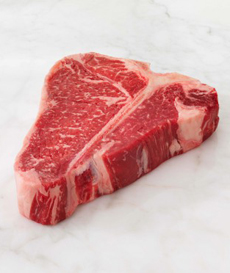
    Ready for the grill: a beautiful porterhouse steak from AllenBros.com.
      Chef Jan Birnbaum of EPIC Roasthouse in San Francisco enjoys a good steak on the grill. In fact, he designs his cookout menus so that he can cook everything outside!

    Here are Chef Jan’s tips for grilling the perfect steak.

    1. Don’t cook cold meat.

    Always allow meats to rest at room temperature for up to two hours, depending on the size of the meat. Meat directly out of a refrigerator is typically about 38°F.

    For best results, let it warm up a bit and put meat on the grill when it reaches an internal temperature of 50°-55°F degrees. Tempered meat produces a more desirable even-cooked color and texture, whether your goal is rare or medium.


    2. Sear first; then cook low, slow, and even.

    It’s best to start a steak over higher heat: The surface caramelizes and provides a better mouth feel and visual appearance, as well as a more assertive flavor. Then lower the heat so it will penetrate deeper, thus improving the chew and creating a more lush texture.

    Consider removing the meat from the heat altogether midway in cooking, and then return the it to the high direct heat to complete the cooking.

    3. Always rest the meat after grilling, before cutting and serving.

    The hot juices need to settle back into the flesh. Slice into hot meat and they’ll dribble out.

    Food continues to cook after it has been removed from heat. Once the meat is off the heat it may continue to rise in temperature another 10%. This process is known as endothermic energy.


    4. Cook chewier cuts at higher temperatures.

    From the most tender (filet mignon) to the most chewy cut (sirloin, for example), the tenderness and depth of flavor tend to be inverse to the texture of the meat. This is a function of how the animal used the particular muscle.

    Muscles that get more exercise produce meat that is less tender but with more depth of flavor. Cook these meats at hotter temperatures; rest them for less time and slice them thin. Muscles that are load bearing are more tender but less flavorful.

    5. Live fire is best.

    The smokey nuances of live fire are delicious on meat. The combination of wood flame and a coal bed enhances the complexity of the eating experience. Building the fire is key to achieve this effect. Chef Jan likes a combination of walnut, oak and a bit of mesquite charcoal.

     
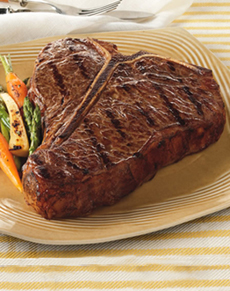
    The porterhouse grilled to perfection. Photo courtesy AllenBros.com.
     

  • The size of the fire will be based on the amount of food you have to cook; however, a mature developed fire beats a quick and immature fire. Don’t cook on flame: Cook on a developed ember bed.
  • Start the fire with paper and walnut. Walnut is lighter, less dense and burns easily with more flame; it also requires less oxygen to produce a vigorous flame. When the walnut has burned by 20%-40%, add a bit of mesquite charcoal. The walnut fire will enable the mesquite to catch well.
  • Once the mesquite has begun to establish itself, add a log or two of a heavier, harder wood such as almond, oak or pecan. By now the first wood has burned and developed the base of an ember bed, and the second wood is progressing.
  • Once the hard wood has begun to become part of the ember bed, you are getting a fire that’s ready to cook on. This process is likely to take up to an hour.
  •  
    6. Choose the proper tools.

    Chef Jan prefers a professional meat fork instead of tongs; it offers more control. This fork, from Taylor, has a built-in digital thermometer. Use the tip of the fork and pierce the meat as little as possible (the juices will run out of pierced meat).

    Fish spatulas are good for small delicate items like fish and vegetables. The bigger, heavier jobs are best for a steel hamburger spatula.
    MORE GRILLING TIPS

    Don’t freestyle it; learn the skills.
      

    Comments off

    RECIPE: Cookie Fruit Pizza


    The fun way to serve fruit and cookies. Photo
    courtesy Betty Crocker.
      Cookies and fruit are an easy dessert; but with a little extra effort, you can create a memorable cookie and fruit pizza.

    This recipe from Betty Crocker has a prep time of 20 minutes and a total cook time of 1 hour, 20 minutes. The recipe serves 12.
    COOKIE FRUIT PIZZA RECIPE

    Ingredients

  • 1 pouch (1 lb 1.5 oz) Betty Crocker sugar cookie mix
  • 1/2 cup butter or margarine, melted
  • 1 egg
  • 1 cup whipping cream
  • 1/2 cup cream cheese frosting (Betty Crocker Rich & Creamy or make your own with this recipe)
  • 3-1/2 cups assorted fresh fruit
  •  
    Preparation

    1. PREHEAT oven to 375°F. Lightly spray 14-inch pizza pan or 15×10-inch baking pan with cooking spray.

    2. STIR cookie mix, melted butter and egg in a medium bowl until a soft dough forms. Press dough in bottom of pan. Bake 10 to 15 minutes or until light golden brown. Cool completely, about 45 minutes.

    3. BEAT whipping cream in a chilled medium bowl with electric mixer on high speed, until soft peaks form. Gently stir frosting into whipped cream. Spread over cookie pizza. Arrange fruit on top.

    4. TO SERVE, cut with a knife or pizza cutter.
     
    FIND MORE OF OUR FAVORITE COOKIE RECIPES.


    Comments off

    RECIPE: Asian Beef Skewers (Satay)

    Hot dogs, burgers and steaks are traditional Memorial Day fare. But you can travel beyond America and enjoy some global cuisine on the grill.

    This recipe is from Andrew Zimmern, host of the Travel Channel series Bizarre Foods. There’s nothing bizarre about this recipe, though.

    “Roadside eateries in Cambodia serve little skewered dishes from morning to closing time, and this simple beef and lemongrass version of mine is the type of recipe that grill freaks will turn to all year long,” says Zimmern. “I also use the same recipe for chicken parts, pork chops, etc., with equal success.”

    BEEF & LEMONGRASS SKEWERS

    Ingredients


    Cambodian-style beef skewers with spicy peanut sauce. Photo courtesy Andrew Zimmern.

  • 24 ounces dry-aged boneless trimmed beef tenderloin or dry-aged beef sirloin
  • 2 peeled and minced garlic cloves
  • 2 stalks lemongrass
  • 1 tablespoon coriander seeds
  • 2 tablespoons brown sugar
  • 1/4 cup fish sauce
  • 1/4 cup crushed dry-roasted peanuts for garnish
  • Preparation

    1. SLICE beef into long thin strips, 1/8 inch x 1 inch x 5 inches long.

    2. COMBINE the garlic, lemongrass, coriander, sugar and fish sauce in a mortar and pestle until mixture is a paste. Use a blender or food processor if you have to.

    3. MARINATE meat for 12 to 24 hours in this mixture.

    4. THREAD beef onto skewers, grill briefly to medium rare over high direct heat and serve with spicy peanut sauce for dipping, garnishing with the nuts.


    Another word for this dish is satay, a Southeast
    Asian dish consisting of small pieces of meat,
    poultry, fish or seafood, grilled on a skewer and
    served with spiced sauce. Photo courtesy Healthy
    In A Hurry
    cookbook.
     

    SPICY PEANUT SAUCE RECIPE

    Ingredients

  • 1/4 cup roasted ground peanuts
  • 1 tablespoon peanut oil
  • 2 minced garlic cloves
  • 2 teaspoon chili paste
  • 2 tablespoons tomato paste
  • 1/2 cup chicken broth
  • 1/2 teaspoon sugar
  • 1 tablespoon peanut butter
  • 1/4 cup hoisin sauce
  • 1 fresh red chili, seeded and thinly sliced
  •  
    Preparation

    1. HEAT the oil in a small pan and add the garlic, chili paste and tomato paste.

    2. FRY until the garlic turns light golden brown.

    3. ADD the broth, peanut butter, hoisin and sugar, and simmer for 3 minutes.

    4. COOL and add the peanuts and chilies.
      

    Comments off

    TIP OF THE DAY: Celery Salad

    Celery doesn’t get a lot of respect. In most recipes, it’s an also-ran.

    But great American cheese maker Paula Lambert shows how it can be a main ingredient, in her Shaved Fennel and Celery Heart Salad.

    You can eat this salad as an appetizer or side, as a base for a poached chicken breast or salmon fillet, or as cheese course with a pungent washed rind cheese. The hazelnut oil is an inspired touch.

    The recipe is from Lambert’s cookbook, Cheese Glorious Cheese: More Than 75 Tempting Recipes for Cheese Lovers Everywhere.

    If you can’t find fennel, use 6 ribs of celery. And use this recipe as a jumping-off point to create your own celery salads.


    Photo © Ulterior Epicure, all rights reserved.

    CELERY & FENNEL SALAD RECIPE

    Ingredients For 4 Servings

  • 4 ribs celery hearts
  • 3 ribs of fennel
  • 4 ounces washed rind cheese, such as Blanca Bianca or Taleggio
  • 1/2 cup toasted pecans
  • 1/2 cup finely chopped yellow onions
  • 2 tablespoons hazelnut oil
  • 2 tablespoons extra virgin olive oil
  • 2 tablespoons sherry wine vinegar
  • 1/2 teaspoon salt
  • 1/2 teaspoon freshly ground black pepper
  • Optional garnish: fresh dill
  •  


    Bianca Bianca is a pungent (“srinky”) raw
    milk cheese with a creamy, soft texture. It’s
    washed with white wine as it ages. Photo
    courtesy Mozzarella Company.
     

    Preparation

    1. REMOVE the strings on the outsides of the ribs of celery and fennel using a vegetable peeler. Cut the ribs on the diagonal, into slices about 1/4 inch thick.

    2. PLACE the celery and fennel in a medium-sized bowl.

    3. CUT the cheese into thin slices and then cut again into small pieces about 1 inch square; add to the bowl.

    4. CHOP the pecans coarsely and add to the bowl. Add the onions.

    5. MAKE the vinaigrette: In a small bowl, combine the oils, vinegar, salt and pepper. Whisk the ingredients until the vinaigrette is emulsified.

    6. POUR the vinaigrette over the salad ingredients. Toss well to coat the salad. The salad can be served immediately or set aside for up to an hour to marinate. Plate, garnish and serve.


    BIANCA BIANCA WASHED RIND CHEESE

    Blanca Bianca was inspired by French washed rind cheeses: soft in texture and very flavorful. The Mozzarella Company makes it in a six-inch wheel.

    As a washed rind cheese, it has a pungent aroma that comes from the bacteria Brevibacterium linens (B. linens) that develops on the exterior of the cheese.The rind is tender and delicious, and the interior paste is pale and creamy.

    “The flavor is assertive but not too strong,” says Lambert. “To make Blanca Bianca we heat farm-fresh cow’s milk and then add cultures and rennet. Once the milk coagulates, we cut the curds and gently stir them as they mature. Finally the curds are poured into molds to drain. The cheeses are salted in a brine and then placed on racks to dry.

    “During the next two months, while the wheels of cheeses are maturing, they are massaged daily with white wine. The USA laws governing raw milk cheeses mandate that all raw-milk cheeses must be aged for a minimum of 60 days before they are sold. So, after 60 days, Blanca Bianca is ready to sell.

    “However, we have found that additional aging allows the flavor to intensify and the texture to soften, so we age our Blanca Bianca for three or four months. We have a limited quantity of Blanca Bianca because we produce only 20 wheels at a time. It is wonderful with both red and white wines, and it pairs very nicely with late harvest dessert wines. It is good with fruits such as pears and apples. It’s also great with toasted nuts and dried fruits as well as fruit pastes, jams and chutneys. It is especially good in salads.”

    Check your local cheese store or purchase Bianca Bianca online directly from MozzCo.com, Mozzarella Company’s website.


    Comments off

    The Nibble Webzine Of Food Adventures
    RSS
    Follow by Email


    © Copyright 2005-2026 Lifestyle Direct, Inc. All rights reserved. All images are copyrighted to their respective owners.