THE NIBBLE BLOG: Products, Recipes & Trends In Specialty Foods


Also visit our main website, TheNibble.com.

TIP OF THE DAY: Coffee Flavor Wheel

Coffee Flavor Wheel

/home/content/p3pnexwpnas01 data02/07/2891007/html/wp content/uploads/Flavor Wheel 2015 SCAA detail 230
The new Coffee Flavor Wheel offers essential training on how to understand the flavors and aromas of coffee. Photos courtesy SCAA.org.

  One of the ways you get to be expert in a category—beer, chocolate, coffee, olive oil or wine, for example—is to learn to identify the flavor elements.

We do this with a flavor wheel: a chart that identifies the different flavors and aromas of the particular food. Then, as we taste the food, we learn to identify its specific flavors and aromas by referencing the wheel.

Take a look at THE NIBBLE’s Chocolate Flavor Chart and Olive Oil Flavor Chart, plus the seminal Wine Flavor Wheel developed at UC Davis, which not only identified all the flavors but grouped them for the first time.

Twenty-one years ago, the Specialty Coffee Association of America (SCAA) created the Coffee Taster’s Flavor Wheel to help professionals identify the sensory attributes of any particular [brewed] coffee bean. It became one of the most valued resources in the industry.

Earlier this year, the SCAA released an updated version, which is a valuable tool for any coffee lover who wants to better understand it. The Coffee Wheel is instrumental to understanding flavor attributes—what we call flavor notes.

Using the World Coffee Research Sensory Lexicon as a foundation, dozens of industry professional—sensory experts, research scientists, coffee tasters, buyers and roasters—collaborated for more than three years to update the Lexicon and the Wheel.

The SCAA notes that this is the largest and most collaborative piece of research on coffee flavor ever completed, and provides a new set of vocabulary for industry professionals.

“This groundbreaking new tool will shift the way our industry thinks about and utilizes coffee flavor,” said the news release.

Here are more details about the research and development that went into creating the wheel.


GET YOUR OWN COFFEE WHEEL

An 18″ x 25″ poster of the wheel is $20 at Store.SCAA.org.

We have a much more simplistic list of coffee aromas and flavors on TheNibble.com.
 
MORE ABOUT COFFEE

  • The History Of Coffee
  • How To Make A Good Cup Of Coffee
  • Illustrated Glossary Of Coffee Terms
  • Illustrated Glossary Of Espresso Terms
  •  
    Here’s a truly great product:

  • Coffee OFF Stain Remover
  •   Black Coffee
    Master the chart and you’ll become the coffee version of a wine expert: able to analyze any cup off coffee. Photo courtesy OgawaCoffeeUSA.


    Comments off

    RECIPE: Green Candy Apples

    Green Chocolate Apple
    For St. Patrick’s Day, make chocolate-covered apples with green-tinted white chocolate. Photo courtesy Aiya Matcha.
      We received a recipe from Aiya Matcha, for Matcha White Chocolate Candy Apples. The matcha tea powder colors the chocolate green. Voilà: a snack for St. Patrick’s Day.

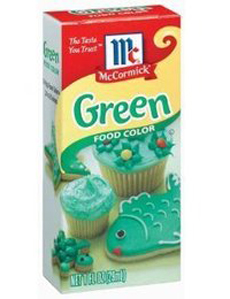
    We whipped up a batch. Matcha imparts a sophisticated flavor to the chocolate, but not all tasters were fans of green tea. For them, we went to Plan B, using green food color instead of matcha. Depending on how many drops of food color you use, you can get a much deeper green hue.

    Whichever you prefer,
     
    RECIPE: GREEN CHOCOLATE APPLES

    Ingredients For 6 Apples

  • 6 small granny smith apples
  • 6-8 ounces white chocolate chips (we use Guittard)
  • 1 teaspoon matcha tea or green food color
  • Choice of garnishes: chopped nuts, coconut, mini chips, sprinkles, or the St. Patrick’s garnishes below
  • Ice pop sticks or substitute (check out these bright green sticks)
  •  
    St. Patrick’s Day Theme Garnishes

  • Green Sanding Sugar
  • Green Sprinkles
  • Shamrock sprinkles
  • St. Patrick’s Nonpareils
  •  
    Christmas Variations

  • CHRISTMAS APPLES #1: Make half with green apples and green colored chocolate, half with red apples and red-colored chocolate.
  • CHRISTMAS APPLES #2: Add red candy garnishes to the green chocolate in the recipe above.
  •  
    Preparation

    1. REMOVE the stems and wash the apples. Pierce the sticks into the stem end.

    2. PLACE 6-8 ounces (about ½ bag) of white chocolate chips into a microwavable bowl. Microwave for 30 seconds, stir, then microwave for 30 more seconds. If the chocolate chips are not yet melted, microwave in 10 second intervals, stirring in-between.

    3. SIFT the matcha over the melted chocolate, or add green food color drop by drop to the desired hue. Stir with a spoon until blended.

    4. DIP and coat the apples with white chocolate mixture (it may be helpful to use a spatula to smooth the chocolate mixture over the apple). Roll or dip the bottom third of the apple in the garnish. Place onto parchment or wax paper to dry.
      

    Comments off

    TIP OF THE DAY: Gochujang Sauce, The Next Sriracha

    Over the past five years, sriracha, a Thai hot sauce that most of us had never heard of previously, has emerged as the hot sauce of choice. It’s more flavorful than many of the big-brand American hot pepper sauces that had long been the norm.

    But climbing up the ladder is a new (to most Americans) hot sauce alternative: gochujang (go-CHOO-jang), sometimes spelled gochuchang). This Korean fermented hot sauce is a mixture of red chili powder, glutinous rice powder, fermented soybeans, salt, other seasonings like garlic and onion, and a bit of sugar syrup or malt. It is then aged.

    As a result, it is even more complex in flavor than sriracha. Some chefs call it “an umami bomb,” combining spicy, salty, sweet and earthy notes.

    Gochujang is a staple Korean condiment also known in English as Korean hot pepper paste. Sweet heat with the consistency of hoisin sauce, it’s used in a wide range of Korean dishes, from bibimbap to dukbokki (stir-fried rice cakes) to tteokbokki to something more familiar: fried chicken. And of course, it can be used in American recipes instead of barbecue sauce, ketchup, and other condiments.

    Some details:

  • Gochujang is a red-colored paste, made from Korean chili peppers, fermented soybeans, and salt. It is the “lifeblood” of Korean dishes.
  • Some versions are modified, where gochujang paste is mixed with other ingredients to create a smoother consistency and more flavor.
  •  
     
    USING GOCHUJANG

    Gochujang deepens the flavors (and color!) of everything from broth to noodle dishes and vegetables. Incorporate it into a recipe, or serve it as a table condiment so people can add their own.

    A group of 18 recipes from Bon Appetit includes recipes for, among others:

  • Bibimbap
  • Chicken Wings
  • Congee
  • Grilled Sesame Shrimp
  • Hangar Steak
  • Kimchi
  • Pork Ribs and Pork Shoulder
  • Stews, including Sundubu with Clams and Tofu
  • Veggies: Brussels Sprouts and Tofu Stir-Fry, Roasted Winter Squash, Sautéed Cabbage
  •  
    When mixed with Korean red miso (doenjang), it creates ssamjang, a condiment for lettuce wraps (ssam) and raw or blanched vegetables.

    Add some gochujang to mayonnaise as a spread or a dip for crudités or fries. Serve it plain with eggs. Put it on a burger or hot dog. You can blend in fruit for an even more complex sauce.

    Add it to dressings, marinades, and sauces to add some spicy flavor. You can make a Korean-style arrabiata sauce for pasta, or pair it with other noodle dishes and rice.

    Although it contains no tomatoes, some Americans think of gochujang as spicy Korean ketchup.

    What are you waiting for? Add it to your shopping list!
     
     
    BUT WHAT BRAND?

    All commercial gochujang is imported, and some labels are only in Korean.

    “The best gochujang” is a matter of personal taste, like any condiment. You may like more sweetness, or you may like less. If you’re in an Asian market with multiple options, you could ask a clerk to explain the differences.

    However, as with ketchup, mustard, soy sauce, and other condiments, you won’t find a disappointing one.

    That said, look for the Chung Jung One brand, which has a squeeze bottle with an American label (photo #1) as plus packaging in a traditional tub for the Korean market (photo #2).

    If you pursue a close relationship with gochuchang, you may discover different styles, including chalgochujang (sweet rice gochujang) and taeyangcho (sundried, i.e. the paste is actually dried under the sun).


    Gochuchang Sauce
    [1] Gochujang sauce is also called paste because of its consistency. If you can’t find it locally, you can buy it online or make your own (photos #1 and #2 © Chung Jung One).

    A Package Of Gochuchang Hot Sauce
    [2] The same brand in a traditional Korean tub style (photos #1 and #2 courtesy Chung Jung One).

    Gochuchang Sauce
    [3] A bowl of gochujang, served as a condiment (photo © Trifood).

    Korean Fried Chicken
    [4] Spicy fried chicken with gochuchang. Here’s the recipe from SBS.com.au.


    [5] Bibimbap is served sizzling hot. The egg is broken and mixed in with gochujang paste (photo © Barn Joo | NYC).


    CHECK OUT WHAT’S HAPPENING ON OUR HOME PAGE, THENIBBLE.COM.


    Comments off

    The Nibble Webzine Of Food Adventures


    © Copyright 2005-2026 Lifestyle Direct, Inc. All rights reserved. All images are copyrighted to their respective owners.