THE NIBBLE BLOG: Products, Recipes & Trends In Specialty Foods


Also visit our main website, TheNibble.com.

HOLIDAY: Celebrate Nutella’s 50th Anniversary

Nutella fans: This one’s for you.

May 18th is the 50th anniversary of the debut of Nutella hazelnut spread. Do something special for yourself and fellow Nutella lovers:

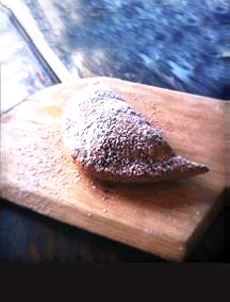
Sink your teeth into the Calzone di Nutella ($15), created by chef Chris D’Amico at New York restaurant Gemma in the Bowery Hotel.

A calzone is a filled savory pastry that originated in Naples. It is made of pizza dough and folded to resemble a half-moon.

Chef D’Amico created a dessert version of the calzone, dusted with powdered sugar and stuffed with a combination of rich Nutella spread and creamy ricotta cheese.

At the restaurant, which includes an outdoor café and great people watching, the dessert can be shared by two or more people.

Or, make it at home. Thanks to Chef Chris for the recipe!


nutella-calzone-Gemma-at-TheBoweryHotel-230

Nutella calzones. Photo courtesy Gemma Restaurant | NYC.


NUTELLA CALZONES (CALZONE DI NUTELLA)

Ingredients

For The Dough

  • 3.5 cups high-gluten flour
  • 1/4 ounce fresh yeast
  • 1/2 tsp sugar
  • 1-1/2 cup warm water
  • 1 teaspoon sea salt
  • 2 teaspoons extra virgin olive oil
  •  
    For The Filling (Per Calzone)

  • 2 teaspoons Nutella
  • 2 teaspoons ricotta cheese
  • Garnish: cocoa powder, powdered sugar or chocolate syrup drizzle
  • Optional garnish: whipped cream, chocolate or vanilla ice cream
  •  

    nutella-amz-230
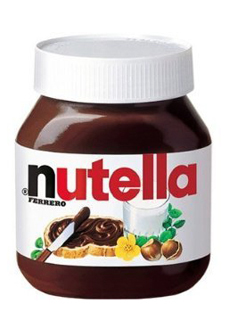
    One of America’s favorite sweet spreads.
    Photo courtesy Nutella USA.
      Preparation

    1. DISSOLVE the yeast and sugar in the water, using a large bowl, and let sit for 10 minutes. Stir the salt and oil into the yeast solution.

    2. MIX in 2-1/2 cups of the flour. Turn dough out onto a clean, well-floured surface, and knead in more flour until the dough is no longer sticky.

    3. PLACE the dough in a well-oiled bowl, and cover with a cloth. Let the dough rise until double; this should take about 1 hour. Punch down the dough and form a tight ball. Allow the dough to relax for a minute before rolling out.

    4. COMBINE Nutella and ricotta cheese.

    5. PREHEAT oven to 500°F. Stretch out the dough. Place the filling on 1/3 of the dough, leaving the other 2/3 to form the cover.

    6. PRESS the calzone tightly closed and cut off any excess dough. Place in oven immediately. Bake until the crust is golden brown, about 15 to 20 minutes. Garnish as desired.


    NUTELLA HISTORY

    Nutella hazelnut spread, in its earliest form, was created in the 1940s by Pietro Ferrero, a pastry maker and founder of the Ferrero company.

    At the time, there was very little chocolate because cocoa was in short supply due to World War II rationing. To extend the chocolate supply, Mr. Ferrero used hazelnuts, which are plentiful in the Piedmont region of northwest Italy.

    The spread is a combination of roasted hazelnuts, skim milk and a touch of cocoa. It is an all-natural product: no artificial colors or preservatives.

    Nutella was first imported to the U.S. more 25 years ago by Ferrero U.S.A., Inc. Its popularity has grown steadily, and it is the number one selling branded hazelnut spread in America.
     
    WHAT IS HIGH-GLUTEN FLOUR?
    Different types of flour are milled for different baking purposes. Protein content and gluten content affect the elasticity of the dough.

    High-gluten flour has a protein level of 14-15%. Higher protein flour, milled from hard wheat, makes firmer, stronger dough. It is used to make pizza crusts, calzones and bagels, among other items.

    All-purpose flour, by contrast, is a blend of hard and soft wheats and has a protein content of 10% to 11%. It is ideal for hearty cookies, like chocolate chip and oatmeal, and some pastries.


    Comments off

    TIP OF THE DAY: Try Baked Oatmeal

    If you love oatmeal—or if porridge isn’t your thing—here’s a new way to try it: baked oatmeal!

    Simple yet delicious, kids can help measure and stir ingredients. The recipe finishes in the oven while you’re brewing the coffee.

    Prep time is five minutes, cook time is 40 minutes.

    Thanks to Driscoll’s and recipe developer and blogger, Maria Lichty from Two Peas and Their Pod, for this delicious idea. Here are more berry recipes from Driscoll’s.
     
     
    RECIPE: STRAWBERRIES & CREAM BAKED OATMEAL

    Ingredients For 6 Servings

  • 2 cups old fashioned oats/rolled oats (the different types of oats/oatmeal)
  • 1/3 cup light brown sugar
  • 1 teaspoon baking powder
  • 1/2 teaspoon ground cinnamon
  • 1/2 teaspoon salt
  •  

    baked-oatmeal-driscolls-230sq

    For a treat, bake oatmeal like a casserole. Photo courtesy Driscoll’s.

  • 2 cups heavy cream
  • 1 large egg
  • 3 tablespoons unsalted butter, melted
  • 1-1/2 teaspoons vanilla extract
  • 1-1/2 cups sliced hulled strawberries or other berries (we used a combination of blueberries, raspberries and strawberries)
  •  

    Nutritious rolled oats in a rustic setting.  Shallow dof
    Old-fashioned oats. Photo by Kelly Cline |
    IST.
      Preparation

    1. PREHEAT oven to 350°F. Grease an 8 x 8-inch baking pan and set aside.

    2. STIR together oats, brown sugar, baking powder, cinnamon and salt in a large bowl.

    3. WHISK together heavy cream, egg, butter and vanilla in a separate bowl. Pour heavy cream mixture over oat mixture and stir until combined. Add 1 cup sliced strawberries.

    4. POUR into prepared baking dish. Gently pound baking dish on the countertop to make sure cream moves through oats. Scatter remaining strawberries over top of the oatmeal.

    5. BAKE 40 minutes, or until top is golden brown and oat mixture has set. Remove from oven and let cool 5 minutes. Serve warm.
     
    WHY IS OATMEAL SO GOOD FOR YOU?

    Check out these oatmeal health benefits.

     
    WHAT IS PORRIDGE?

    Porridge is a dish made by boiling ground, crushed, or chopped cereal grains in water or milk. Optional flavorings can be added, from spices to fruits or cheese.

    Porridge is usually served hot in a bowl or dish. It may be sweetened with sugar or served as a savory dish (cheese grits is an example).

    Any cereal grain can be turned into porridge. Buckwheat, oats, wheat (Cream of Wheat, Wheatena) and rice (Cream of Rice) are most popular in the U.S. Worldwide, barley, fonio, maize, millet, rice, rye, sorghum, triticale and quinoa are also made into porridge.


    Comments off

    FOOD FUN: Gnocchi For Breakfast


    [1] Pasta for breakfast: gnocchi “home fries” (photo and recipe © Giovanni Rana.)


    [2] Raw gnocchi (photo © iGourmet).

    sauce-pasta-bag-230
    [3] Giovanni Rana’s potato gnocchi are just one of the company’s delicious fresh pastas and sauces (photo by Elvira Kalviste | © THE NIBBLE.


    [4] Parmigiano Reggiano, ready to grate (photo © Whole Foods Market).


    Here’s a fun idea for breakfast or brunch: “Gnocchi Home Fries,” made with potato gnocchi instead of sliced potatoes, in a yummy sage brown butter.

    Sauté with pancetta, onions and rosemary.

    Or, substitute sausage.

    Either way, top with freshly-grated Parmigiano-Reggiano cheese.

    Finally, top your gnocchi “home fries” with a poached or fried egg.

    This recipe is courtesy of Giovanni Rana, which used its delicious Gnocchi di Patate (potato gnocchi) Home Fries with Pancetta and Sage Brown Butter Fried Eggs for a romantic brunch.

    Find more recipes on the website.
     
     
    RECIPE: POTATO GNOCCHI HOME FRIES

    Ingredients

    For The “Home Fries”

  • ½ – 8.8-ounce package Giovanni Rana Gnocchi di Patate
  • 2 teaspoon extra virgin olive oil
  • 1 ounce pancetta or bacon, cut into ¼” strips (easier to cut when frozen) (substitute sausage)
  • 1/2 onion, diced
  • ½ teaspoon finely chopped rosemary or sage
  • 2 teaspoon vegetable oil, such as canola
  • 1 tablespoon unsalted butter
  • Kosher salt, to taste
  • 2 tablespoons Parmigiano-Reggiano cheese, grated
  •  
    For The Eggs

  • 2 tablespoons unsalted butter
  • 6 leaves fresh sage
  • 2 eggs
  • Kosher salt, to taste
  • Freshly ground black pepper, to taste
  •  
    Preparation

    1. SAUTÉ the pancetta or bacon over medium/low heat with extra virgin olive oil in a nonstick pan. When crispy, remove to a paper towel to drain.

    2. ADD the onions and chopped rosemary and sauté over medium heat until the onions are tender and starting to brown; about 7-9 minutes. Remove to a bowl and wipe the pan clean.

    3. HEAT 2 tablespoons of vegetable oil in the nonstick pan over high heat until almost smoking. Add the gnocchi and sauté, constantly tossing to prevent burning, until they are golden brown. Turn off the heat.

    4. RETURN the onions and pancetta to the pan. Add 2 tablespoons of unsalted butter and toss until the butter is melted. Empty the contents of the pan into a bowl. Add the Parmigiano-Reggiano and toss.

    5. MELT 2 tablespoons of unsalted butter in a small nonstick pan over medium heat. Add the fresh sage leaves and swirl pan until the butter begins to brown. Turn off the heat off and allow the pan to cool slightly—about 1 minute.

    6. ADD the eggs and season with kosher salt and freshly ground black pepper. Fry the eggs on medium/low heat to the desired doneness, spooning some of the brown butter over top of them a few times. Cook for about 2-1/2 minutes for sunny side up.

    7. PLATE the home fries and top with the fried eggs.


    Comments off

    TIP OF THE DAY: Creme Fraiche, Mascarpone, Sour Cream

    creme-fraiche-in-pail-beauty-vtcreamery-230
    [1] In photos, four cream-based products can look alike. But the flavor, weight and production techniques differ. Vive la différence: they’re all wonderful. This is crème fraîch (photo © Vermont Creamery).

    Types Of Cream Sour Cream
    [2] Sour cream is thicker and tart notes (photo © Wisconsin Milk Marketing Board).


    Cream is easily whipped into a delicious topping or filling. With a bit more effort at the dairy, it can be turned into enriched creams, including clotted cream, crème fraîche, mascarpone, and sour cream. Each has its own distinct character, and each is a gift to people who love a bit of richness.
     
     
    IT STARTS WITH MILK

    Cream starts with milk, a suspension of whey proteins, casein proteins, and globules of fat in water.

    The largest amount of the suspension is fat (milkfat a.k.a. butterfat), which is also the lightest component.

    If the milk is not homogenized, it rises to the top to a rich cream layer. The longer the milk sits at warm temperatures (which speed separation), the richer and thicker the cream becomes.*

    Cream can also be thickened by fermenting with Lactobacillus bacteria, which is how three of our four featured, enhanced creams are made.

    In the U.S., the raw milk is heated (pasteurized) and the fat (cream) is separated (leaving nonfat milk). It can then be processed into different products:

  • Clotted cream/Devon cream, which relies on boiling and resting time to thicken (double cream is similar to clotted cream but with a higher fat content).
  • Crème fraîche, cream cultured/thickened with Lactobacillus bacteria, a lighter, thinner alternative to sour cream†.
  • Mascarpone, the Italian version of crème fraîche, but thicker and sweeter, soured by a lactic culture or an acid like vinegar or cream of tartar.
  • Sour cream, cream that gets its sharp, tart edge by adding Lactobacillus culture.
  •  
     
    The cultured creams all have a delightful, piquant edge. We like them even better than the simple, often-too-sweet whipped cream, to garnish chocolate cakes and other sweet, rich desserts.
     
    ____________________

    *Historically, dairy farmers skimmed the cream from shallow pans of milk, let it sit again, and did this repeatedly to get the richest cream. Modern dairies use massive centrifuges to perform the same task in seconds (and produce creams with a consistent percentage of milk fat).

    †Note that depending on the producer, crème fraîche can be thicker than sour cream, or vice versa.

     
    MILK FAT COMPARISONS

    These comparisons help to explain the difference among products created from milk. Note that the percentages are averages; different dairies can manage their recipes to include more or less fat. (Note that milk fat/milkfat is the same as butter fat/butterfat.)

  • Nonfat milk: 0%-1% fat
  • 1% and 2% milk: 1%-2% fat
  • Lowfat milk: 2%-4% fat
  • Whole milk: 4% fat
  • Half-and-half: 12%-15% fat (it’s half milk, half cream)
  • Sour cream: 18%-20% fat
  • Light cream: 18%-30% fat
  • Heavy cream (whipping cream): 30%-36% fat
  • Crème fraîche: 35%-40% fat
  • Heavy whipping cream: 36%-44% fat
  • Manufacturer’s cream: 44% fat or higher (not available in consumer markets)
  • Double cream: 43%-48% fat or higher
  • Clotted cream/Devon cream: 60% fat
  • Mascarpone: 70%-75% fat
  • Butter: 80%–84% fat
  •  
     
    CLOTTED CREAM or DEVON CREAM

    Heavy whipping cream is warmed gently to a near boil, so the fat globules float to the top and form a firm layer. It is then left to cool for a day (photo #4).
    This is the famed clotted cream of Devon and Somerset, England: a very rich, thick delight of about 60% milk fat, with flavors both creamy and buttery.

    Clotted cream is popularly enjoyed with fruit preserves on scones, on other baked goods, or as a topping for fresh fruit.
     
     
    CRÈME FRAÎCHE

    Developed in France, crème fraîche (pronounced crehm fresh) is a thinner form of sour cream, with a more delicate texture and tartness, and a higher fat content (photo #1).

    Cream is gently heated and then inoculated with bacterial cultures. The bacteria consume the cream’s natural sugars, producing lactic acid in exchange.

    This gentle acidity thickens the cream and imparts a mild, refreshing tang (less tang than sour cream because the amounts of the bacterial cultures used are far fewer).

    Crème fraîche is used as a topping, in sauces and other recipes. Aside from the celestial taste, the best thing about crème fraîche is that it can be heated and used in sauces without curdling.

    And, you can make it at home. Here’s a crème fraîche recipe; a quicker alternative is to blend equal amounts of heavy whipping cream and sour cream.


    MASCARPONE

    Mascarpone takes a third approach to thickening cream (photo #3).

    The result is the richest, sweetest and most luscious; and spoonable, spreadable mascarpone is actually classified as a fresh cheese (a triple-crème).

    The cream is brought to a simmer until approximately a third of its original volume has evaporated.

    Then, an acid ingredient such as vinegar or cream of tartar is mixed into the warm, extra-rich cream.

    The acidity causes the cream to congeal to a thick, almost stiff texture while retaining its mild and creamy flavor.

    It is the thickest and richest enriched cream, at 70%-75% milk fat.

    Mascarpone is intensely rich and used for desserts (cannoli filling, tiramisu, cheesecake, with fresh fruit) as well as in savory recipes (dips, sauces, spreads).

    It is often called “Italian cream cheese,” but the two products are technically different—and different on the palate, too.

    SOUR CREAM

    Sour cream is made by fermenting heavy cream with certain kinds of lactic acid bacteria; the production of lactic acid by bacterial fermentation is called souring.

    The bacterial culture sours and thickens the cream (photo #2).

    The taste of sour cream is only mildly sour; tangy would be a better word.

    Sour cream is used in recipes, as a base for dips, and as a garnish and topping.

    Note that reduced fat and fat-free options are made with numerous additives: propylene glycol monoester, an emulsifier that helps aerate the cream. Corn starch, gelatin, agar gum, locust bean, and xantham gum replace the viscosity lost with the the fat; artificial color keeps the mix a milky white [source].

     
    YOGURT

    Yogurt is milk—not cream—that is fermented with bacteria.

    The milk is heated and mixed with two types of live bacteria: Lactobacillus bulgaricus and Streptococcus thermophilus. Some brands add additional live bacteria, or copyright their own versions of the two main types.

    These are good bacteria: probiotic bacteria that keep our guts healthy.

      mascarpone-berries-230
    [3] Mmm, mmm, mascarpone! Mascarpone is thicker and has sweet notes, although there is no added sugar (photo © The Nibble | Claire Freiermann).

    Clotted Cream For Cream Tea
    [4] Clotted cream, also called Devon cream. Here’s how to make it yourself, from heavy cream (photo © Cupcake Project).

     
    The bacteria convert lactose (milk sugar) to lactic acid. This sets the mixture sets and develops its characteristic tang.

    Greek-style yogurt triple-strains the mixture to remove a great percentage of whey, resulting in a thicker yogurt.

    Skyr, also called Icelandic yogurt, strains out all the whey. The result is even thicker, creamier, and higher in protein. Here are the different types of yogurt.

    Yogurt can be used as sour cream is used, to cut back on cholesterol (fat) and calories.

    However, it can’t be heated like sour cream: It will curdle in the heat.

    Some material in this article was adapted from GlobalPost.com.


    CHECK OUT WHAT’S HAPPENING ON OUR HOME PAGE, THENIBBLE.COM.


    Comments off

    RECIPE: Poached Egg With Lentils & Arugula

    lentils-poached-egg-theculinarychronicles-230
    A delicious trio of tastes: poached eggs,
    lentils and arugula. Photo courtesy
    CulinaryChronicles.com.
      We love to discover new food blogs and introduce our readers to their bounty. Today, we’d like to present a recipe from Nam of Culinary Chronicles. We encourage you to visit her blog for more.

    Nam used Safest Choice pasteurized eggs in this recipe. Pasteurized eggs are recommended in dishes that use raw eggs without further cooking (Caesar salad, mousse and steak tartare, for example). In this recipe the eggs are fully cooked, so pasteurized eggs are a nice luxury.

    Consider this tasty trio of protein, legume and green, leafy vegetable for weekend brunch or lunch, and a celebration of National Egg Month (see all the May food holidays).

    RECIPE: POACHED EGGS OVER LENTILS &
    ARUGULA

    Ingredients For 4 Servings

  • 2 tablespoons unsalted butter
  • 1 tablespoon vegetable oil
  • 1 cup diced celery
  • 1 cup diced carrots
  • 2 cups chopped leeks, thoroughly washed and dried
  • 1 tablespoon minced garlic
  • ¼ teaspoon red chili flakes
  • 4-5 sprigs fresh thyme
  • 1 cup lentils
  • ½ cup white wine
  • 3 cups unsalted vegetable stock
  • 1 dried bay leaf
  • 1 tablespoon white vinegar
  • 4 eggs
  • Kosher salt
  • Fresh-ground black pepper
  • 2 cups fresh arugula leaves
  • 4 ounces Parmesan cheese shavings
  • Quality extra virgin olive oil
  •  

    Preparation

    1. MELT the butter with the olive oil in a heavy bottom pot, over medium heat. Add the celery, carrots, leeks and garlic. Sauté until softened but not browned—about 5-7 minutes.

    2. ADD the red chili flakes, thyme sprigs, and cook for 1-2 minutes, stirring frequently. Stir in the lentils and then pour in the wine. Continue simmering until the wine has reduced and is nearly evaporated.

    3. ADD the vegetable stock and bay leaf and bring the liquids to a boil. Partially cover the pot and reduce to a simmer. Cook the lentils for about 25-30 minutes or until tender. While the lentils cook…

    4. BEGIN POACHING the eggs. Fill a separate pot 3/4 full of water and bring to a rolling boil. Pour in the vinegar and slightly lower the heat. Crack one egg into a small bowl. Take a spoon and swirl it around quickly in the pot to make a whirlpool in the water. Slowly pour the egg into the center of the whirlpool. The movement of the whirlpool will help the egg form but you can also use a spoon to help it along.

      arugula-salvatica-wild-burpee-230
    There are different varieties of arugula available. We prefer baby arugula, which has just enough pepperiness and none of the bitterness of some other varieties. Photo courtesy Burpee.
     

    After about 2 minutes…

    5. USE a slotted spoon to remove the egg and set aside in a warm bowl of water. Cook the eggs just under of how you’d normally like your eggs. Repeat with the remaining eggs. Once done, cover the pot and turn the heat down to low to keep the water hot.

    When the lentils are tender…

    6. REMOVE the thyme sprigs and bay leaf. Drain any excess stock that may remain. Season with kosher salt and black pepper as needed. Toss the lentils with the arugula leaves and use a slotted spoon to plate into 4 dishes. Using the slotted spoon…

    7. DIP each poached egg into the pot of hot water to rewarm it. Gently blot them dry with a paper towel and place on top of each lentil mound. Place Parmesan cheese shards over plate and drizzle the tops with a bit of the olive oil. Garnish with additional thyme sprigs and serve immediately.

     
    FOOD TRIVIA: THE DIFFERENCE BETWEEN PARMESAN AND PARMIGIANO REGGIANO

    In the European Union, Parmigiano-Reggiano is a D.O.P.-protected term that can only be used by members of the Consorzio del Formaggio Parmigiano-Reggiano, which approves each and every wheel of cheese as meeting the highest Consorzio standards (substandard cheeses are removed from the process before aging concludes).

    However, in 2008 the E.U. also defined the term “Parmesan” to refer to the genuine Consorzio cheeses. Prior to then, Parmesan referred to Parmigiano-Reggiano-style cheeses made outside the D.O.P.-designated regions of Emilia-Romagna and Lombardy. Thus, within the E.U., Parmesan and Parmigiano-Reggiano are the same cheese. (Why ask why?)

    In the U.S. and other parts of the world, the word “Parmesan” is not regulated. A cheese labeled as Parmesan in the U.S. is a domestic cheese approximating Parmigiano-Reggiano.

    Why is the word capitalized? It’s an editorial choice. Both Parmesan and Parmigiano are adjectival forms of Parma, the city in the Italian region of Emilia-Romagna where the cheese originated. We would apply the same style, for example, to an Iowan cheese or a Chicagoan cheese (as opposed to an iowan cheese or chicagoan cheese).

    Here’s more about Parmigiano-Reggiano cheese.
      

    Comments off

    The Nibble Webzine Of Food Adventures
    RSS
    Follow by Email


    © Copyright 2005-2026 Lifestyle Direct, Inc. All rights reserved. All images are copyrighted to their respective owners.