What’s A Cobbler, National Cherry Cobbler Day & A Cherry Cobbler Recipe
|
|
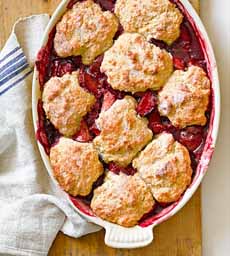
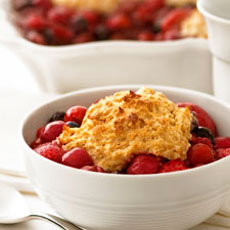
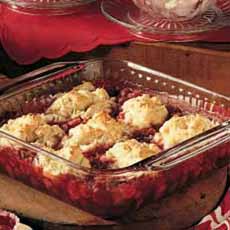
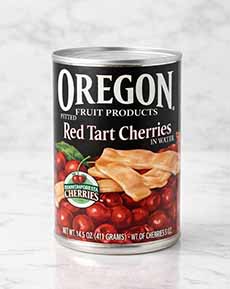
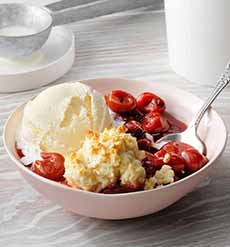
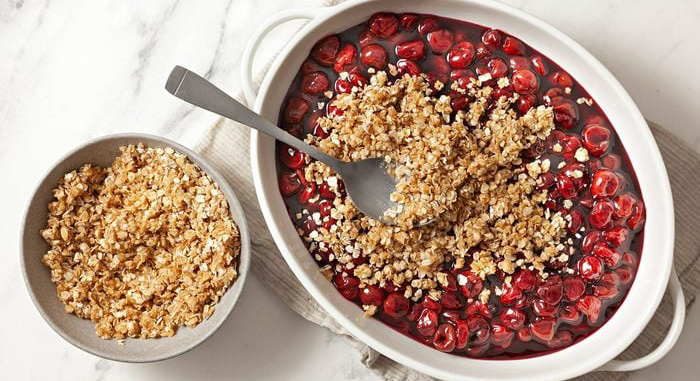
May 17th is National Cherry Cobbler Day, an opportunity to provide you with a cherry cobbler recipe (below) and explain the difference between cobbler, crumble, and a crisp. In fact, here are 13 different baked fruit dishes that are so close as to be siblings. Yet, each has a particular variation to distinguish it. For example, a cobbler tops fruit with pieces of dough; a crisp covers it with a crumb or streusel topping. The crumbs can be made with breadcrumbs, breakfast cereal, cookie or graham cracker crumbs, flour, or nuts. Americans use the word “crisp” because the topping gets crispy. The British call the same dish a crumble, because the topping is made from crumbs. While most cobblers are sweet, there are also savory cobbler recipes that make delicious first courses. Below: Elsewhere on The Nibble: > The recipe for homemade cherry pie filling. > 20 more ways to use cherry pie filling. > The different types of pie: a photo glossary. > The year’s 15+ cherry holidays. > Crisp, crumble, betty, grunt, slump, and more: the difference. Thanks to Taste Of Home for this recipe. In the recipe, you make your own batter to drop for the topping. You can save time by purchasing refrigerated biscuit dough. Some people like to serve cobbler with vanilla ice cream. We also like slightly sweetened sour cream or crème fraîche. 1. DRAIN the cherries, reserving 1-1/4 cups juice; set aside. Discard the remaining juice‡. 2. COMBINE the sugars, cornstarch, cinnamon, and nutmeg in a large saucepan. Stir in the lemon juice and the reserved cherry juice until smooth. 3. BRING to a boil, then cook and stir for 2 minutes or until thickened and bubbly. 4. ADD the cherries. Pour the mixture into an ungreased 9-inch-square baking pan. 5. MAKE the topping: Combine the flour, sugar, baking powder, and salt. Cut in the butter into the dry ingredients until crumbly, and then stir in enough milk to moisten. 6. DROP by tablespoonfuls over the cherries. Bake at 450° for 10-13 minutes or until golden brown. |
|
 [6] Don’t skip the nutmeg: It adds a subtle flavor many can’t identify, but all will appreciate. We purchase whole nuts and grate them for a great, fresh flavor (photo: Pixabay). THE HISTORY OF COBBLER A cobbler is typically a baked fruit dessert, although there are savory cobblers—made with vegetables—served as side dishes. The fruit is placed in a large baking dish and covered with a dropped batter or biscuit topping. The baked batter or biscuits resemble cobblestones, hence the name†. Cobblers were first made by British settlers in Colonial America in the late 19th century. While earlier settlers brought over recipes for traditional European suet* puddings and pies, they lacked the proper ingredients and specialized equipment—such as brick ovens and pastry flour—needed to recreate delicate English steamed puddings or refined pies. To adapt, they placed fruit in a deep dish and topped it with a rough “cobbled” crust made of biscuit dough, cake batter, or dumplings. The name cobbler is thought to come from the way the dollops of dough on top resemble a cobblestone street. The stewed fruit dessert topped with biscuits or batter was much easier than rolling out pie crusts, too. Cherries were one of the first fruits planted by settlers in the New World. By the mid-1800s, cherry orchards were well-established in regions like Michigan and the Pacific Northwest. Because sour cherries (the type usually used for baking) have a short season, cobblers became a popular way to use up a harvest quickly or to serve preserved cherries during the winter. Over time, cobbler transitioned from a hearty breakfast or main meal for pioneers into the beloved dessert we recognize today. It gained massive popularity in the mid-20th century as home baking became a staple of American family life. *Suet is raw beef fat or mutton fat, particularly the hard fat found around the loins and kidneys. It is popular in both sweet and savory British puddings. †A citation from Wikipedia, referencing 1859, says that “it may be related to the archaic word cobeler, ‘wooden bowl.’” Stick with the cobblestones! ‡If your cherries are in juice instead of water, don’t throw out the juice. Mix it with club soda or sparkling water for a cherry soda. For an extra hit of flavor, squeeze in a slice of lime. CHECK OUT WHAT’S HAPPENING ON OUR HOME PAGE, THENIBBLE.COM. |
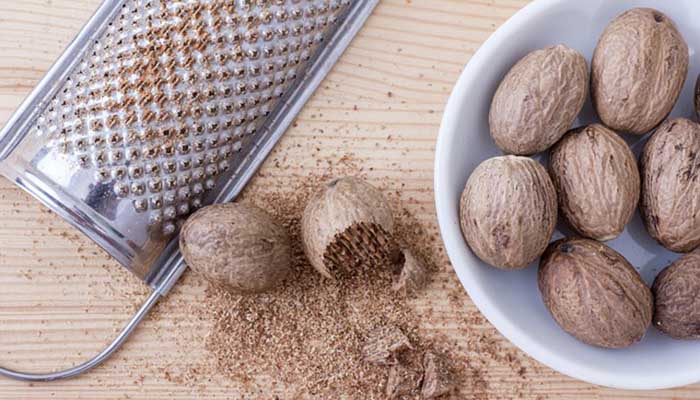
||