THE NIBBLE BLOG: Products, Recipes & Trends In Specialty Foods


Also visit our main website, TheNibble.com.

TIP OF THE DAY: Use Egg Molds Or Cookie Cutters For Pancakes

Whether Dad likes pancakes or fried eggs for breakfast, make Father’s Day special: Shape his breakfast with egg/pancake molds.

If you can’t pick up molds in time, you can use cookie cutters. Since they don’t have handles, you’ll need a spatula, kitchen tongs and dexterity to lift the cooked eggs.
 
HOW ELSE CAN YOU USE THE MOLDS?

We’ve molded:

  • Cheeses that fry without melting: halloumi (Greece), paneer (India), queso blanco or queso para frier (Mexico)
  • Chocolate, melted and shaped into a medallion for topping an iced cake
  • Dough (use the egg molds as cookie cutters in a pinch [the edge is not as sharp for cutting as a cookie cutter])
  • Mashed potatoes
  • Meat loaf
  • Rice or other grains
  •  
     
    WHAT WOULD YOU MOLD?

    We’d love to have a longer list of foods to shape with our egg/pancake molds.

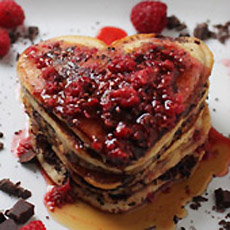
      Chocolate Heart Pancakes

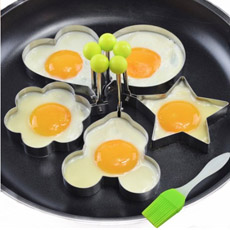
    Fried Egg Molds
    Top: I [heart] you, Dad (photo and recipe from The Baker Chick). Bottom: A set of molds from Neon, available on Amazon. The handles fold down for easy storage.


    Comments off

    TIP OF THE DAY: How To Pick The Best Live Lobster

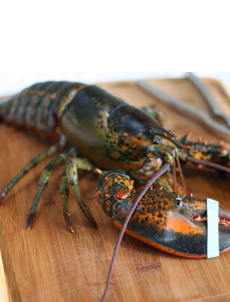
    Live Lobster

    Steamed Lobster

    Portuguese Lobster

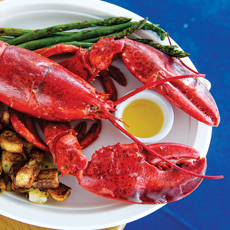
    Top: One sign of a good lobster: long antennae (photo courtesy I Love Blue Sea. Center: Mmm, mmm: a lobster Platter at North River Lobster Company. Bottom: Different lobster have different colors, both live and when cooked. This one is from Portugal (photo courtesy Vermillion Restaurant).


    Planning to buy live lobsters for National Lobster Day (June 15th) or Father’s Day (June 19th)? Here are tips from Executive Chef Cenobio Canalizo of Michael Jordan’s The Steak House N.Y.C.
     
     
    HOW TO PICK THE BEST LIVE LOBSTER

    1. FEEL THE SHELL. There are hard-shell and soft-shell (new-shell) lobsters. It’s just a function of whether the lobsters have recently molted (shed their shells), an annual process.

  • On a soft-shell (new shell) lobster, the claws will look pristine. On a hard-shell lobster, the claws will have have scrapes from banging against rocks over the course of the year.
  • The meat in soft-shells is a bit sweeter and more tender, but a lobster with a softer shell is likely to have more water weight and less meat. They’re not as hardy, so they don’t travel as well as hard-shell lobsters. Similarly, hard-shell lobsters have more meat, but they can be a bit tougher.
  •  
    2. GIVE IT A SNIFF. A live lobster should not emit any odor.

    3. PICK A LIVELY LOBSTER. The more active the lobster, the more tender the meat. If the lobster is limp when you pick it up, it’s on its last legs. If it isn’t moving at all, it may be dead. Here’s an easy test: If you straighten out the tail, it should swiftly curve back under the body.

    4. LOOK FOR LONG ANTENNAE. The longer the antennae, the fresher the lobster. Lobsters in a holding tank will often eat each other’s antennae. If a lobster has been there for a long time, its antennae can be nibbled down—often to the base.

    5. DON’T MIND THE COLOR. The top shells are usually dark green or greenish-brown, but they can be black, blue, orange, red, white or yellow. The underbody of a live lobster, particularly the claws, are usually a vibrant red.

    6. SIZE MATTTERS. The larger the lobster, the tougher the meat. Chef Cenobio prefers lobsters under two pounds for the most tender and flavorful meat.

    7. LOCATION, LOCATION, LOCATION. There are many different species of lobster in the world’s oceans, but Chef Cenobio says the best come from Canada and Maine.

    8. GENDER DOESN’T COUNT. Most aficionados agree that there is no difference in flavor or texture between male and female lobsters. Females have a small, hard, edible roe called the coral (because of its color). These are the unfertilized eggs of the female. Both genders have the soft, greenish, edible tomalley, which serves as both the liver and pancreas.

    9. PAY ATTENTION TO PRICE. Live lobster costs between $9 to $11 dollars per pound. If the price is lower, often the quality is lower as well.
     
     
    LOBSTER RECIPE IDEAS and LOBSTER TRIVIA: Check ‘em out.

     
    ABOUT MICHAEL JORDAN’S THE STEAK HOUSE N.Y.C.

    Michael Jordan’s is uniquely situated, on the balcony overlooking the Main Concourse of Grand Central Terminal. In addition to fine food, you can enjoy the beautiful Concourse architecture and the elaborate ceiling, picturing the constellations. The Terminal, which opened in 1913, is an example of “They don’t make ‘em like this anymore.”


    Comments off

    TIP OF THE DAY: Flavor Your Water With Fresh Fruits (Spa Water)

    You can buy a bottle of water flavored with extracts, or you can extract the flavor of fresh fruit by yourself.

    Whether we’re home alone or expecting guests, we usually flavor a pitcher of water with fresh fruits (or add your own mint or lemon extract into tap water). The subtle infusion from the fresh fruit, in our humble opinion, is more delicious than any bottled water flavored with fruit extracts.

    Plus, there’s lots of eye appeal.

    > Check out the recipe for delicious spa water, below.

    > Plus more infused water recipes, including ice cubes.
     
     
    FOOD 101: FLAVORINGS

    There are natural extracts, artificial extracts and essential oils.

    • A natural extract (a.k.a. natural flavor) is derived from a fruit or vegetable, their juices, and other sources most home cooks don’t address (barks, herbs, flowers, roots, etc.). The plant may be cold pressed, macerated or soaked in alcohol
    • An artificial flavor (a.k.a. artificial extract or favoring, as in imitation maple extract and imitation vanilla extract), does not come from a plant or animal source, and instead is generated in a lab by combining different food-safe components into a variation of the natural flavor. They are less expensive than natural extracts, and also used by people who avoid any type of alcohol (e.g., in halal cuisine).
    • An essential oil is intensely flavored compared to a natural extract, and the production is more complex: it is obtained through distillation, to yield what is known as the plant essence—a very small amount of volatile liquid (the essential oil), which is why they are typically more expensive than regular liquid extracts. But you need to use less of them.


    RECIPE: HOMEMADE FLAVORED SPA WATER INFUSED WITH FRUIT

    At a minimum, use two items from the fruits and herbs lists, i.e., two fruits or one fruit and one herb. You can combine as many as you like: The basic recipe in our home includes cucumber, citrus, strawberries and an herb.

    Ingredients Per Pitcher (64 Ounces)

    • 50 ounces of water, tap or bottled spring water
    • 1 cup seasonal fruits (see list below)
    • Handful of herb sprigs, to taste (basil, lavender, lemon verbena, mint, rose geranium, rosemary, thyme—use only one of these)
    • Optional: 1 large cucumber, unpeeled, sliced
    • Optional spices: cardamom, cinnamon stick, cloves, sliced ginger root, vanilla beans

    Preparation

    1. SLICE the fruits into wheels, retaining the peels (berries don’t need to be sliced).

    2. PLACE all ingredients in a 64-ounce jug or pitcher. Chill for at least one hour or overnight (much longer and the fruit will begin to break down).

    3. SERVE. If guests are pouring their own, i.e. when grilling outdoors, it’s helful to use a pitcher with a lip that will catch the inclusions from splashing into their glasses. You can provide a separate bowl of garnishes.
     
     
    SEASONAL FRUITS

    • Spring and Summer Fruits: berries, cucumber, melon, pineapple, stone fruits (especially peaches).
    • Winter Fruits: apples, berries*, cherimoya, any citrus (red grapefruits and blood oranges are our favorites, but lemons, limes, mandarins† and oranges† are always welcome), cucumber, dried berries (cherries, cranberries) grapes, kiwifruit, lychee (another favorite of ours), mango, papaya, persimmon, pomegranate arils.
    • Fresh herbs are available year-round. Consider basil, cilantro, dill, fennel fronds, lavender, lemon balm, rosemary, sage, and tarragon. Lightly bruise or tear herbs to release oils and flavors. Chill for at least 1–2 hours in the refrigerator before serving.

    Tips:

  • Avoid fruits that will cloud the water, e.g. bananas and figs.
  • Use a glass pitcher for visual appeal.
  • Combine herbs and fruits for layered flavor (e.g., mint with watermelon, basil with strawberries).
  •  
     
    WHAT IF YOU HAVE NO FRESH FRUITS AT HAND?

    While there’s no visual impact, you can use extracts to flavor water. Experiment with a dropper and juice glass of water to see what you like.

    • Use 1/2 teaspoon extract in a quart of water; taste and adjust as desired.
    • You can combine two flavors, e.g. banana and strawberry, lemon and anise, chocolate and cherry. You can be as basic (e.g., lime extract) or as creative (e.g., anise and hazelnut, brandy or rum and cherry, lavender) as you like.


    MORE INFUSED WATER RECIPES

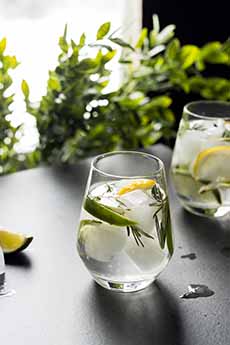
    Glasses of lemon, lime, and rosemary-infused water
    [1] Lemon, lime, and rosemary water. Herbs are a great addition, especially basil, cilantro, dill, fennel fronds, lavender, lemon balm, rosemary, sage, and tarragon (photo © Anna Pyshniuk | Pexels).

    Vegetable Water Pitcher
    [2] Cucumber, peaches and basil leaves, served at Olio | NYC.
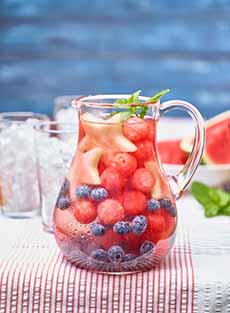
    Spa water with watermelon, blueberries, and carambola
    [3] This combination of watermelon, blueberries, and carambola (star fruit) works for any patriotic holiday. Here’s a video recipe (photo © National Watermelon Promotion Board).
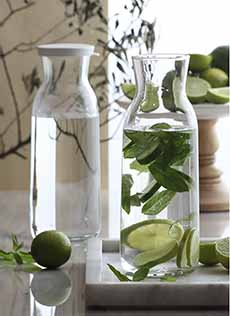
    Carafe Of Cucumber-Basil Water
    [4] The sophisticated flavors of cucumber-basil water make it a a non-alcoholic option to wine (photo © LAV Fonte.
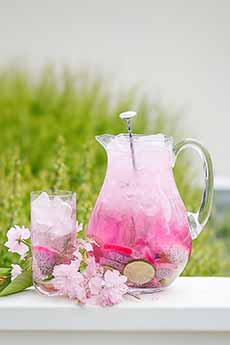
    Pitcher of water with dragon fruit and lime
    [5] Pretty in pink, and exotic, too: dragonfruit and lime water (photo © Melissa’s Produce).

     
    _____________________

    *Raspberries and strawberries are available year-round.

    Here’s the difference between mandarins and oranges.


    CHECK OUT WHAT’S HAPPENING ON OUR HOME PAGE, THENIBBLE.COM.


    Comments off

    TIP OF THE DAY: Sweet Or Savory French Toast

    French Toast Recipe

    French Toast Casserole

    Savory French Toast

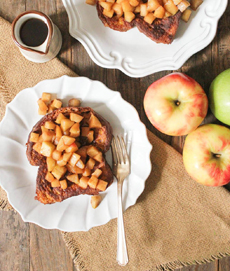
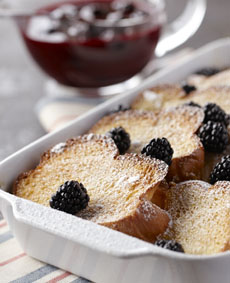
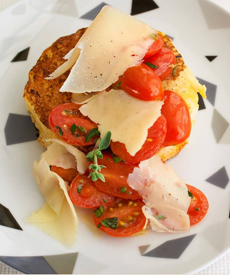
    Top: French Toast smothered in sautéed apples (photo courtesy Peapod). Center: French Toast Casserole: even easier than regular French Toast (photo courtesy Driscoll’s). Bottom: Savory French Toast (photo courtesy Castello Cheese).


    Making perfectly round pancakes is not among our cooking skills. Long before we discovered the gadget known as a pancake batter dispenser, we’d switched to the easier and foolproof French Toast: eggs, milk, white bread or challah, and a pinch of cinnamon.

    Even easier is Baked French Toast (center photo), also known as French Toast Casserole and French Toast Soufflé. Place slices of bread in a baking dish, pour the egg-milk mixture on top, and bake. The benefits: it’s neater (no soaking the bread by hand), all servings are ready at once, and it looks elegant when brought to the table.

    Here’s a recipe that elevates French Toast, substituting brioche for regular bead and sweetened condensed and evaporated milks for whole milk. You can fry it in a pan or bake it in a casserole dish. Yummers!

    Today we recommend two special recipes for Father’s Day: a sweet French Toast with sautéed apples (“Apple Pie French Toast”—top photo) and French Toast with a variety of savory toppings (bottom photo).

    THE HISTORY OF FRENCH TOAST

    The dish known in the U.S. as French Toast has roots at least as far back as ancient Rome, where it was a sweet dish. Pain perdu (lost bread), the modern French name for the dish, was once called pain à la romaine, Roman bread.

    You may read elsewhere that that French Toast was a food of the poor, a way to scrape together a meal from stale bread*. However, recipes from ancient and medieval times denote that it was fare for wealthy people.

    Those recipes used white bread, a luxury, with the crusts cut off (even more of a luxury). Costly ingredients such as spices (cinnamon, cloves, mace and nutmeg), sugar and almond milk are found in numerous recipes. The cooked bread was topped with costly honey or sugar. And cookbooks themselves were the province of the privileged: Only wealthy people and clergy learned to read.

    Poor people ate brown bread, much cheaper because the wheat endosperm did not have to be milled and painstakingly hand-sifted through screens to create refined white flour. (Ironically, this whole wheat bread was more nutritious.)
     
    RECIPE #1: COOKED FRUIT TOPPING FOR FRENCH TOAST

    It’s easy to toss fresh berries onto French Toast. We also like diced mango.

    But for an Apple-Pie-Meets-French-Toast effect, make a quick cooked fruit topping. You can make the topping a day in advance, set it on the counter to warm to room temperature as you make the French Toast, and give it a quick zap in the microwave.

    You can substitute two cups of bananas, blueberries, cherries, peaches, pineapple, etc. for the apples.

    Ingredients For 4 Servings

  • 1 tablespoon butter (more as needed)
  • 3 large apples (Granny Smith, Honeycrisp, etc.), peeled and diced into ½-inch cubes (yields 2 cups)
  • 1 teaspoon ground cinnamon
  • 1 pinch salt
  • 3 tablespoons honey or maple syrup
  • Preparation

    1. MELT the butter in a medium sauté pan over medium heat; add the apples, cinnamon and salt. Cook for 5-6 minutes until tender, then stir in the maple syrup. If you prefer very soft apples, cook them for 10-12 minutes before adding the maple syrup.

    2. COOK for 1 minute more. Cover and keep warm until ready to serve.
     
    SAVORY FRENCH TOAST

    Ditch the maple syrup or other sweet condiments. Even if you like sweet French Toast, you’ll like it savory, too.

    Here’s the basic recipe, topped with sautéed cherry tomatoes and shaved Parmesan. Our favorite variations:

  • Blue cheese and sautéed apple slices with a pinch of thyme to garnish
  • Feta and Kalamata olives with an oregano garnish
  • Ham and cheese French Toast sandwich
  • Sautéed onions and chicken livers with a pinch of sage (Dad’s favorite)
  • Smoked salmon, caviar and crème fraîche with a pinch of dill (Mom’s favorite)
  •  
    _____________________
    *The poor used stale bread for crostini (toast) or topped it with soup (the dish was originally called “sops,” referring to the bread or toast used to sop up the hot food), stew or melted cheese (a “Welsh Rabbit”) to soften the bread and make a meal.
      

    Comments off

    FOOD HOLIDAY: National Chocolate Ice Cream Day

    June 7th is National Chocolate Ice Cream Day. How will you celebrate?

  • Eat your favorite chocolate ice cream (plain, Chocolate Chip, Chocolate Almond Fudge, Rocky Road, etc.)?
  • Have a scoop atop a slice of apple or blueberry pie?
  • Make a Blondie Sandwich or Brownie Sandwich or Jumbo Cookie Sandwich with chocolate ice cream in the middle?
  • Have a chocolate shake, ice cream soda (a.k.a. float) or Brown Cow?
  • Make a Chocolate Stout Float with chocolate stout and chocolate ice cream or a regular Guinness Float?
  •  
    We took a fruit route: We had a pint of fresh raspberries, which we mixed into a pint of Talenti Belgian Milk Chocolate Gelato (here’s the difference between gelato and ice cream).

    > The different ttypes of ice cream and frozen dessert.

    > The history of ice cream.
     
     
    RECIPE: YOUR CUSTOM CHOCOLATE ICE CREAM

    Ingredients

  • Your favorite chocolate ice cream
  • Your favorite mix-ins (see suggestions below)
  •  
    Preparation

    1. SOFTEN a pint of ice cream on the counter, until it’s the consistency of soft serve ice cream.

    2. ADD your mix-in(s), totaling 1/2 cup per pint.

    3. EAT soft, or return to the fridge for a half hour to harden.

      Chocolate Raspberry Ice Cream
    Soften the ice cream, mix in the raspberries (photo courtesy McConnell’s).
     
    ICE CREAM MIX-INS

  • Baking chips: butterscotch, chocolate, peanut butter, etc.
  • Candies: Butterfinger, diced fudge (chocolate, maple, peanut butter, vanilla) Gummies, Heath Bar, Junior Mints, Kit Kat, M&Ms, Reese’s Pieces, toffee bits
  • Chopped cookies or brownies, including cookie dough and diced cake
  • Chopped nuts: with chocolate ice cream, we prefer almonds, peanuts, pecans or macadamias
  • Dried & other fruits: dried apricots, brandied cherries, dried cherries, dried cranberries, raisins
  • Fresh fruit: berries, bananas or other fruits
  • Wild card: ancho chilies, bacon, cacao nibs, candied jalapeños, chipotle, coconut, pumpkin seeds, pretzels, toasted sesame seeds, trail mix
  •  


    CHECK OUT WHAT’S HAPPENING ON OUR HOME PAGE, THENIBBLE.COM.


    Comments off

    The Nibble Webzine Of Food Adventures


    © Copyright 2005-2026 Lifestyle Direct, Inc. All rights reserved. All images are copyrighted to their respective owners.