THE NIBBLE BLOG: Products, Recipes & Trends In Specialty Foods


Also visit our main website, TheNibble.com.

Pineapple Rum BBQ Sauce & More Recipes For National Barbecue Month

May is National Barbecue Month, and May 16th is National Barbecue Day. What better way to celebrate than by making your own barbecue sauce. Today’s featured recipe is a Pineapple Rum urbon BBQ Sauce made with dark rum. There are additional links below to more recipes that use beer, bourbon, cola, and dark chocolate.

Barbecue sauce is the number one product we receive over the transom (i.e., unsolicited). Living in an apartment with no outdoor space to barbecue, it’s not a product we used much—until it started to arrive in droves a few years ago.

The majority of the products we taste are perfectly fine, but not special enough to write about. Most are made from ketchup or tomato paste, vinegar, a sweetener (often high fructose corn syrup—HFCS), salt, onion powder, other spices (including cayenne or another chile), molasses, and maybe some mustard.

So when we made the Pineapple Rum BBQ Sauce recipe below, our tastebuds were dazzled. But before we introduce the recipe…

Below:

> BBQ, barbecue, or barbeque?

> Recipe: Pineapple Rum BBQ Sauce.

> The different types of barbecue sauce.

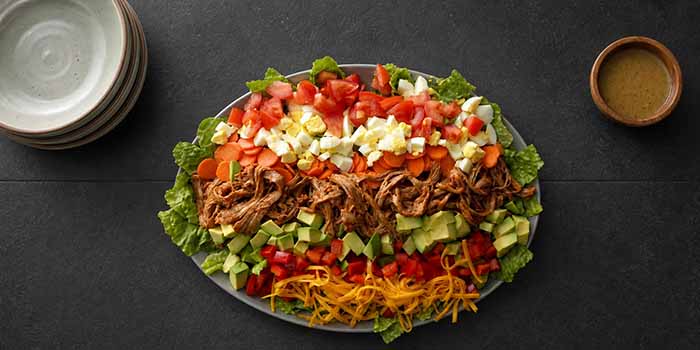
> Barbecue Cobb salad recipe.

> More barbecue sauce recipes.

Elsewhere on The Nibble:

> The history of barbecue, which dates to prehistory.

> The different cuts of pork, a photo glossary.

> The year’s 43 pork holidays.
 
 
HOW DO YOU SPELL BBQ? BARBECUE? BARBEQUE?

People often ask about the correct spelling: Is it barbecue, barbeque bar-b-que, or BBQ?

The answer is that barbecue and barbeque are alternative spellings, and BBQ and Bar-B-Q are abbreviations. According to Grammarist, “barbecue gained clear ascendancy in the late 19th century, and it has gone unchallenged ever since.”

We chose to use “barbecue” in THE NIBBLE because more of its professional standing with barbecue groups and publishers. But in terms of how “America” spells it, a Google search done today shows:

  • BBQ: 2,600,000,000
  • Barbecue: 685,000,000
  • Barbeque: 272,000,000
  •  
    No surprise that the easiest is the most common.

    Kōloa Rum, which created the featured recipe, spells it BBQ. We honor their spelling in their recipe.

    Barbecue Trivia: The word “barbecue” comes from the Haitian Arawakan word “barbakoa,” meaning “framework of sticks.” It refers to a raised wooden structure used to either sleep on or cure meat.
     
     
    RECIPE: PINEAPPLE RUM BBQ SAUCE

    The dark rum used in this recipe has notes of vanilla, dark chocolate, and espresso, making it a delicious sipping rum. You can also pour it over ice cream.

    Dark rum, also called black rum, is aged after distilling, typically in charred oak or barrels, for three to five years. Aging in wood creates a darker color and bolder flavor. The longer the aging, the darker the color and the more intense the flavor.

    (Caveat: faux dark rum can be made by the addition of molasses, burnt sugar, or caramel.)

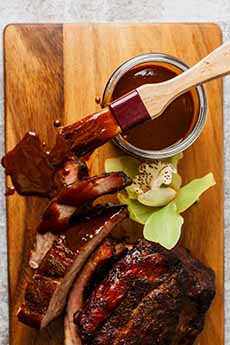
    Kolōa Rum Company’s Rum & Pineapple BBQ Sauce is a real treat. The dark rum and fresh pineapple create a delicious, complex, superior flavor.

    Once you see how easy it is to make barbecue sauce, you may never buy another bottle.

    For more Kōloa rum recipes, visit KololaRum.com.
     
    Ingredients

  • 1/4 cup Kōloa Dark Rum (or substitute)
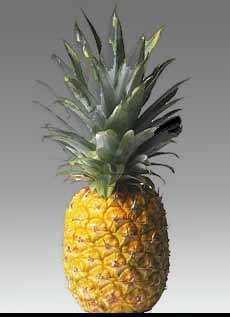
  • 1/2 cup fresh pineapple
  • 3/4 cup Ketchup
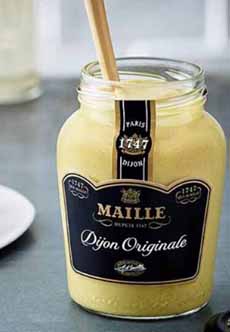
  • 1/2 tablespoon mustard
  • 1 clove garlic
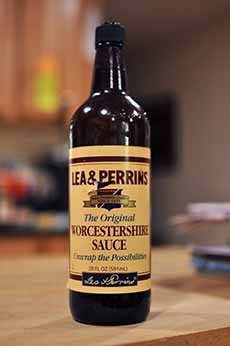
  • 2 tablespoons Worcestershire Sauce
  • 1 tablespoon vinegar
  • 1/2 teaspoon salt
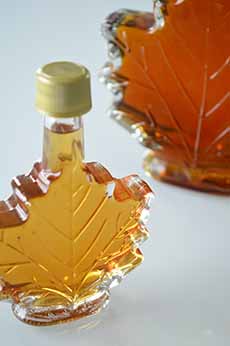
  • 1 tablespoon maple syrup
  • 1/3 cup water
  •  
    Preparation

    1. MIX all ingredients in a blender and pulse to desired consistency.

    2. POUR into a small saucepan and bring to boil, allowing the sauce to cook down and darken in color.

    3. POUR into a jar. The sauce will keep for 3-4 days in the fridge.
     
     
    DIFFERENT TYPES OF BARBECUE SAUCE

    It’s that time of year when we Northerners polish the grill, buy loads of charcoal, and stock up on meat for those outdoor barbecues. And what barbecue is complete without that sweet, tangy, smoky condiment we call barbecue sauce?

    Different regions developed different styles of barbecue sauce, so there’s a lot from which to choose.

    Whether it’s Carolina-, Kansas City- or Texas-style or a simple mop sauce or marinade, almost every grill master has some form of barbecue sauce at hand. Here’s a quick comparison of the major barbecue sauce types. All are based on tomato paste (or in cheaper recipes, ketchup):

  • East Carolina-style barbecue sauce: A thin, sharp vinegar sauce seasoned with black pepper and chile pepper flakes, with little or no sugar. It penetrates the meat when used as a basting sauce; as a dipping sauce, it cuts the fat.
  • Kansas City-style barbecue sauce: A tomato-molasses-based sauce that is thick and sweet, seasoned with vinegar, spices, and often brown sugar or another sweetener. It sits upon the meat, rather than penetrating it.
  • Kentucky-style barbecue sauce: Vinegar and lemon juice join the tomato paste to provide a good acid backbone and a flavor profile that is tart, tangy, sweet, and spicy. It is a thinner sauce that can be used as a marinade, salad dressing, or dipping sauce, and is equally good with seafood and meat. Memphis-style barbecue sauce: Vinegar and onion are incorporated into the tomato paste. This style of sauce works with all types of barbecue, but is especially good on brisket or lamb.
  • North Carolina-style barbecue sauce: This vinegar-based barbecue sauce is the traditional sauce for pulled pork, but it works with all types of barbecue. You can also use it as a marinade or sauce for grilled seafood.
  • South Carolina-style mustard barbecue sauce: A barbecue sauce made of yellow mustard, vinegar, spices, and sugar. This sauce was popularized by German settlers on the coast.
  • Texas-style barbecue sauce: Generally made without tomato, these sauces are heavily flavored with southwestern ingredients: bell pepper, chile powder, cumin, hot chile peppers, and smoke flavors.
     
     
    MORE BARBECUE SAUCE RECIPES

  • Chocolate Chile Barbecue Sauce
  • Cola Barbecue Sauce
  • Guinness Beer Barbecue Sauce
  • Harry’s Texas Barbecue Sauce & Very Hot Barbecue Sauce, with bourbon and garlic
  • Märzen Beer Barbecue Sauce
  • Pineapple Rum Barbecue Sauce
  • (above)
     
    Plus

  • Barbecue Sauce Reviews
  • Grilling Tips
  •  

    Pineapple Rum Barbecue Sauce
    [1] Homemade barbecue sauce with pineapple and rum (photos #1 and #3 © Kōloa Rum).

    Whole Pineapple
    [2] The recipe uses fresh pineapple, which gives so much more flavor than canned (photo © Produce Marketing Guide).


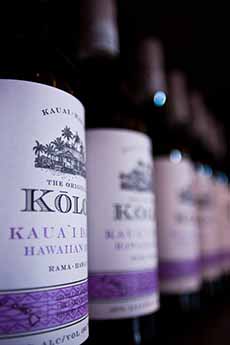
    [3] Koloa Dark Rum.

    Heinz Ketchup Bottle
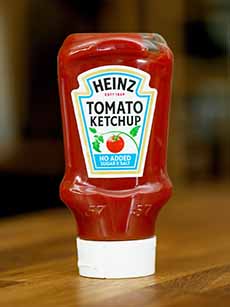
    [4] Ketchup takes the plac4e of tomatoes paste in this recipe (photo © Brett Jordan | Unsplash).

    Bottle Of Maille Dijon Mustard
    [5] Mustard of choice: Dijon (photo © Maille Mustard).

    Bottle Of Worcestershire Sauce
    [6] Worcestershire sauce adds nuances of flavor (photo © Peter Baron | CC-By-NC-2.0 License).

    Maple Syrup In Leaf Design Bottles
    [7] Maple syrup replaces refined white sugar (photo © Nadine Primeau | Unsplash).

     
    Barbecue Cobb Salad
    [8] What to do with leftover barbecue? Make a barbecue Cobb salad! Here’s the recipe (photo © Taste Of Home).
     
     
    ABOUT KOLOA RUM COMPANY

    Established in 2009, Kōloa Rum Company produces artisanal, single-batch Hawaiian rum and ready-to-drink cocktails at its distillery in Kalāheo, Kaua’i and operates Hawai’i’s first distilled spirits Tasting Room and Company Store. The company’s award-winning portfolio includes its premium Kaua’i White, Gold, Dark, Spice, Coconut, Coffee, Cacao, and Aged rums, in addition to a collection of delicious ready-to-drink cocktails. Products are available for purchase online, at select retailers nationwide, as well as in Australia, Canada, and Japan. For more information, visit KoloaRum.com.
    Here’s the recipe (photo © Taste Of Home).
    ________________

    *Hawaiian vowels—Ā ā, Ē ē, Ī ī, Ō ō, Ū ū—are not treated as separate letters, but are alphabetized immediately after unaccented vowels. Here’s more about the Hawaiian alphabet. The straight bar placed above a letter (usually a vowel) is called a macron. Its name derives from Ancient Greek μακρόν (makrón) “long,” since it was originally used to mark long or heavy syllables in Greco-Roman metrics. It now more often marks a long vowel.
     

    CHECK OUT WHAT’S HAPPENING ON OUR HOME PAGE, THENIBBLE.COM.


    Comments off

    Baked Apple Rose Recipe For Kentucky Derby & Mother’s Day

    Mini Rose Cakes Recipe
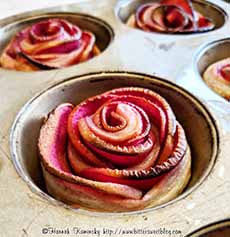
    [1] Baked apple roses (photo and recipe © Hannah Kaminsky | Bittersweet Blog).

    Fuji Apples
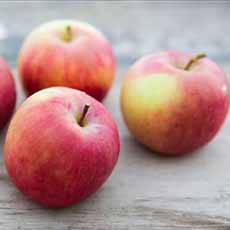
    [2] Fuji apples (photo © Good Eggs).

    Bottle Of Knudsen Beet Juice
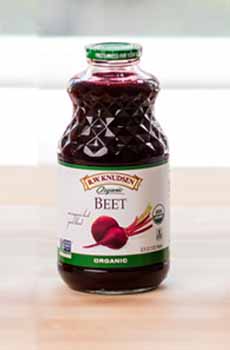
    [3] Beet juice—a delicious drink by itself (photo © Knudsen).

    Pitcher & Jug Of Maple Syrup
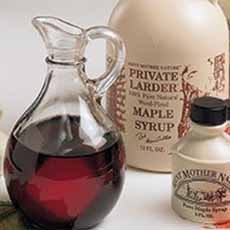
    [4] The recipe uses maple syrup instead of refined sugar (photo © Rent Mother Nature).


    Whether you’re watching the Run For The Roses* or looking for a special bite for Mother’s Day, these baked apple “roses” fit the bill. They’re actually a cross between a baked apple and a pastry: apple slices infused in beet syrup on a base of flaky puff pastry. It’s a beautiful treat.

    The recipe was developed by Hannah Kaminsky of Bittersweet Blog, who notes that they are “versatile enough to present as part of breakfast in bed, as a surprise midday snack, or a ‘nightcap’ to end the day on a high note.”

    If you haven’t had beet juice and pause at buying it for this recipe, let us assure you: It’s delicious, straight, or in cocktails.

    Prep time is 25 minutes, cook time is 15 minutes, additional time is 15 minutes, and total time is 55 minutes.

    If you have a mandoline, use it to slice the apples.
     
     
    RECIPE: MINI ROSE CAKES
     
    Ingredients

  • 2 sweet apples (such as Fuji, Gala, Honeycrisp), cored, quartered, and very thinly sliced
  • 1 cup water
  • 1/3 cup beet juice
  • 3 tablespoons maple syrup
  • 2 tablespoons lemon juice
  • 1 teaspoon ground ginger
  • 1 sheet (half of a 1 pound-2 ounce package) puff pastry, thawed
     
    Preparation

    1. PREHEAT the oven to 400°F.

    2. COMBINE the water, beet juice, maple syrup, lemon juice, and ginger in a small saucepan. Set over medium heat and add the apple slices. Bring to a gentle simmer and stir periodically, cooking until the fruit is lightly rose colored and just softened enough to be more flexible. Turn off the heat and let cool until you can handle the apple pieces comfortably.

    3. SLICE the puff pastry into 1-inch-wide strips with a very sharp knife. Thoroughly drain the apple slices, gently blotting them dry with a clean kitchen towel.

    4. LAY the apple slices in overlapping strips across the puff pastry, leaving the rounded tops of the apples peeking out above the top of the strips. Roll the whole arrangement up tightly, as if creating an individual cinnamon bun.

    5. PLACE the rolled pastry in muffin tins with the exposed apple slices on top. Repeat to fill the pan.

    6. BAKE for 10 – 15 minutes, until the pastry is lightly golden brown and fully puffed. Let cool for at least 15 minutes. Enjoy the apple cakes warm, or cool completely to serve at room temperature.

    NOTE: These apple roses are best enjoyed the same day that they’re baked, but will keep for up to three days if stored in an airtight container in the fridge.

    Pop them in a 350°F oven for 4 – 6 minutes to re-crisp if the pastry becomes soft.

    ________________

    *The Race of Roses, also referred to as the “Run for the Roses,” gets its name because of the very beautiful prize that is commonly given out to the winner of the Kentucky Derby: a gorgeous blanket of 564 red roses. That’s in addition to a trophy and cash: The winner of the 2022 Kentucky Derby will receive $1.86 million.

  •  


    CHECK OUT WHAT’S HAPPENING ON OUR HOME PAGE, THENIBBLE.COM.


    Comments off

    Fresh Orange Cookie Recipe For National Orange Juice Day

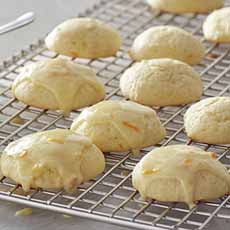
    May 4th is National Orange Juice Day, and we went over our list of 10 uses for orange juice besides drinking it. We opted for the 11th use: Bake something with it! We dug up a Fresh Orange Cookie recipe we’ve been meaning to try for a while.

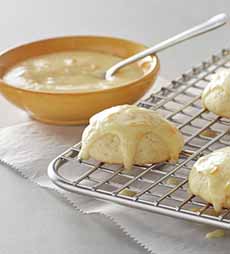
    This recipe, from Pillsbury Kitchens, delivers a fresh, bright, citrusy taste in cookie form. Both the cookies and the icing contain orange juice and orange zest (grated peel).

    And because they’re not an everyday cookie, they make a special dessert alone, or with ice cream or sorbet.

    > The 11 basic types of cookies.

    > A glossary of cookie types.

    > The history of cookies.

    > 10 more uses for orange juice.

    > The history of oranges.
     
     
    RECIPE: FRESH ORANGE COOKIES

    These cookies are soft, almost cake-like.

     
    Ingredients For 72 Cookies

  • 1-1/2 cups sugar
  • 1 cup butter, softened
  • 1 cup sour cream
  • 2 eggs
  • 4 cups all-purpose flour
  • 1 teaspoon baking powder
  • 1 teaspoon baking soda
  • 1/2 teaspoon salt
  • 2/3 cup orange juice
  • 3 tablespoons grated orange zest
  •  
    For The Frosting

  • 1/4 cup butter, melted
  • 2 cups powdered sugar
  • 1 tablespoon grated orange zest
  • 2 to 3 tablespoons orange juice
  • Optional: 1/8 teaspoon orange extract
  •  
    Preparation

    1. HEAT the oven to 375°F. In a large bowl, combine the sugar and 1 cup of butter; beat until light and fluffy. Add the sour cream and eggs; blend well. Add all the remaining cookie ingredients; mix well.

    2. DROP the dough by rounded tablespoonfuls onto ungreased cookie sheets. Bake at 375°F for 8 to 11 minutes or until the edges of the cookies are light golden brown. Immediately remove the cookies from the cookie sheets onto a rack or counter. Meanwhile…

    3. BLEND all the frosting ingredients in a small bowl until smooth, adding enough orange juice for desired spreading consistency. Frost the warm cookies.
     
     
    TIPS

  • Flour: The best way to measure flour is to first stir the flour a bit before spooning it into the measuring cup. Fill the cup until heaping and then sweep the excess off the top with the flat edge of a knife.
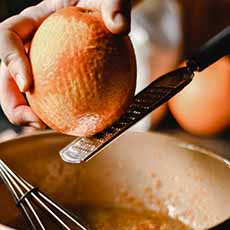
  • Zest: It’s easier to grate the rind of a whole orange. Grate first, then squeeze out the juice.
  • Cookie Sheets: For best results, bake the cookies on the middle oven rack, one sheet at a time.
  • If you have two cookie sheets, have the second sheet ready to go when the first sheet comes out. Otherwise, allow the cookie sheet to cool completely in between batches—or else, the cookies will spread out too much.
  • Depending on the size of your sheets and oven, you should get at least 12 cookies on a sheet. Don’t crowd them.
  •  

    Fresh Orange Cookies Recipe
    [1] Orange butter cookies are soft and cake-like (photos #1 and #2 © Pillsbury).

    Fresh Orange Cookies & Icing Recipe
    [2] The icing has orange just and zest, but you can also add a dash of orange extract.

    Butter Pats In A Bowl
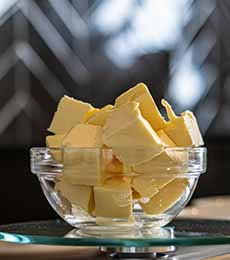
    [3] The best way to soften butter for a recipe is to set it on the counter for 1-2 hours. The amount of time depends on the temperature of your kitchen (photo © Sorin Gheorghita | Unsplash).

    Natalie's Orange Juice Half Gallon Jug
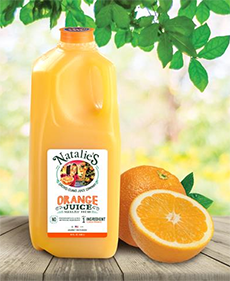
    [4] Natalie’s Orange Juice, one of our favorite brands(photo © Oberweis Dairy).

    Zesting An Orange
    [5] Zest the orange before squeezing the juice (photo © Eva Elijas | Pexels).


    CHECK OUT WHAT’S HAPPENING ON OUR HOME PAGE, THENIBBLE.COM.


    Comments off


    © Copyright 2005-2026 Lifestyle Direct, Inc. All rights reserved. All images are copyrighted to their respective owners.