THE NIBBLE BLOG: Products, Recipes & Trends In Specialty Foods


Also visit our main website, TheNibble.com.

Nutella Recipes For World Nutella Day

Nutella Crepes
[1] Nutella crepes: easy to make! You can purchase crepes, fill them with Nutella, and optionally add sliced strawberries and whipped cream (photo © Linda Roisum | Pixabay).

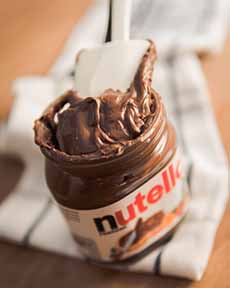
Open Jar Of Nutella
[2] From breakfast through dessert, there are many ways to use Nutella (photo © Mikael Stenberg | Unsplash).

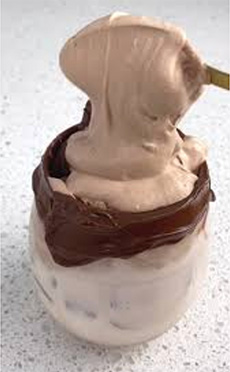
Nutella Whip
[3] Nutella whip: Blend a spoonful of Nutella into 1/3 cup heavy whipping cream and top a glass of cold milk. For an extra splurge, first rim the glass with fudge sauce, and add a garnish with a wafer cookie Here’s a video (photo © Sweet Portfolio | Tik Tok). You can also top a cup of coffee with the Nutella whip.

  In 2011, two bloggers declared February 5th to be World Nutella Day.

Typically, holidays are official proclamations by a city, state, or the federal government (here’s how it works). But in the wild frontier of the Internet, World Nutella Day became a viral hit.

The history of Nutella follows. Elsewhere on The Nibble:

> The year’s 69 chocolate holidays.

> The year’s 12 nut butter holidays.
 
 
THE HISTORY OF NUTELLA

Nutella hazelnut spread, in its earliest form, was created in the 1940s by Pietro Ferrero, who began as a pastry maker with a small shop in Dogliani, a town in the Piedmont region of northwestern Italy.

At the time, there was very little chocolate; cocoa beans were in short supply due to World War II (1939-1945) rationing. To stretch his chocolate supply, Mr. Ferrero used hazelnuts, which are plentiful in Piedmont.

The spread is a combination of roasted hazelnuts, sugar, skim milk and a touch of cocoa. It is an all-natural product with no artificial colors or preservatives.

The original product was called Giandujot, after the Italian term gianduja (john-DOO-ya), referring to a filling for chocolates made of ganache mixed with hazelnuts.

Made by the Ferrero Company of Italy, the original product was called Giandujot (john-DOO-yote), after the Italian term gianduja (john-DOO-ya).

Gianduja is a filling for chocolate bonbons made of chocolate and cream, a.k.a. ganache, mixed with hazelnuts.

Giandujot was later developed into the spread we now know as Nutella®. The Ferrero Company officially introduced Nutella to the market in 1964.

Nutella became so popular that it engendered similar products. They can’t be called Nutella, of course; but the recipe below was used with Bonne Maman’s Hazelnut Chocolate Spread.

Giandujot was later developed into the spread we now know as Nutella. The Ferrero company officially introduced Nutella to the market in 1964.

Nutella was first imported to the U.S. more than 25 years ago by Ferrero U.S.A., Inc. Its popularity has grown steadily.
 
 
HOW WILL YOU ENJOY NUTELLA TODAY?

Enjoy a Nutella sandwich, put Nutella on a pancake or waffle, roll it in a crêpe, and eat it from the jar with a spoon. Add it to your favorite cookie, cake, or brownie recipe. Fill “jelly” donuts with Nutella. Make a Nutella milkshake.

Add it to coffee or hot chocolate.

Or, try these less conventional Nutella recipes:

  • Nutella-covered bacon.
  • Nutella granola.
  • Nutella grilled cheese sandwich.
  • Nutella Mousse.
  • Nutella ravioli for dessert.
  • Nutella Yogurt Parfait Pops.
  • No-bake Nutella Energy Bites.
  •  
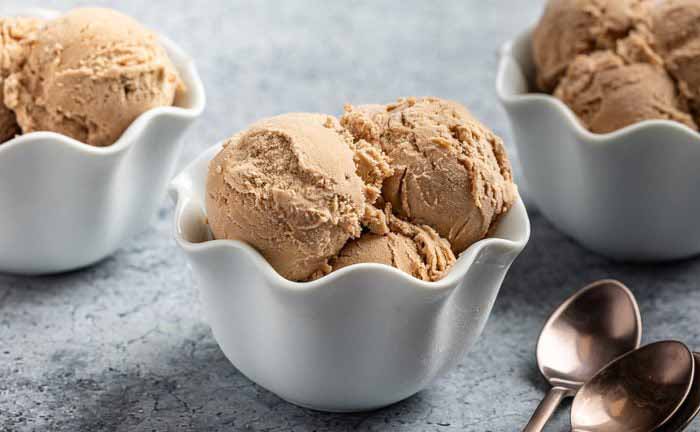
    Dishes Of Nutella Ice Cream
    [4] How about some Nutella ice cream? Here’s the recipe. You can also make a quick version by whisking Nutella into a softened pint of chocolate or vanilla ice cream (photo © Taste Of Home).


    CHECK OUT WHAT’S HAPPENING ON OUR HOME PAGE, THENIBBLE.COM.


    Comments off

    TIP OF THE DAY: Make A Valentine Cocktail

    Whether you’re celebrating Valentine’s Day with a romantic interest, friends or family, make the occasion special with a Valentine cocktail.

    What makes a “Valentine” cocktail? Color—a shade of pink, rose or red. If you want a Champagne cocktail, garnish it with “Champagne grapes” (they’re actually Zante currants), a red berry or an edible flower. And of course, it’s got to be a sweet cocktail.

    Chocolate cocktails are also options.

    We’ve listed some of our favorite recipes at the end, but here’s a new idea from Tequila Herradura.

    This sweet cocktail from is almost a good-for-you tonic, mixing the spirit with a serving of fresh fruit, plus fruit juice and low glycemic agave nectar instead of sugar- or corn syrup-filled cocktail mixer.

    LOVE NECTAR

    Ingredients For One Drink

  • 2 ounces tequila
  • 10 seedless red grapes
  • 1 ounce apple cider
  • ½ ounce agave nectar
  • ½ ounce lemon juice
  • Ice cubes
  • Garnish: apple fan
  •   love-nectar-cocktail-herradura-230
    Get ready to toast Valentine’s Day with some Love Nectar. Photo courtesy Casa Herradura.
     
    Preparation

    1. PLACE the grapes into the base of a cocktail shaker and crush with a muddler. Add the remaining ingredients including ice. Shake hard and strain over ice into an old fashioned glass.

    2. GARNISH with a fan of red apple. (Here’s a video that shows how.)
     
    MORE VALENTINE COCKTAILS

  • Amore Espresso Cocktail Recipe
  • Bright Red Cocktail Recipes
  • Chocolate Basil Martini Recipe
  • Five Chocolate Cocktail Recipes
  • Love Potion Recipe
  • Pink Cocktail Recipes
  • Pomegranate Martini Recipe
  • The Right Kiss Gin Cocktail Recipe
  •  
    Or, since you’ve got time, start thinking about making your own signature cocktail. Hint: There’s nothing easier than


    Comments off

    TIP OF THE DAY: Get A Heart-Shaped Cheese

    coeur-de-bray-neufchatel-murrays-230
    Coeur de Bray, a heart-shaped Neufchâtel
    cheese. Photo courtesy Murray’s Cheese.
     

    Different heart-shaped cheeses appear at this time of year, especially goat cheeses. But the first heart-shaped cheese, created in the 14th century, was Neufchâtel (NU-shah-tell), a soft-riped cow’s milk cheese with a white rind.

    Note that French Neufchâtel is different from the American product of the same name, sold as a lower-fat alternative to cream cheese. American Neufchâtel has been disappearing over the last decade, as cream cheese manufacturers have marketed their own lowfat and nonfat versions.

    Authentic French Neufchâtel is one of the oldest cheeses in France and the oldest cheese in Normandy, dating back as far as the sixth century. Soft and crumbly, its dry, white rind is velvety and edible.

    Its buttery, pale paste has a salty, somewhat sharp flavor has soft mushroom notes, like Brie. Like Brie, the cheese develops an earthy character as it ages.

     
    Serve it with crusty bread, cherry jam, fresh berries or dried fruit.

    Neufchâtel pairs nicely with a crisp, dry white wine. Murray’s suggests Chardonnay, Chenin Blanc or Rosé. We prefer Champagne. And if you’re a red wine drinker, bring on the Burgundy.


    WHY A HEART?

    It is available in various shapes, the famous Neufchâtel heart shape is a tradition begun by young Norman women, as the story goes, to discreetly express their feelings of affection for young British soldiers during the 100 Years’ War*.
     
    COEUR DE BRAY

    This particular Neufchatel heart comes from the Pays de Bray, an area in northern Normandy. The name is AOC protected.

    It is “made from buckets of cream” from the famed dairy cows of Normandy, according to Murray’s Cheese, which sells it at retail and online for $15.99.

      neufchatel-heart-paper-cheesesoffranceFB-230
    A Neufchâtel heart, slightly aged. Photo courtesy Cheeses Of France.
     

    MAKE COEUR À LA CRÈME

    You can make your own heart-shaped cheese, the famed Coeur à La Crème (heart of cream).

    This luscious mascarpone creation (that’s the same cheese used to make tiramisu) is served with berries or a sauce of raspberry purée for dessert.

    Here’s the recipe.

     
    *A series of conflicts from 1337 to 1453 between the Kingdom of England and the Kingdom of France for control of the French throne. The war is commonly divided into three phases separated by truces, which together comprise the longest military conflict in history: the Edwardian Era War (1337–1360), the Caroline War (1369–1389) and the Lancastrian War (1415–1353), which saw the slow decline of English fortunes after the appearance of Joan of Arc in 1429. The French kept the throne and the cheese.
      

    Comments off


    © Copyright 2005-2026 Lifestyle Direct, Inc. All rights reserved. All images are copyrighted to their respective owners.