THE NIBBLE BLOG: Products, Recipes & Trends In Specialty Foods


Also visit our main website, TheNibble.com.

TIP OF THE DAY: Unscrambling The Myth Of Cholesterol In Eggs

Common misconceptions about dietary cholesterol and its impact on heart disease keep many people from eating eggs, despite their nutritional benefits and “comfort food” taste. However, almost 40 years of research* shows that healthy adults can enjoy an egg every day without significantly impacting their risk of heart disease.

Since February is American Heart Month, if you’ve been limiting your egg consumption, it may be time to revisit it with your healthcare provider.
 
 
*The research was analyzed by the Egg Nutrition Center (ENC), the health education and research center of the American Egg Board that provides science-based information to health promotion agencies, physicians, dietitians, nutritional scientists, media and consumers on issues related to egg nutrition and the role of eggs in the American diet.

 
Is it time to add eggs back into your diet? Photo courtesy AEB.org.

Cracking the Cholesterol Myth

According to information provided by the American Egg Board and the Egg Nutrition Center, USDA data shows that:

  • Eggs now have less cholesterol. As a result of changing the feed, one large egg is now 14% lower in cholesterol, down from 212 mg to 185 mg, and is 64% higher in vitamin D, with 41 IU per egg.
  • Eggs can be part of a heart-healthy diet. One large egg contains six grams of high–quality protein, 13 essential nutrients and 70 calories. The 2010 Dietary Guidelines for Americans support the role of eggs in a healthy diet, stating that consumption of one egg per day is not associated with risk of coronary heart disease or stroke in healthy adults. Enjoying an egg a day, especially as part of a heart–healthy diet balanced with fruits, whole grains and low-fat dairy, falls well within current cholesterol guidelines.
  • Eggs are high-quality, inexpensive protein. Eggs provide high–quality protein that helps build muscles and increases satiety for all–day energy, which can help maintain a healthy weight, an important factor in promoting overall health. And all this for about fifteen cents per egg!
  • Eggs are better than doughnuts. Research shows that the saturated fat found in other breakfast foods may be more likely to raise a person’s blood cholesterol than dietary cholesterol. Eating a balanced breakfast with high–quality protein foods like eggs, along with other nutrient–rich foods like fruit and whole grains, is the best way to start the day. Unlike sugary foods, eggs have no simple sugars and contain no carbs, providing steady and sustained energy.
  •  
    Visit EggNutritionCenter.org or NutritionScrambled.com for more information. For delicious recipes, visit IncredibleEgg.org.

    HOW MANY DIFFERENT TYPES OF EGGS HAVE YOU HAD?

    You’ll be surprised at the different types of eggs that are available. Check ‘em out in our most eggcellent Egg Glossary.


    Comments off

    RECIPE: For Valentine’s Day, A Cherry Pomegranate Mojito


    A ruby red Mojito for Valentine’s Day. Photo
    courtesy Benihana.

      We’re starting our Valentine’s Day countdown with a twist on the classic Mojito, in ruby red.

    The recipe was developed by Benihana as part of its February “romantic cocktail” menu.

    CHERRY POMEGRANATE MOJITO RECIPE

    Ingredients For One Drink

  • 4 lime wedges
  • 8 mint leaves
  • 2 ounces Bacardi Torched Cherry Rum*
  • 1/2 ounce PAMA Pomegranate Liqueur
  • 2 ounces pomegranate juice (our favorite brands)
  • 1/4 ounce grenadine syrup
  • Garnish: mint sprig and lime wedge or wheel
  • Ice cubes (make heart-shaped ice cubes)
  •  
    *You can substitute cherry vodka, but it won’t be a “Mojito.”

     
    Preparation

    1. Muddle lime and mint in a cocktail shaker.

    2. Add other ingredients, shake, pour into your favorite glass, and garnish with lime and mint sprig.


    VALENTINE ICE

    Our favorite Orka ice cube trays are now made in a heart-shaped design. Just press, and out pops Valentine ice.

    We love these trays because the cover keeps the ice fresher and the design is stackable.

    Get some for yourself, and as Valentine gifts for friends.

     
    Ice hearts add fun to any drink. Photo courtesy Orka Mastrad.

    Comments off

    SUPER BOWL & BEYOND: Lentil Chips & Hummus Chips


    Hummus chips and lentil chips are each
    available in three flavors. Photo by Elvira
    Kalviste | THE NIBBLE.

      How many different ways do you enjoy hummus? As a dip, of course; but also as a bread spread, on sandwiches, on a mezze plate, as a dip, as a canapé (as filled cherry tomatoes or on crostini with ham or turkey, for example), as low-cholesterol deviled eggs (replace the mashed yolk filling with hummus) and [add your own favorite use here].

    And then, there are hummus chips. While hummus chips have been around for a few years, there’s a new hummus chip in town. And it’s brought its lentil-based brother.

    Simply7* bakes chickpeas into all-natural, bite sized hummus chips, and does the the same with lentils. The result: two flavorful, nutritious chip alternatives for the Super Bowl and beyond.

    Each variety is made in three flavors:

  • Hummus Chips: Hummus Sea Salt, Hummus Tomato Basil, Hummus Spicy Chili Pepper
  • Lentil Chips: Lentil Sea Salt, Lentil Creamy Dill, Lentil Bruschetta
  •  
    *The name does not stand for seven ingredients, but for the seven core standards that the chips must live up to: (1) simple ingredients containing (2) no trans fat or cholesterol, (3) no artificial flavors or colors, (4) no additives or preservatives, (5) gluten-free ingredients, (6) all-natural recipes and (7) simply delicious.

    Both chickpeas and lentils have long been appreciated for their nutritional value. Chickpeas are packed with protein, fiber and other important minerals, as are lentils. Both are low in sodium and are cholesterol-free.

    If your Super Bowl crowd likes things on the healthier side—or simply likes to try new and different foods—introduce them to Simply7.

    Simply7 Hummus Chips and Lentil Chips are available nationally in select stores and on Amazon.com.

    We also enjoyed baked lentil chips in six flavors from Mediterranean Snack Foods: Cracked Pepper, Cucumber Dill, Parmesan Garlic, Roasted Pepper, Rosemary and Sea Salt. Is this the beginning of a new chip trend?

    Learn more at Simply7Snacks.com and Mediterranean Snack Foods.com.
    Find more of our favorite snacks.


    Comments off

    TIP OF THE DAY: Use Those Carrot Peelings To Make Carrot Oil & Carrot Stock

    Says Chef Johnny Gnall: “One of the most important roles a chef can play in a restaurant is that of dumpster diver. Sometimes the scraps you throw away are potential ingredients in other foods. Making use of of them, instead of throwing them into the compost pile, can mean added revenue—as well as some tasty results.

    ”A perfect example of such trash-into-treasure scraps is carrot peelings. Though most people would consider them to be inedible and useless, there are actually different things you can do with them that create nice culinary accents.”

    Below:

    > Recipe to make carrot oil from carrot peels.

    > Recipe to make carrot stock from carrot peels

    Elsewhere on The Nibble:

    > 25 uses for carrot tops.

    > 20+ yummy carrot recipes.

    > Where do carrots get their color?

    > The history of carrots.

    > The year’s 8 carrot holidays.


    [1] After you peel the carrots, don’t toss the peelings! The cutting board is made from recycled products such as yogurt containers, by PreserveProducts.com.
    Homemade Carrot Oil
    [2] Turn those peels into carrot oil (Gemini Photo).
     
    RECIPE #1: CARROT OIL

    Carrot oil, with its brilliant orange color and sweet yet earthy flavor, is a lovely addition to many a dish. Drizzle it to finish soups and entrée plates, use it in vinaigrettes, drizzle it over roasted vegetables and grains, and otherwise add a gourmet accent. Depending on the sweetness of the carrots, the oil will deliver sweetness and carrot essence that add a little je nais se quoi to any meal. You can also use it to punch up the carrot flavor in your favorite carrot recipe.

    You can also use it as a healthy cooking oil for stir-fries, egg dishes, and even as a bread dipper.

    The color of your carrots and their peelings will have a large effect on the oil’s color and clarity. Look for bright orange carrots, or the red or purple varietals. They are great specimens with which to infuse your oil.

    Preparation

    1. Clean. Clean carrots before peeling (we scrub the skins with a vegetable brush). Take at least one packed cup of carrot peelings and plunge them into ice cold water; then remove and leave them to dry on a paper towel. One time-saving trick: Use a hair dryer to dry the peels! Thorough drying is important, as any excess water left on the peels will create beads in the oil.

    2. Sautée. Place the dry carrot peelings in a sautée pan and add at least enough grapeseed oil to cover them: a volume ratio of one cup of oil per cup of peelings. Turn the heat to low and keep an eye on it. At the beginning, you may have to play with the heat level until you get it just right: You want to see tiny bubbles form on and around the peelings, but you don’t want the oil to sizzle and pop. The goal is not to fry the peelings, but to soak them in the oil.

    3. Cook. Once you have the heat right, leave the oil and peelings to “cook” for about 15 minutes; then turn off the heat and let the peelings steep for an hour or longer. Then strain the oil into a bottle, discarding the peelings.
     
    A Jar Of Homemade Carrot Stock
    [3] Turn carrot peels into flavorful carrot stock (Abacus Photo).
     
     
    RECIPE #2: CARROT STOCK

    Another easy and useful trick to get some magic out of carrot peelings is to make carrot stock. For this application, you will want to have a lot more peelings on hand; so unless you happen to have just made several pounds’ worth of carrot soup, collect the peelings over time in an airtight plastic bag or storage container and stash them in the freezer. Once you have at least a couple of quarts, you’re good to go.

    Preparation

    1. Combine. In a large stockpot, combine carrot peelings, a couple of bay leaves, 10 peppercorns, a quartered onion and a sprig of thyme. Fill the pot the rest of the way with water. Bring everything to a boil, then lower the heat, uncovered, to a low simmer, and allow the stock to reduce.

    2. Reduce. The more you reduce your stock, the more concentrated its flavor will be; so let at least a third of the liquid evaporate. When it’s done, strain everything out. The liquid that remains is an instant sweetener.

    3. Use. If you are making a dish that would benefit from a nice, mild sweetness in its early stages, this stock is a terrific option. It will help create a more well-rounded dish than water would in its place, and it is a vegan and vegetarian-friendly base for soups, sauces and more. The carrot flavor is not strong, but its round, soft sweetness is what you want to utilize to balance any dish.

    These two ideas are just the beginning of what’s possible when you “repurpose” what you would have thrown out. Your fruit and vegetable scraps are keeping some valuable secrets. We’ll discuss more in future tips.
     
    Peeled Carrots
    [4] Freeze the peels until you have enough for the recipe.
     

    CHECK OUT WHAT’S HAPPENING ON OUR HOME PAGE, THENIBBLE.COM.


    Comments off

    RECIPES: Pork Fajitas With Apple Salsa & National Fajita Day


    [1] Pork fajitas with homemade apple salsa (photo and recipe © U.S. Apple Association).


    [2] Fajitas are typically made in a skillet, but there’s a sheet pan recipe under the next photo (photo © Good Eggs).


    [3] Shrimp fajitas, made on a sheet pan. Here’s the recipe from Le Creme de la Crumb (photo © Le Creme de la Crumb).


    [4] Lime is the best condiment for fajitas (photo © Christine Siracusa | Unsplash).


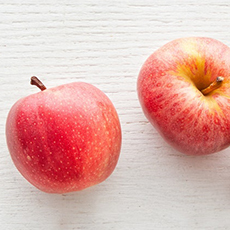
    Peach salsa is one of the best-selling salsa flavors. But if you like to make your own salsa, summer peach season is a ways off. Mangoes are a delicious replacement; but how about apple salsa? Crisp apples provide some crunch in the salsa, and apple salsa is delicious with pork dishes and chicken dishes. Try this recipe, courtesy of the U.S. Apple Association. We also added julienned apple slices into the green salad we served on the side.

    If you don’t want to use pork, substitute steak or chicken.

    August 18th is National Fajita Day.

    > The history of fajitas is below.
     
     
    PORK FAJITAS WITH APPLE-CILANTRO SALSA

    Yield: 4 servings, 2 fajitas each.

    Prep & Cook Time: 2 hours 15 minutes (includes chilling and marinating time).

    Apple Salsa Ingredients (2-1/2 Cups)

  • 3 unpeeled apples, cored and diced (more for optional garnish)
  • 1/2 cup cherry tomatoes, quartered
  • 1/2 ripe avocado, peeled and diced
  • 2 tablespoons sliced green onion, including top
  • 1 tablespoon chopped fresh cilantro leaves
  • 1 teaspoon granulated sugar
  • 1 teaspoon fresh lime juice
  • 1 teaspoon minced jalapeno pepper
  • 1/2 teaspoon minced garlic
  • 1/8 teaspoon black pepper
  • 1/4 teaspoon salt
  • Optional: fresh or sautéed apple slices for plate garnish
  •  
    Fajita Marinade Ingredients

    Combine in a small bowl and mix well:

  • 2 tablespoons vegetable oil
  • 4 tablespoons water
  • 4 tablespoons fresh lime juice
  • 6 large cloves garlic, finely minced
  • 3 teaspoons fresh cilantro leaves, minced
  • 1/4 teaspoon red pepper flakes
  • 1/4 teaspoon black pepper
  • 1/4 teaspoon salt
  •  
    Pork Wrap Ingredients

  • 1 pound pork tenderloin or lean pork roast
  • Fajita marinade
  • 8 flour tortillas (8-inch)
  •  
    Preparation

    1. Combine. Place all salsa ingredients in a bowl and mix well. Cover and refrigerate for several hours to meld flavors.

    2. Marinate. Place pork in a large sealable plastic bag and pour in the marinade. Cover and refrigerate for 1-1/2 hours or more, turning occasionally.

    3. Preheat grill. Drain marinated pork, saving excess marinade. Place pork on the grill and brush with leftover marinade. Grill over hot coals, turning frequently, for 8-10 minutes, until an internal thermometer reads 155-160°F. Remove from heat and place on a clean plate.

    4. Warm. Wrap tortillas tightly in foil and heat on upper grill rack for 10 minutes.

    5. Assemble. Cut pork diagonally across grain into thin slices. Arrange one-eighth of pork slices and 2 or 3 tablespoons salsa in the center of the tortilla. Fold the bottom half of the tortilla over filling and overlap sides on top. Arrange on serving plate. Garnish as desired.

    Serve with a side of brown rice and beans.

    The history of fajitas is below.


    THE HISTORY OF FAJITAS

    A popular Tex-Mex dish, fajitas were created at the end of the 1930s and beginning of the 1940s, by Mexican ranch workers in south and west Texas. During cattle roundups, animals were butchered regularly to feed the hands. Throwaway items such as the hide, the head, the entrails, and meat trimmings such as the skirt were given to the Mexican cowboys (called vaqueros) as part of their pay.

    Hearty border dishes were created by the chuck wagon cooks: barbacoa de cabeza (head barbecue), menudo (tripe stew), and fajitas or arracheras (grilled skirt steak). Given the limited number of skirts per carcass, the cut was not available commercially.

    Thus, fajitas on the grill remained regional and relatively obscure for many years, likely familiar only to the vaqueros, local butchers, and their families [source]. These are just two narrow skirts per cow, about 20 to 24 inches long and three to four inches wide once they’ve been trimmed [source].

    The word fajita has its origin in the Spanish “faja,” girdle. It referred to the little strips of meat cut from the beef skirt steak.

    The dish has evolved to include not just skirt steak but sirloin, chicken, seafood, and later, grilled vegetable Fajitas. It became a backyard and campfire staple, and ended up on Tex/Mex restaurant menus in the 1960s.

    At restaurants it is typically served on a sizzling hot metal plate with grilled bell peppers and onions.


    CHECK OUT WHAT’S HAPPENING ON OUR HOME PAGE, THENIBBLE.COM.


    Comments off

    The Nibble Webzine Of Food Adventures


    © Copyright 2005-2026 Lifestyle Direct, Inc. All rights reserved. All images are copyrighted to their respective owners.