THE NIBBLE BLOG: Products, Recipes & Trends In Specialty Foods


Also visit our main website, TheNibble.com.

TIP OF THE DAY: Combine Condiments Into “Gourmet Condiments,” Part 1

Today and tomorrow, chef Johnny Gnall takes on condiments: how your cooking can soar to greater heights by combining condiments in non-traditional ways. We got a lot of inspiration from his suggestions! Email your comments and suggestions for tips of the day to Chef Johnny.

You’re about to discover how to take your favorite condiments—ketchup, maple syrup, mayonnaise, whatever you have at hand—and combine them in ways that make them even more delicious.

Last May, when I reviewed The Flavor Bible, I talked about what I call “guerilla cooking.” Guerilla cooking is what being a chef should be all about: taking whatever ingredients are thrown at you, no matter how seemingly incompatible or mismatched they appear, and turning them into dinner. The meal doesn’t always fall under a specific cuisine or stay inside the culinary box, but with skill and knowledge, anything edible can be turned into a tasty treat (anyone who has watched an episode of Chopped knows this is true).


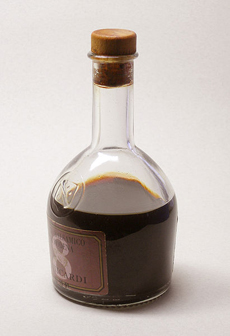
Combine balsamic vinegar with soy sauce? Who’d have thunk it? Photo by Rainer Zenz | Wikimedia.


COMBINE CONDIMENTS INTO A GREAT MEAL

Another key to the process of turning odds and ends into an exceptional meal is knowing how to maximize the potential of the common ingredients you have in your fridge or pantry.

Take the condiments group, a large set of ingredients bursting with opportunity. Anyone can drizzle truffle oil over potatoes to take things to the next level, but that’s so easy it’s almost cheating. Having the eye to spot a bottle, jar or can of something everyday and the imagination to apply it in an unexpected way can lead to signature dishes and great recipes that you never even knew were possible.

Here are a few not-so-everyday combinations and applications for ingredients you have in your kitchen right now. Use them as a jumping off point, but remember that the real magic will happen when you come up with something brand new and completely your own. Mix away!

BALSAMIC VINEGAR + SOY SAUCE = RICH, BALANCED UMAMI

These two ingredients are a match made in heaven: one intense and sweet, the other intense and salty, both rich and velvety and bold and overflowing with umami and tannins.

Add this combination to pretty much any vegetable and cook it however you like: The result will blow your mind.

To get the amounts right, whisk the two together first (before adding to veggies), adding each in small amounts until you achieve balance. A few grinds of cracked pepper or a pinch of chili flakes add even more zing.

Bear in mind, the better the quality of each ingredient, the richer and thicker your final product will be. The flavors will be there no matter what, but if you happen to have some of the good balsamic in your pantry, bust it out for this one. In addition to flavor, it will cling better to ingredients.

And use a good soy sauce—not the packets that come with Chinese food take-out.


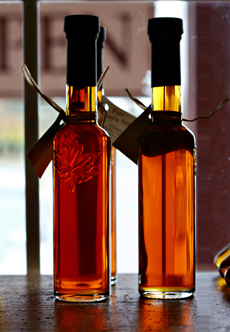
Mix naple syrup and grainy mustard?
Magnificent! Photo by Arpad Benedek | IST.
 

HONEY + CHILI PASTE OR HOT SAUCE =
DELICIOUS DIP

Whether you’re dipping French fries, crudités, or chicken tenders, this sweet and hot combination is a true crowd pleaser. You may need to season with a little salt or soy sauce depending on what kind of chili paste or hot sauce you use, so test a dab before applying it.

You can go naughty and thicken the sauce with a little sour cream, or add depth with a few drops of sesame oil. You can also stir in fresh herbs or citrus zest to brighten things up.

MAPLE SYRUP + WHOLE GRAIN MUSTARD =
FINGER LICKIN’ CHICKEN

This is an easy one and it blows minds every time. A variation on honey mustard, the maple syrup delivers deeper flavor, and the whole grain mustard adds texture as well as clinginess.

  • Mix the two together in roughly equal amounts, or until you have a paste that will stick to a chicken without sliding off.
  •  

  • Season said chicken generously with salt and pepper first. This step is important as the sweet, tangy dressing needs the salt to help it achieve balance.
  • Then slather the chicken all over with the maple-mustard mix, and roast it on a rack at 350°F for 30 to 35 minutes, until its internal temp reaches 160°F.
  • Make sure to rest the chicken for 10-15 minutes after it comes out of the oven, before slicing into it. Resting allows the cooking process to finish and retains the juices, which otherwise flow out of a non-rested roast.
  • Then cut into pieces and get the Wet-Naps ready!
  •  
    MAYONNAISE + ANYTHING = GOOD

    Mayonnaise is just so darn versatile: The version we know today was invented by the brilliant French chef Marie-Antoine Carême (1784-1833), founder of the concept of haute cuisine (here’s the history of mayonnaise). The key with mayo is to not go overboard on quantity and turn it into a cholesterol-fest.

  • Whisk in some raw garlic and a drizzle of olive oil to turn it into aïoli; add a generous spoonful of smoked paprika and you have a killer condiment for roasted potatoes that is not far from Spain’s patatas bravas*.
  • Throw in some fresh chopped herbs, some lemon zest, a pinch of salt, and a few grinds of fresh pepper and you will take your sandwiches to a whole new level.
  • Just remember that mayonnaise is rich, so any ingredient you combine should be complementary. Bright flavors, acidity and spice are all excellent foils for richness, so you aim your combinations in those directions.
  •  
    TOMORROW: How to combine citrus zest, molasses, pickling liquid, sour cream, tomato paste and more into gourmet condiments.

    FIND OUR FAVORITE CONDIMENTS & RECIPES IN OUR GOURMET CONDIMENTS SECTION.

    *A tapas bar favorite, patatas bravas (also called patatas a la brava or papas bravas) is made from white potatoes that have been cut into small, irregular shapes, then fried in oil and served warm with a very spicy mayonnaise or tomato sauce.


    Comments off

    RECIPE: Espresso Mousse In Espresso Cups

    Pretty much every specialty dish, from “shrimp cocktail” coupes to Champagne flutes, can be used to serve something else. Take espresso cups: Use them to serve mini portions of soup, frozen desserts, or custards and mousse. For fun, make it espresso mousse.

    We came across a similar concept some 20 years ago, at the famed French Laundry restaurant in St. Helena, California.

    Chef Thomas Keller, who was very tongue-in-cheek back then, served a dessert called Coffee & Doughnuts: coffee mousse with a foam “cappuccino” top and a side of beignets. We loved it!

    In preparation for last night’s Academy Awards festivities, we got out the espresso cups and made espresso mousse (you can easily find recipes for chocolate-espresso mousse, like this one from Giada De Laurentiis).

    Espresso mousse is typically made with instant espresso powder, which you can use in all chocolate recipes. See the details below.


    [1] Multitasking espresso cups hold espresso mousse (photo © Filicori Zecchini).


    MOUSSE VERSUS POT DE CRÈME

    Some people don’t like the airy texture of mousse, which incorporates whipped egg whites and whipped cream for ethereal lightness. Pot de crème (poe-duh-CREHM, plural pots de crème) is a more dense alternative, with a texture similar to chocolate pudding (mousse means foam in French, pot de crème means pot of cream, referring to the small ceramic lidded dishes in which they are traditionally served).

    While we enjoyed the espresso mousse recipe below, for variety next time we’ll make espresso pots de crème.
     
     
    RECIPE: ESPRESSO MOUSSE

    You can make the mousse up to one day in advance.

    Ingredients

  • 1/2 teaspoon unflavored powdered gelatin
  • 4 large egg yolks
  • 1/4 cup granulated sugar
  • Pinch of salt
  • 2 cups cold heavy cream, plus 1 cup for the whipped cream
  • 2 tablespoons instant espresso powder
  • 1 tablespoon confectioners’ sugar
  • Optional: 1 ounce coffee or espresso liqueur
  • Optional garnish: Unsweetened cocoa powder (optional)
  • Optional garnishes: shaved chocolate, small cookie
  •  
    For Whipped Cream Garnish

  • 1/2 cup heavy cream
  • 1/2 teaspoon of vanilla or almond extract
  • 1-1/2 teaspoons confectioners’ sugar
  • Pinch salt
  •  


    [2] Espresso powder doesn’t make a great cup of espresso, but it truly enhances baked goods and other recipes (photo © Medagla d’Oro).
      Preparation

    1. SPRINKLE gelatin over 2 tablespoons of water in a cup or small bowl. In a medium bowl, whisk together egg yolks, sugar, and salt until the color turns pale (about 1 minute).

    2. HEAT 1 cup of the cream in a saucepan; whisk in espresso powder. Gradually whisk the cream mixture into the bowl of egg mixture; then add the new mixture to the saucepan.

    3. STIR constantly over medium heat until the mixture thickens (about 8 minutes). Transfer to a clean bowl and whisk in the gelatin mixture. Add in the optional coffee liqueur.

    4. PRESS plastic wrap onto the surface of the mixture and let it cool completely on the counter for about 45 minutes. Do not refrigerate.

    5. BEAT 1 cup of cream with an electric mixer until soft peaks form. Gently fold it into the espresso mixture. Divide among eight espresso cups (or six 4-ounce dishes), leaving an inch at the top to anchor the garnish.

     
    6. MAKE whipped cream. First chill the bowl, beaters, and cream thoroughly. Using an electric mixer, whip the cream, vanilla, and sugar in the chilled bowl until soft peaks form (makes about 1 cup).

    7. COVER and refrigerate until set, at least 1 hour. Top mousse with whipped cream and sprinkle with cocoa powder plus other optional garnishes, as desired.
     
     
    USES FOR ESPRESSO POWDER

    Like a pinch of salt, espresso powder enhances any chocolate recipe.

  • Use ½ teaspoon in baked goods: It enhances chocolate’s flavor without adding any coffee flavor.
  • Add one to two teaspoons to achieve a hit of espresso flavor in frostings and sauces. Dissolve the espresso powder in an equal amount of cream or water before adding it, to prevent unwanted coffee flecks.
  • For mocha flavor, use 2 teaspoons or more. Use half a teaspoon in any chocolate recipe for a subtle lift; a teaspoon or more brings out a mocha flavor.
  •  


    CHECK OUT WHAT’S HAPPENING ON OUR HOME PAGE, THENIBBLE.COM.


    Comments off

    TIP OF THE DAY: Pressed Seed Oils


    Chef Johnny Gnall ventured beyond sesame seed oil to try other oils pressed from seeds. He discovered several lines from Austria and Slovenia, and his suggestions follow. If you have questions or suggestions for tips, email Chef Johnny.

    Among the various trending food products at a recent trade show, seeds and oils seemed to be particularly popular items. Both are hailed for their health benefits as well as their versatility; they can be folded into a recipe for a subtle note or used to finish it for a more up-front salutation to flavor.

    Only pumpkin seed oil seems to have created a presence among American foodies. But I had the opportunity to sample a larger selection of gourmet pressed seed oils, from Stoger (pronounced SHTOO-ger), a family farm in Neuruppersdorf, Austria.

    The seeds are slowly roasted and cold pressed in a 100% natural process. There’s no fruit flesh in these oils—just the seeds of the fruit.

    The result is a particularly vibrant color and a distinct flavor that you will not find in infused oils (where the flesh is infused in olive oil to flavor it). As with infused oils, each seed’s oil tastes of the fruit into which it would have grown, but in a way you’ve never experienced before, slick and satisfying as it lingers on your palate.

    Stöger makes four varieties of seed oil: cherry, chile, pumpkin and tomato. They’re a boon to cooks looking for flavorful new ingredients. A few suggestions for each oil follow; you can buy them from Culinary-Imports.com.


    Cherry seed oil: a new and exciting ingredient for American cooks. Photo courtesy Culinary imports.


    Cherry Seed Oil

    Definitely packing the most flavor of the four oils, the cherry seed oil had me in love before I even tasted it. Its mild, pleasant aroma is floral and beguiling. It smells deliciously “pink,” although I realize how strange that sounds.

    The cherry flavor is round and prominent, but its delivery is different from any cherry product you’ve ever tried. I would recommend this oil on almost anything sweet, from vanilla ice cream, to granola, to a piece of fruit that may need dressing up. You could also add a small amount to a salad dressing (to complement the olive oil or other oil), or to some whipped cream for a bold, sweet take on dessert topping.

    The brilliant red color of the oil adds a visual pop to anything it hits. Drizzle it over cheese, bread or chocolate: It’s a great “secret ingredient.”


    Tomato seed oil from Weingut Umathum,
    another Austrian producer. Photo courtesy
    Weingut Umathum.
      Chile Seed Oil

    Chile seed oil packs a kick, but in quite a manageable way: The heat from the chile stays on the tip of your tongue, as opposed to taking over your whole mouth, and the fat in the oil helps to tame some of the fire. (The importer wrote that it’s “devilishly hot, but in an angelic way.”)

    If you try it plain, you may think that chile oil tastes distinctly like buffalo wings, but without the saltiness or tanginess. For this reason, I recommend it drizzled over grilled chicken, or any chicken for that matter.

    It’s also a great way to add a controllable heat to dressings and marinades, when adding the entire chile or its seeds might make things a bit too fiery. Add a couple of drops to pasta sauce, appetizer spreads, as a soup garnish or—surprise!—drizzled over chocolate ice cream.

    For a quick snack, you can sprinkle chile seed oil over nuts or popcorn…but make sure to have an ice-cold beer nearby, just in case!
    Pumpkin Seed Oil

    Nutty and earthy, this pumpkin oil delivers subtle flavor notes and hints before the pumpkin flavor sets in. This is the most savory of the oils, and is a hit drizzled over squash risotto or pumpkin soup.

    Using the oil in conjunction with actual pumpkin or other squash will give you a nice contrast of different flavors, depending on how you cook your gourd. The oil is heavy in nuttiness but not really sweet, so try roasting the squash to get some sweet caramelization, then hit it with a few drops of pumpkin oil to bring out the full spectrum of the pumpkin.

    This dark green gourmet oil is also delicious in dressings, over potatoes of any kind and yes, drizzled over vanilla ice cream. Try adding some salt and pepper to the oil as a bread dipper, or drizzle it into an avocado.

    And you thought it was all about the pie!


    Tomato Seed Oil

    The mildest of the four oils, delivering a flavor reminiscent of sun-dried tomatoes, surprised me a great deal: Rarely do you experience tomato flavor without a hit of sweetness and/or acidity.

    Try drizzling tomato seed oil over garlic bread for a flavor reminiscent of marinara but still distinctly different from it. Use it in summery vinaigrettes, whether or not the salad you’re dressing has tomatoes. A few drops in a grilled cheese sandwich will add an unexpected but very complimentary a layer of flavor (it’s always fun to class up comfort foods).

    Use this exotic oil for finishing pasta dishes or as a cheese condiment, drizzled over cheese. It makes a delicious bread dipping sauce: Just add cracked pepper and grated Parmesan cheese.
      
    Seed oils are not inexpensive: 100 ml bottles of chile seed, cherry seed and tomato seed oils range from $29 to $39; pumpkin seed oil is $19. But the specialness is worth it, a little goes a long way, and any cook will appreciate a bottle as a gift.

    FIND MORE OF OUR FAVORITE GOURMET OILS & RECIPES.


    Comments off

    TIP OF THE DAY: Track Down Or Whip Up Some Malaysian Food

    It’s both easy and hard to describe Malaysian food. It’s a culinary adventure: a blend of Chinese, Indian and native Malay cuisines, sprinkled with Middle Eastern, Portuguese and Southeast Asian influences including Thailand, its neighbor to the north.

    The cuisine represents the peoples who populate Malaysia, and those traders who passed through, dating back to the 15th century and earlier.

    It’s an exciting cuisine: Whatever recipe you cook (or order), it’s delicious. The seasonings that make the meats, noodles, seafood and vegetables taste so special include banana leaf, bean sprouts, belacan (dried shrimp paste), coconut cream and coconut milk, curry leaf, galangal, kaffir lime leaf, laksa leaf,* lemongrass, tamarind and sesame oil. Spices include cardamom, clove, coriander, cumin, fenugreek, shallot, star anise and turmeric.


    The two parts of Malaysia—peninsula and island—are highlighted in green. Map courtesy Wikimedia.


    Unfortunately, there’s far too little Malaysian cuisine in the U.S. Chinese, Japanese, Thai and Vietnamese restaurants are represented in most big cities, but Malaysian eateries remain a trend waiting to happen. Perhaps that’s because most of us couldn’t pinpoint Malaysia on a map. So here it is in the map above: the two land masses highlighted in green.

    Malaysia is a constitutional monarchy in the middle of Southeast Asia, separated by the South China Sea into two regions, Peninsular Malaysia and East Malaysia (Malaysian Borneo). Peninsular Malaysia is immediately south of Thailand; the island shares borders with Indonesia and Brunei. The major cities and most of the population are on the peninsula, including the capital city, Kuala Lumpur, Malacca and Penang.

    India lies west, across the Bay of Bengal. Malacca, a port on the west coast, was the center of the 16th century spice trade, attracting British, Dutch and Portuguese traders.

     
    *Laksa is a fragrant herb with an intense lemony flavor and hints of eucalpytus, used in Malaysian stews.
     
    THE DELIGHTS OF MALAYSIAN CUISINE

    Highlights of Malaysian cuisine include rice- and noodle-based dishes, curries and stews, and Indian-style breads. The “national dish” is nasi lemak: a rice dish steamed with coconut milk and local herbs (ginger, lemongrass and pandus leaf) and served with with fried anchovies, peanuts, sliced cucumber, hard-cooked eggs and sambal, a spicy chile paste. A curry or a spicy meat stew (rendang—see photo below) can be added for a more substantial meal.


    Beef rendang, one of Malaysia’s most popular
    dishes. Photo courtesy Tourism Malaysia.
      But why talk about the food, when the Malaysian government has done such a good job of promoting it with photos and recipes?

    MalaysiaKitchenNYC.com is a lovely website that explains the cuisine while providing lots of recipes. This week the home page features an exotic dish, ais kacang or air batu campur (literally, “red bean ice”).

    It’s a dessert: a brightly-colored dish made with different flavored syrups, jellies and dressings on a base of cubes of agar agar and cendol, grass jelly, palm seed, red beans, sweet corn, form the base. It’s a popular treat at Malaysian coffee shops and food courts.
    But don’t be spooked by the unfamiliar: Make the featured recipe of the week, beef short ribs rendang.

     
    If you have access to an international food market, you may be able to find all the ingredients you need to create a memorable Malaysian dinner. You can also get like-minded friends in on the action, and have everyone prepare a different dish.

    FIND A MALAYSIAN RESTAURANT

    There is a scattering of Malaysian restaurants in California, Connecticut, New Jersey and New York City: Use this Malaysian restaurant locator to find the ones nearest to you.

    CULINARY TRAVEL

    Tourism Malaysia has developed culinary tours to highlight this beautiful country and its cuisine. Check with your travel agent or the two Tourism Malaysia offices in Los Angeles and New York City: TourismMalaysia.com.
      

    Comments off

    PRODUCT: Sparkling ICE Calorie-Free Soda


    Crisp Apple Sparkling ICE, calorie-free, is a delicious substitute for sparkling cider. Photo courtesy Talking Rain Beverage Company.
     

    Sparkling ICE is a line of zero-calorie soft drinks—the company calls them flavored sparkling waters (*see the footnote below for the difference between soda and flavored sparkling waters—produced by Talking Rain Beverage Company of Preston, Washington. Located in the foothills of the Cascade Mountains, the source water is from a pristine artesian spring that originates in the Cascades.

    The sweetener is sucralose, the generic form of Splenda. The line is enhanced with vitamins and antioxidants. Perhaps it’s the mountain spring water, along with natural flavors, that has created such charming tastes.

    Spakling ICE is made in Black Raspberry, Coconut Pineapple, Kiwi Strawberry, Lemonade, Lemon Lime, Orange Mango, Peach Nectarine, and Pink Grapefruit.

    But for us, the star is Crisp Apple, which has the flavor of sparkling cider. We had to check the label to be sure it really was zero calories. What a great way to enjoy the taste of a crisp apple!

    Whether you want an apple or an Appletini, spare the calories and start with a bottle of Crisp Apple Sparkling ICE.


    You can check the store locator on the Sparkling ICE website, or head to Amazon.com, where all the flavors are sold.

    We’d prefer a case of Crisp Apple Sparkling ICE to most of the gifts we tend to receive. Friends and relatives, please take note!
    THE DIFFERENCE BETWEEN SODA AND FLAVORED, SWEETENED SPARKLING WATER

    Sparkling water is water that is carbonated, a process discovered in 1767 by an English chemist, Joseph Priestley. Swedish chemist Jöns Jacob Berzelius added flavors (spices, juices and wine) to carbonated water in the late 18th century. This led to the evolution of soda fountains in pharmacies.

    In the early 19th century, American pharmacists added birch bark, dandelion, fruit extracts, sarsaparilla and other flavorings to the sparkling water, which was called “soda water” because it is made by infusing with carbon dioxide gas and bicarbonate of soda (sodium bicarbonate, or baking soda) a stabilizing element.

    Soda fountains became ingrained in the popular culture—like today’s coffee bars—with many Americans frequenting the soda fountain on a daily basis (source: Wikipedia). In the 1970s, unsweetened, flavored sparkling water appeared: club soda, mineral water and seltzer. These bottled drinks are differentiated from sodas by their lack of added sweetener.

    There are different types of bubbly—fizzy-sparkling water:

  • Carbonated water is a broad term that encompasses all fizzy waters. The term is used interchangeably with sparkling water and soda water.
  • Club soda has a pinch of salt added to it. It can be sodium chloride (table salt), sodium bicarbonate or potassium bicarbonate.
  • Seltzer is totally salt-free, the sodium bicarbonate is left out. Seltzer is what you get when you carbonate water at home with a Sodastream or other device.
  • Mineral water is something completely different: It’s plain water with a sufficient level of dissolved minerals to differentiate it from spring water. See our Water Glossary for the different types of water.
  •  
    So what’s the difference between soda and flavored sparkling water? Soda (not club soda) is sweetened, flavored carbonated water; “flavored sparkling water” is sweetened flavored carbonated water; it can also be flavored and unsweetened, in which case it is also called flavored club soda.

    In sum, soda and flavored sparkling water are the the same thing.
    FIND MORE OF OUR FAVORITE SOFT DRINKS.


    Comments off

    The Nibble Webzine Of Food Adventures
    RSS
    Follow by Email


    © Copyright 2005-2026 Lifestyle Direct, Inc. All rights reserved. All images are copyrighted to their respective owners.