Blackberry Grilled Cheese & More Noteworthy Recipes
|
|
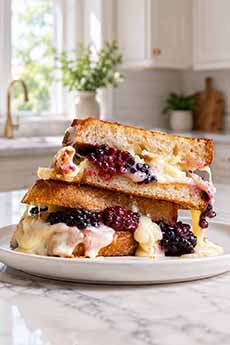
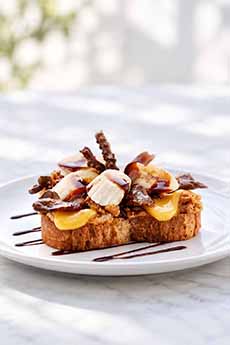
Updated September 2026 April is National Grilled Cheese Month, with National Grilled Cheese Day celebrated on April 12th. There’s also National Blackberry Day, on September 12th. Put them together and you have today’s featured recipe, grilled cheese with blackberries. The recipe was the first-prize winner in a Grilled Cheese Academy competition. If you’re hankering for grilled cheese but not this particular recipe, use the occasion to try some other luscious options beyond the everyday favorites. We rounded up some of our favorites below. Below: > The Grilled Cheese Academy (R.I.P.). > The first-prize recipe: Bewitching Blackberry grilled cheese. > The top 10 grilled cheese toppings. > More grilled cheese recipes. > The history of blackberries. Elsewhere on The Nibble: > Tips for making the perfect grilled cheese sandwich. > The year’s 27+ sandwich holidays. > The year’s 30 cheese holidays. > The year’s 35+ berry holidays. > The history of the grilled cheese sandwich. > The history of the sandwich. > The different types of sandwiches: a photo glossary. > Trompe-l’oeil grilled cheese: It looks like grilled cheese, but it’s grilled pound cake and Cheddar-colored frosting! We were sad to hear that the Dairy Farmers of Wisconsin had discontinued its Grilled Cheese Academy microsite. There’s nothing like looking at photo after photo of luscious, creative grilled cheese recipes. From 2010 through 2018, it was a treasure trove for lovers of grilled cheese. The recipes are now on its main website, WisconsinCheese.com. We so looked forward to their annual Grilled Cheese Recipe Showdown. The top prize was $15,000, which could keep the fridge full of top cheeses, breads, and toppings for quite some time. In the first Grilled Cheese Recipe Showdown, this beauty (photo #1), named “Bewitching,” took the top prize. It was created by Ally Phillips of Murrells Inlet, South Carolina. Ally’s bewitching concoction layers fresh blackberries, peppery greens, crispy fried bacon, and molten Wisconsin Gouda and Provolone. Ingredients For 2 Sandwiches
1. MIX the arugula and spinach in a small bowl; set aside. Trim the crusts from 3 sides of the bread slices, leaving the curved top crust attached. Butter the bread slices on one side. 2. COAT the skillet (preferably cast iron) heavily with cooking spray and then heat it. Place 2 slices of bread, buttered-side down, in the skillet; there should be a slight sizzle. Place 5 to 6 blackberries in the center of each bread slice. 3. TOP the berries with a slice of Provolone. Add another handful of berries and top with Gouda for the second layer. Place 3 strips of bacon on each sandwich and place a bread slice on top, buttered-side up. 4. MELD and compact the sandwich, using a spatula to press firmly. Grill 2 to 3 minutes until the bottom is browned; flip and grill another 2 minutes or until the cheese is melting. 5. REMOVE the sandwiches to plates. Carefully pull back the top slices and spread the arugula and spinach mixture on top of the bacon. Replace the top, pressing down, and then flip the sandwich so the greens are on the bottom. There’s no official ranking, but for a mix of popularity, flavor, and broad appeal, America’s favorites are:
The terms pan-fried and sautéed are often used interchangeably, but there’s a difference in the amount of oil, food size, and cooking method.
|
|
|
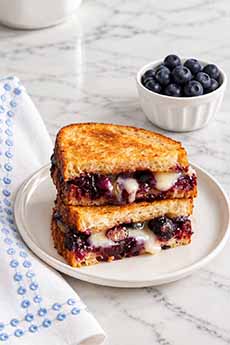
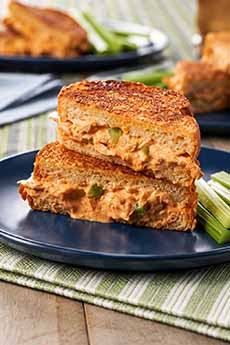
4. MORE GRILLED CHEESE RECIPES Grilled cheese and tomato soup is among the favorite American comfort meals. Add some creativity to the comfort with these recipes. Which one do you want to make first? Meat, Poultry & Seafood
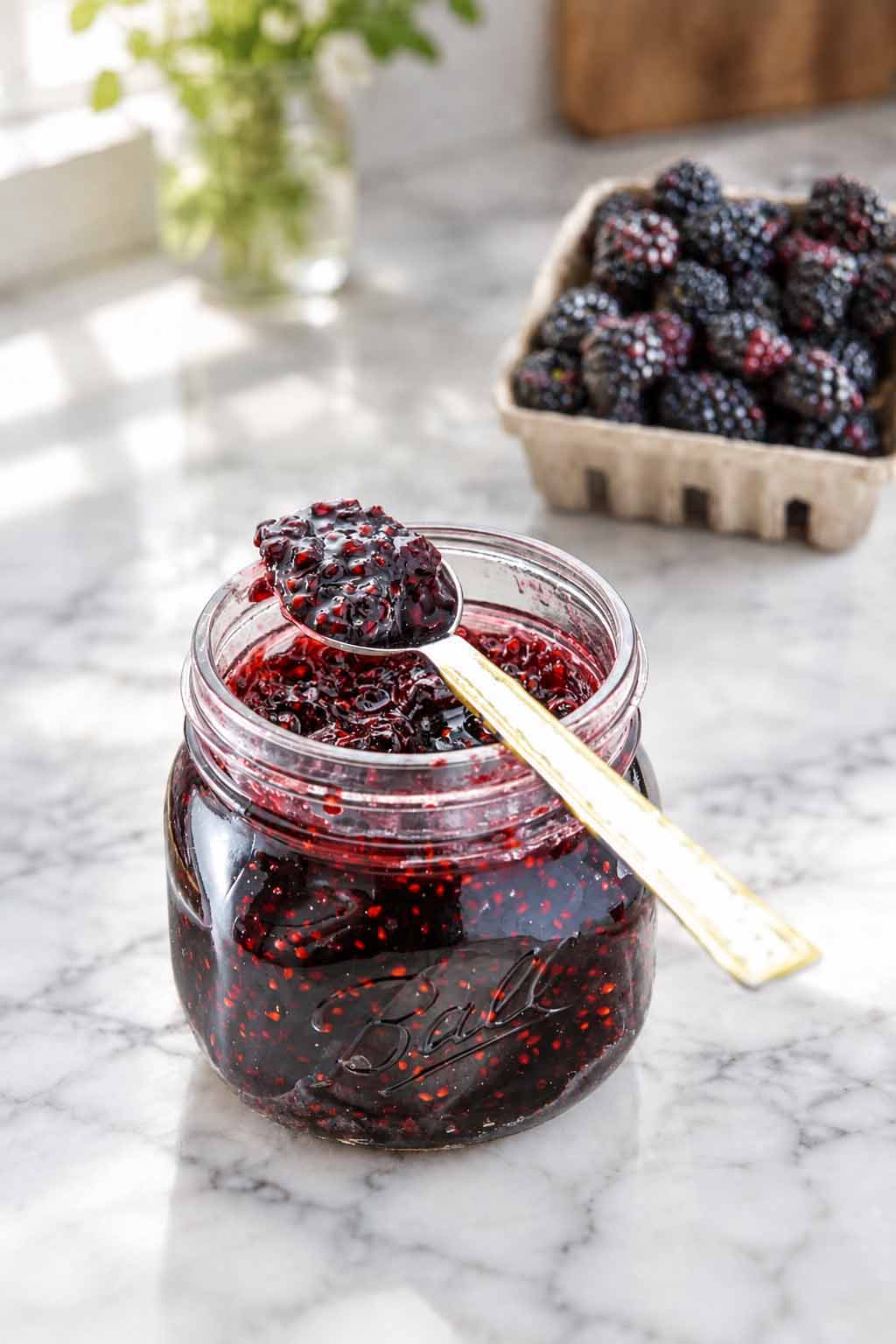
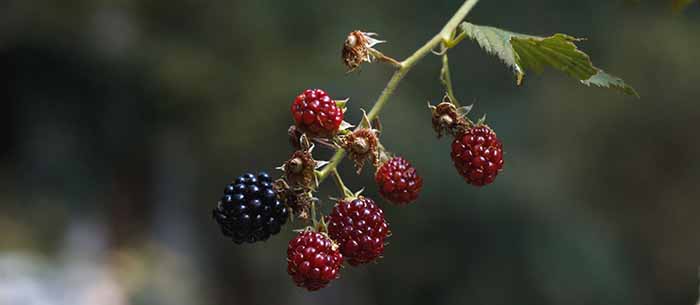
Blackberries are among the oldest fruits gathered and enjoyed by mankind. The dark, glossy berries grow on thorny brambles in the genus Rubus, a large and diverse genus of woody and herbaceous plants in the rose family (Rosaceae). The fruits of many plants in the genus Rubus are called caneberries because they grow on long, woody, upright or trailing stems called canes. Naturally occurring caneberries include blackberries and raspberries, as well as less familiar (to Americans) cloudberries, dewberries, thimbleberries, and wineberries. The genus also includes hybrid caneberries:
Today, blackberries are enjoyed fresh, frozen, baked into pies and cobblers, folded into desserts, cooked into jams, and used in sauces, cocktails, and savory dishes. But they’re more than simple wild fruits that have been cultivated. Their story spans prehistoric foraging, ancient medicine, folklore, and colonial settlement, through commercial breeding and modern agriculture. Blackberries grow wild across much of Europe, Asia, North Africa, and the Americas. They thrive in hedgerows*, woodland edges, disturbed ground, and open fields, where their arching canes form dense tangles. Because the berries are abundant, flavorful, and easy to recognize when ripe, they were an accessible seasonal food long before cultivation. Archaeological evidence indicates that people in prehistoric Europe gathered blackberries as part of a broad diet of wild fruits, nuts, plants, fish, and game. Blackberry seeds have been found at ancient settlement sites, thousands of years old. Like many wild berries, blackberries would have been valued not only fresh but also dried or preserved for use beyond the late-summer harvest. The ancient Greeks and Romans recognized blackberry brambles (the rough, tangled, prickly shrubs) for both culinary and medicinal uses.
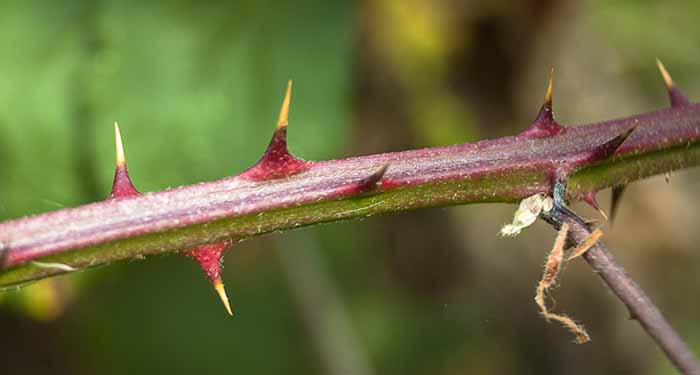
Beyond their use as fruit and folk healing, blackberry brambles held an unusual cultural role in medieval and early modern Europe. They were boundary plants: The thorny hedges marked property lines, enclosed livestock, and created living barriers around fields and homes. Blackberry gathering followed a seasonal rhythm. In Britain, a longstanding custom holds that blackberries should not be picked after Michaelmas, traditionally September 29th. Folklore explains that the devil spoiled the fruit after falling into a bramble patch. But in practical terms, late-season berries can become less appealing as cooler, wetter weather arrives and molds spread more readily. For centuries, most blackberries were harvested from wild plants rather than deliberately cultivated. Brambles were plentiful but not always welcome: They spread aggressively, scratched harvesters, and could overtake pastureland or neglected fields. Over time, gardeners and growers began selecting plants for desirable characteristics such as larger berries, improved flavor, heavier yields, more upright canes, and fewer thorns. In the 19th century, the United States became particularly important in the development of cultivated blackberries. Growers and plant breeders selected varieties suited to local climates, transport, and commercial production. The Pacific Northwest emerged as a major blackberry-growing region because of its mild temperatures, sufficient rainfall, and long growing season. Blackberries are vigorous colonizers: Their seeds can be spread by birds and mammals, and their canes quickly form dense thickets. They often take advantage of open and recently altered spaces (cleared woodland, ditches, roadsides, grazed land) before slower-growing plants can claim them. The good news is that there’s fruit to be gathered. The other side of the coin is that certain introduced blackberry species have become invasive in some regions, where vigorous brambles can crowd out native plants and form difficult-to-manage thickets. By the late 19th and early 20th centuries, blackberries had moved beyond home gardens and wild hedgerows* into commercial farms. Improved varieties made fruit more consistent in size and quality, while rail networks and later refrigerated transport made it possible to sell delicate berries farther from where they were grown. Commercial breeding has focused on practical traits:
Thornless varieties were especially significant. While wild blackberries are famously prickly, thornless cultivars made backyard growing and commercial harvesting far more appealing. Despite these advances, the experience of picking blackberries from a hedgerow remains close to the fruit’s ancient past: stained fingers, thorny branches, ripe berries hidden beneath leaves, and the brief abundance of late summer. In much of the temperate United States, blackberry harvest commonly runs from June or July through August, with some cultivated plantings continuing into September. In the Southern Hemisphere, the season is generally reversed, falling around December through February. The exact season depends heavily on local weather. A warm spring can bring berries early, while cool weather delays ripening. For the sweetest fruit, pick berries when they are fully dark, plump, and detach easily with a gentle touch. Blackberries have transitioned from a foraged wild food into a global cultivated crop, but they still carry the character of the bramble—abundant, hardy, slightly unruly, and deeply rooted in human seasonal tradition. *A hedgerow is a line of closely planted shrubs, bushes, and small trees that form a boundary or living fence between fields or along country roads. CHECK OUT WHAT’S HAPPENING ON OUR HOME PAGE, THENIBBLE.COM. |
||