THE NIBBLE BLOG: Products, Recipes & Trends In Specialty Foods


Also visit our main website, TheNibble.com.

Chickpea Baked Sweet Potato Garnish For National Chickpea Day

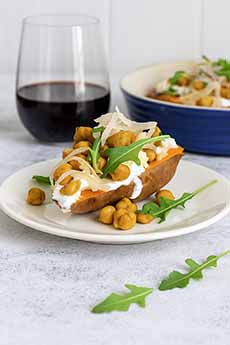
April 21st was National Chickpea Day, our opportunity to try out this baked potato recipe. We liked it so much that we’re glad that we had extras to enjoy today.

Chickpea Stuffed Sweet Potatoes are protein-packed, gluten-free and dairy-free. Thanks to Bubbies Fine Foods for the recipe, which creatively added their sauerkraut as a garnish.

The recipe would work with white potatoes, too.

> The history of chickpeas and how the chickpea got its name.

> Are chickpeas peas or beans?

> More chickpea recipes.

> The different beans, grains, legumes: a photo glossary.

Below:

> The difference between legumes, beans, and pulses.

> The most popular legume, bean, and pulse dishes in the U.S.

> All the legume, bean, and pulse holidays.
 
 
RECIPE: CHICKPEA STUFFED SWEET POTATOES WITH BUBBIES SAUERKRAUT
 
Prep time is 10 minutes, and bake time is 70 minutes.
 
Ingredients

  • 4 large sweet potatoes
  • 1 can (15 ounces) chickpeas
  • 1 tablespoon olive oil
  • 1 teaspoon kosher salt
  • ½ teaspoon black pepper
  • ½ teaspoon cumin
  • 1 garlic clove, minced
  •  
    For The Garnish

  • 2 tablespoons tahini sauce
  • Garnish: Bubbies Sauerkraut
  • 1 handful of arugula
  •  
    Preparation
     
    1. PREHEAT the oven to 375°F. Prick the sweet potatoes with a fork and bake for 45 -50 minutes or until tender.

    2. DRAIN the chickpeas, rinse with water, and pat dry. Toss them in a small bowl with olive oil, salt, black pepper, garlic, and cumin.

    3. EVENLY SPREAD the chickpeas on a sheet pan and bake for 25-30 minutes until browned and crispy. Once the potatoes have cooled…

    4. SLICE them in half and top them with chickpeas (if you wish, you can scoop out some of the flesh).

    5. GARNISH with sauerkraut, drizzle with tahini sauce, and top with some arugula leaves.
     
     
    THE DIFFERENCE BETWEEN LEGUMES, PULSES, & BEANS

    Legumes, pulses, and beans dominate American recipes. Legumes like peanuts and soybeans are found in many health-conscious meals, processed foods, and snacks. Pulses like lentils and chickpeas become are important in fiber-forward and plant-based diets (not to mention that great “American” snack food adoptee, hummus).

    All beans and pulses are legumes, but not all legumes are beans. For example:

  • Chickpeas are legumes, but they are not beans.
  • Lentils are legumes, but they are not beans.
  • Green beans are legumes, but technically not beans (in the sense that they can’t be dried and stored).
  •  
    Legumes, pulses, and beans are all related, but each term refers to a different level of classification or usage. Here’s how they fit together. Thanks to the Food and Agriculture Organization Of The United Nations (FAO) for the information.
     
     
    Legumes are the broadest category, which refers to plants in the Fabaceae botanical family. It includes the entire plant: pods, seeds, and structure.

    Legume is a botanical term, not a food term. The plants in the legume category do not have to be edible.

    Examples of legumes include alfalfa, beans, chickpeas, clover, lentils, mesquite, peanuts, peas (both green and dry), soybeans, and tamarind.
     
     
    Pulses are a subset of legumes. Pulse is a botanical term. Like legumes, it is not limited to food use. Pulses don’t have to be edible—for example, ornamental* legumes.

    Pulses are the dry edible seeds of certain legume plants. They are harvested dry, not green or fresh.

    Pulses include chickpeas, cowpeas (e.g., black-eyed peas), dried beans (black, kidney, navy, pinto, and hundreds of others), lentils, mung beans, pigeon peas, and split peas.
     
     
    Beans are both a type of pulse and a legume. Bean is a culinary term, not a botanical term.

    The bean group refers to seeds from specific plants in the Phaseolus (common bean) genus plus a few others. They are most often oval or kidney-shaped.

    The bean group includes black beans, kidney beans, lima beans (a.k.a. butter beans), navy beans, pinto beans, and many others.

    Note that particular legumes—chickpeas, fava beans, lima beans, mung beans, and others are pulses if they are harvested dry, but legumes if they are harvested fresh.

    For example:

  • Lima beans are always legumes. They’re members of the Fabaceae family, so whether fresh or dried, they’re legumes by botanical definition.
  • Lima beans are pulses if harvested dry. According to the FAO (Food and Agriculture Organization), pulses are “leguminous crops harvested solely for their dry grain.”
  • Lima beans are also beans. They are a type of common bean in the genus Phaseolus, just like kidney or navy beans. Beans can be fresh or dried.
  • Thus, dried lima beans are legumes, pulses, and beans, while fresh lima beans are only legumes and beans.
  •  
     
    THE MOST POPULAR BEAN, LEGUME, & PULSE DISHES IN THE U.S.

  • Bean dishes: baked beans (navy beans), bean burritos (black or pinto beans), bean soup (navy or great northern beans), black-eyed pea dishes, chili (black, kidney, or pinto bean), refried beans (pinto beans, sometimes black beans), three-bean salad (Kidney, green, and garbanzo beans).
  • Legume dishes: black-eyed pea dishes, edamame (soybeans), peanut butter and jelly sandwich, soy milk and tofu dishes (soybeans), split pea soup (dry peas), stir frys and other Asian dishes (snow peas, sugar snap peas).
  • Pulse dishes: chana masala (chickpeas), chickpea salad, daal (lentils or chickpeas), falafel (chickpeas or fava beans), hummus (chickpeas, a.k.a. garbanzo beans), lentil soup, lentil sloppy joes, lentil tacos.
  •  
     
    ALL THE BEAN, LEGUME, & PULSE HOLIDAYS

    We have include some, but not all, of the holidays for the most popular bean dishes.

  • January 6: National Bean Day / National Dry Bean Day
  • January 9: National Cassoulet Day
  • February 7: National Chili Day
  • February 10: World Pulses Day
  • April 20: Lima Bean Respect Day
  • April 21: National Chickpea Day
  • May 13: International Hummus Day
  • June 12: International Falafel Day
  • July: National Beans Month
  • July 3: National Eat Your Beans Day
  • July 13: National Beans ‘N’ Franks Day
  • July 26: World Tofu Day
  • December 3: National Green Bean Casserole Day
  •  
    Plus:

  • All The Peanut Holidays (there are 24, excluding peanut butter holidays)
  •  
    Plus, For Fun:

  • April 16: National Bean Counter Day
  • April 22: National Jelly Bean Day
  • August 22: Never Bean Better Day
  •  

    Baked Sweet Potato With Chickpeas
    [1] Ready to celebrate National Chickpea Day in style. The recipe is below (photos #1, #34, and #5 © Bubbies Fine Foods).

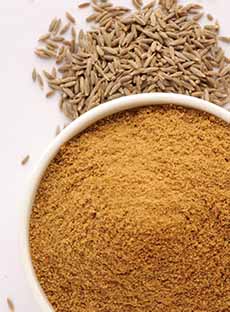
    Whole and ground cumin
    [2] Cumin, part of the seasoning, is warm, earthy, nutty, and slightly peppery. The seeds are used either whole or ground. The spice can be found in global cuisines, especially in India, the Mediterranean, Mexico (and Tex-Mex), the Middle East, and North Africa (photo © The Spice House).

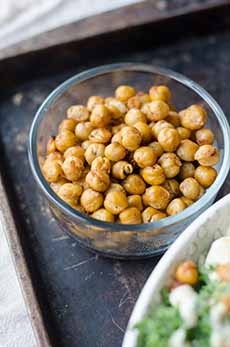
    Bowl Of Cooked Chickpeas
    [3] Chickpeas top the sweet potato (photo © Clark Douglas | Unsplash).

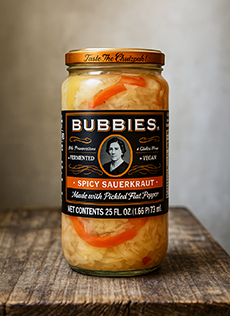
    Jar Of Bubbies Sauerkraut
    [4] They in turn are topped with sauerkraut.

    A Jar Of Bubbies  =Spicy Sauerkraut
    [5] Bubbies Sauerkraut is available in Original and Spicy. You can use either in this recipe.

    Bowl Of Tahini Sauce
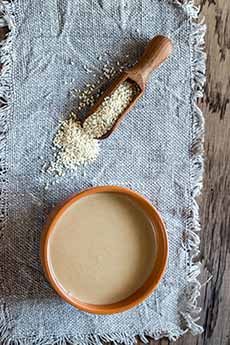
    [6] Then, a drizzle of tahini, which is a sauce made from ground sesame seeds (photo © Alex 9500 | Panther Media).

    Bowl Of Arugula
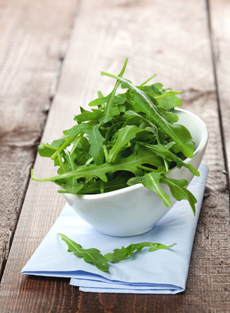
    [7] A few leaves of arugula, and you’re ready to eat (photo © Baldor Food | Facebook).

     
    ________________
     
    *Ornamental legumes are not eaten, but are grown for other qualities: attractive or fragrant flowers, interesting foliage or pods, unique shapes, or appeal to pollinators and and beneficial insects.

    They can also have functional benefits, for example, adding nitrogen to the soil (helping other plants grow), and providinge habitat and erosion control.


    CHECK OUT WHAT’S HAPPENING ON OUR HOME PAGE, THENIBBLE.COM.


    Comments off

    Cheeky Habanero Hot Honey Syrup Makes Sweet Heat Easy

    Bottle Of Honey Simple Syrup
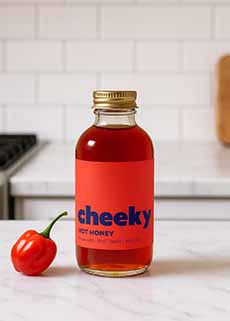
    [1] A bottle of Habanero Hot Honey Syrup has many uses in the kitchen. See them below (photos #1, #2, and #3 © Cheeky Cocktails).

    Cheeky Habanero Honey Simple Syrup
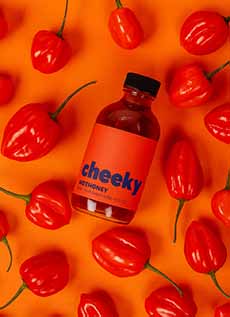
    [2] The two-ounce size makes tasty party favors and stocking stuffers.

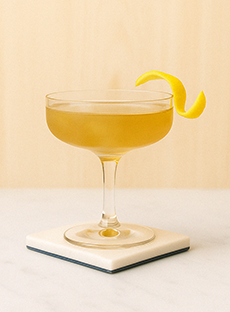
    Bee's Knees Cocktail
    [3] It’s time to bring back the Bee’s Knees gin cocktail—and make it spicy! The recipe is below.

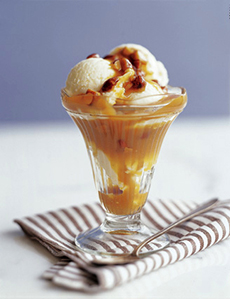
    Caramel Sundae
    [4] Make spicy caramel (photos #4 and #5 © National Honey Board).

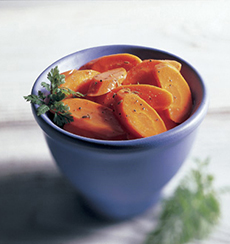
    A Bowl of Glazed Carrots
    [5] Glaze carrots.

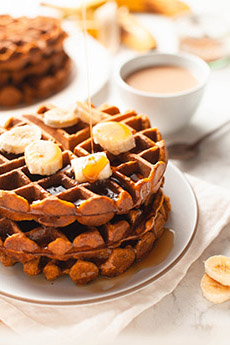
    Pumpkin Waffles With Sliced Bananas
    [6] Use on pancakes, waffles, and French toast (photo © Colavita).


    We’ve been playing with Cheeky’s Habanero Hot Honey Syrup all week. Infused with habanero chile peppers, it was created to add a spicy twist to cocktails.

    But we’ve wandered afar from expressing our inner mixologist, using Habanero Hot Honey Cheeky sweet with everything from hot chocolate to ice cream and vinaigrette (see our list of adventures below).

    Handcrafted with habanero chiles, honey, and water, and free from preservatives or artificial flavors, these shelf-stable syrups are also nifty gifties for home cooks and mixologists.

    > Below: uses for Habanero Hot Honey Syrup.

    > Also below: a Spicy Bee’s Knees cocktail recipe.

    > The history of simple syrup.

    > The history of honey.

    > The history of chile peppers.

    > The different types of chile peppers: a photo glossary.

    > A year of chile pepper holidays.

    > A year of honey holidays.

    > A year of cocktail holidays.

    > Check out things to do with Cheeky’s Decaf Espresso Syrup.
     
     
    GET YOUR HABANERO HOT HONEY SYRUP

    Bottles are available in 2-ounce (photo #2), 4-ounce (photo #1), 16-ounce, and 750ml/25.4-ounce sizes.

    The small size is a great party favor or stocking stuffer.

    While your on the website, CheekyCocktails.co (not .com), check out the other flavors and mixers, and gift sets.
     
     
    USES FOR HONEY-HABANERO SIMPLE SYRUP

    Habanero-infused honey simple syrup offers a wonderful balance of sweet and spicy that works in many applications.

    Spicy Cocktails

  • Create a spicy twist on a classic Bee’s Knees (recipe below).
  • Add to tequila cocktails to create a Spicy Margarita, Spicy Mojito, or Spicy Paloma.
  • Add to whiskey cocktails, staring with a Spicy Old Fashioned or Whiskey Sour.
  •  
    Spicy Non-Alcoholic Drinks

  • Stir into lemonade, iced tea, or iced coffee.
  • Add to sparkling water with lime.
  • Add to hot tea or coffee, or as a sweetener for cocoa.
  •  
    Spicy Cooking

  • Drizzle over pizza (especially good with pepperoni or prosciutto).
  • Brush onto grilled chicken or salmon during the last minutes of cooking.
  • Glaze roasted vegetables (carrots, sweet potatoes) or chicken wings.
  • Drizzle over cheese boards (pairs wonderfully with sharp cheddar or goat cheese).
  • Mix into vinaigrette.
  • Drizzle over vanilla ice cream for a surprising dessert.
  • Use as a finishing syrup for pancakes or waffles.
  • Brush onto cornbread fresh from the oven.
  • Add to marinades.
  • Add to stir-frys.
  •  
     
    RECIPE: THE BEES KNEES COCKTAIL

    The Bee’s Knees cocktail was created during Prohibition (1920-1933) in the U.S. Like many cocktails from this period, it was designed to mask the harsh taste of bathtub gin.

    It was a version of the gin sour, substituting the richer, stronger honey syrup for simple syrup*.

    The original creator’s name is lost to history. There’s a common belief that a famed bartender, Frank Meier, created the Bee’s Knees cocktail at the Hotel Ritz in Paris in the 1920s. But he was not the first to make it.

    While Meier included a recipe for the Bee’s Knees in his 1934 book, The Artistry of Mixing Drinks, the cocktail was served in American speakeasies before then.

    Why the name? Not only was the drink considered to be excellent (“the bee’s knees” in the slang of the day), but it contained honey.

    The drink fell out of fashion after Prohibition but has enjoyed a revival during the craft cocktail renaissance of the 21st century. Now, it’s made with quality gin, and more people are disposed to natural honey as a sweetener than refined sugar.

    Why can’t you use straight honey in the drink?

    Straight honey is very thick and doesn’t mix easily into cold beverages. It needs to be made more fluid by diluting it with water. The typical ratio is 2 or 3 parts honey to 1 part water, stirred to a uniform consistency. (Any extra can be easily stored).

    The conventional Bee’s Knees is made with traditional honey syrup. This version turns it into a Spicy Bee’s Knees.

    If you’re not a gin lover, substituting Bourbon creates a Spicy Gold Rush.

    Ingredients Per Drink

  • 2 ounces gin
  • .75 ounces fresh lemon juice
  • .5 ounce Cheeky Habanero Hot Honey Syrup
  • Optional garnish: lemon twist
  •  
    Preparation

    1. COMBINE the ingredients in a shaker filled with ice. Shake for 10-15 seconds and strain into a coupe or rocks glass.

    2. GARNISH with a lemon twist.

     
    ________________
     
    *By the early 19th century, bartenders were regularly using sugar syrups in drinks [source: Claude.ai 2025-04-28].


    CHECK OUT WHAT’S HAPPENING ON OUR HOME PAGE, THENIBBLE.COM.


    Comments off

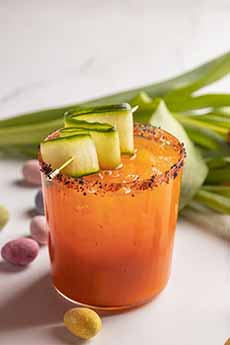
    Hop Into Easter With This Tequila & Carrot Cocktail Recipe

    Instead of the conventional glass of wine poured while waiting to sit down for Easter dinner, how about a carrot cocktail?

    This recipe is from Chef Richard Sandoval, proprietor of two haute Mexican restaurants in Manhattan we love: Maya and Tán.

    The recipe follows, but first:

    > The history of carrots.

    > The history of cocktails.

    > The history of Tequila.

    > The different types of Tequila.

    > All the carrot holidays.

    > All the cocktail holidays.
     
     
    RECIPE: TEQUILA & CARROT COCKTAIL

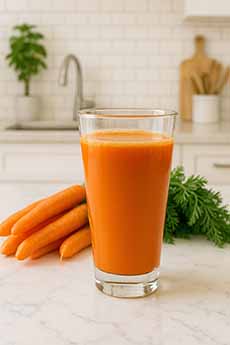
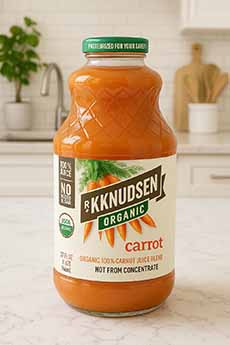
    For the very best flavor—if you don’t have a juicer—purchase fresh carrot juice. Otherwise, our favorite brand is R.W. Knudsen (photo #3).

    Ingredients Per Drink

  • 2 cucumber coins
  • 1½ ounces blanco Tequila
  • ¾ ounces lemon juice
  • ½ ounces carrot juice
  • ¾ ounces simple syrup (buy it or make it)
  • Rim: Tajín or Sal de Gusano
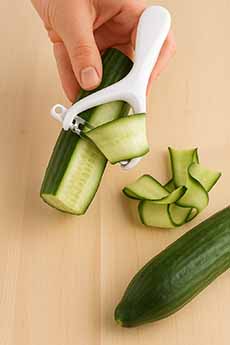
  • Garnish: cucumber ribbon (photo #4, instructions below)
  •  
    Preparation

    1. RIM the glass(es).

    2. MUDDLE the cucumber coins in a shaker. Add the tequila, lemon juice, carrot juice, and simple syrup.

    3. SHAKE and strain into the rimmed rocks glass. Garnish with a cucumber ribbon.
     
     
    TAJÍN VS. SAL DE GUSANO: THE DIFFERENCE

    Tajín and Sal de Gusano are both popular Mexican seasonings, but they’re quite different in ingredients, flavor, and how they’re traditionally used.

    Tajín is a chili-lime seasoning blend made with dried chili peppers, dehydrated lime juice, and salt.

    It’s tangy, citrusy, and mildly spicy and used to:

  • Sprinkle on fruit (mango, pineapple, watermelon), including ice pops and ice cream.
  • Rim cocktail glasses, especially Margaritas and Micheladas.
  • Season snacks (chips, popcorn) and veggies.
  • More uses for Tajin seasoning.
  •  
    Sal de Gusano is worm salt. It’s a traditional Oaxacan seasoning made with toasted and ground maguey worms (the kind sometimes found in mezcal bottles), chiles (often pasilla), and sea salt.

    It’s earthy, smoky, and, slightly spicy and used to:

  • Bite from an orange wedge after a sip of mezcal.
  • Season traditional Oaxacan dishes and grilled meats.
  • More about sal de gusano.
  •  
     
    HOW TO MAKE A CUCUMBER RIBBON

    These are nice garnishes for savory cocktails, including the Bloody Mary, Gin & Tonic, Martini, Pimm’s Cup, Southside, Tom Collins, and most gin cocktails. Also great for sparkling or still water and spa water.

    What You Need

  • 1 English cucumber with peel
  • Vegetable peeler (Y-peeler works best) or mandoline
  • Optional: cocktail pick or skewer
  •  
    Preparation

    1. WASH the cucumber thoroughly, pat dry, and trim the ends off.

    2. USE the vegetable peeler or mandoline to slice long, thin ribbons from top to bottom. Apply even pressure to get a full-length strip.

    If the slices are too floppy, press deeper—but keep the thickness flexible to create the curled ribbon.


    Carrot Cocktail
    [1] Tequila and carrot juice cocktail (photo and recipe © Richard Sandoval Hospitality).

    A Glass Of Fresh Carrot Juice
    [2] Fresh-squeezed carrot juice is great in this recipe…(photos #2 and #4 by ChatGPT 2025-04-16).

    A Bottle Of Knudsen Carrot Juice
    [3] But you can always buy store bought. This is our favorite (photo © R.W. Knudsen).

    Cucumber Ribbon
    [4] Making cucumber ribbons with a Y-shape peeler (photo Taste.com).


    CHECK OUT WHAT’S HAPPENING ON OUR HOME PAGE, THENIBBLE.COM.


    Comments off


    © Copyright 2005-2026 Lifestyle Direct, Inc. All rights reserved. All images are copyrighted to their respective owners.