THE NIBBLE BLOG: Products, Recipes & Trends In Specialty Foods
Also visit our main website, TheNibble.com.
|
July 17, 2013 at 9:02 am
· Filed under Academy Awards, Food Holidays, Ice Cream-Sorbet-Yogurt, Recipes
|
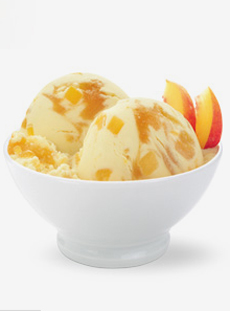
Peach ice cream. Photo courtesy
Haagen-Dazs. |
|
It’s National peach Ice Cream Day. Peaches originated in China and have been cultivated since about 1000 B.C.E. Here are more peach facts.
To celebrate the holiday, QVC has sent us chef David Venable’s recipe for homemade, fresh peach ice cream. If you’d like a classic custard-base French ice cream, try this peach ice cream recipe. You’ll also find a delicious peach cobbler recipe—great with the ice cream.
PEACH ICE CREAM RECIPE
Ingredients
4 cups fresh sliced peaches or defrosted frozen peaches
1 can (9.6 ounces) peach nectar
1/4 cup sweetened condensed milk
1/2 cup heavy cream
1/4 cup whole milk
1 teaspoon unflavored gelatin
1 teaspoon lemon juice
|
Preparation
1. PURÉE 3 cups of the peaches and 1 can of peach nectar in a food processor until smooth.
2. COMBINE the peach purée with the condensed milk, heavy cream and whole milk in a medium size sauce pan. Place 3 tablespoons of the mixture into a small bowl, and sprinkle the gelatin onto the mixture; set aside.
3. BRING the saucepan mixture to a slight simmer over medium heat. Remove from the heat.
4. POUR 1 cup of the heated mixture into the small bowl (with the gelatin). Stir until gelatin has dissolved.
5. STIR gelatin mixture into the remaining ice cream and refrigerate overnight. Take the remaining peaches and chop them into 1/4″ pieces. Refrigerate until ready to freeze ice cream base.
6. POUR the chilled ice cream base into an ice cream maker and begin to freeze according to manufacturer’s instructions. After the ice cream freezes to the point of soft serve, add the chopped peaches and allow the machine to run until peach pieces are distributed throughout. Continue to freeze according to the directions.
PREFER HONEY TO SUGAR?
Make this peach ice cream recipe with honey.
|
|
|
Permalink
|
|
July 17, 2013 at 8:22 am
· Filed under Recipes, Vegetables-Salads-Herbs
|
|
When the grill is fired up, try this easy. Grilled Marinated Eggplant, Zucchini, and Portobello Mushrooms from Patsy’s Italian Restaurant in New York City. The restaurant is famous as Frank Sinatra’s favorite restaurant, and is still popular with his family.
RECIPE: MARINATED GRILLED EGGPLANT,
MUSHROOMS & ZUCCHINI
Ingredients For 4 Servings
1 medium eggplant, about 1 pound
3 small zucchini, about 1 pound
2 large portobello mushrooms
|
|

Marinated grilled eggplant. Photo courtesy
Patsy’s | New York City. |
|
Vinaigrette Marinade Ingredients
¾ cup extra-virgin olive oil
¼ cup balsamic vinegar
1 peeled garlic clove, minced
1 tablespoon finely chopped fresh basil (about 4 leaves)
Salt and freshly ground black pepper, to taste
|
Marinated grilled zucchini. Photo courtesy
Patsy’s | New York City. |
|
Preparation
1. MAKE marinade: Place all ingredients in a screw-top jar. Close tightly and shake until thoroughly blended.
2. PEEL the eggplant and then trim the ends from both the eggplant and zucchini. Cut into ½-inch rounds. Remove the stems from the mushrooms and clean by gently wiping the top of each with a damp paper towel.
3. TOSS the zucchini, eggplant and mushrooms in a large bowl with the vinaigrette marinade. Set aside for 10-15 minutes to allow flavors to meld before grilling.
|
|
4. GRILL the zucchini and eggplant for 2 minutes, turning once. Grill only the top of the mushroom, for 3 minutes.
5. ENJOY this delicious, healthy side or first course.
FIND MORE OF OUR FAVORITE VEGETABLE RECIPES.
|
|
|
Permalink
|
|
July 17, 2013 at 8:00 am
· Filed under Appetizers-Hors d’Oeuvre, Fish-Seafood-Caviar, Recipes
|
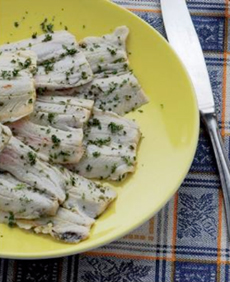
Marinated fresh anchovies. Photo courtesy
Flavor Your Life. |
|
This one‘s for sushi, sashimi and anchovy fans, requires no cooking and is served chilled—great summer fare!
There are many more ways to serve anchovies beyond Caesar salad, canapes and pizza. One of our favorite ways is as a first course or hors d’oeuvre:
This recipe, courtesy of FlavorYourLife.com, serves four. There are other delicious olive oil-based recipes on the website.
MARINATED ANCHOVIES IN OLIVE OIL
Ingredients
14 ounces fresh anchovies (scaled off and without head and bone)
1 clove garlic, peeled and thinly sliced
Fresh lemon juice
Fresh parsley, chopped
Pinch of salt and pepper or crushed red chile pepper
Extra virgin olive oil
Boston lettuce
|
|
Preparation
1. RINSE the anchovies completely, drain and dry towel.
2. PLACE anchovies on a dinner plate with the inside facing upwards. Make sure that the anchovies do not overlap.
3. ADD a pinch of salt to the anchovies and sprinkle them with lemon juice.
4. SPRINKLE garlic slices over the anchovies.- Cover the dish of anchovies with plastic wrap and let them marinate in the fridge for about 3 or 4 hours. When the anchovies are ready, they should be white. When ready to serve…
5. REMOVE anchovies fron fridge, remove the slices of garlic and add a drizzle of oil, chopped parsley and a sprinkle of black or crushed chili pepper.
6. SERVE on a bed of Boston lettuce with toasted rustic bread and a crisp, minerally white wine like Chablis, Pinot Gris or Pinot Blanc; Riesling, Sauvignon Blanc, Pinot Gris or Viognier.
FIND MORE DELICIOUS FISH RECIPES.
|
|
|
Permalink
|
© Copyright 2005-2026 Lifestyle Direct, Inc. All rights reserved. All images are copyrighted to their respective owners.