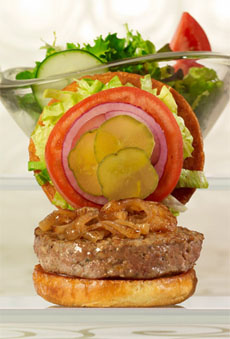
Topped with garnishes, most people will
enjoy a turkey or veggie burger as
much as beef. Photo courtesy Cheesecake
Factory. |
|
At the Kendall College School of Culinary Arts in Chicago, creating “better for you” cuisine is a hot topic of discussion. Many culinary schools first train students in classic French technique. But today’s trend is to learn how to cook foods that are healthier—still mouth-watering and satisfying, but with lower saturated fat, calories or sodium, more dietary fiber, or all of these.
Kendall’s resident nutrition expert and dean, Chef Renee Zonka, RD, CEC, CHE, notes that barbecuing and grilling are excellent opportunities to serve more fruits, vegetables, whole grains, leaner meats and antioxidant-rich seafoods. No one notices this better-for-you food, because virtually everything tastes better when cooked on a grill. Her 10 tips:
1. Non-Beef Burgers. Burgers do not have to be beef in order to be delicious. Turkey, veggie, shrimp and salmon taste great yet have far less fat and cholesterol. Many stores sell them pre-made at the meat counter; look for Chef Big Shake shrimp burgers, loaded with peppers and spices, in the freezer case.
2. Trim the fat, skin the bird. If you must have beef, try ground sirloin for burgers, which contains less saturated fat than 80/20 (20% fat) ground beef. Choose leaner steaks like top sirloin for grilling; with fattier steaks such as Porterhouse, trim all visible fat.
|
Do the same for loin pork chops (pork tenderloin is naturally leaner than beef). Skin chicken and duck breasts, thighs and legs before marinating and tossing on the grill to lock that just-grilled flavor into the meat.
3. Go fish. Oily fin fish like cod and salmon fillets are high in omega-3 fatty acids. Tilapia is not only a sustainable species, but is naturally lean, and can accept virtually any flavor from a marinade or rub before grilling. Heartier fish fillets can go right onto an oiled grill, and more delicate fish can rest on aluminum foil or even sturdy lettuce or banana leaves. Shellfish such as oysters and scallops can be grilled right in their shells. With any lean fish, watch grilling times, as less-fatty species cook quickly.
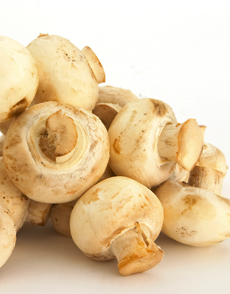
4. Grill your veggies. Vegetables taste better when grilled, and can tempt even stalwart veggie-avoiders. From asparagus to zucchini, grilling coaxes out vegetables’ natural sugars. Other favorites include bell peppers, corn on the cob, eggplant, mushroom caps, onion, yellow squash, and even sturdy long-leaf lettuces like romaine and endive. Marinate for an hour in the refrigerator first or brush fresh veggies with olive oil on both sides. Experiment with grill times, turning once for those beautiful caramelized grill marks, until done.
|
|
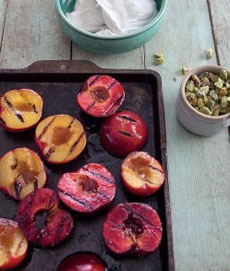
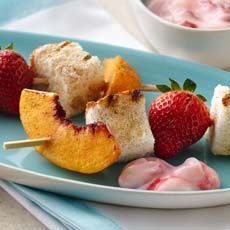
5. Serve fruit for dessert. Stone fruits like apricots, nectarines, peaches and plums (halved and pitted) and seeded tree fruits like apples and pears, become more exciting when grilled (over medium heat). Fruit’s natural sugars caramelize nicely for a tantalizing smoky/sweet flavor. Pineapple rings, strawberries and even sliced mango and watermelon wedges can go on the grill. Skewer smaller fruits for easy turning and serving. When grilling any fruit, make sure to lightly spray a clean grill with vegetable oil spray to prevent sticking. For softer fruits like stone fruits and mango, leave the peel on to help the fruit stay together on the grill. Serve with optional garnishes such as vanilla yogurt, fat-free plain Greek yogurt sweetened to taste, and pistachios or other nuts.
6. Marinate! Before grilling, marinate meats, seafood and vegetables in citrus juice, vinaigrette, wine, or a simple brine of salted water, for a few minutes to a few hours in the refrigerator. Marinating both tenderizes and adds bolder flavors, so you can use less salt while grilling.
|
|

Grilled fruit with Greek yogurt and pistachios. Photo courtesy Healthy In A Hurry.
|
Adding a little sweetness to the marinade—like brown sugar, fruit juice, honey or molasses—helps balance the flavor. Add just a touch; you don’t need to “dump the sugar bowl” onto proteins and veggies. Or consider a homemade spice rub from dry herbs and seasonings for a delicious and salt-free flavor boost. For cut fruits, soak in water with a splash of lemon juice (and, if desired, a little cinnamon, nutmeg, allspice, clove or ginger) for up to a half-hour before grilling to maintain their natural juiciness and color.
7. Whole grains salads. Instead of high-fat potato and macaroni salads, a lightly dressed quinoa side dish not only delivers fresh, bright flavor; but whole-grain quinoa is packed with protein and all eight essential amino acids for optimal human health. Available in white, black and red varieties, it is naturally gluten free. Take a look at —like Chef Zonka’s Quinoa & Lentil Salad with Sherry-Dijon Vinaigrette—and Pomegranate Quinoa Tabouli). Make other cold salads with trending whole grains like barley, farro, freekeh and wheat berries. Wild rice, often relegated to autumn and winter, is delicious served cold, studded with fresh veggies and spiked with zesty citrus dressing.
8. Watch your buns. Replace hamburger and hot dog buns made with refined white flour with whole-grain varieties. You’ll get added fiber plus enhanced flavor.
9. Bake beans without the bacon. A hearty and satisfying side dish of baked beans need not rely on animal fat to taste delicious. Beans are a naturally good source of meatless protein and dietary fiber. You can add smoky flavor with a touch of liquid smoke.
10. Watch the sauce. Most commercial brands of barbecue sauce are loaded with sugar (often in the form of high-fructose corn syrup) and sodium. Check the labels and go for those sweetened with agave or Splenda, or consider making your own sauce. Blend canned tomato paste with agave (or much less sugar than commercial brands), spices, vinegar and, molasses, Worcestershire sauce, fruit juice and/or mustard. Taste as you go. For portion control, don’t pour liberally over meats: Brush the sauce on.
Now, your cook-outs will be better-for-you, and you didn’t have to go to culinary school to learn how to do it!
|
|