THE NIBBLE BLOG: Products, Recipes & Trends In Specialty Foods


Also visit our main website, TheNibble.com.

Enjoy Homemade Biscuits More Often With This Cookbook

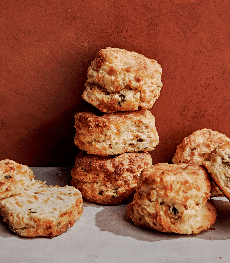
Angel Biscuits
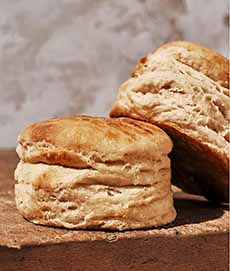
[1] Flaky angel biscuits will have everyone wanting seconds, or thirds (photos #1, #2, and #3 © Crown Publishing).

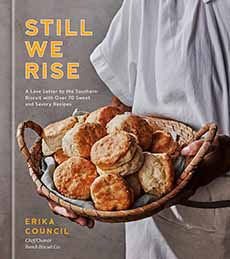
Still We Rise Biscuit Book Cover
[2] You need a biscuit book! Here’s the link to order.

Eight flaky Jalapeno-Cheddar Biscuits
[3] Jalapeño-Cheddar biscuits (photo © McCormick).

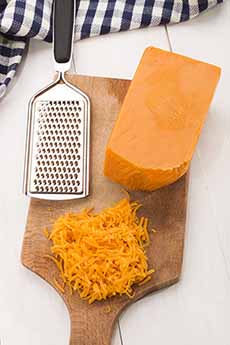
Grated Cheddar Cheese
[4] Grate a block of sharp cheddar (photo © Szakaly | Panther Media).

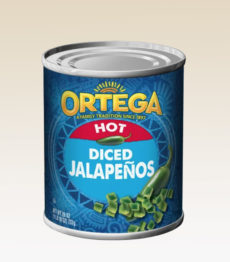
A Can Of Ortega Diced Jalapenos
[5] Look for canned jalapeños that are plain, not pickled (photo © Ortega Products).

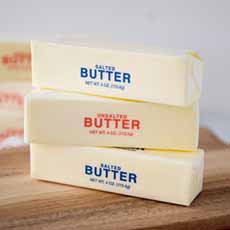
3 Sticks Of Butter, Individually Wrapped
[6] You only need one stick of unsalted butter (photo © Go Bold With Butter).

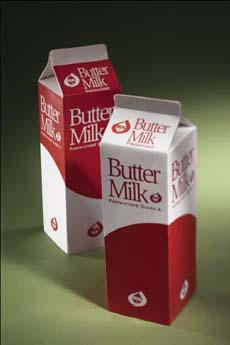
2 Buttermilk Carton
[7] You’ll have a bit of buttermilk left over. Here’s what else you can do with it (© Wisconsin Dairy).

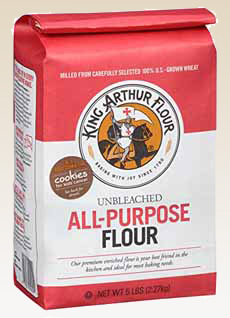
Bag Of King Arthur All-Purpose Flour
[8] Use all-purpose flour (photo © King Arthur Baking).

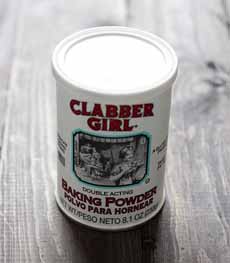
A Can Of Clabber Girl Baking Powder
[9] Test your baking powder before beginning to bake. See the footnote† below (photo © Handle The Heat—check the website for great recipes).

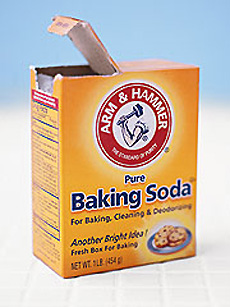
A Box Of Arm & Hammer Baking Soda
[10] Test your baking soda before beginning to bake. See the footnote‡ below (photo © Arm And Hammer).


Biscuits have survived some pretty lowly roots to take their rightful place in the kitchens of those of us who crave the light, fluffy, multi-layered, steamy hot, oven-fresh, lightly browned rounds of delight.

By this, we mean homemade biscuits.

You’ll find more than 70 biscuits, both savory and sweet, in the new biscuit cookbook, Still We Rise, A Love Letter to the Southern Biscuit. A review follows.

So even if you’ve gotten by with baking supermarket biscuits-from-a-tube, give homemade biscuits a chance.

> Make delicious Jalapeño Cheddar Biscuits with the recipe below.

> The history of biscuits.

> The different types of biscuits.

> Check out all of the “official” biscuit holidays, below.
 
 
STILL WE RISE: 70 SWEET & SAVORY BISCUIT RECIPES

Need some help selecting a biscuit to bake? Still We Rise (Clarkson/Potter), from well-known author and Chef/Owner of Atlanta, Georgia-based Bomb Biscuits, Erika Council, has more than 70 recipes for you.

(Bomb Biscuits recently received a Bib Gourmand award from the prestigious Michelin Guide. Bib Gourmand is awarded to restaurants that offer delicious food at a moderate price. Here are the deets.)

Her devotion to what began as a flat disc baked multiple times until rock-hard (“hardtack”) for seafarers to dunk into whatever was at hand through months at sea, revels in biscuits of every sort. Basic Angel, Quick, Buttermilk, Sour Cream, and more.

Ms. Council then moves on to savory biscuits, like the Cheddar-Jalapeño version below, Bacon-Cheddar, Sour Cream and Onion, even Red Curry Basil Biscuits, and sweet biscuits for dessert, including Cinnamon Sugar, and Pecan, Honey Roasted Peach, Afternoon Tea Biscuits with Bourbon Butter to indulge in.

There is also a chapter about favorite spreads like Deviled Ham, Pimento Cheese, and Apple Butter, as well as a cookbook-within-a-cookbook filled with ideas and recipes for biscuit breakfasts, lunches, and brunches that are lusciously beyond the usual fare.
 
 
Everything You Need To Know

Ms. Council provides thorough information about how ingredients become biscuits with well-explained chapters about flours, fats, liquids, leavening agents, other essential ingredients, the tools you need (not many), and the science that supports the successful baking of these long-overlooked culinary pleasures.

How-to photos help ensure ideal results for you at home, and while biscuits are always best when just out of the oven, they are freezable, so think about making a few dozen to have at hand for the holidays.

The book is filled with Ms. Council’s store of knowledge—she was born into a family of stellar southern cooks–but the most enjoyable parts are her reminiscences about family and friends, the stories she tells, and her own sparkling charm.

She freely shares the many tips she has discovered along her path to the Bomb. Among the most helpful ones for beginners are:

  • Don’t use a drinking glass, as some other recipes often suggest, to cut out the dough. Use a two-inch cookie/biscuit cutter instead, and be sure not to twist it while cutting into the dough.
  • Both the glass and the twisting action will seal the layers at the edges, impeding the action of the leavening agents.
  •  
    There’s something glorious about the hands-on, sticky, floury process of biscuit making that ends up being a delightful way to spend a nothing-urgent morning.
     
     
    For Entertaining & Gifting

    Nestle a dozen or so in a cloth napkin and add them to your Thanksgiving table. Guests will be adoring.

    Speaking of the holidays, consider this book as a gift to those who love baking.

    This is a book for people who are much into homemade, people who want to try new things (i.e. biscuits that don’t come out of a can), or who love the romance of the South and its cuisine.

    Anyone who tries these recipes will be rewarded with some very tasty morsels.

    > Get your copy here.

    Here’s a tasty bit to get you started: Erika Council’s Jalapeño Cheddar Biscuits. The recipe follows, but first, some tips:

    While almost all of the biscuits in the cookbook are delicious plain or with butter, you can elevate the Jalapeño Cheddar Biscuits:

  • By serving them with the Deviled Ham Spread, Pimento Cheese Spread, and Tomato Jam recipes in the book.
  • By swapping them out for some of the ideas in the “Biscuit Breakfast and Lunch” chapter of the book, which consists of biscuit sandwiches. The recipes are for specific biscuits and their combinations, but the Jalapeño Cheddar Biscuits would be just as good with the recipes for Bacon, Fried Green Tomato, Fried Oyster, and Smoked Salmon and Red Onion sandwiches.
  • They can also be filled with slices of holiday ham and turkey, and are an especially delightful way to use up leftovers.
  • They can be served for weekend breakfast with sausage patties or links, with or without eggs.
  •  
     
    RECIPE: JALAPEÑO-CHEDDAR BISCUITS
     
    Ingredients For 6 to 8 Biscuits

  • 2½ cups all-purpose flour, plus extra for folding and cutting
  • 1 tablespoon baking powder
  • 1 teaspoon kosher salt
  • ½ teaspoon baking soda
  • 1 stick (8 tablespoons) unsalted butter, cold
  • 1 cup (about 4 ounces) shredded sharp Cheddar cheese
  • 4-ounce can diced jalapeños, drained*
  • 1¼ cups full-fat buttermilk, cold
  •  
    ________________

    *We used 4 fresh jalapeños, seeded and diced.

    Preparation

    1. ADJUST the oven rack to the middle position and preheat the oven to 450°F.

    2. PLACE the flour, baking powder, salt, and baking soda in a large bowl and whisk to combine.

    3. USING the slicing side of a box grater, slice the butter into the flour. Toss the sheets of butter in the flour. Add the cheddar and jalapeños and toss gently to combine. Then lightly work the butter pieces between your fingers or use a pastry cutter to break them up and coat them with flour. Stop when the dough resembles coarse sand and there are still some small visible pieces of butter.

    4. ADD the buttermilk and stir gently with a spatula until the dough forms a ball and no dry bits of flour are visible. The dough will be shaggy and sticky.

    5. TURN the dough onto a lightly floured surface and lightly dust with flour. With floured hands, pat the dough into a 1/2-inch thick, 11 x 6-inch rectangle. Fold the ends of the rectangle toward the center, one on top of the other, to create a trifold.

    6. DUST the top lightly with flour, press out the same size rectangle again, and repeat the folding. Repeat this process a third time. After the third folding, pat the dough to a 1/2-inch thickness.

    7. CUT out the biscuits using a floured 3½-inch biscuit cutter. Be careful to press down and do not twist the cutter.

    6. PLACE the biscuit rounds 1 inch apart on a parchment-lined baking sheet. Gather the scraps, re-shape them, and pat the dough out to a ½-inch thickness. Cut out as above.
    Discard any remaining scraps.

    7. BAKE for 15 to 18 minutes, rotating the pan once halfway through, until the tops are golden brown. Serve immediately.

    Notes

  • The author’s stated yield is 6 biscuits, but we got 8 nice ones.
  • One of the how-to photos shows a strip of leftover dough lying on the baking sheet next to the rounds. We twisted it into a figure 8, which we nibbled on when the biscuits came out of the oven.
  • In some of the recipes the author says not to re-roll the dough. We don’t know why: It worked for us. Try it.
  •  
    –Rowann Gilman
     
     
    BISCUIT HOLIDAYS

  • May 14th is National Buttermilk Biscuit Day
  • May 19th is World Baking Day
  • May 29th is National Biscuit Day
  • June is National Country Cooking Month
  • September is National Biscuit Month
  • September, 2nd week, is National Biscuits and Gravy Week
  • October 11th is Southern Food Heritage Day
  • December 14th is National Biscuits & Gravy Day
  •  
    And For Man’s Best Friend:

  • February 23rd is National/International Dog Biscuit Day
  •  
    ________________

    †To test if your baking powder is still active, spoon 1/2 teaspoon in a bowl and pour 1/4 cup of boiling water over it. If the mixture bubbles, the baking powder is good.

    ‡An opened box of baking soda peaks at about 6 months. Old baking soda may not produce as much leavening action, so your recipe may not turn out as well. If you’re not sure, buy a new box. Pour the old contents down the drain, where they’ll have a bit of a cleansing boost.


    CHECK OUT WHAT’S HAPPENING ON OUR HOME PAGE, THENIBBLE.COM.


    Comments off

    For International Pinotage Day: What Is Pinotage?

    October 8th is International Pinotage Day. What’s Pinotage, you may inquire? You wouldn’t be alone in asking.

    Pinotage is the flagship grape of South Africa, a red wine grape that is native to the country.

    The term refers to both the grape and the wine made from that grape.

    The history of Pinotage is below, but as a brief introduction, the variety was produced by crossing Pinot Noir and Cinsault*. It’s considered South Africa’s signature wine grape.

    In addition to producing varietal† wines, Pinotage is also commonly blended with other varieties, producing what is referred to as a Cape Blend in South Africa.

    The grape produces deep red wines with smoky dark fruit flavors and earthy accents of bramble. The wines are high in tannins.

    Here are the Wine Enthusiast’s reviews of the top Pinotage wines.

    > The history of wine.

    > The history of Pinotage is below.

    > The world’s major red wines.

    > The year’s 45+ red wine holidays.
     
     
    THE HISTORY OF PINOTAGE

    The Pinotage crossbreed was created in South Africa in 1924 by Abraham Izak Perold, a Ph.D. chemist and the first Professor of Viticulture at Stellenbosch University, in the Western Cape province of South Africa.

    He was attempting to combine the best qualities of the robust Hermitage grape (the earlier name for Cinsaut) with the less hardy Pinot Noir, a grape that makes great wine but can be difficult to grow.

    Perold planted four seeds from his cross in the garden of his official university residence at Welgevallen Experimental Farm. Then, he apparently forgot about them.

    In 1928 Perold left the university to take a job with KWV wine cooperative. The garden became overgrown.

    The university sent in a team to clean up the garden. In an instance of being in the right place at the right time, Charlie Niehaus, a young lecturer who knew about the seedlings, happened to pass by. He rescued them from the prospect of the trash heap.

    The young plants were moved to Elsenburg Agricultural College, where in 1935, Perold’s successor, C.J. Theron, grafted them onto another rootstock.

    Perold saw the newly grafted vines when he visited. The vine that was doing best was selected for propagation and was christened Pinotage.

    The first Pinotage wine was made in 1941 at Elsenburg. In that same year, Pinotage vines were planted at the Kanonkop Wine Estate, producing wines that can mature up to 25 years and have achieved world fame.

    Pinotage began to win awards in South African wine competitions. This early success, and its easy viticulture, prompted a wave of planting during the 1960s.

    The wine has had its critics, some calling the wine’s pungent aroma reminiscent of paint, nail polish remover, or burning tar.

    The grape has seen its plantings rise with the current fashion in South African wines.

    In the post-Apartheid early 1990s, when the world’s wine market opened to South Africa, winemakers ignored Pinotage in favor of more internationally recognized varieties like Cabernet Sauvignon and Syrah [source].
     
     
    Pinotage Today

    Towards the end of the 20th century, the grape’s fortunes began to turn. By 1997 it commanded higher prices than any other South African grape.

    But more than 40 years after completely dismissing the grape, many in the U.K.’s wine trade (one of South Africa’s main export markets) still malign it.

    However, perceptions are slowly changing, especially among younger members of the British wine trade [source].

    Beyond South Africa, Pinotage is now grown in Brazil, Canada, Germany, Israel, New Zealand, Switzerland, the U.S. (Arizona, California, Michigan, Oregon, and Virginia), and Zimbabwe, and German winemakers have recently begun experimenting with the grape.

    Celebrate International Pinotage Day by trying a bottle!

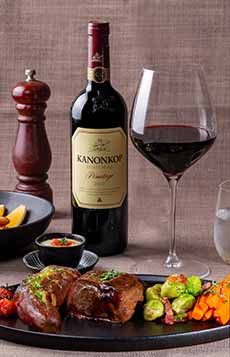
      A Glass Of Pinotage Red Wine With Grilled Venison and Mixed Vegetables
    [1] Pinotage with venison. “If ever you meet a cynic who claims that Pinotage cannot make great wines,” says Robert Parker of the Wine Advocate, “then pour them a glass from Kanonkop and they will soon change their mind” (photo © K. Crause | Kanonkop Wine Estate).

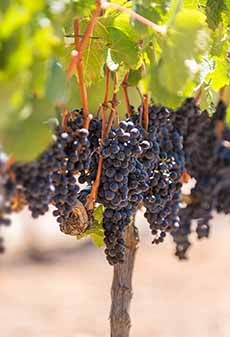
    Pinotage grapes hanging on the vine.
    [2] Pinotage grapes (photo © Brave New World Wine).

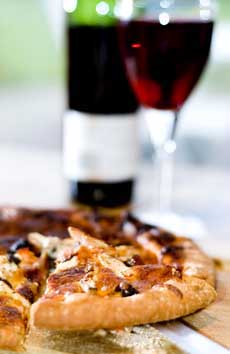
    Pinotage Red Wine With A Personal Pizza
    [3] Dinner doesn’t have to be fancy: Enjoy Pinotage with a pizza or burger.

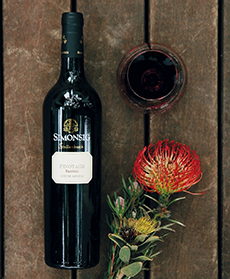
    A bottle of Simonsig Pinotage with a glass of the wine.
    [4] Another top-rated Pinotage, from Simonsig Wine Estate (photo © Cape Best Shop).

     
    ________________

    *Cinsault, also spelled Cinsaut, is a red wine grape used in Rhône blends and Provençal rosés. The grape itself delivers fresh, punchy reds that are floral, fruity, and somewhat smoky. Its heat tolerance and productivity make it important in the Languedoc-Roussillon region of southern France. It is often blended with other grapes, such as Grenache and Carignan, to add softness and bouquet.

    †A varietal wine is a wine made primarily from a single, named grape variety, and that typically displays the name of the variety on the wine label. There are numerous varietal wines, but examples of some of the most popular include Cabernet Sauvignon, Chardonnay, and Merlot.


    CHECK OUT WHAT’S HAPPENING ON OUR HOME PAGE, THENIBBLE.COM.


    Comments off

    Cinnamon Swirl Pumpkin Coffee Cake Recipe: Yummy For Fall

    Cinnamon Swirl Pumpkin Coffee Cake
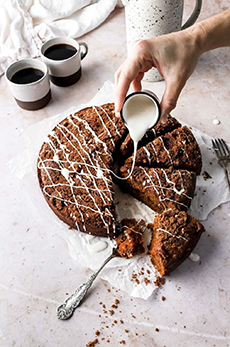
    [1] Cinnamon Swirl Pumpkin Coffee Cake: pouring on the glaze (photos #1 and #2 © Baran Bakery.)

    Cinnamon Swirl Pumpkin Coffee Cake
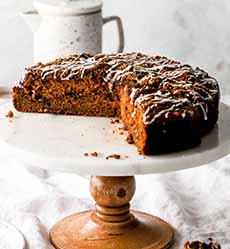
    [2] The inside is studded with pecans.

    A Measuring Cup Of Pecan Halves
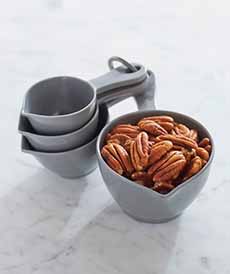
    [3] Buy the freshest whole pecans and chop them (photo © Williams Sonoma).

    Box Of C&H Brown Sugar
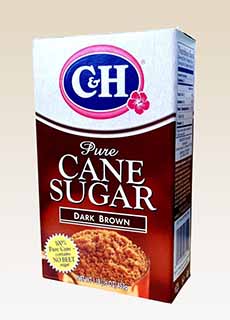
    [4] Top quality dark brown sugar (photos #4 and #9 © C & H Sugar).
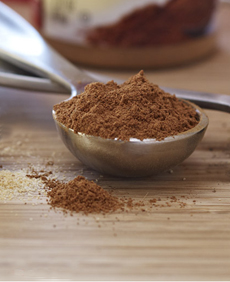
    A Tablespoon Of Ground Cinnamon
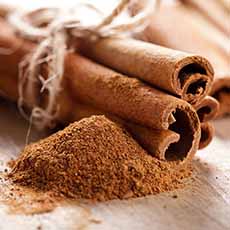
    [5] Cinnamon, ground from cinnamon sticks (photo #9—photos #5 and #6 © McCormick).

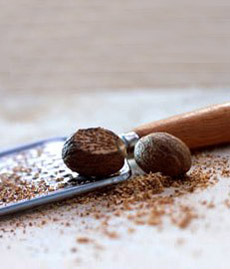
    Grated Nutmeg With Microplane
    [6] You’ll get much better flavor by grating a nut rather than purchasing ground nutmeg.

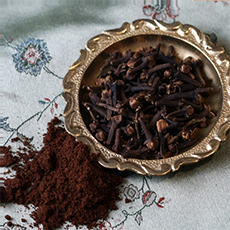
    Whole & Ground Cloves
    [7] Whole and ground cloves. For baking, you need ground cloves (photo © Silk Road Spices).

    Cans Of Pumpkin Puree
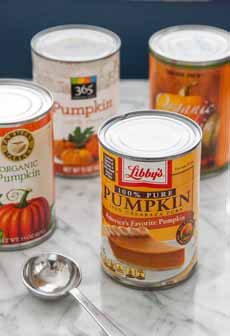
    [8] Pumpkin puree. Be sure to purchase purée and not pumpkin pie filling. Here’s a review of 7 brands (photo © The Kitchn).

    Box Of C&H Powdered Sugar (Confectioners Sugar)
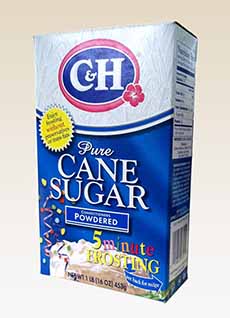
    [9] Turn powdered sugar, milk, and vanilla bean paste into the glaze.

    4 Types Of Cinnamon Sticks
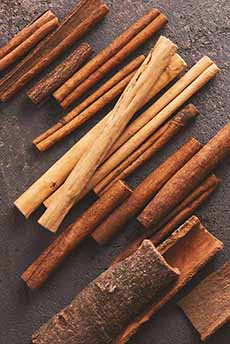
    [10] The four basic types of cinnamon sticks, from top to bottom: Vietnamese/Saigon, Ceylon, Indonesian/Korintje, Chinese (photo © Alina Kholopova | Alamy).

    Cassia Cinnamon Sticks & Ground
    [11] Cassia cinnamon (photo © American Heritage Chocolate).

    Vietnamese Cinnamon Sticks
    [12] Vietnamese (Saigon) cinnamon sticks (photo © King Arthur Baking).


    On weekends, we make time to test a new baking recipe. We call it our “weekend baking project,” and friends who are out and about on Sundays know they can stop by for a slice.

    This weekend we made a delicious Cinnamon Swirl Pumpkin Coffee Cake with the recipe below (photos #1 and #2).

    The recipe was developed by Bernice Baran of Baran Bakery and sent to us by C&H Sugar. The recipe combines canned pumpkin, brown sugar, cinnamon, and pecans to create a rich, seasonal coffee cake that will have everyone asking for seconds.

    If you want to turn it into a dessert, make it à la mode with vanilla ice cream and caramel or butterscotch sauce (see the difference between caramel and butterscotch in the footnote* below*).

    Check out more wonderful recipes at BaranBakery.com, and enjoy Bernice’s beautiful food photography.

    > The history of coffee cake.

    > The history of cake.

    > The history of cinnamon is below.

    > The history of pumpkins.

    > The different types of cake: a glossary.

    > The different types of sugar: a glossary.
     
     
    RECIPE: CINNAMON SWIRL PUMPKIN COFFEE CAKE

    Prep time is 10 minutes, and cook time is 45-50 minutes.
     
    Ingredients For A 10-Inch Cake

    For The Cinnamon Swirl

  • 1 cup pecans, chopped
  • 1 cup dark brown sugar
  • 1 tablespoon cinnamon
  • 1/8 teaspoon salt
  •  
    For The Pumpkin Cake

  • 2 cups all-purpose flour, leveled
  • 1 teaspoon baking soda
  • 2 teaspoons baking powder
  • 1/2 teaspoon salt
  • 2 teaspoons cinnamon
  • 1 teaspoon nutmeg
  • 1 teaspoon cloves
  • 1 teaspoon ginger
  • 4 large eggs, room temperature
  • 1-1/2 cups packed dark brown sugar
  • 3/4 cup vegetable oil
  • 1 can (15 ounces) pumpkin purée
  • 1 teaspoon vanilla
  •  
    For The Glaze

  • 1 cup powdered sugar
  • 2 tablespoons milk
  • 1/2 teaspoon vanilla bean paste†
  •  
    Preparation

    1. MAKE the cake. Preheat the oven to 350°F (177°C) and grease a 10-inch springform pan.

    2. COMBINE all the ingredients for the cinnamon swirl in a medium bowl and set them aside. In another medium bowl…

    3. WHISK together the dry ingredients—flour, baking soda, baking powder, salt, and spices—and set them aside. In a large bowl…

    4. WHISK together the eggs, dark brown sugar, oil, pumpkin purée, and vanilla extract until the mixture is completely smooth.

    5. ADD the dry ingredients to the wet and whisk just until the last streak of flour is combined.

    6. POUR half of the batter into the prepared pan, top with half of the cinnamon swirl filling, repeat with the rest of the batter, and top with the second half of the streusel.

    7. BAKE the coffee cake for about 40-50 minutes, until it springs back when you press on it.

    8. COOL the cake in the pan for at least 30 minutes before removing. While the cake is cooling…

    9. COMBINE all the ingredients for the glaze and mix until smooth. When the cake is finished cooling, pour the glaze over the cake and serve.

    Any leftovers can be frozen, wrapped tightly in plastic. (Additionally, we put the wrapped plastic cake or slices into a freezer bag.)
     
     
    THE HISTORY OF CINNAMON

    Cinnamon was one of the earliest spices to be traded globally (and remember, only the wealthy could afford imported spices).

    Initially, much of the world’s cinnamon came from China, an established trading partner.

  • B.C.E. There is 3000-year-old evidence of cinnamon trading, found during excavations in Tel Dor, Israel. This suggests not only trade in cinnamon but long-range spice trade in general, from the Far East westward [source].
  • In ancient Egypt, the spice was revered for its fragrance and used for embalming and religious practices. It was once more valuable than gold [source].
  • The Romans used cinnamon less as a culinary spice, but as a sacred incense, and burning it at funerals.
  • 13th century (approximate). In medieval Europe, cinnamon was a favorite flavoring at banquets of the wealthy. It was also used as an appetite stimulant, a digestive, an aphrodisiac, a treatment for coughs and sore throats, and in religious rites.
  • For global traders like the Dutch and the Portuguese, spices were considered the most important merchandise; cinnamon was the most important of them all. It was the most profitable product for the Dutch East India Trade Company. [source].
  • 15th century. Because cinnamon was one of the first spices sought by 15th-century European explorers, some say it indirectly led to the discovery of America [source].
  • 16th to 18th centuries. The Dutch and Portuguese brutally fought to control the cinnamon plantations of Ceylon (now Sri Lanka) [source].
  • 21st century. As of 2019, the countries that produce most of the world’s cinnamon are China (50%), Indonesia (28%), Vietnam (13%), and Sri Lanka (8%) source.
  •  
    What Exactly Is Cinnamon?

    Cinnamon is the dried inner bark of various evergreen tree species belonging to the genus Cinnamomum. That botanical name derives from the Hebraic and Arabic word “amomon,” meaning “fragrant spice plant.”

    There are different varieties of culinary cinnamon, and except for Ceylon cinnamon, they are referred to as cassia (here’s the difference).

    Botanically, cinnamon is a member of the Lauraceae (laurel) family (which also includes avocados and bay leaves). There are more than 250 plant species in the Cinnamomum verum genus, with only four important as culinary cinnamon:

  • Ceylon Cinnamon, also known as True Cinnamon (Cinnamomum verum) and Sri Lankan Cinnamon (Cinnamomum zeylanicum), primarily grown in Sri Lanka (Ceylon is the old British colonial name) but also in Southern India and Madagascar.
  • Ceylon cinnamon sticks are multilayered, a roll of numerous thin and fragile sheets of bark. The flavor is delicate and mildly sweet, with a soft aroma. The color is yellowish-tan (see photo #10). It’s the most expensive cinnamon.
  • Ceylon cinnamon is often considered the only “true” cinnamon, with all other types referred to as cassia. However, all four species listed here are botanically classified as cinnamon. Only one is Cinnamomum verum (true cinnamon). The word cassia came to Old English from Latin, probably denoting the wild cinnamon, via Greek from the Hebrew qĕṣī‘āh.
  • Chinese Cinnamon (Cinnamomum cassia and Cinnamomum aromaticum), produced in China and Vietnam. Chinese cinnamon is often sold as chunks of bark rather than in sticks (quills). The bark is thicker than other varieties and it is the darkest color, a gray-brown (see photo #10). You can find it in the form of twigs that have been sliced into small segments. They often have an outer “skin” that resembles tree bark.
  • While cinnamon is used more for baking and desserts in Western cuisines, it is much more common in savory cooking in Asian cuisines. In ancient China, it was primarily valued for spicing and preserving jerky. In contemporary cuisine, it is used in braises, stir-fries, and stews. The whole pieces are typically added to the recipe, to deliver a more subtle flavor than using ground powder [source].
  • Chinese cinnamon is also one of the main ingredients in Five Spice Powder.
  • Indonesian Cinnamon (a.k.a. Korintje cinnamon), Cinnamomum burmannii, Cassia vera, is grown on the Indonesian island of Sumatra, which produces the most cinnamon in the world [source]. Both Vietnamese cinnamon and Indonesian sticks comprise a thick single layer of rough bark, less prone to breakage than Ceylon cinnamon. The color is reddish brown. The flavor is strong and spicy and the aroma is pungent. Unlike Ceylon cinnamon, the stick is difficult to break, which is why you might prefer to purchase it in ground form (but great as a garnish for hot chocolate or mulled cider). Korintje cinnamon is the industry standard for bakers, chefs, and home cooks in the U.S., delivering quality at an affordable price.
  • Vietnamese or Saigon Cinnamon, Cinnamomum loureirii, primarily grown in Vietnam but also in Southern China and Laos. Vietnamese cinnamon and Indonesian sticks tend to be a single thick layer and less prone to breakage; the flavor is strong and spicy and the aroma is pungent. The color is reddish brown (see photo #10). Unlike Ceylon cinnamon, the stick is difficult to break.
  •  
    How Cinnamon Is Processed

    At harvest, the outer bark of the tree is scraped off and then the inner bark is stripped and laid in the sun to dry.

    The bark then curls into cylindrical rolls or “quills” (except for Chinese cinnamon), after which it is cut into sticks.

  • With Ceylon cinnamon, pieces of the bark are then removed and placed inside one another to form the quills (photo #10, long light tan quills second from top).
  • Indonesian and Vietnamese cinnamon dry in one thick quill (photo #10, top and second to bottom).
  • Chinese cinnamon dries in chunks (pieces) of bark (photo #10, bottom.
  •  
     
    When you purchase cinnamon, the jar may or may not state the origin. But if you’re buying sticks, you can now eyeball them and take a guess!

    ________________
     
     
    *The difference between the butterscotch and caramel: Caramel is made with granulated sugar while butterscotch is made with brown sugar. Table sugar (white sugar) is heated and melted until it’s browned. It can be thinned with water, cream, or milk. As its name indicates, butterscotch is made with butter (but no Scotch!). Brown sugar and butter are melted together and cooked, then cream is added. A pinch of salt is added to both caramel and butterscotch. While there is no definitive etymology of the the “scotch” portion of the word, one theory is that “scotch” is a corruption of “scorch,” referring to the melting of the sugar and butter.

    †Vanilla bean paste is valuable in a glaze or whenever you don’t want to water down a preparation by using vanilla extract. However, you can substitute an equal amount of vanilla extract or vanilla powder.


    CHECK OUT WHAT’S HAPPENING ON OUR HOME PAGE, THENIBBLE.COM.


    Comments off


    © Copyright 2005-2026 Lifestyle Direct, Inc. All rights reserved. All images are copyrighted to their respective owners.